

You find a coffee you love. Same farm, same producer, same name on the label. You order it again a few months later, brew it exactly the way you brewed the first bag, and something is off. Not bad. Just different. The thing you were chasing is not quite there.
Most people conclude the roaster changed something or got sloppy. Usually neither is true. Coffee is agricultural, and agricultural products vary in ways that manufactured goods do not. Understanding why makes you a better buyer and saves you from abandoning a roaster over something nobody did wrong.
If you want to taste this for yourself across a season, start with one of our most popular coffees and pay attention to what shifts.
Coffee Is a Crop, Not a Recipe
The obvious point that gets forgotten constantly. A coffee named after a farm is not a formula. It is whatever that farm produced this time.
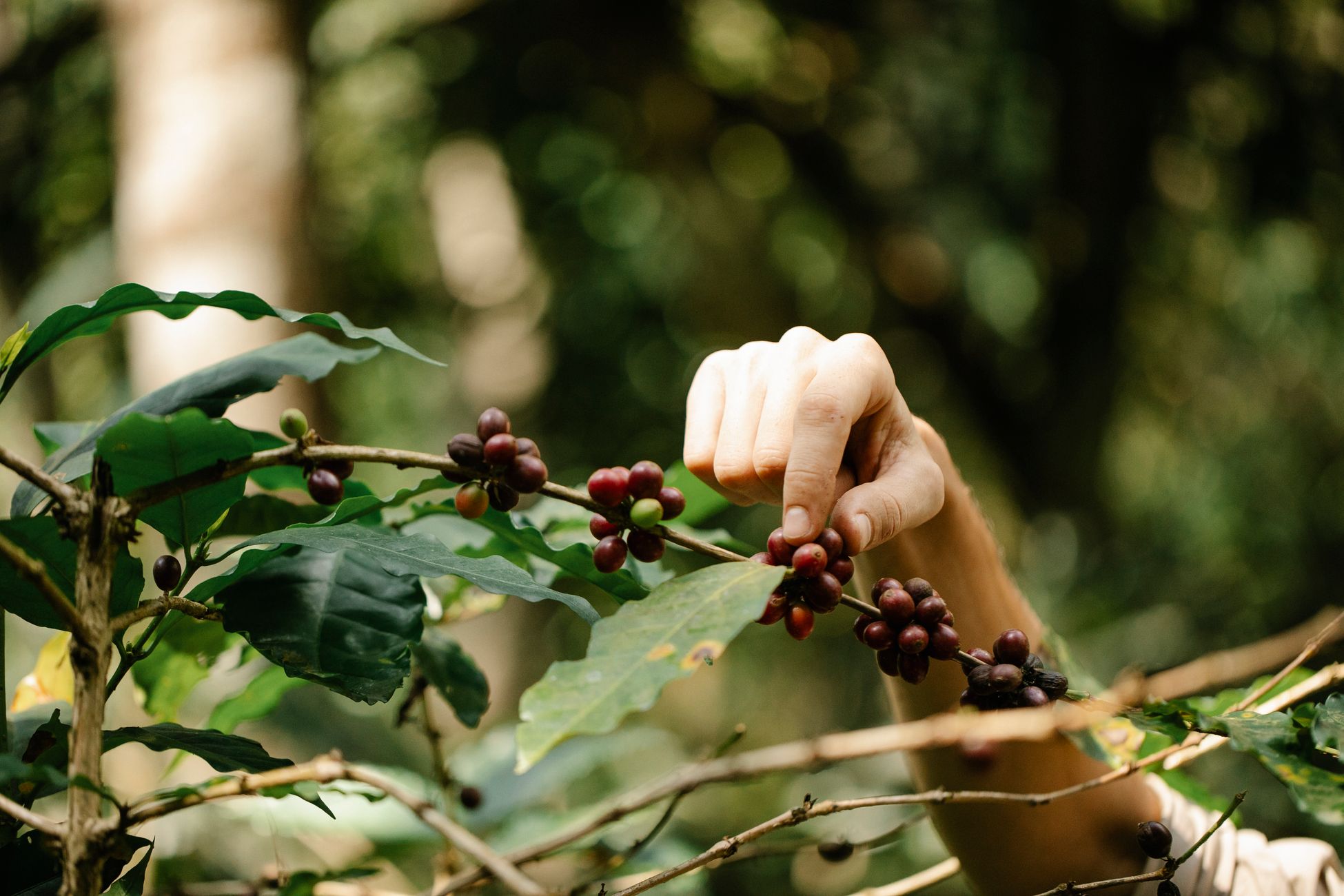
Weather during the growing season shapes the cherry directly. Rainfall timing affects how the fruit develops and how evenly it ripens. An unusually wet period before harvest can dilute sugar concentration. Drought stresses the plant and can produce smaller, denser beans with concentrated but sometimes harsher character. Temperature swings alter maturation pace, which changes sugar and acid accumulation.
Harvest timing matters. Cherries do not all ripen at once, even on one tree. A farm doing multiple selective passes, picking only ripe cherries each time, produces different material than one stripping everything in a single pass. Labor availability, weather during harvest, and market pressure all influence how carefully that gets done in a given year.
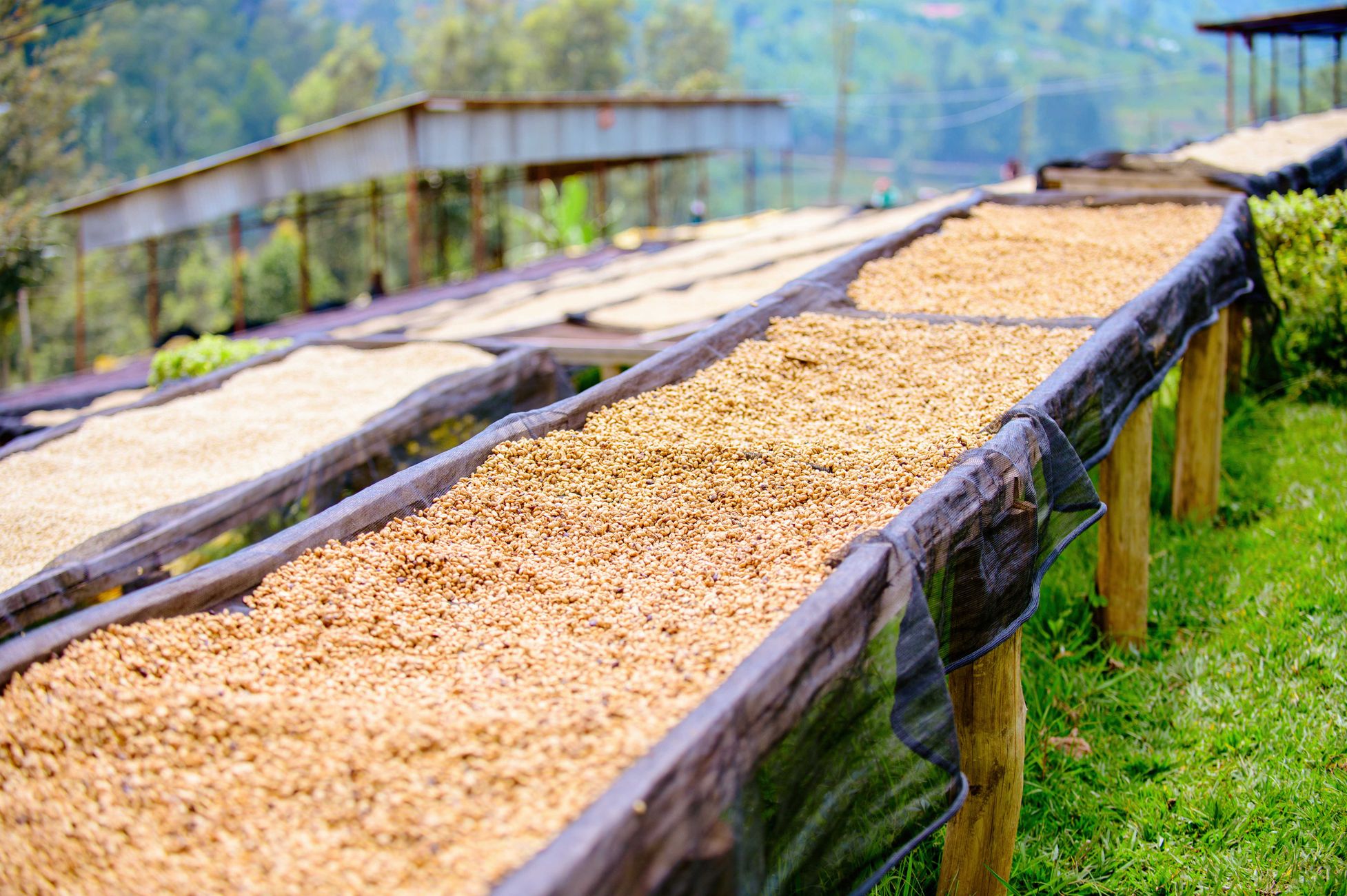
Processing varies too, even with identical intent. Fermentation is biological, driven by wild yeasts and bacteria present in the environment. Ambient temperature and humidity during fermentation and drying change the outcome. A washing station running the same protocol in a warmer year gets a faster ferment and a different flavor result.
Plants themselves change. Coffee trees age, and yield and cup quality shift across their productive life. Farms replant sections, add varieties, prune differently. The lot you loved might come partly from trees that were pruned back this cycle.
The Same Name Can Mean Different Coffee
Labeling is more elastic than most buyers assume, and this is where genuine confusion enters.
A single farm name might cover a large property with multiple plots at different elevations and different varieties. Two lots from the same farm in the same year can taste substantially different depending on which section they came from.
Cooperative coffees aggregate. A washing station serving hundreds of smallholders produces lots blended from many farms. The name refers to the station, not to a specific grower, and the composition shifts between deliveries.
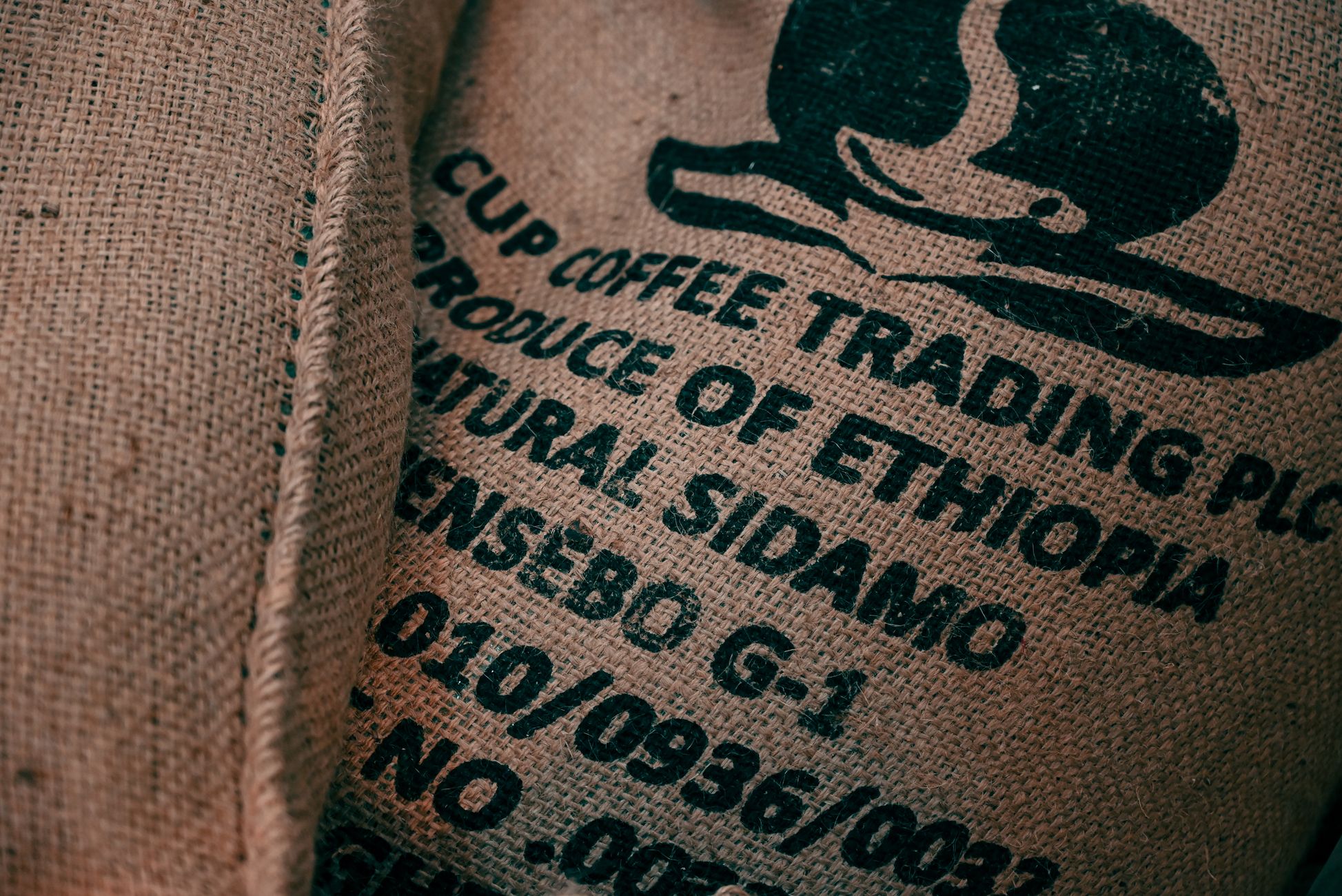
Regional names are broader still. Yirgacheffe is a district, not a farm. Huila is a department in Colombia larger than some countries. Coffees carrying those names share general character but vary enormously in specifics.
Even a blend with a fixed name is usually a moving target. Roasters build blends to a flavor profile, not to a fixed component list, and they substitute components as lots sell out and new harvests arrive. That is the responsible approach, since holding the recipe fixed while ingredients age would make the blend worse, but it means your favorite blend in March is not compositionally identical to the same blend in September.
See what we currently have and what season it came from
Harvest Timing Is the Big One
If one factor explains most of the gap between your first bag and your second, it is where each sits relative to the harvest.
Coffee is harvested once a year in most origins, with the timing varying by hemisphere and region. Ethiopian coffee typically arrives late in the calendar year. Colombian has main and secondary harvests. Brazilian lands mid year.
Green coffee is at its best relatively soon after harvest and processing. New crop is vivid, sweet, and expressive. As green ages in storage across months, it slowly fades. The bright acidity softens, the aromatics mute, and eventually the coffee reads flat and papery no matter how skillfully it is roasted.
So a bag bought two months after a lot arrived and a bag of that same lot bought nine months later are meaningfully different products. Same lot, same roaster, same everything on paper. The green simply aged.
Good roasters manage this by adjusting profiles as green ages and by rotating lots out before they go past. But they cannot reverse it, and there is a real difference between early and late in a lot's life.
This is why harvest year on a bag is worth looking for and why its absence tells you something too.
Roasting Introduces Its Own Variation
Roasters aim for consistency and get closer or further from it depending on their process.
Ambient conditions affect roasting. A cold winter morning and a humid summer afternoon change how a roaster behaves, and profiles need adjusting to compensate. Green moisture content shifts in storage, which changes how a batch responds to the same heat application.
Batch size matters. The same profile at different batch weights produces different results because thermal mass changes.
And when a roaster switches from one lot to the next, they have to re develop the profile. That takes test batches and cupping, and even done well the result is a new interpretation of a new raw material rather than a reproduction of the old one.
Roasting method affects how much variation survives all this. Drum roasting delivers heat partly through contact with hot metal, which develops bean surfaces ahead of interiors and introduces variability across a batch that compounds with the variability already present in the green. Air roasting suspends beans in hot air so every surface heats at the same rate, with chaff carried out before it can scorch. More uniform development means batch to batch results track more closely, and the differences you taste are more likely to be the coffee changing than the roast changing.
That distinction matters. If your roaster's process is consistent, then variation between bags is information about the crop. If it is not, the signal is noise.
Some of It Is You
Worth acknowledging honestly, because it is a real part of the effect.
Your palate adapts. The first time you tasted a distinctive coffee, the novelty was part of the experience. Drinking it repeatedly, you habituate, and the same cup delivers less impact. The coffee did not fade. Your response to it did.
Your equipment drifts. Burrs dull gradually. Water chemistry changes seasonally, especially on municipal supply. Your kettle, your scale, your technique all move slowly without announcing it.
Memory is unreliable for flavor. You are comparing a present cup against a remembered one, and remembered flavors get smoothed and idealized over time. The first bag has an advantage in your memory that it may not have deserved in reality.
Context colors perception too. The morning you first tried that coffee, whatever else was going on, is part of why you remember it the way you do.

How to Buy Around It
None of this is a reason for frustration. It is a reason to shift how you think about buying coffee.
Look for harvest year and roast date. Both. Roast date tells you about the coffee's freshness after roasting. Harvest year tells you about the green's age before it. A recent roast date on old green is still old coffee.
Buy the coffees you love again while they are current, rather than treating them as permanently available. When a lot is good, it has a season, and the best time to drink it is now.
Read what changed. Roasters who publish specific lot information are telling you when something is new. If the tasting notes shifted between bags, that is often a signal that the underlying coffee did.
Follow the roaster more than the specific coffee. A roaster whose sourcing and process you trust will keep finding good lots. Attaching yourself to a single named coffee sets you up for disappointment, because that exact thing genuinely will not exist again.
And treat the variation as the interesting part. The reason a specific coffee from a specific place in a specific year tastes the way it does is that farming is not manufacturing. If every bag were identical, coffee would be a commodity beverage. The fact that it is not is what makes paying attention worthwhile.
All images shown in this blog are sourced from pexels.com.