

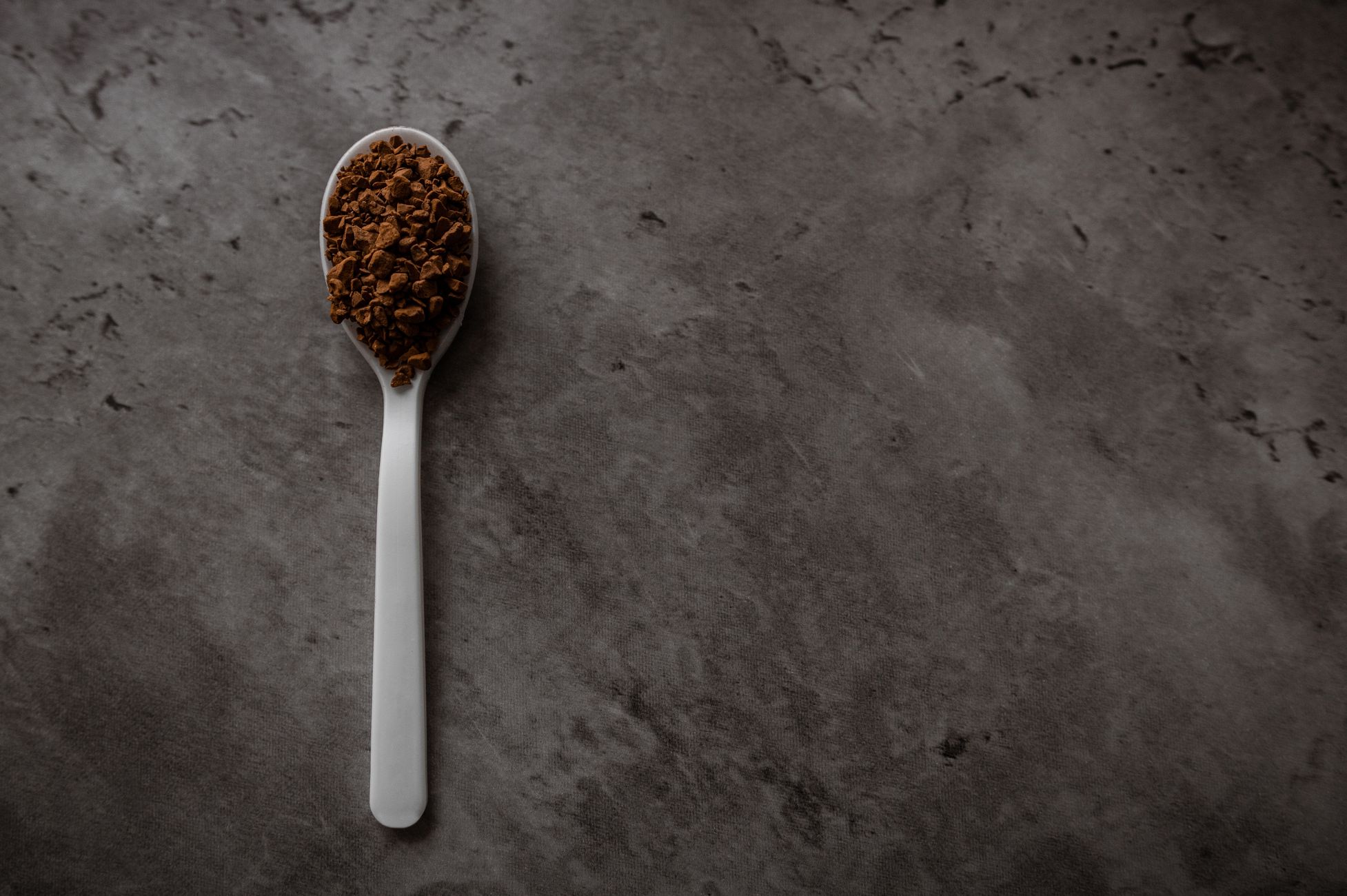
Instant coffee has spent decades as the punchline. It is what you find in a hotel room drawer, what your office keeps in a tin, what you drink when there is no other option and you resent every sip.
Then somewhere in the last several years, small roasters started putting single origin coffee into little foil sachets and charging real money for it. People who would not touch a jar of instant started keeping a box in their backpack. Something actually changed, and it is worth understanding what, because it also explains what did not change.
Shop whole bean coffee for the mornings that deserve it.
What Old Instant Coffee Was
Commodity instant is built around cost, shelf stability, and scale, in that order.
It usually starts with robusta or low grade arabica, chosen because it is cheap and yields well. The coffee gets brewed at industrial scale, often at very high temperature and pressure to pull the maximum possible solids out of the grounds, well past the point where a home brewer would stop. Efficiency is the goal, not flavor.
Then the water has to come out. The dominant method is spray drying: the concentrated coffee liquid gets sprayed as a fine mist into a chamber of hot air, and the droplets dry into powder almost instantly. It is fast and cheap.
It is also brutal on aroma. Coffee's aromatic compounds are volatile by definition, meaning they evaporate readily, and blasting a fine mist of coffee with hot air evaporates exactly those compounds along with the water. What survives is the heavy, bitter, roasty end of the spectrum. That flat, slightly burnt, one dimensional character is not a mystery. It is what is left after everything delicate has been driven off.

What Changed
Several things changed at once, and none of them individually would have been enough.
Better green coffee. Specialty producers put actual specialty coffee in. Washed Ethiopians, Colombians, single farm lots, coffee that would sell perfectly well as whole bean. If you start with a coffee that has fruit and sweetness, there is something worth preserving.
Freeze drying instead of spray drying. In freeze drying, the coffee concentrate is frozen solid, then placed under vacuum. The ice sublimates, going straight from solid to vapor without passing through a liquid phase, at low temperature. Because there is far less heat involved, far more of the aromatic compounds survive. This is the single biggest technical reason modern instant tastes like coffee.
Gentler extraction. Rather than maximizing yield, better producers brew the coffee closer to how you would want it brewed, accepting a lower yield in exchange for a cleaner, sweeter base. That is a direct cost decision in favor of flavor.
Real packaging. Individual sachets flushed with nitrogen, sealed against oxygen and moisture. A big jar that gets opened every morning is stale within weeks. A single serve foil packet is basically inert until you tear it.
Aroma recapture. Some producers capture the volatile aromatics driven off during processing and add them back to the finished product. It is imperfect but it helps.
Put all of that together and the result is not the same category of product wearing better clothes. It is a genuinely different thing that shares a name with the old one.
Where It Still Falls Short
Honest answer: it does not match a good fresh brew, and the gap is not going away.
Aromatics. Even freeze drying loses some. Coffee's most fragile compounds are lost the moment they are separated from the liquid, and no recapture process returns all of them. Instant almost always smells less than the same coffee brewed fresh, and since a large portion of what you perceive as flavor arrives through your nose, that loss shows up in the cup.
Body and texture. Brewed coffee carries suspended solids and oils that give it weight. Most of that is filtered out or lost during processing. Instant tends to feel thinner in the mouth, a little more like tea, even when the flavor is good.
Time. These products get made in a batch, packed, and shipped, and then they sit. Freshness matters less than it does with whole bean, because the volatile losses already happened, but there is still a slow flattening over months.
Price per gram. A box of eight sachets often costs what a bag of excellent whole bean coffee costs. Per cup, specialty instant is one of the more expensive ways to drink coffee. You are paying for processing and portioning, and the value depends entirely on the situation.
Buy the bag for home, keep the sachets for the trail.
When It Is Actually the Right Choice
The mistake is judging instant against your kitchen setup. Judge it against the real alternative in the moment, and it looks very different.
Backpacking and camping. The competition is bringing a grinder and a dripper and boiling extra water, or drinking nothing. A sachet weighs almost nothing, produces no waste to pack out except the wrapper, and needs no gear.
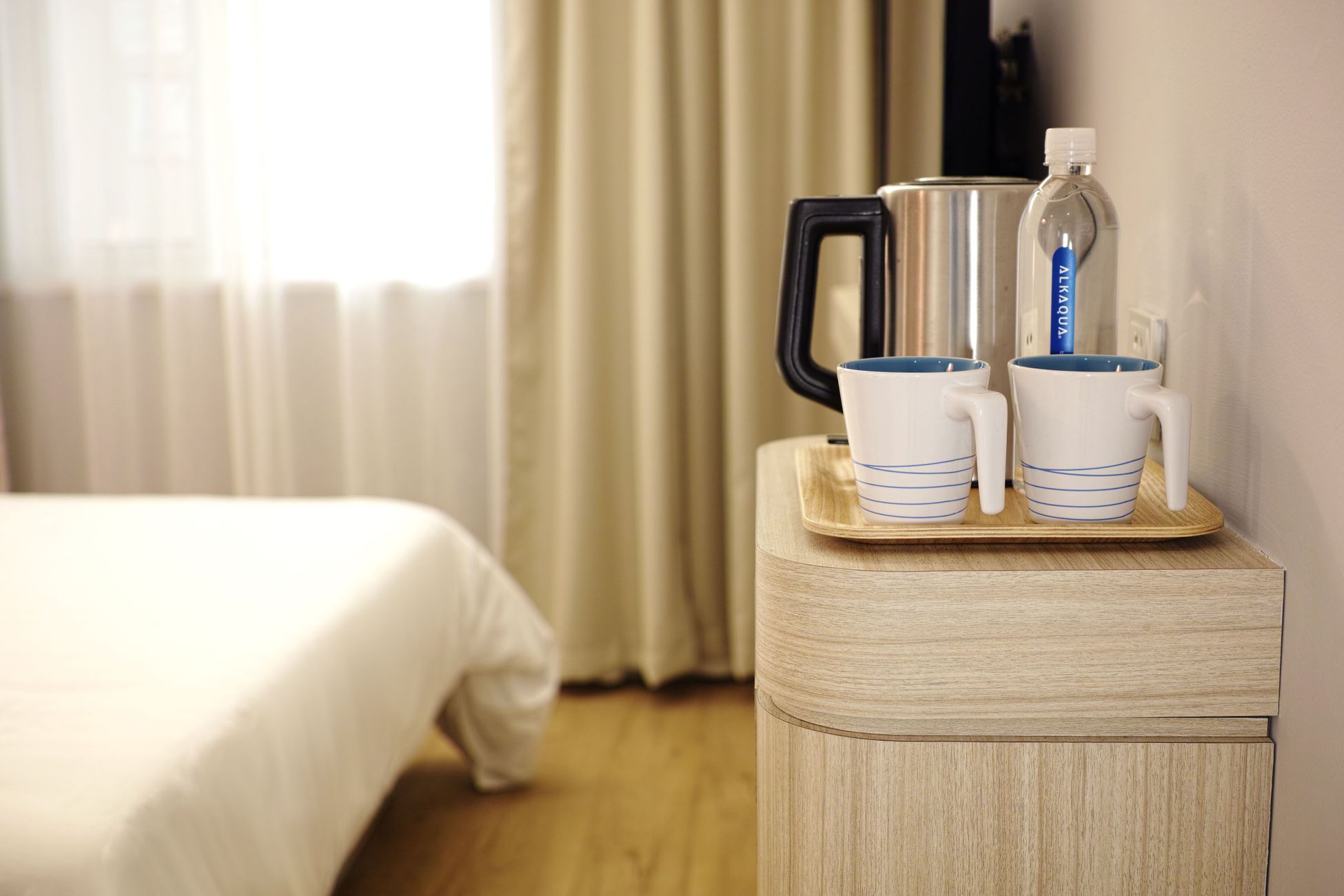
Travel. Hotel coffee is genuinely bad and hotel rooms have a kettle. This is the single best use case and the reason most people who carry sachets started.
The office. If the alternative is the communal pot that has been sitting on a burner since seven in the morning, a sachet is a clear upgrade.
Cooking and cold drinks. Instant dissolves completely, which makes it useful in baking, in tiramisu, in a quick iced coffee, and in whipped coffee drinks. No brewing, no straining, precise control of strength.
Early mornings and shared spaces. Grinders are loud. Sometimes the right call is not waking the house.
How to Make It Taste Its Best
Small adjustments make a real difference here.
Use good water. With brewed coffee, water quality matters. With instant, it matters more, because the coffee has less going on to cover for a bad mineral profile. Filtered water, always.
Do not use boiling water. Let the kettle sit for thirty seconds. Boiling water on delicate freeze dried coffee scalds it and pushes it bitter, the same way it would with a light roast in a dripper.
Get the ratio right and treat it as adjustable. Most sachets suggest a water volume and most of those suggestions produce a cup that is too weak. If it tastes hollow, use less water rather than assuming the coffee is bad. Around 200 to 250 milliliters per standard sachet is a reasonable starting point, and going down from there is fair game.
Add the coffee to the cup, then the water, then stir properly. Undissolved clumps sitting at the bottom mean the cup you drank was weaker than the one you made.
Try it iced. Dissolve in a small amount of hot water first, then pour over ice and top with cold water or milk. This is where specialty instant performs closest to fresh brewed, because chilled coffee reads more on sweetness and acidity than aromatics.

The Reasonable Position
Specialty instant is a legitimately improved product, not a marketing exercise. Freeze drying, better green coffee, and sealed single serve packaging solved most of what made old instant unpleasant.
It is still a compromise, and the compromise is aroma and texture. That is fine. Nobody should be replacing their morning ritual with a sachet, and nobody selling this stuff seriously suggests you should.
Keep a box where good coffee is otherwise impossible. Keep whole bean where it is not. The point of the category is not to win a taste test at your kitchen counter. It is to make sure that when you are on a mountain or in a hotel or at a desk at 4pm, the coffee you drink is something you chose rather than something you settled for.
All images shown in this blog are sourced from pexels.com.