

There is a moment at the shelf that stops a lot of people. One bag is eight dollars for two pounds. The bag next to it is twenty two dollars for twelve ounces. Same plant, same brown beans, roughly the same amount of caffeine at the end of it. The math feels absurd. What could possibly justify a price that works out to three or four times as much per cup.
It is a fair question, and it deserves a real answer instead of a marketing shrug. Specialty coffee costs more because almost everything about how it is grown, bought, roasted, and handled is different from the commodity product in the big can. The price is not a premium for a logo. It is what it costs to keep a coffee tasting like a specific place instead of tasting like generic brown liquid. Here is where the money goes, step by step.
If you want to taste what that difference buys before you finish reading, start with one of our most popular roasts and pay attention to how different it is from the can.
It Starts With How the Cherry Is Picked
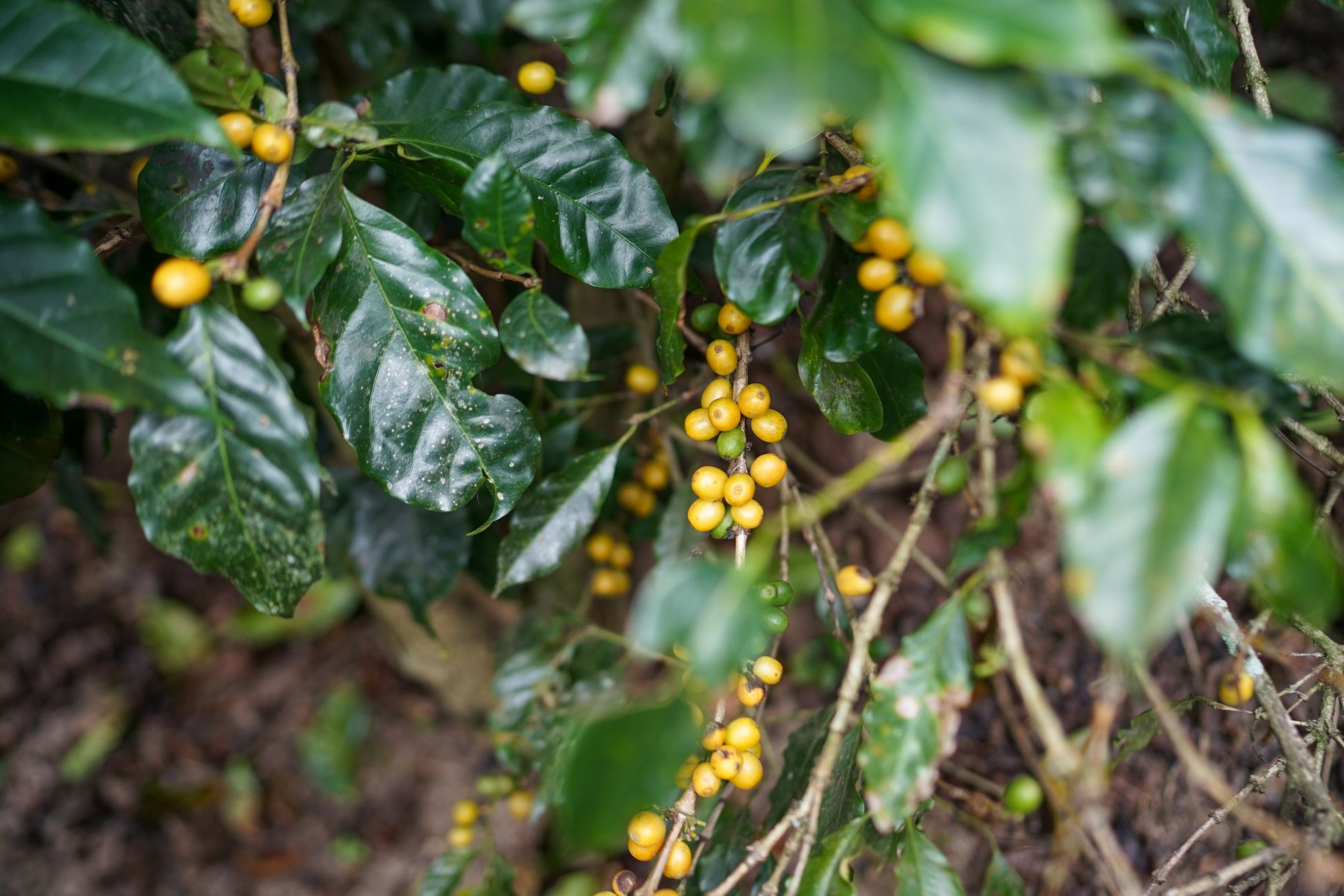
Coffee grows as a fruit, a cherry, and inside each cherry are the two seeds we call beans. On a commodity farm, cost is everything, so cherries are often strip picked. A worker runs a hand down the branch and takes everything at once, ripe, underripe, and overripe together. It is fast and cheap, and it means every batch is a mix of maturity levels, which is a mix of flavors, some of them bad.
Specialty coffee is usually selectively picked. Workers walk the same trees multiple times across a season and take only the cherries that are perfectly ripe, leaving the rest to mature. That is far more labor for far less volume per pass. Ripe cherries have more developed sugars, and sugar is where sweetness and complexity in the cup come from. The picking alone is a real, unavoidable cost, and it is the first place the two products split apart.

Processing Is Slow, Careful, and Easy to Ruin
After picking, the fruit has to come off the seed and the seed has to dry. This step, called processing, is where a lot of a coffee's character is made or destroyed, and doing it well is expensive.
A washed coffee gets its fruit removed and then ferments in tanks under watched conditions before drying evenly on raised beds or patios, turned by hand so it does not mold or dry unevenly. A natural coffee dries with the whole fruit still on, which takes weeks of constant attention to keep it from rotting. Either way, the difference between a clean, sweet lot and a moldy, fermented mess is human attention across many days. Commodity processing cuts those corners because the buyer is not paying for the difference. Specialty processing pays people to stand over the coffee and get it right.
The Farmer Actually Gets Paid
This is the part that gets skipped most often, and it matters most. Commodity coffee is priced against a global market number called the C price, which swings with speculation and has, for long stretches, sat below what it actually costs a farmer to grow the coffee. That is not a sustainable way to produce anything good. It pushes farms toward volume and away from quality, and it pushes the next generation off the land entirely.
Specialty coffee, especially coffee bought through direct trade relationships, pays well above that commodity number. A roaster who visits a farm, tastes the harvest, and pays a price tied to quality is giving the farmer a reason to keep picking selectively, processing carefully, and investing in better varieties. That higher farm gate price is baked into your bag. You are paying for the coffee to keep existing at this level, and for the person who grew it to want to grow it again next year.
Look at where our coffees come from and you will see relationships, not just origins.
Better Beans, Grown Higher, Take Longer
Specialty coffee is overwhelmingly arabica, and often specific arabica varieties chosen for flavor rather than yield. Many of the best are grown at high altitude, where cooler temperatures slow the cherry's maturation. Slower growth builds more sugar and more of the acids that later read as brightness and clarity in the cup, and it produces a denser, more flavorful bean.
The trade is that high altitude farms are harder to work, harder to harvest, and produce less per tree. A variety chosen for cup quality often yields less and resists disease worse than the workhorse plants grown for volume. Every one of those choices favors flavor over efficiency, and flavor over efficiency always costs more. That is the whole bargain of specialty coffee in a sentence.
Roasting for Character Instead of Speed
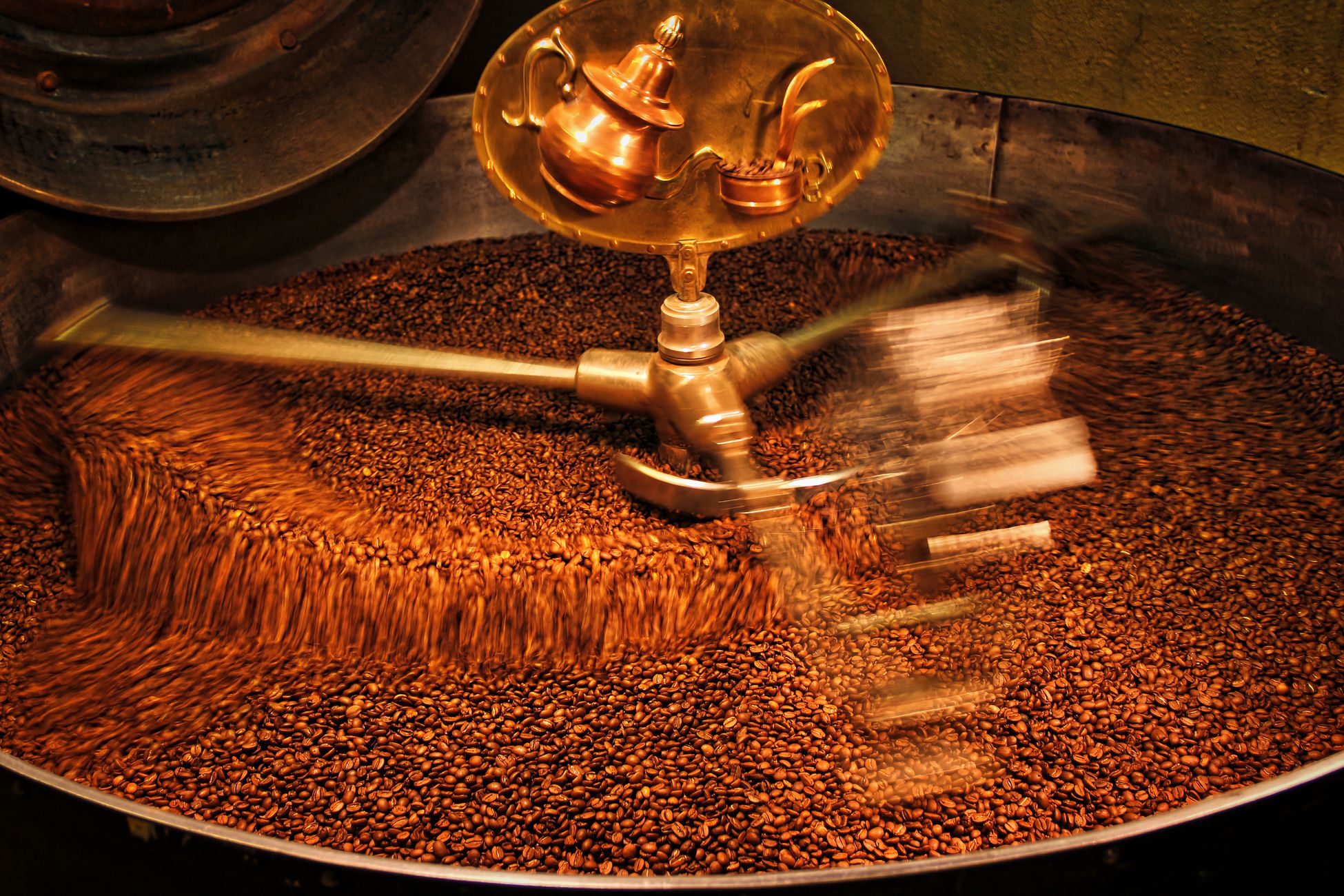
Once green coffee reaches the roaster, the two worlds diverge again. Large commodity operations roast enormous volumes fast and dark, partly because a dark roast flattens out inconsistency. When your green coffee is a blend of who knows what, roasting it hard hides the flaws under a uniform roasty taste. It is efficient, and it erases origin character completely.
A specialty roaster is doing close to the opposite. Small batches, careful profiles built for each specific coffee, roasted to preserve the sweetness and acidity the farm worked to create. That means more time per pound, more skill per batch, more coffee spent on testing and dialing in, and more that gets rejected when a roast does not land. Roasting well is slow, and slow is expensive, and it shows up in the cup as a coffee that tastes like somewhere in particular.
Freshness Costs Money Too
Commodity coffee is built to sit. It is roasted dark, sealed, and shipped to sit on a shelf for months, and its flavor was never delicate enough to lose much in the waiting. Specialty coffee is the opposite. It is at its best in the weeks right after roasting, which means it has to move. Roasting to order, printing roast dates, shipping quickly, and selling through before the coffee fades all add cost and cut the margin for error.
That freshness is a big part of what you are tasting when a specialty cup seems to have more going on. It is not only better coffee. It is better coffee that reached you before it went quiet. A cheaper bag with no roast date has almost certainly given up most of its aromatics before you ever opened it.
What You Are Actually Buying
Add it up and the price stops looking absurd. Selective hand picking. Careful multi week processing. A fair price to the farmer that keeps the whole thing viable. Better varieties grown slower at altitude. Small batch roasting built to protect flavor. Fast, fresh distribution. None of those is a luxury markup. Each is a real cost that a commodity product avoids by accepting a worse cup.
There is also a per cup reality worth sitting with. A twenty two dollar bag of twelve ounces still makes somewhere around twenty to twenty four solid cups of coffee at home. That is roughly a dollar a cup for something that beats most of what you would pay four or five dollars for at a counter. Framed against the can it looks expensive. Framed against the cafe it looks like the best coffee deal you have.
Specialty coffee costs more because it refuses the shortcuts that make cheap coffee cheap. You are not paying for a fancier version of the same thing. You are paying for a fundamentally different thing, made by people who care at every step, and priced so they can afford to keep caring. Once you taste the gap, the number on the bag starts to make sense.
Taste where the money goes for yourself
All images shown in this blog are sourced from pexels.com.