

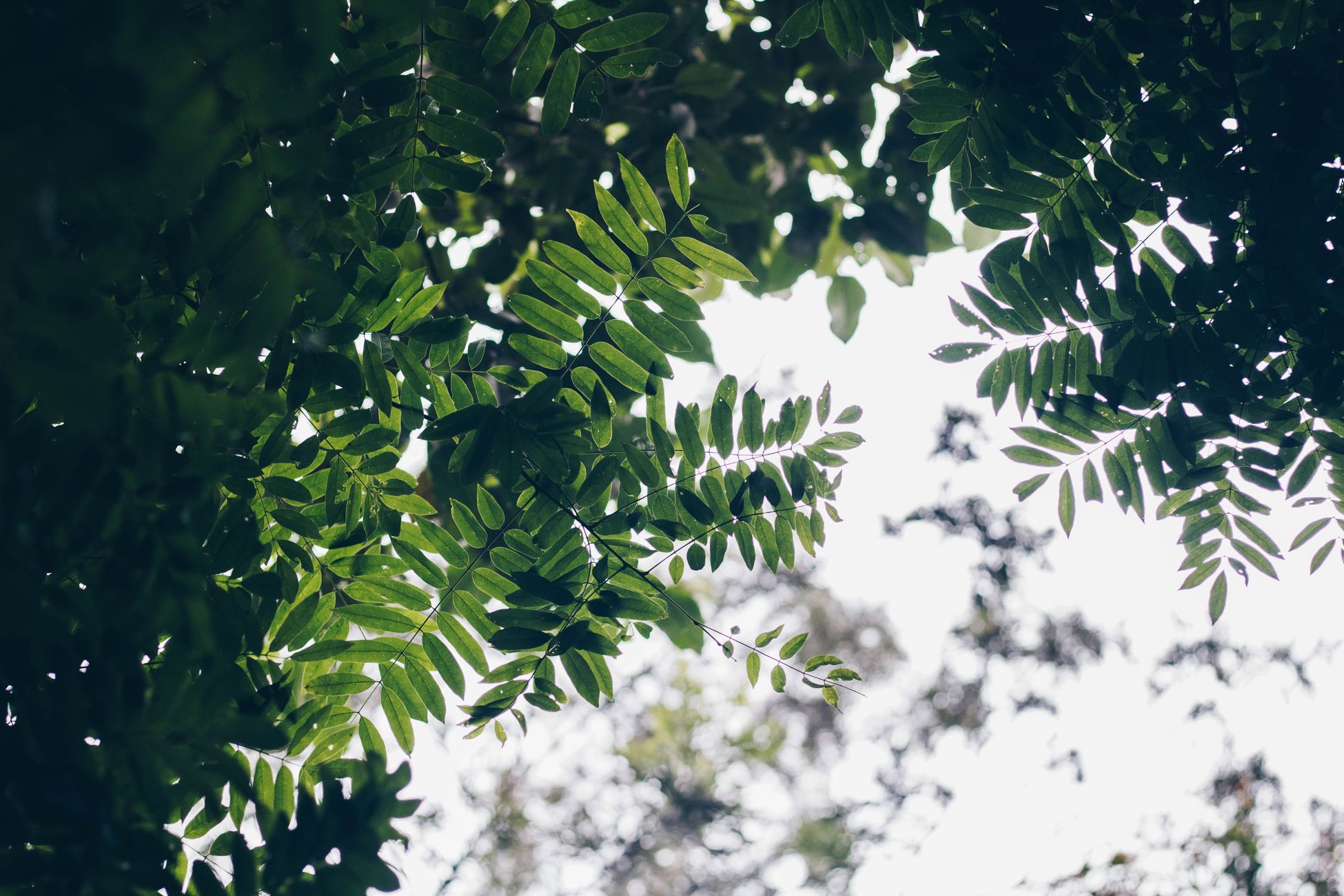
You will sometimes see the words shade grown on a bag of coffee, usually near a picture of a bird or a leafy canopy, and it is easy to file it away as a feel good label, the coffee equivalent of a nice sticker. It is more than that. Whether coffee grows under a canopy of shade trees or out in full open sun is one of the biggest decisions a farm makes, and it changes the plant, the flavor in your cup, and the land around it. Once you understand what shade actually does, that little label starts telling you something real about the coffee inside.
The difference between shade grown and sun grown coffee is not marketing. It is two genuinely different ways of farming that produce genuinely different cups, and the reasons trace all the way back to how the coffee plant evolved. Here is what is going on, and why it ends up on your tongue.
The clearest way to understand it is to taste a carefully grown coffee. Start with one of our most popular roasts and notice the depth that careful growing builds.
Coffee Was Born in the Shade
Start with the plant's nature, because it explains everything else. Coffee originally grew as an understory shrub in the forests of Ethiopia, living beneath a canopy of taller trees. It evolved to thrive in dappled, filtered light, not blazing open sun. Shade is its native condition. Growing coffee under shade trees, then, is closer to how the plant is built to live.
For a long time, essentially all coffee was grown this way, under a canopy, mixed in with other trees. The shift toward full sun came later, driven by a desire for higher yields. Certain coffee varieties were bred to tolerate direct sun and to produce much more fruit when packed densely into open fields. Sun grown coffee can produce more per acre, which is the whole reason the method exists. But pushing a shade loving plant into full sun changes how it grows, and those changes reach all the way into the cup.
Why Shade Slows the Cherry Down
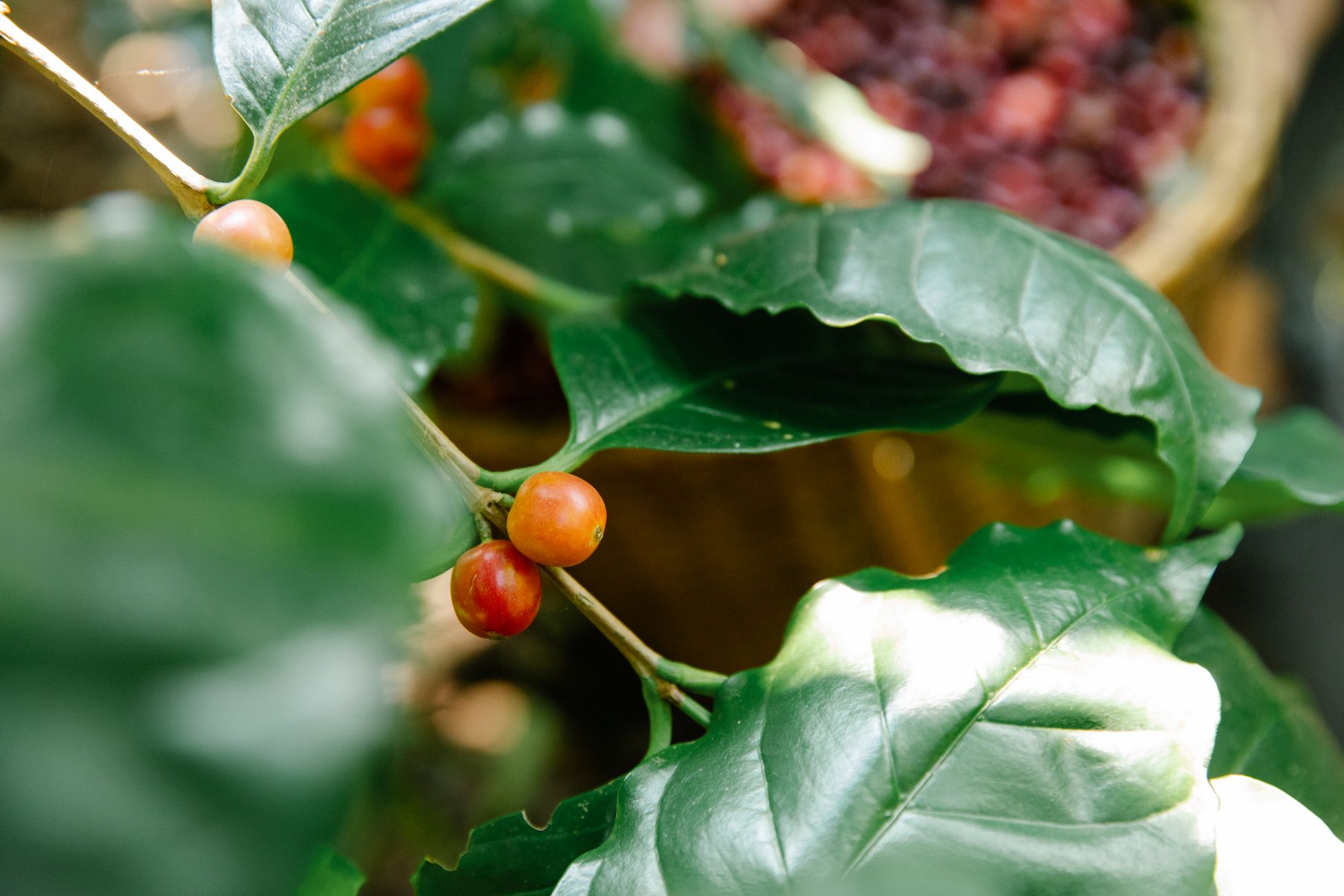
Here is the mechanism that matters most for flavor. Under a canopy, the environment is cooler and more stable. The shade moderates temperature, softens the intensity of the sun, and slows everything down, including how fast the coffee cherries ripen. Shade grown cherries mature more slowly than cherries baking in open sun.
That slow maturation is the key. When a cherry ripens slowly, the seed inside has more time to develop and accumulate sugars and the compounds that later become flavor and aroma. It is the same principle that makes high altitude coffee taste better, where cool mountain temperatures slow ripening and build complexity. Shade does something similar at the level of the individual tree, cooling its little world and giving the fruit time to develop fully. Sun grown cherries, ripening fast under intense heat, have less time to build that depth, which tends to make for a cup that is often a bit flatter and less complex, even if the tree produced more of it.
See the coffees our customers return to and taste what unhurried ripening can do.
The Taste in the Cup
So what does this actually mean when you drink it? Shade grown coffee, thanks to that slower, fuller development, tends to have more sweetness, more body, and more complexity, with the layered, nuanced flavors that specialty coffee is prized for. The extra time on the tree translates into more of the good stuff in the seed. Many of the world's most celebrated coffees are shade grown, and that is not a coincidence.
Sun grown coffee, ripened quickly and pushed for volume, more often leans toward a simpler, more straightforward cup. It can still be perfectly good coffee, and plenty of sun grown coffee is well made, but as a general rule the intense heat and fast ripening of full sun favor quantity over the slow built complexity that makes a cup memorable. This is a tendency, not an ironclad law, since altitude, variety, processing, and roasting all matter too. But given everything else equal, the shade is doing real work for flavor.
It Is Not Just About the Cup
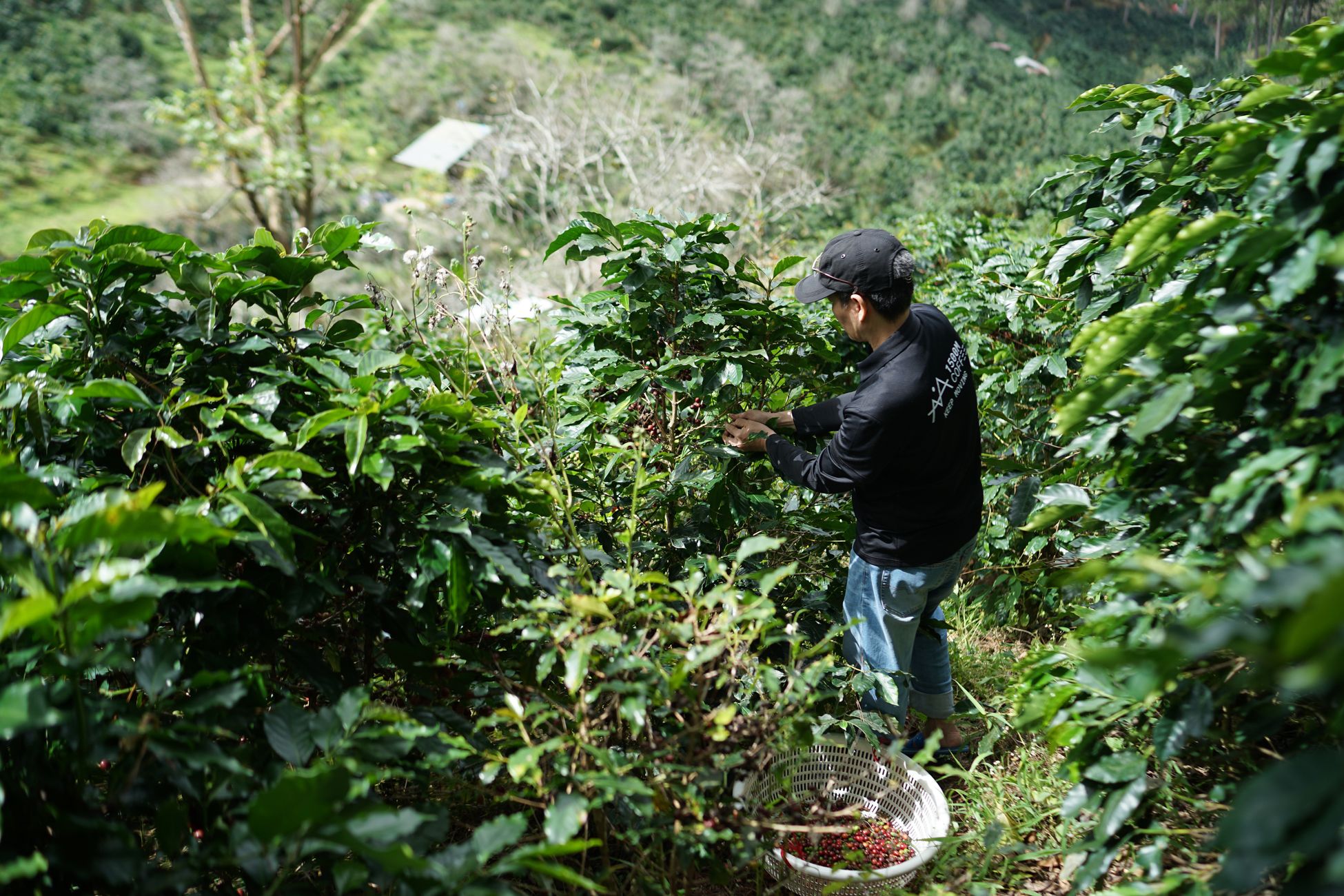
The shade grown label carries meaning beyond flavor, and it is worth knowing because it is part of what you support when you buy it. A shade grown farm, with its canopy of diverse trees, is close to an actual forest ecosystem. Those trees provide habitat for birds, insects, and other wildlife, which is why shade grown coffee is often linked to bird friendly certifications. Migratory birds in particular depend on these forested coffee farms as habitat, which is why you often see a bird on the bag.
The canopy does more. The trees drop leaves that enrich the soil, their roots hold the soil in place and reduce erosion, and the shade helps the land retain moisture. This often means shade farms need fewer chemical fertilizers and less irrigation, because the ecosystem does some of that work naturally. Full sun monoculture, by contrast, strips out the canopy, which tends to demand more chemical inputs to keep the densely packed plants productive and can wear down the soil over time. So when you choose shade grown, you are often choosing a farming style that is gentler on the land and richer in life, not only one that tends to taste better.
Shade Also Helps the Coffee Survive
There is a longer game at work too, and it is becoming more important every year. Coffee is a sensitive crop, and a warming climate is squeezing the regions where it can grow well. A shade canopy acts like a buffer against that stress. The trees moderate temperature swings, protect the coffee plants from heat spikes and harsh sun, shield them from wind, and help the ground hold water through dry spells. A shaded farm is simply a more stable, more resilient place to grow coffee as conditions get harder.
That resilience matters for the person drinking it, not only the person farming it. Shade grown systems tend to keep producing quality coffee through the kind of weather that pushes exposed, sun grown monocultures into trouble. When you choose shade grown, you are quietly supporting the farming style most likely to keep good coffee coming from a given region in the years ahead. It is one of the rare cases where the choice that tastes better, the choice that is kinder to the land, and the choice that is more durable over time all happen to be the same choice.
How to Find It and What to Expect
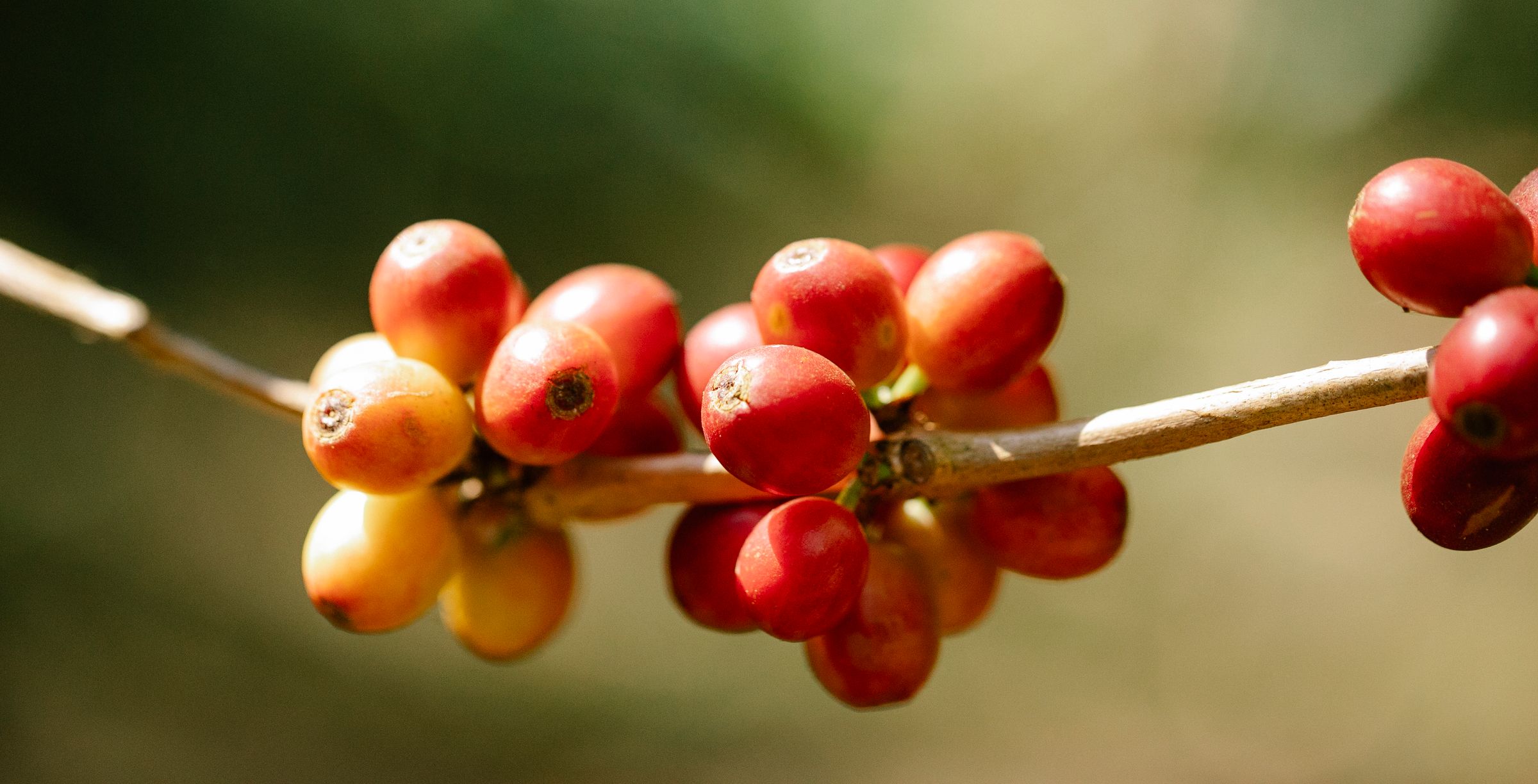
If this appeals to you, look for shade grown or bird friendly language on the bag, and know that a lot of high quality specialty coffee is grown under shade even when it does not shout about it, because quality focused farms often favor the method for exactly the flavor reasons described here. Origin can be a clue too, since many traditional growing regions have long farmed under canopy. When in doubt, a roaster who cares about sourcing can usually tell you how a given coffee was grown.
Set your expectations sensibly. Shade grown is not a magic word that guarantees a perfect cup, because a shade grown coffee that is roasted badly or brewed carelessly can still disappoint. What it tells you is that the coffee was likely grown slowly, thoughtfully, and in a way that favors complexity and supports the surrounding ecosystem. Pair that with good roasting and fresh, careful brewing, and you get the full payoff, a cup with real depth and a way of farming worth rooting for. That little bird on the label turns out to be pointing at something you can actually taste.
Taste coffee grown the slow way
All images shown in this blog are sourced from pexels.com.