

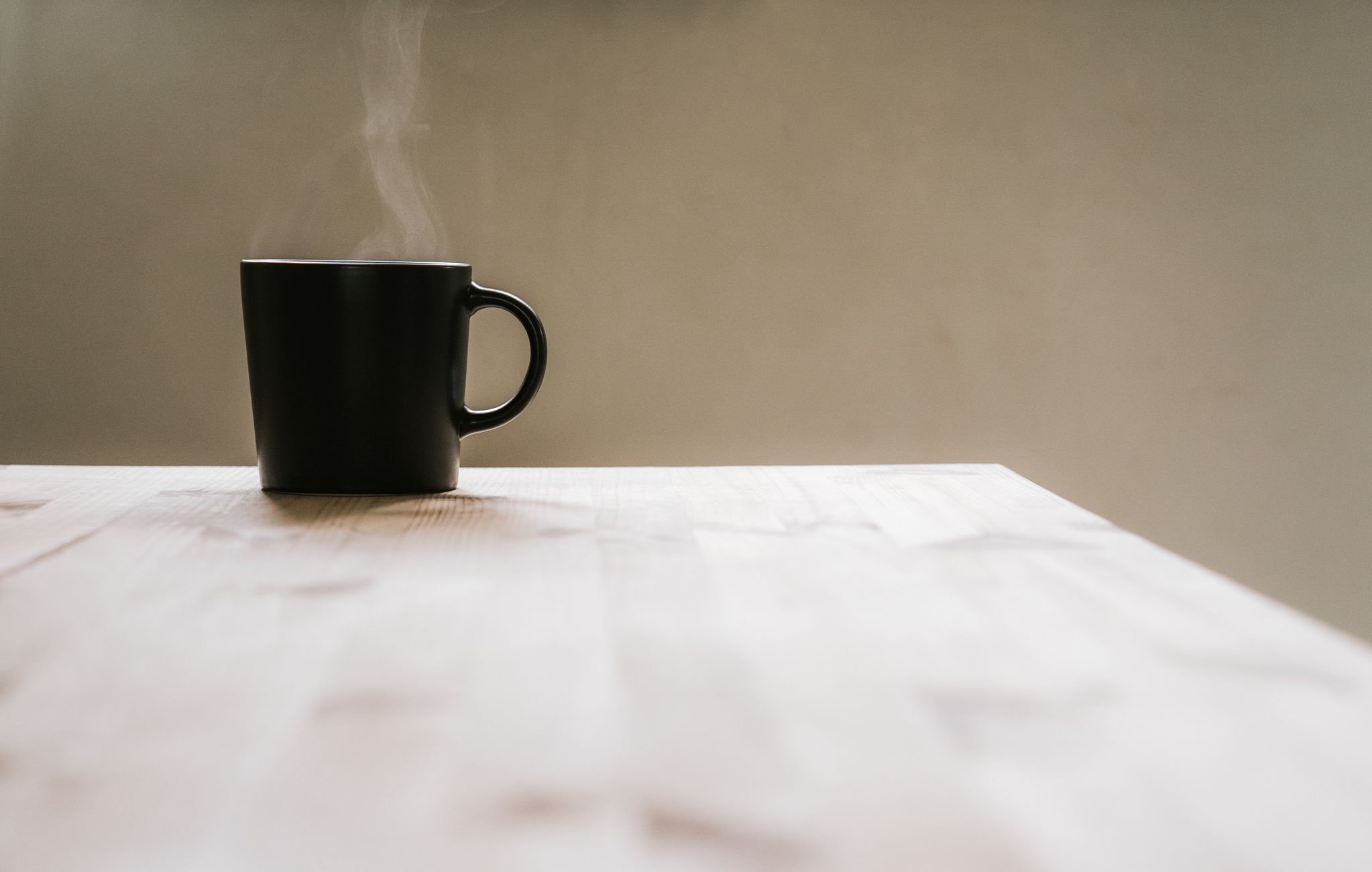
You spend money on good beans. You weigh the dose, you control the water, you time the brew. Then you pour it into a cold ceramic mug that has been sitting on the shelf all night, and give away a chunk of what you just made.
This is the least glamorous fix in coffee and one of the most reliably noticeable. It takes fifteen seconds, costs nothing, and most people skip it because it feels like a detail that could not possibly matter.
Start with coffee worth serving properly.
The Physics Is Simple and the Numbers Are Bigger Than You Expect
A ceramic mug has thermal mass. Cold ceramic in contact with hot liquid does exactly what you would expect: heat moves from the liquid into the mug until they equalize.
The size of that loss depends on how much ceramic there is relative to how much coffee. A thick, heavy diner style mug holding a modest pour is the worst case, because there is a lot of cold material and not much hot liquid.
In practice, pouring brewed coffee at around 195 degrees Fahrenheit into a room temperature mug typically drops it 10 to 20 degrees almost immediately. Preheat that same mug and the drop shrinks to a few degrees.
That is not a rounding error. That is the difference between the first sip landing in the range where the coffee reads as sweet and aromatic, and landing in the range where it reads as slightly flat and muted.
Why Temperature Changes Flavor So Much
Your perception of coffee is not fixed. It moves with temperature, and it moves a lot.
Aromatic compounds are volatile, meaning they leave the liquid and reach your nose more readily when the coffee is hot. Most of what you experience as flavor comes through smell, so a cooler cup literally delivers fewer aromatics to the part of you that does most of the tasting.
Sweetness perception also shifts with temperature, as does the perception of acidity and bitterness. This is why a coffee tastes noticeably different at the beginning of the cup than in the middle, and why cupping protocols specify when to evaluate.
A cold mug does not just make coffee cooler. It skips a segment of the experience entirely. You never taste the version of that coffee that exists between 185 and 175 degrees, because your mug ate it in the first two seconds.
Espresso Is Where It Is Most Extreme
If preheating matters for filter coffee, it is close to mandatory for espresso, and the reason is volume.
A double espresso is somewhere around 36 to 40 grams of liquid. That is a tiny thermal mass hitting a much larger cold object. A room temperature demitasse can pull a shot down 20 degrees or more, and since the shot is already only a couple of ounces, it cools fast from there anyway.
The portafilter and basket matter for the same reason. Metal that has been sitting out of the group head goes cold, and the water passing through it gives up heat to the metal before it reaches the coffee. That is why baristas leave the portafilter locked into the machine between shots and why a first shot in the morning tastes different from the third.
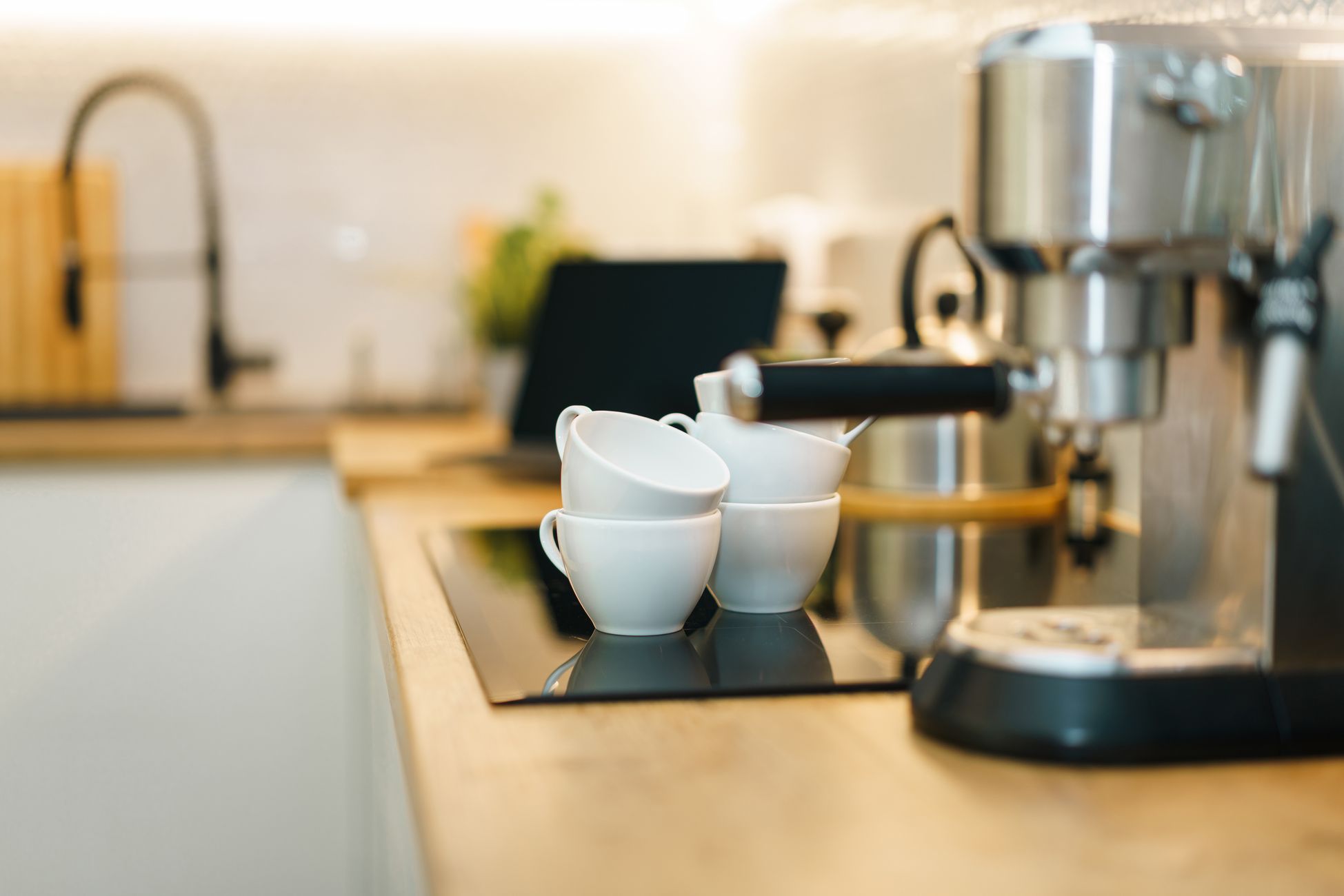
If you own an espresso machine and are not preheating both the portafilter and the cup, you are drinking a cooler, flatter, more sour version of what your machine can produce. Flush water through the empty portafilter into the cup, dump it, then pull the shot. That single habit fixes more home espresso complaints than most equipment upgrades.
The Carafe Is the Bigger Problem
For pour over, the cup is only half the issue. The server or carafe underneath the dripper is worse, because the coffee sits in it during the entire brew.
A glass server at room temperature is absorbing heat from every drop the moment it lands, for the full three to four minutes of the brew. By the time you pour, the coffee in that server has been cooling continuously since the first drip, and the earliest liquid, which is also the most concentrated and most aromatic, has been cooling longest.
Preheating the server is therefore more valuable than preheating the mug, and it is easier to do than you would think, because you should already be running hot water through the setup.
Find your next everyday coffee here.
The Rinse That Does Three Jobs at Once
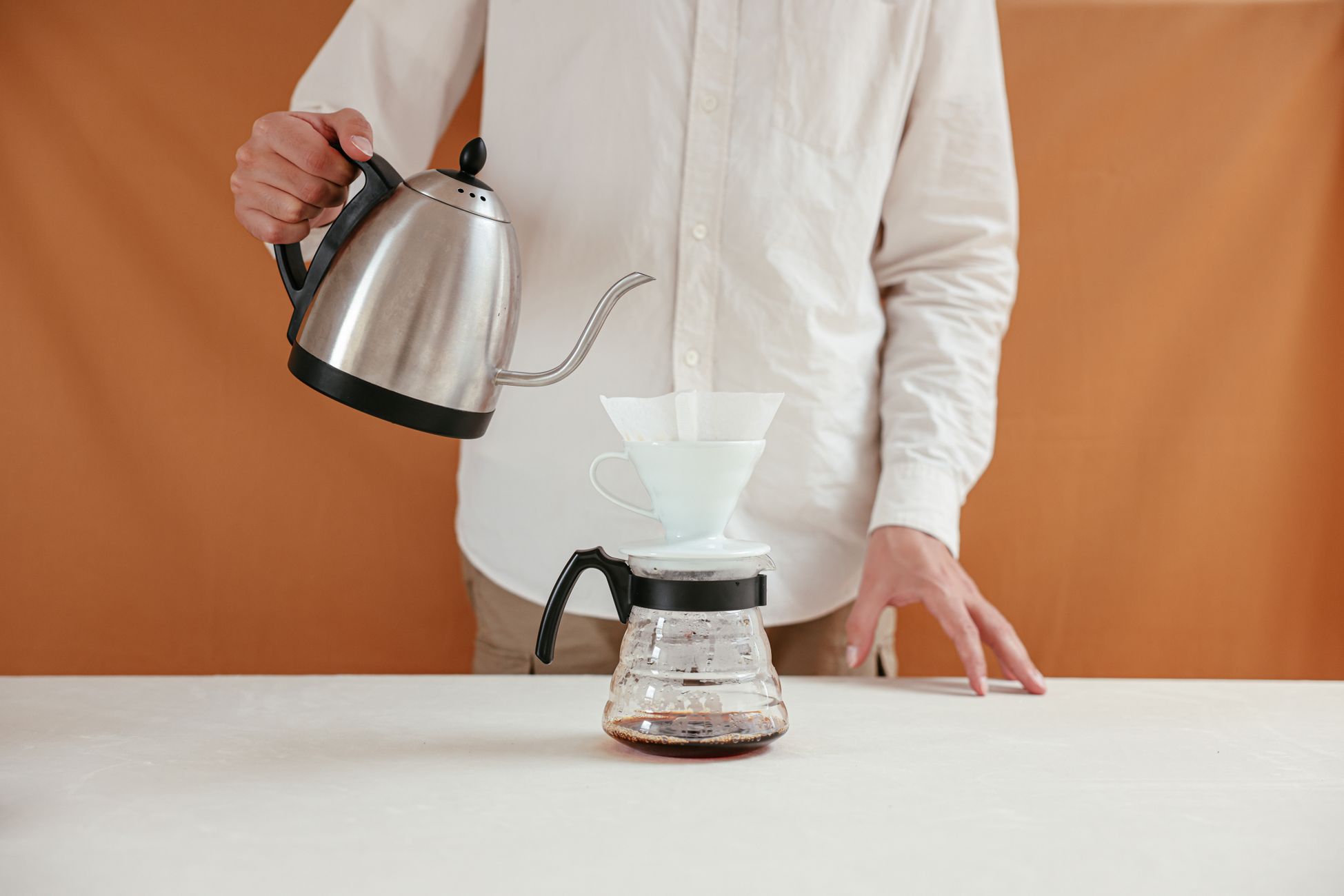
Rinsing the paper filter is standard advice for removing papery taste and seating the filter against the dripper. Do it over the server rather than the sink and it also preheats.
The full sequence takes no extra time:
1. Put the filter in the dripper, set the dripper on the server. 2. Pour hot water through the filter, enough to soak it thoroughly. 3. Let that water collect in the server. Swirl it around so it touches the walls. 4. Pour that water from the server into your mug, swirl it there too. 5. Dump it and start brewing.
One pour of hot water rinsed the paper, seated the filter, warmed the dripper, warmed the server, and warmed the mug. Nothing about your routine got longer, because you were heating extra water for the rinse anyway.
If you use a metal filter or a French press, skip step one and just do the rest. Fill the press with hot water, let it sit while you grind, dump it, then brew.
Materials Behave Differently
Not every vessel has the same problem.
Thick ceramic and stoneware hold the most heat and steal the most heat. They are the biggest beneficiaries of preheating and the worst offenders when cold.
Thin porcelain takes less heat to warm but also loses heat to the room faster once your coffee is in it. Preheating helps and matters slightly less.
Glass is a poor insulator, so a glass mug looks nice and goes cold quickly regardless.
Double walled vacuum vessels are the exception. A good insulated travel mug barely takes heat from the coffee and barely gives it to the room, which is why coffee stays hot in one for hours. Preheating them still helps a little for the same reason, but the effect is much smaller.
If you drink your coffee slowly, the vessel material matters as much as the preheat, because you are fighting a long cooling curve rather than a single moment of loss.
When Not to Bother
A couple of honest exceptions.
If you drink your coffee at a lower temperature by preference, and plenty of people do because a coffee at 150 degrees shows sweetness and complexity that scalding coffee hides, preheating is working against you. In that case the cold mug is doing you a favor.
If you add a substantial amount of cold milk, the preheat gets swamped by the milk. Warming the milk matters more at that point.
And if you are making iced coffee, obviously none of this applies, though brewing hot onto ice has its own set of ratios worth getting right.
The Reason It Is Worth Doing
There is a version of coffee obsession that is all purchases: better grinder, better kettle, better scale, better beans. Those things help.
Preheating is the other kind of improvement. It costs nothing, it requires no new object on the counter, and it recovers quality you already paid for and were throwing away at the last step. The coffee was good when it left the dripper. The only question was whether it was still good when it reached your mouth.
Run the rinse water through the server and into the cup. Dump it. Then pour. That is it.
All images shown in this blog are sourced from pexels.com.