

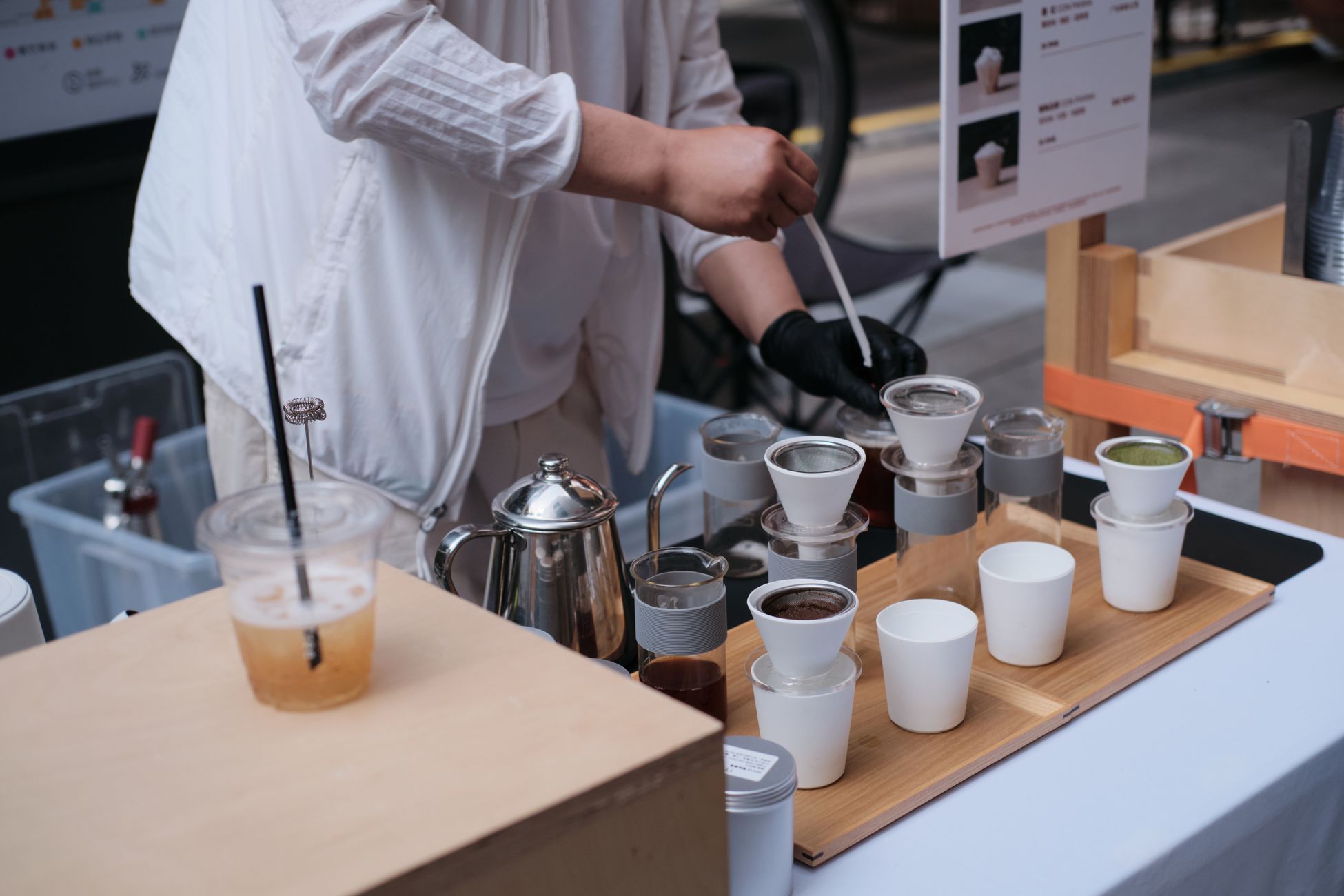
You order three bags at once because you want to compare. Saturday morning, you brew all three, taste them side by side, and reach a clear verdict. The first one is excellent. The second is decent. The third is a disappointment and you probably will not buy it again.
There is a good chance that verdict has almost nothing to do with the coffee. Tasting three coffees in a row, without a protocol, in a fixed order, reliably produces exactly that ranking regardless of which bag you put where. Your palate is a good instrument with a short attention span, and it degrades measurably over the course of a tasting.
Professionals know this, which is why cupping has a rulebook that looks fussy from the outside and exists entirely to work around the limits of human sensory perception.
Pick one coffee and give it your full attention.
Adaptation Is Automatic and You Cannot Feel It Happening
Your senses are built to report change, not absolute values. Continuous exposure to a stimulus causes the response to that stimulus to decrease. This is why you stop noticing a smell in a room after a few minutes and why you stop hearing a fan.
Taste does the same thing. Sustained exposure to bitterness makes bitterness register less strongly. Sustained exposure to acidity dulls your sensitivity to it. The receptors and the neural pathways behind them both adapt.
The insidious part is that adaptation is invisible from the inside. You do not experience your sensitivity dropping. You experience the third coffee as less interesting than the first, and that feels like a fact about the coffee. There is no internal signal saying your instrument has drifted.
This is why order matters so much and why blind, randomized, or rotated ordering is standard in any sensory evaluation that people take seriously.
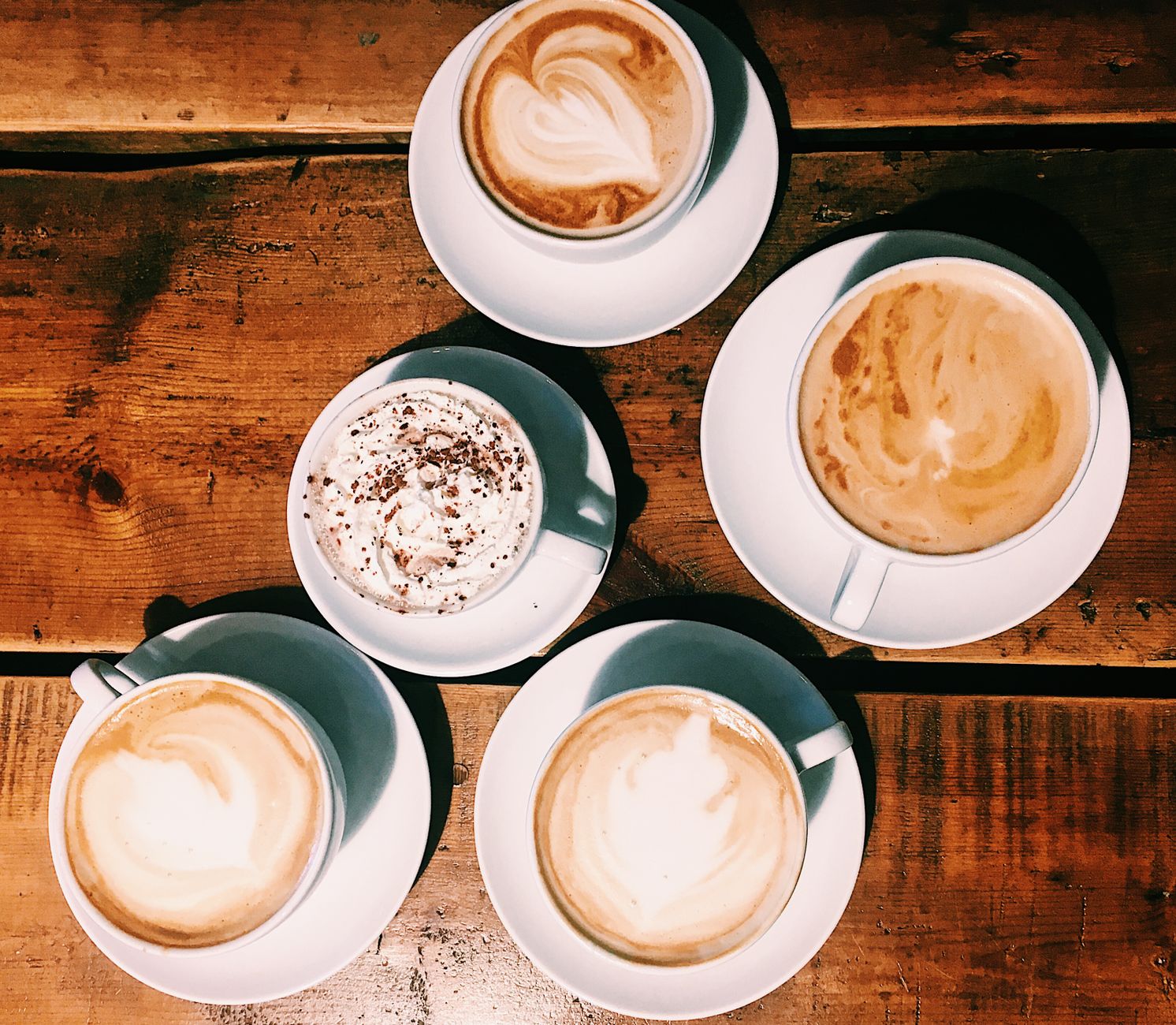
Astringency Accumulates and Takes a While to Clear
Adaptation is the general mechanism. Astringency is the specific one that does the most damage in coffee tasting, and it works differently.
Astringency is not a taste. It is a tactile sensation, the dry, rough, puckering feeling on the sides of your tongue and the inside of your cheeks. It is caused by compounds, notably polyphenols, binding to the proteins in your saliva. Those proteins are what make saliva slippery, and when they get bound up, the lubrication in your mouth drops and surfaces start feeling rough against each other.
Two things follow from that mechanism. First, astringency builds. Each sip binds more salivary protein, and your mouth does not restore its baseline instantly, because it has to produce fresh saliva to replace what got tied up. Second, recovery is slow, taking minutes rather than seconds.
So by your third coffee, you are evaluating it through a mouth that is already partly dried out. Any astringency in that coffee lands on top of accumulated astringency and reads as much more severe than it is. This alone is enough to make a perfectly good third coffee taste rough and unpleasant.
It is also why wine tasters spit and why coffee cuppers do, and it is a big part of why coffee competitions cap how many samples anyone evaluates in a session.
Your Sensory Memory Is Terrible
Even if your palate held perfectly steady, your ability to compare would not, because comparison requires memory and sensory memory is remarkably short.
You cannot hold the detailed impression of coffee number one in mind while carefully evaluating coffee number three. What you retain is a summary, usually a single judgment like bright and sweet, stripped of the detail that would let you make a real comparison. By the third sample you are comparing a live, detailed experience against a compressed label.
Two well documented biases pile onto this. Anchoring means the first sample sets the reference point and everything after gets judged relative to it rather than on its own terms. Recency means the most recent thing you tasted exerts outsized influence on your overall impression.
Both are reasons professional protocols insist on writing scores down immediately, before moving on, and before looking at what you wrote for the previous sample.
Caffeine Is Doing Something Too
There is a factor unique to coffee tasting that wine people do not have to manage.
By your third cup you have absorbed a meaningful dose of caffeine, and caffeine is a stimulant with real effects on attention and physiology. Some people become more alert and more discriminating. Many become slightly jittery, restless, and less patient, which is not the state in which anyone performs careful sensory work.
Caffeine also has its own bitterness, and it contributes to the accumulating bitter load. Professional cuppers spit partly to control this. Over a long session with dozens of samples, swallowing everything would be genuinely incapacitating.
Start with something worth tasting properly.
What Professionals Actually Do
The cupping protocol used across the industry is a list of countermeasures, and every element of it is there for a reason.
Standardized preparation. Same dose, same grind, same water, same temperature, same steep time for every sample, so the only difference is the coffee.
Small sips, aerated aggressively. Cuppers slurp loudly to spread the liquid across the whole palate and drive aromatics up into the nasal passage. The volume per sip is small.
Spitting. Almost always. This limits both caffeine load and cumulative astringency.
Rinsing between samples. Water at a neutral temperature. Some cuppers use plain crackers or bread to help reset the mouth.
Blind samples in rotated order. Nobody knows which cup is which, and different cuppers on the same table work in different orders so that position effects cancel out across the group.
Limited session length, with breaks. A typical session covers a bounded number of tables and then stops. Sessions are usually held in the morning, before the palate has been through a day of food and drink.
Scores written down immediately. Each sample gets recorded before moving on.
Repeated evaluation as the cup cools. Coffee is assessed at several temperatures, since sweetness and acidity present differently as it drops, and the cooling profile is itself informative.
Notice that almost none of this is about having a refined palate. It is about controlling the conditions so an ordinary palate can produce reliable data.
A Home Version That Actually Works
You do not need a cupping table. You need to stop doing the one thing that guarantees a bad result, which is tasting three or four coffees in one sitting and trusting the ranking.
Taste two, not four. Two samples is a comparison. Four is an endurance test with an unreliable outcome. If you have three bags, compare them in pairs over separate days.
Brew identically. Same brewer, same ratio, same grind setting, same water, same vessel. Any difference you did not intend becomes part of the difference you are measuring.
Sip small and rinse. Water between samples, and give yourself a minute rather than going straight from one to the next. If you notice your mouth feeling dry, stop and wait, because that is astringency accumulating and every subsequent judgment is compromised.
Write notes before you compare. Taste sample one, write what you noticed, then taste sample two and write again. Only then look at both sets of notes.
Reverse the order on a second day. This is the single most valuable habit here. If coffee A beats coffee B when A goes first, and B beats A when B goes first, the order was driving the result and you have learned nothing about the coffee yet. If the same one wins in both directions, that is a real finding.
Taste at the same temperature. Compare hot to hot and cool to cool, never one of each. Temperature changes perception enough to swamp real differences between coffees. And do taste them cool, because that is where sweetness and defects both become most obvious.
The Things That Wreck a Tasting Before It Starts
Some of the biggest influences on your palate happen before you brew.
Toothpaste, most obviously. Mint and the surfactants in toothpaste distort taste for a good while, and this is why cuppers avoid brushing right before a session.
Strongly flavored food, especially anything spicy, acidic, or very sweet. A session after a big breakfast is not a clean read.
Smoking, which dulls sensitivity substantially.
Being unwell. Any congestion at all cuts you off from most of what you think of as flavor, because the majority of it arrives through your nose rather than your tongue.
Time of day, which is why professional cupping happens in the morning.
The Reframe Worth Adopting
Here is the conclusion that most improved my own coffee, and it is slightly anticlimactic: side by side comparison is a professional tool for a professional purpose, which is buying coffee. It is not the best way to enjoy or understand coffee at home.
Drinking one coffee for several mornings in a row teaches you more than a lineup does. You get to see how it behaves at different grind settings, whether it improves as the bag rests, how it changes as the cup cools, and what it does on a morning when you are paying attention versus a morning when you are not. That is real knowledge about a coffee, accumulated under varied conditions, with a fresh palate every time.
The lineup gives you a ranking produced by a tired mouth in a fixed order. One of those is worth more.
The Short Version
Your palate adapts to continuous exposure, astringency accumulates faster than your saliva recovers, your sensory memory is short, and caffeine is working on you the whole time. The third coffee in a lineup is at a structural disadvantage that has nothing to do with what is in the bag.
Compare two at a time, brew them identically, write notes before you compare, and reverse the order on another day. Or skip comparing altogether and give one bag a week. You will learn more, and you will stop dismissing good coffee for being third in line.
All images shown in this blog are sourced from pexels.com.