


Walk into any conversation about brewing and you will hear people compare a French press to a V60 as though they are two products competing for the same job. They are not. They belong to two different families of extraction, and they behave according to different rules.
Once you can tell which family a brewer belongs to, troubleshooting gets dramatically simpler. You stop guessing at random adjustments and start turning the knob that actually applies.
Start with coffee worth the effort.
The Two Families
Immersion means the coffee sits in the water for the whole brew. The grounds and the water share one container, everything steeps together, and at the end you separate them.
French press, cupping bowls, cold brew, the Clever Dripper, and most of what an AeroPress does are immersion.
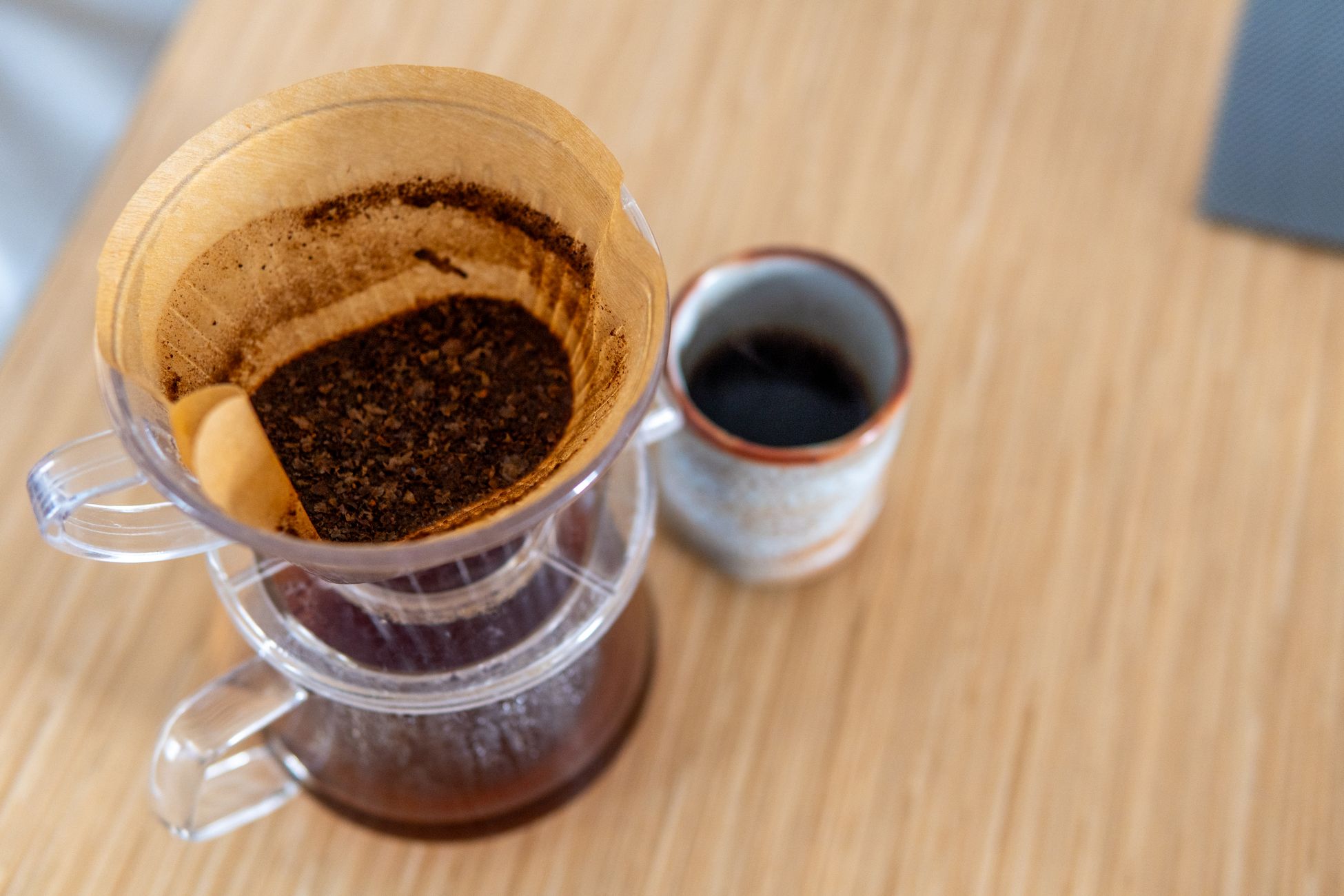
Percolation means water passes through a bed of coffee and keeps moving. Fresh water enters at the top, flows down through the grounds, and exits as brewed coffee at the bottom. The coffee never sits in a static pool.
Pour over, automatic drip machines, espresso, and the moka pot are percolation.
That difference sounds small. It is not, because it changes what the water is doing at every moment of the brew.
What Changes When Water Sits Still
In immersion, all the coffee is exposed to the same water for the same amount of time. As soluble compounds leave the grounds, the surrounding water becomes more concentrated. Extraction is driven by the difference in concentration between the inside of a coffee particle and the liquid around it, and as that liquid saturates, the gradient shrinks and extraction naturally slows down.
That self limiting quality is why immersion is forgiving. Leave a French press an extra minute and the cup gets a bit stronger and a bit more bitter, but it does not fall apart. The system is pulling toward equilibrium the whole time.
It also means everything in an immersion brew is uniform. Every particle sits in the same bath. There is no top of the bed and bottom of the bed, no fast channel and slow channel. Uniformity is the great strength of the method, and it is why professional cupping, the standard evaluation format across the entire industry, uses immersion. When you want to judge the coffee rather than the technique, you remove technique from the equation.
What Changes When Water Keeps Moving
In percolation, the water is always fresh. Clean water enters at the top of the bed and immediately begins extracting. By the time it reaches the bottom it is carrying dissolved coffee, but the grounds at the very top just met water that had nothing in it at all.
That constant renewal keeps the concentration gradient steep, which makes percolation more aggressive per unit of time. It also means percolation does not self limit the way immersion does. Keep water flowing through a bed and it will keep pulling, past the point where anything good is left, into the harsh late stage compounds.
And uniformity goes out the window. The coffee at the top of the bed sees the most water. The coffee in the center sees a different flow path than the coffee at the edges. If the water finds a low resistance channel, part of the bed gets over extracted while part gets barely touched, and both problems show up in the same cup at the same time.
Percolation gives up forgiveness in exchange for control and clarity. When it is done well, it produces a cleaner, more articulated cup than immersion can, because you can shape the extraction as it happens.

The Knobs Are Different
This is the practical payoff.
In an immersion brew, your primary variables are time and ratio. Grind matters, but the mechanism is simple: finer means more surface area means faster extraction. There is no flow rate to worry about, because nothing is flowing. If your French press tastes weak, steep longer or use more coffee. If it tastes harsh, steep less or grind coarser. Two knobs, both intuitive.
In a percolation brew, grind size does two jobs at once, and this trips people up constantly. Grind controls surface area, same as immersion. But grind also controls flow rate, because finer particles pack tighter and resist water more. Go finer in a pour over and you have simultaneously increased extraction potential and slowed the water down, which increases contact time, which increases extraction again. The two effects compound.
That is why pour over adjustments feel touchier than French press adjustments. You are moving two things with one dial.
It is also why a stalled pour over and a fast pour over both taste bad for different reasons. A stall means the bed is choked and the water is sitting where it should be moving, extracting late stage bitterness. A fast draw means water raced through and left sweetness behind, giving you sour, thin coffee.
Diagnosing a Bad Cup by Family
Say your coffee tastes wrong. Here is the shortcut.
If you are brewing immersion and it tastes sour and thin, the fix is more time, finer grind, or hotter water, in roughly that order. If it tastes bitter and drying, less time or coarser grind.
If you are brewing percolation and it tastes sour and thin, check the drawdown time before you change anything. If the brew finished fast, the water did not stay long enough, so go finer or slow your pour. If the brew was slow and it still tastes sour, your water was probably too cool or the ratio was off, because a slow brew that still under extracts means the water was not working hard.
If percolation tastes both harsh and sour at once, that is the signature of uneven extraction. Not too much or too little, but both in the same cup. The cause is almost always channeling from an uneven bed, poor distribution, or a badly clumped grind. Fixing that means better pour technique and a more even bed, not a grind change.
Good beans make troubleshooting a lot shorter.
Where the Hybrids Live
A few brewers sit between the families on purpose.
The AeroPress is mostly immersion, but the final press pushes water through the bed, adding a short percolation phase. Inverted brewing leans further toward pure immersion. The plunge speed is a real variable.
The Clever Dripper is immersion with a valve. Coffee steeps in a cone with the outlet closed, then you set it on a mug and the valve opens for a drain through a paper filter. You get immersion uniformity with paper clarity, which is a genuinely useful combination and the reason it is a favorite among people who want French press simplicity without the sediment.
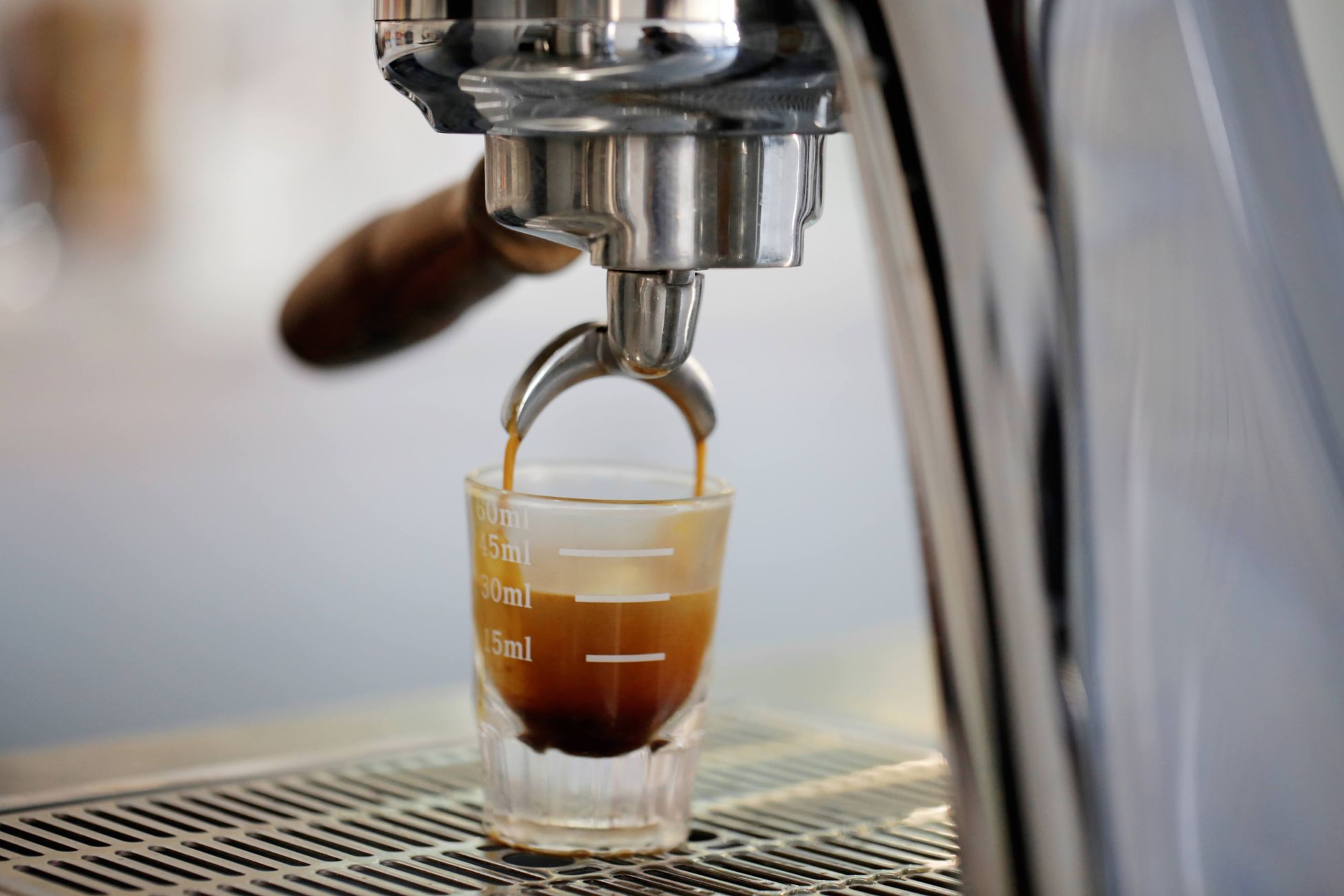
Espresso is percolation taken to an extreme: very fine grind, very high pressure, very short contact time, and extremely high sensitivity to bed evenness. Everything true about percolation is true about espresso in bold.
The moka pot is percolation driven by steam pressure from below rather than gravity from above, which is why it behaves so differently from anything else on the stove.
Why This Is Worth Knowing
You do not need this framework to make good coffee. Plenty of people brew excellent cups on instinct and habit.
But instinct built on one brewer transfers badly to another. Someone who has spent two years dialing in a V60 and then buys a French press often makes bad French press for a month, because they keep reaching for pour over solutions to immersion problems.
Knowing the family tells you what kind of system you are in. Immersion is a bath that equalizes, so control time and ratio. Percolation is a flow that never equalizes, so control the bed and the rate.
Everything else, from pouring patterns to filter choice to how much you agitate, is a refinement inside one of those two logics. Get the logic right first and the refinements start making sense.
All images shown in this blog are sourced from pexels.com.