

Somewhere in the specialty coffee world there is always a bag on a shelf with a price that makes people stop walking. Forty dollars for a hundred grams. Sometimes far more. The word on the label is usually Geisha, occasionally spelled Gesha, and the reaction it gets splits neatly in two. Either it is the most extraordinary coffee anyone has ever tasted, or it is proof that specialty coffee has lost the plot.
Both reactions come from the same place, which is that almost nobody explains what you are actually paying for. The price is not arbitrary and it is not pure marketing, but it also is not a straightforward promise that the cup will be better than a good coffee at a quarter of the cost. It helps to know what the plant is, why so little of it exists, and what it tastes like when it is grown properly.
Browse coffees worth paying attention to.
The Plant Came From a Forest, Not a Laboratory
Geisha is a varietal, which means it is a specific genetic type of arabica, the same way a Honeycrisp is a specific type of apple. It was collected in the 1930s in the forests of southwestern Ethiopia, near a place called Gesha. Collectors were not looking for flavor. They were looking for disease resistance, and this plant showed promise against coffee leaf rust.
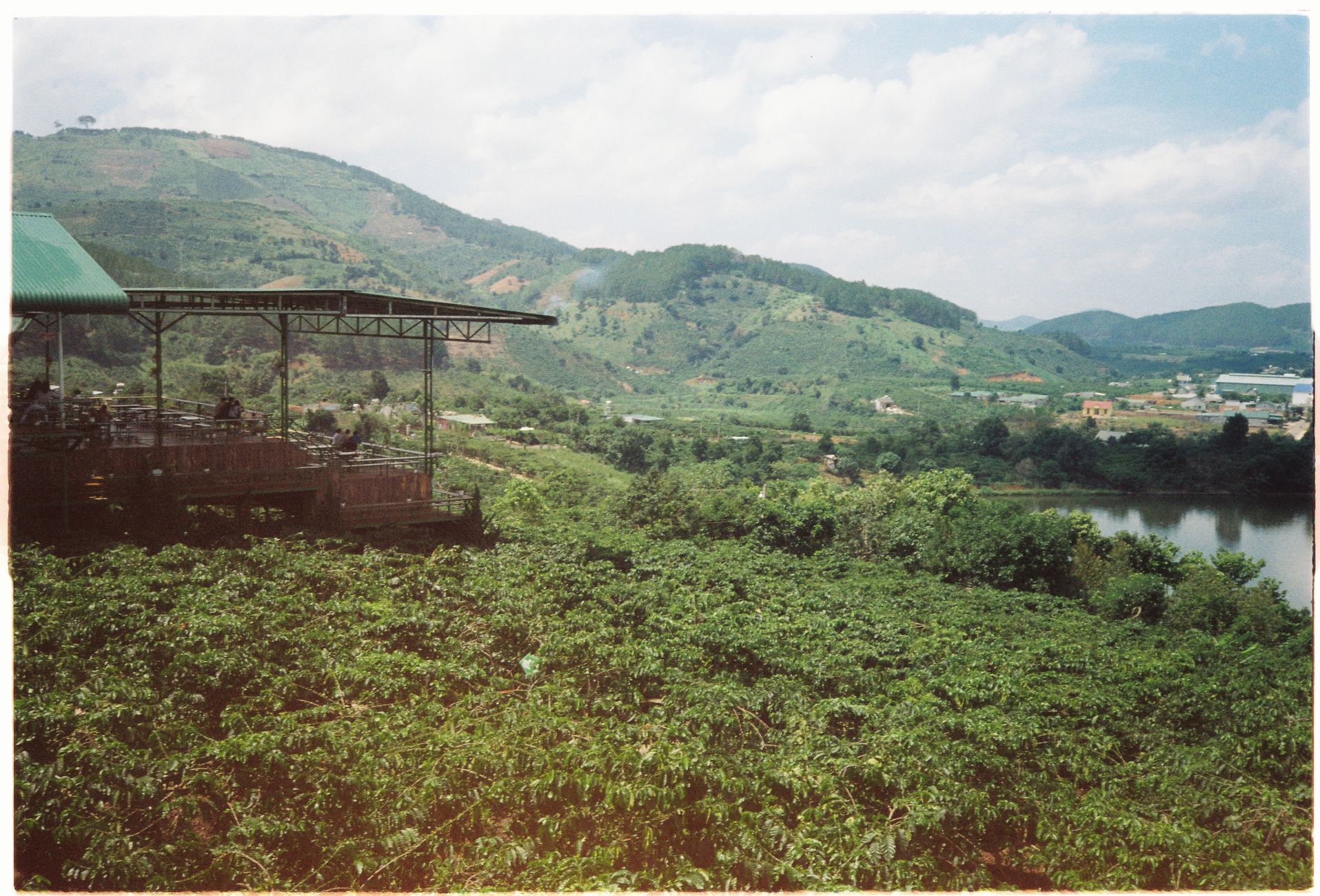
From Ethiopia it traveled through research stations in Kenya, Tanzania, and eventually to Costa Rica, where it sat in a collection at an agricultural institute. Farmers who tried planting it mostly gave up on it. The plant is tall and lanky, it produces very little fruit compared to the workhorse varietals, and it wants high altitude and careful handling to do anything interesting. A farmer measuring success in pounds per hectare had every reason to pull it out and plant something else.
That is exactly what happened for decades. The plant survived in odd corners of farms, planted as a windbreak or forgotten at the edge of a lot, until one family in Panama decided to pick a small block separately and see what it tasted like on its own.
One Competition Changed the Price of a Varietal Forever
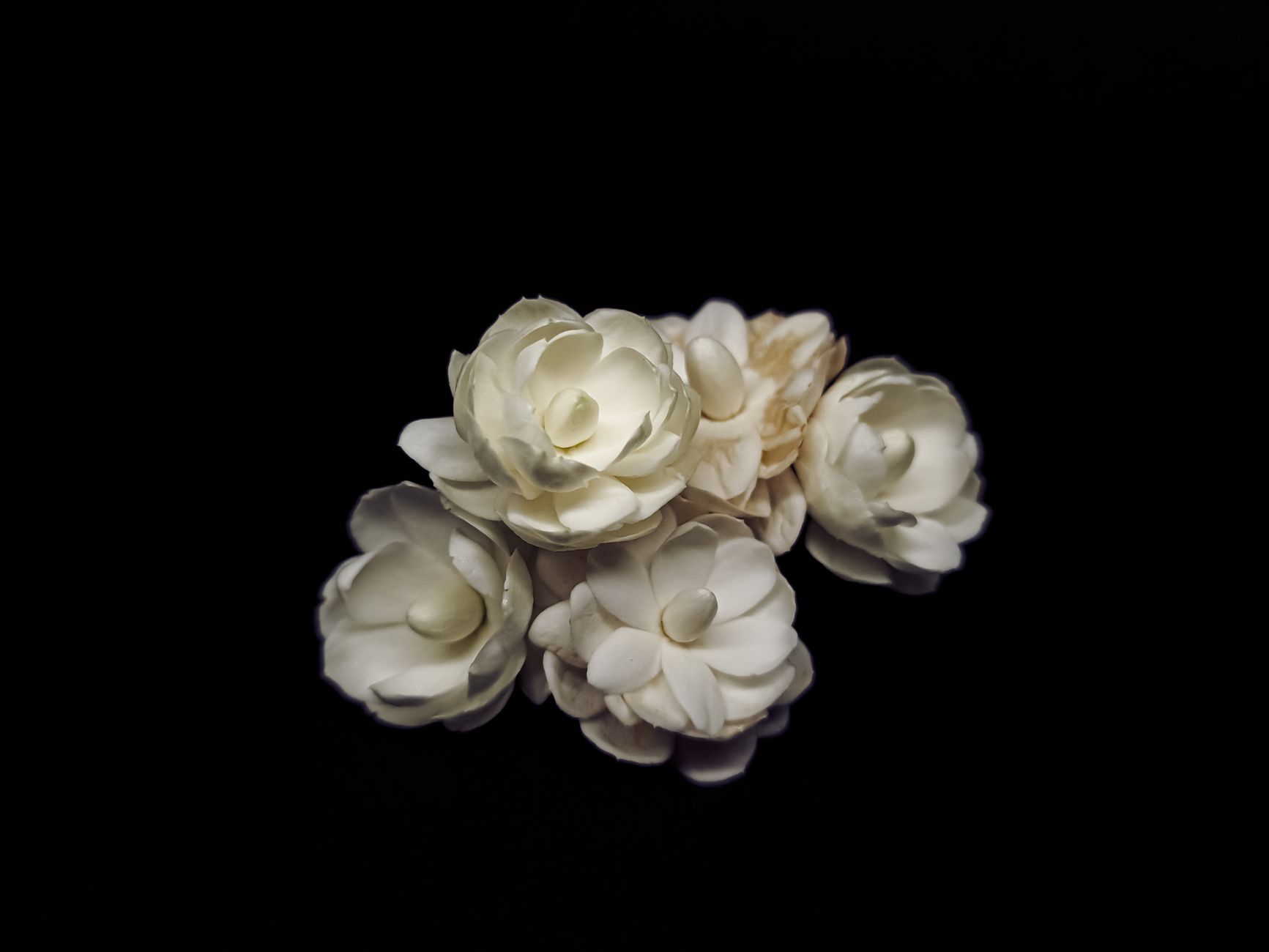
In 2004, the Peterson family entered a lot of separately picked Geisha from Hacienda La Esmeralda into the Best of Panama competition. The judges reportedly thought something had gone wrong with the samples, because the cup did not taste like Panamanian coffee. It tasted like jasmine and bergamot, closer to a fine tea than to what anyone expected.
It won, and it broke the auction record. Then it kept breaking the record, year after year, and the coffee world spent the next two decades planting Geisha everywhere from Colombia to Costa Rica to Ethiopia itself.
This is the part of the story that matters for the price on the bag. A single dramatic result created a name, and the name now carries a premium of its own, separate from what any particular bag tastes like. Some of what you pay for Geisha is genuine scarcity and genuine quality. Some of it is the residue of a competition result from 2004.
Why So Little of It Exists
Set the story aside and look at the agronomy, because that part is real.
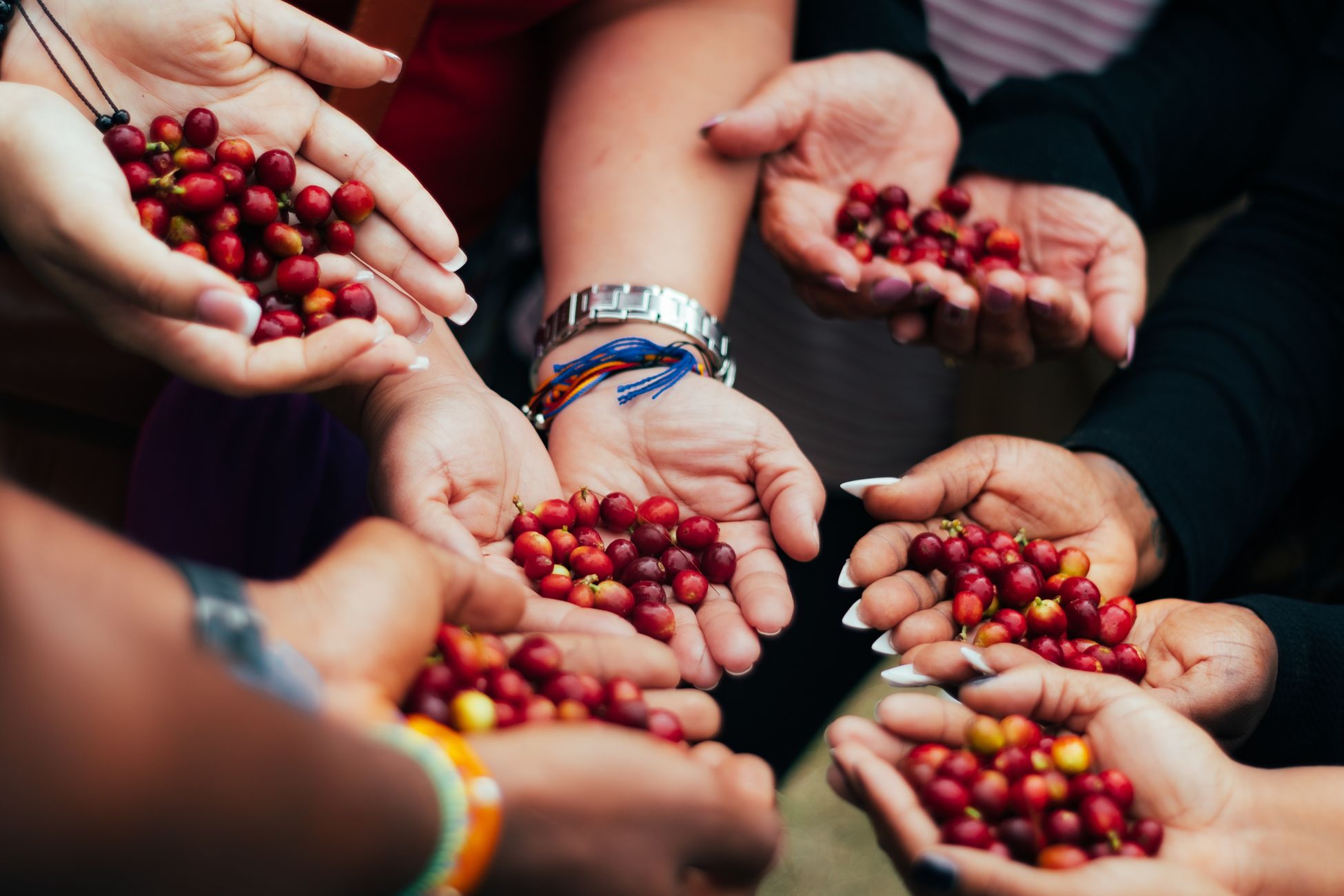
A Geisha tree yields substantially less fruit than a Caturra or a Catuai growing beside it. The plant puts its energy into height rather than production, and the branches are sparse. For a farmer, planting Geisha means accepting a smaller harvest from the same land, the same labor, and the same years of waiting for trees to mature.
It also demands altitude. Geisha grown low tastes ordinary, and that is not a snobbish claim, it is the most consistent finding across every region that has tried it. The floral character that made the varietal famous shows up reliably only when the plant is stressed by elevation and cool nights, which slows cherry development and concentrates what ends up in the seed.
Then there is the handling. A farm growing a small block of Geisha has to pick it separately, ferment it separately, dry it separately, and store it separately, because mixing it into the day's main harvest destroys the entire point. Every one of those separations costs labor and space that a larger lot would absorb more efficiently.
Low yield, high altitude, and separate handling at every stage. Those three facts, before anyone mentions an auction, explain most of the price.
What It Actually Tastes Like
The classic washed Geisha profile is floral in a way that surprises people. Jasmine is the descriptor that comes up most, along with bergamot, which is the citrus that makes Earl Grey smell like Earl Grey. Peach, papaya, and honeysuckle appear often. The acidity is bright but soft rather than sharp.
The part nobody warns you about is the body. Geisha is light. It has a delicate, tea-like texture, and if your idea of a great coffee involves weight and richness in the mouth, your first Geisha may register as thin rather than elegant. People who love it describe it as perfumed and transparent. People who are disappointed by it usually wanted something with more presence.
Natural processed Geisha exists too and tastes very different, leaning tropical and jammy, with the fruit of the processing sitting on top of the floral character underneath. It is louder and more immediately impressive, and some people find it obscures what makes the varietal distinctive.
Find a coffee that suits how you actually drink it.
Genetics Are Necessary but Not Sufficient
Here is the thing worth understanding before spending real money. Geisha on a label tells you about genetics only. It says nothing about altitude, nothing about how carefully the cherries were picked, nothing about the processing, and nothing about how well it was roasted.
Cheap Geisha exists. It is grown at moderate elevation, harvested without much selectivity, and sold on the strength of the name. It tastes like a mild, pleasant, unremarkable coffee, and it costs three times what a genuinely excellent coffee of another varietal would cost. The varietal is a ceiling, not a floor. It describes what the plant is capable of under the right conditions, and those conditions are the expensive part.
This is also why a great Bourbon or a great Ethiopian heirloom lot can outperform a mediocre Geisha without much difficulty. Care beats genetics most of the time.
How to Brew It if You Buy Some
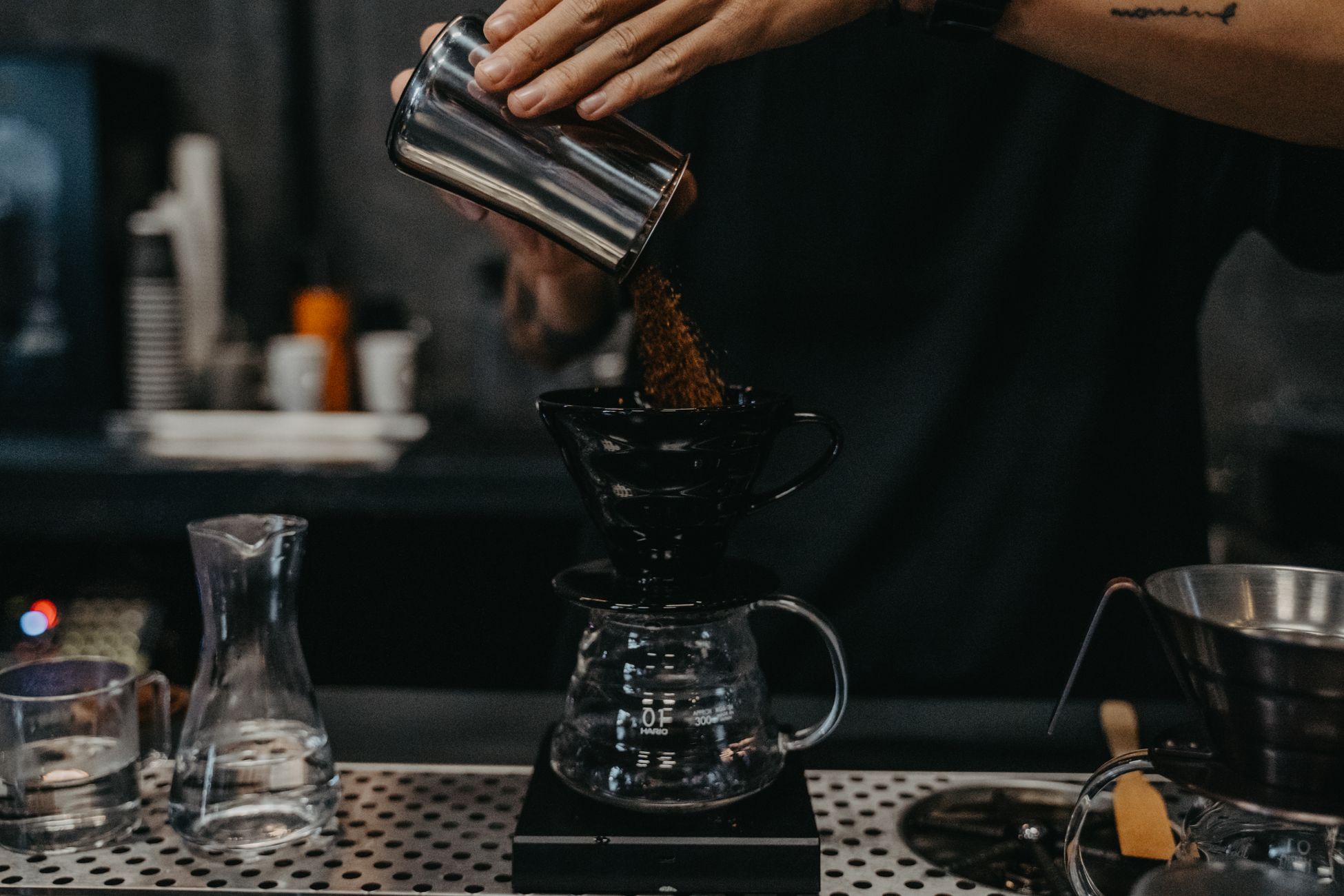
If you decide to try a bag, treat it as a filter coffee. Pour over, a clean immersion brew, or a well made batch brew. Espresso is possible but it compresses the delicate aromatics that you paid for, and it is an expensive way to learn that.
Grind slightly coarser than you would for a standard filter coffee and keep the water a touch off boiling. Geisha is not a coffee that rewards aggressive extraction. Pulling harder does not bring out more, it brings out astringency that buries the florals.
Drink it black. Milk destroys it completely, which is not a moral position, it is just chemistry. The subtle aromatic compounds that justify the price are exactly the ones that dairy proteins bind up and mute.
And taste it as it cools. Geisha tends to open up considerably between hot and warm, and the aroma at room temperature is often the most striking part of the whole experience.
Is It Worth Buying Once
Yes, with a condition attached.
Buy it once, from a roaster who tells you the farm, the altitude, and the roast date, and drink it with the intention of learning what the fuss is about. Do not buy it as a gift for someone who takes their coffee with cream and sugar, because it will be wasted. Do not buy it expecting to be knocked over, because the pleasure of a good Geisha is precision rather than power.
What it is genuinely useful for is calibration. A well grown, well roasted Geisha shows you the top end of what floral aromatics in coffee can be, and that reference point makes you better at noticing the same qualities, in smaller amounts, in coffees you can actually afford to drink every day. Most people who try one come away with a better palate rather than a new habit, and that is a reasonable return on a single bag.
Then go back to buying coffee based on how it was grown, how recently it was roasted, and whether the roaster knows what they are doing. Those three things predict cup quality far more reliably than any varietal name on the front of a bag.
Stock your shelf with coffee that earns its place.
All images shown in this blog are sourced from pexels.com.