
Walk down any coffee aisle and you will see a row of roast names that sound like a European tour. French roast. Italian roast. Vienna roast. Spanish roast. They sit next to each other on the shelf like they are describing where the coffee came from, or at least some tradition tied to a country.
None of them are. French roast coffee is not French, is not roasted in France, and does not use French beans, because France does not grow coffee. The name describes a color, and the color describes a level of darkness that most of the people buying it would not choose if they knew what it meant. Here is where the names came from and what they actually tell you.
Where the Country Names Came From
The roast names date to the nineteenth century, when coffee roasting in Europe was done locally and regional preferences were strong. Coffee was roasted by grocers, by cafes, and at home in a pan, and each part of the continent developed a habit around how far to take it.
Northern Europe leaned lighter. Scandinavia in particular roasted coffee to a pale brown, a preference that survives today in the light roast tradition of Norway and Sweden.
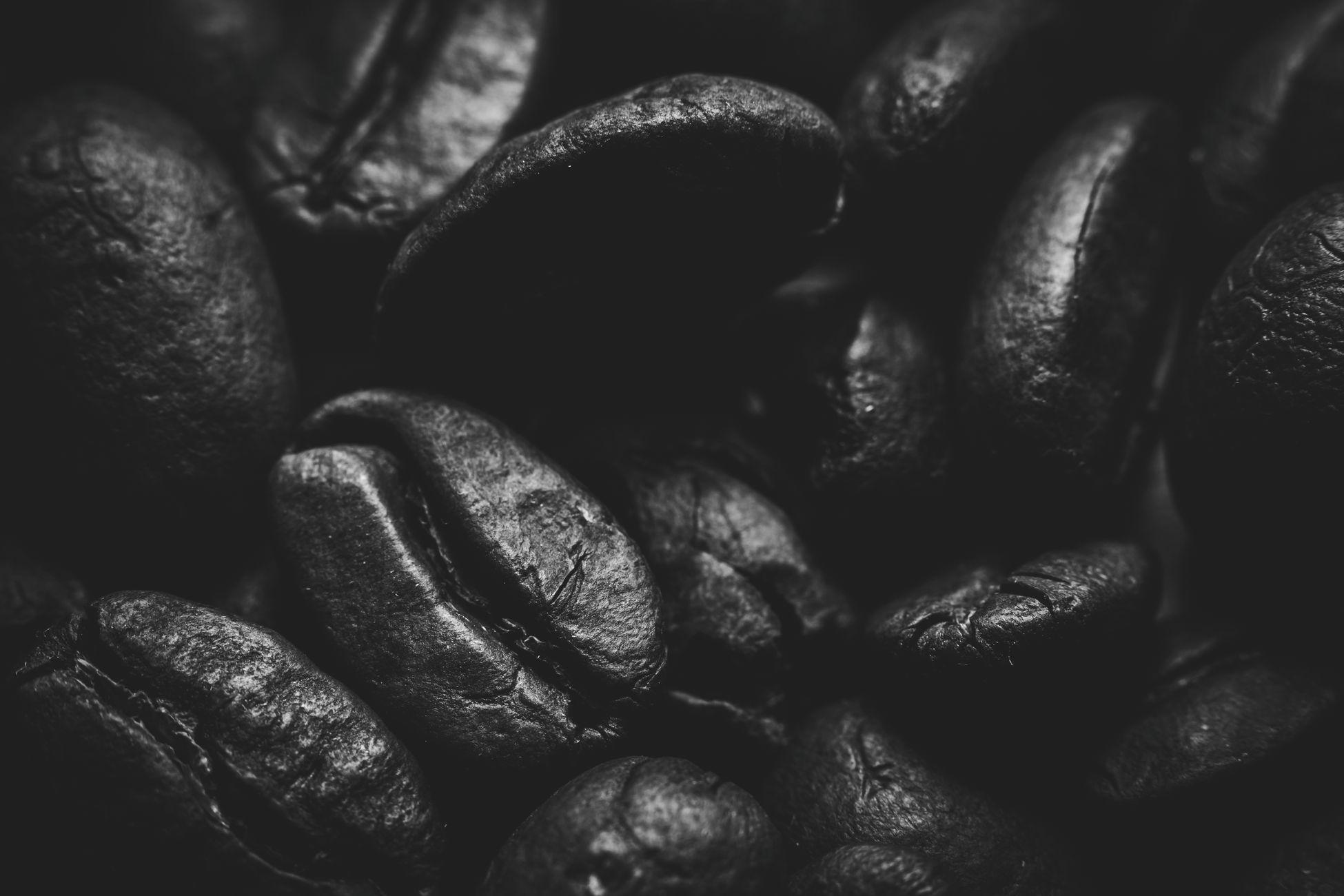
The further south you went, the darker the coffee got. Vienna was associated with a medium dark roast, just into the point where oils appear on the surface. France, and especially the cafes of Paris, went darker still, to a bean that was nearly black and shiny with oil. Italy, with its espresso culture built on dark, low acidity, crema heavy shots, pushed to the edge of carbonization. Spain went even further and sometimes roasted with sugar, producing a glazed, blackened bean called torrefacto.
American roasters in the early twentieth century borrowed those names as shorthand. A customer who asked for French roast was asking for the dark, oily style they had encountered in a French cafe. The name stuck long after the association faded.
What French Roast Actually Means Today
In modern roasting terms, French roast is a specific point on the roast curve. The beans have gone well past second crack, the moment when the cell walls of the bean fracture and the internal oils migrate to the surface. Roast temperatures are up around 240 degrees Celsius. The bean is dark brown to nearly black, glossy, and often has a burnt smell when you open the bag.
At that level, most of what makes one coffee different from another is gone. The sugars that developed during the earlier part of the roast have caramelized and then carbonized. The acids have broken down. The origin character, the fruit or floral or nutty notes that the farmer and the processing gave the bean, has been roasted out and replaced with the flavor of the roast itself: smoke, char, bittersweet chocolate, a thin body, and a dry finish.
That is not a defect. It is the intended result. French roast is a style, and people who like it like it for exactly those reasons. But it is important to know that the style is about the roaster's process, not about the coffee. A French roast Sumatran and a French roast Colombian taste more like each other than like their lighter versions.
Why the Names Cause So Much Confusion
The problem is that the names sound like origins, and coffee buyers have learned to care about origins. When a bag says Ethiopia, that means something concrete about the farm and the flavor. When a bag says French, it means nothing about where the coffee grew and only something about how hard it was roasted.
There is a second layer of confusion. The roast names are not standardized. One roaster's French roast is another roaster's Italian roast. Some companies use French to mean their darkest offering, others put Italian or Spanish above it. Without a consistent scale, the name is closer to a mood than a measurement.
And there is a third layer. Dark roasts get called strong, which people interpret as more caffeine. Roasting actually burns off a small amount of caffeine, and because dark roasted beans are less dense, a scoop of French roast contains slightly fewer beans and slightly less caffeine than a scoop of light roast. The strength people taste is bitterness and body, not stimulant.
Taste what the origin sounds like when it is not roasted over
Why Dark Roasting Became the Default for So Long
If dark roasting erases so much, why did it dominate for a century? Three reasons, and they are all practical.
First, consistency. Green coffee varies from harvest to harvest and lot to lot. Roasting dark flattens those differences, so a brand can sell the same tasting product year after year regardless of what beans it bought. That mattered enormously to companies selling coffee in cans.
Second, hiding flaws. Cheap green coffee, with defects, age, and off flavors, tastes bad at a light roast and tolerable at a dark one. The char covers a lot. A roaster working with low grade beans has every incentive to take them dark.
Third, drum roaster physics. In a traditional drum, beans pick up smoke from their own chaff burning against the hot metal. That smoky flavor is part of what people came to expect from coffee, and a darker roast made it more pronounced and more consistent.
None of those reasons are about flavor. They are about business and equipment.
What Changed and Why the Names Are Fading
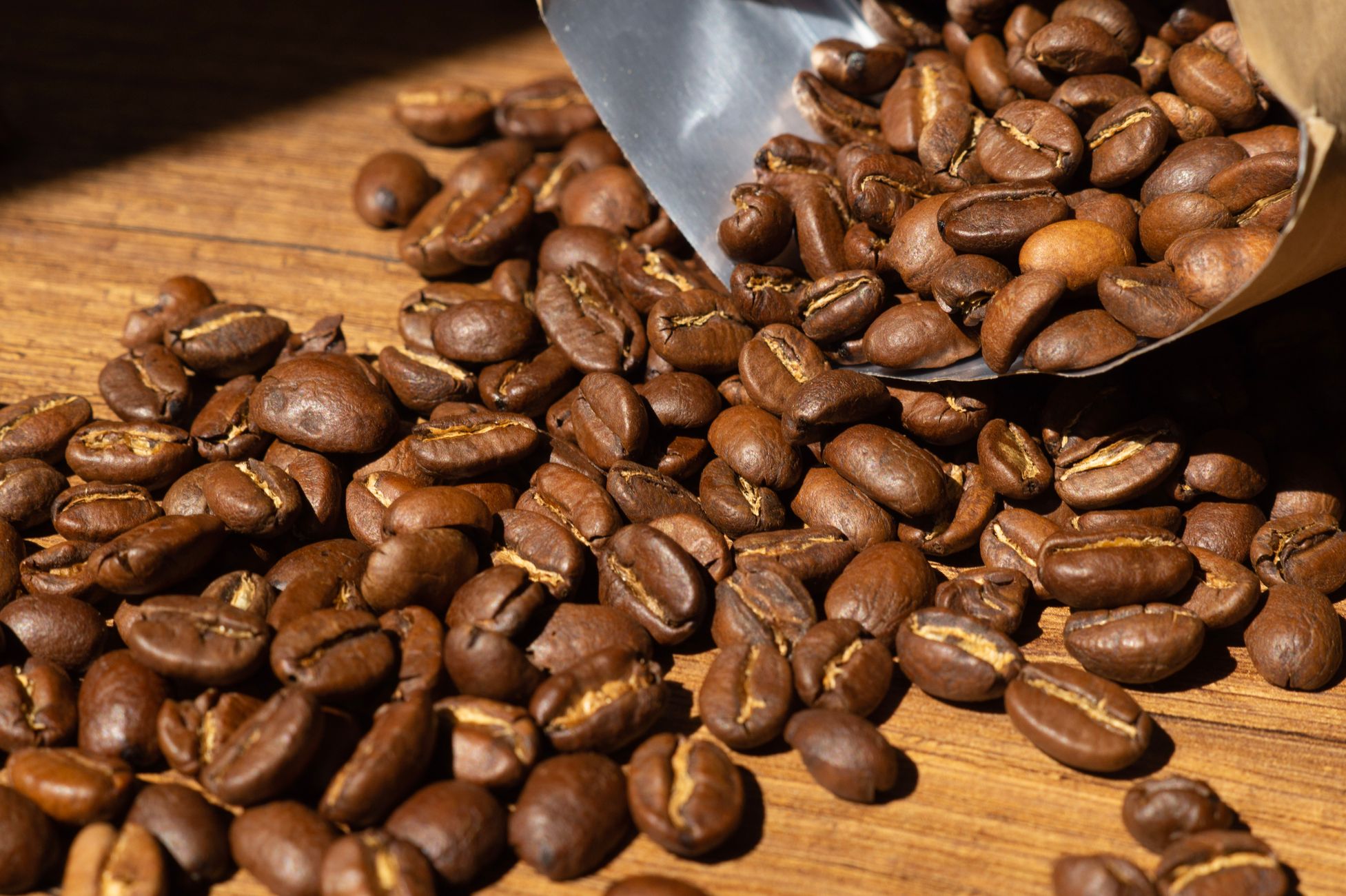
Specialty coffee grew up around the idea that the bean has something to say and the roast should let it. Roasters started buying better green coffee, traceable to a farm or a cooperative, and roasting it lighter so the origin came through. Roast names shifted from countries to descriptions, light, medium, and dark, or to flavor notes and the name of the farm.
Air roasting fit that shift well. With no hot drum surface and constant airflow carrying chaff away, an air roaster can develop a bean fully without picking up smoke. That makes a clean medium roast easier to achieve and a sweet, developed light roast more consistent. The roast becomes a tool for revealing the coffee instead of replacing it.
You can still find French roast on specialty shelves, and some of it is made with care from good beans. But it is offered as a choice among many, not as the assumed style.
How to Read a Bag Now
Ignore the country name if there is one, unless it is on the origin line. Look for a roast level described in plain terms, and better yet, look for a roast date and tasting notes.
If you like the taste of French roast, the smoky, bittersweet, low acid cup, seek it out from a roaster who tells you what beans went into it. A Brazilian or a Sumatran taken dark with intention tastes better than an anonymous blend taken dark to hide something.
If you have only ever had dark roast and suspect you might like more from your coffee, try a medium roast of a coffee with named tasting notes. Brew it black. What you taste, chocolate, orange, berry, caramel, was always in the bean. The roast just stopped in time to leave it there.
Pick up a coffee named for where it grew, not how hard it was roasted
French roast is a nineteenth century nickname for a very dark bean, borrowed by American marketers and never updated. It is not a place, a tradition, or a promise about quality. Knowing that frees you to choose coffee by what it actually is, which is a much better way to end up with a cup you love.
All images shown in this blog are sourced from pexels.com.