

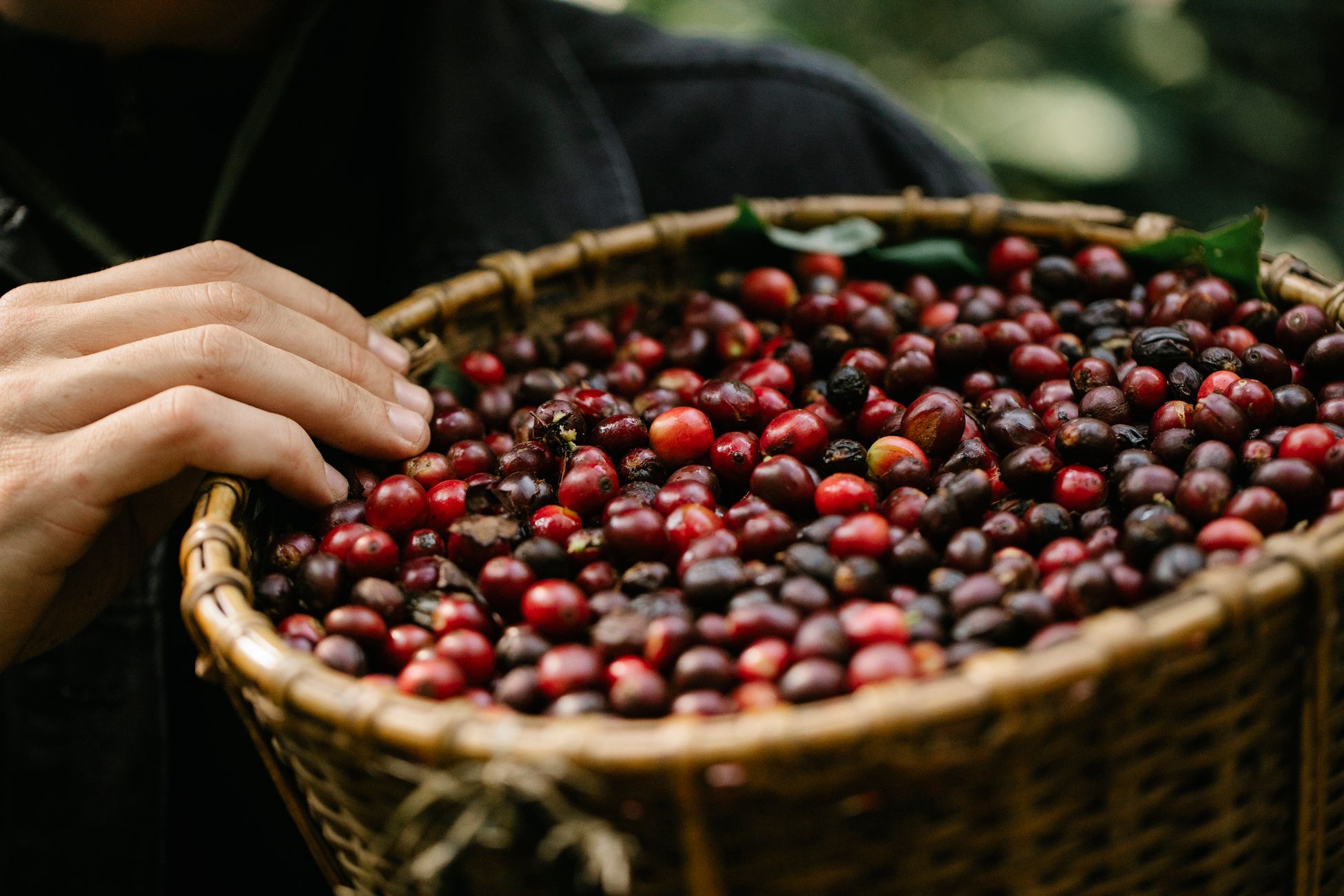
Before a coffee bean is ever roasted, ground, or brewed, it is the seed of a fruit. That fruit, the coffee cherry, grows on a shrub, ripens over months, and changes color from green to yellow to red or deep purple. Most people never think about the cherry at all. But for a farmer chasing great coffee, the cherry is everything.
Some of the best coffee farms in the world now carry a small tool into the field that you might expect to see at a vineyard. It is called a refractometer, and it measures how much sugar is in the cherry. That number helps decide when to pick, and the timing of the harvest has a huge effect on what ends up in your cup.
Taste coffee grown with care in our most popular collection
The Cherry Comes Before The Bean
Each coffee cherry usually contains two seeds. Those seeds are what we call coffee beans. Around them are layers of fruit: a thin skin, a sweet, sticky pulp, a slippery layer called mucilage, and a papery shell called parchment.
As the cherry ripens, sugars build up in the fruit. Acids develop and then begin to soften. The seed inside matures along with it. Those changes are what give a perfectly ripe cherry its sweetness, and they influence how sweet and complex the final coffee tastes.
Pick a cherry too early and the seed has not fully developed. Coffee from unripe cherries often tastes grassy, astringent, and sharp. Pick it too late and the fruit starts to over-ripen or ferment, which can bring out boozy or vinegary flavors. The sweet spot is in between.
Color Is Only A Clue
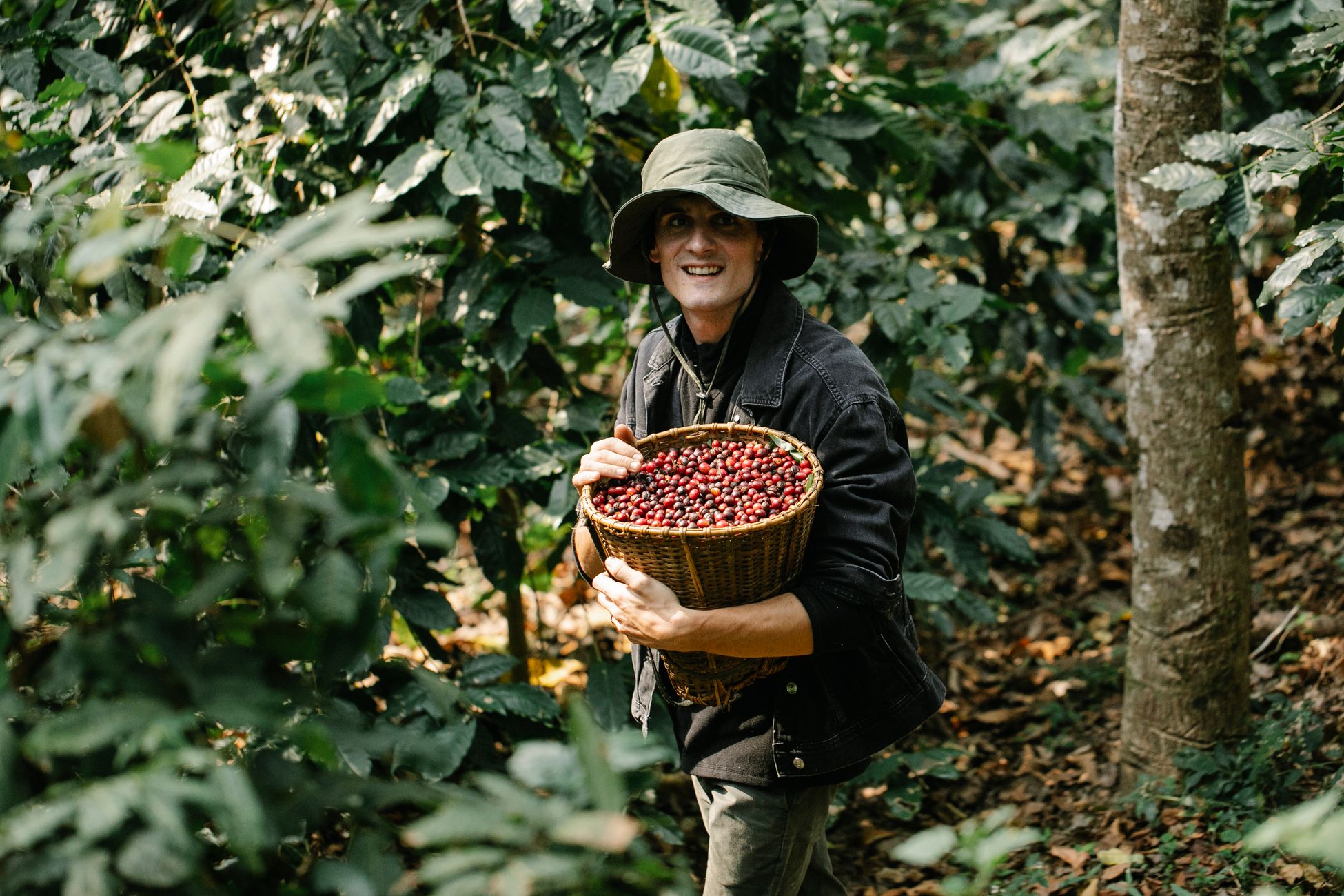
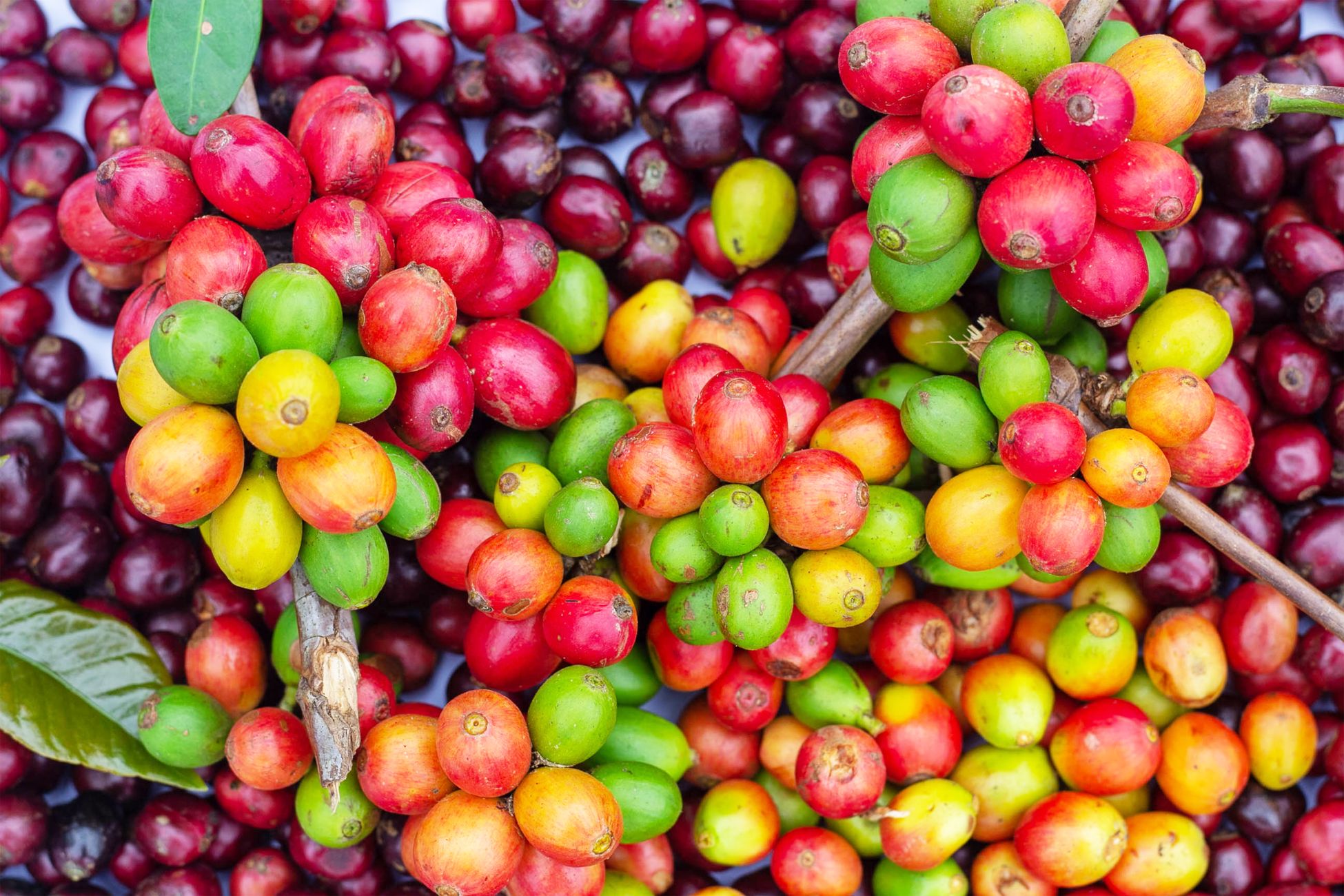
For generations, farmers and pickers have judged ripeness by color. A deep, even red cherry is usually ready. A green or yellow-green cherry is not.
Color works reasonably well, but it is not perfect. Different varieties ripen to different colors. Some turn yellow or orange when ripe. Weather, altitude, and sun exposure can change how cherries look. Two red cherries side by side can be at very different stages of ripeness.
That is where a more precise measurement helps.
What A Refractometer Measures
A refractometer measures how light bends as it passes through a liquid. When sugar is dissolved in that liquid, the light bends more. The device turns that measurement into a number called degrees Brix, which roughly reflects the percentage of dissolved sugars in the juice.
Winemakers have used Brix for a long time to decide when grapes are ready. Coffee farmers borrowed the idea. To test a cherry, they squeeze a little juice from the fruit onto the refractometer and read the number.
A ripe coffee cherry usually reads somewhere around 18 to 24 degrees Brix, though the ideal range depends on the variety, the farm, and the processing method. Higher numbers often point to sweeter, riper fruit.
Why The Number Matters
Brix readings help farmers make better decisions. Instead of picking based on color alone, they can test samples from different parts of the farm and find out which plots are truly ready.
That matters because coffee rarely ripens all at once. On a single tree, some cherries can be ripe while others are still green. Plots at different altitudes or with different sun exposure ripen at different times. Testing helps a farmer plan where pickers go each day.
It also helps with quality control. If pickers bring in cherries that test low, the farmer knows the harvest is happening too early. If readings are very high, cherries may be overripe. Many farms test samples throughout the harvest to keep quality consistent from week to week.
Explore sweet, carefully harvested coffees in our most popular collection
Brix Is Not The Whole Story
A single reading tells you about a single cherry, and cherries vary a lot. Even on one branch, sugar levels can differ. That is why careful farms test many cherries from different trees and plots and look at the average rather than trusting one number.
Weather also affects readings. After heavy rain, cherries can take up extra water, which dilutes their sugars and lowers the number for a while even if the fruit is ripe. Experienced farmers combine Brix with color, firmness, how easily the cherry comes off the branch, and their own knowledge of each plot.
The refractometer is a tool, not a replacement for experience. Used together, they lead to better harvest decisions.
Sugar And Processing
Brix matters even more for some processing methods. In natural and honey processing, coffee dries with some or all of the fruit still attached. The sugars in that fruit play a big role in how the coffee develops during drying.
Farmers making natural or experimental fermented coffees often target specific Brix levels. Sweeter fruit can lead to more fruit-forward flavors in the cup. Some producers even track Brix during fermentation, watching how sugar levels drop as microbes consume it.
For washed coffees, the fruit is removed before drying, but cherry ripeness still matters. A properly ripe cherry produces a better seed, which shows up as sweetness and clarity in the final cup.
Selective Picking Takes Patience
On specialty farms, the harvest often happens in multiple passes. Pickers go through the same trees several times over weeks or months, picking only the ripe cherries each time and leaving the rest to finish ripening.
This is called selective picking, and it takes far more labor than stripping a whole branch at once. But it produces much more consistent coffee. Brix readings support this approach by confirming which cherries are ready and helping train pickers to recognize ideal ripeness.
Sorting After Picking
Even careful picking leaves some unripe or damaged cherries in the mix. Many farms sort cherries after harvest, often by floating them in water. Ripe, dense cherries sink, while underripe or damaged ones tend to float and can be removed.
Combined with selective picking and Brix testing, sorting helps ensure that only the best fruit moves on to processing.
What This Means For Your Cup
You will never see a Brix number on a bag of coffee. But the care behind that number shows up in what you taste.
Coffee from properly ripe cherries tends to be sweeter, cleaner, and more balanced. It has fewer harsh, grassy, or astringent notes. Fruit flavors come through more clearly, and the finish lingers pleasantly. When a coffee tastes naturally sweet without any added sugar, part of the credit goes to a farmer who waited for the cherries to be ready.
That is also part of why specialty coffee costs more. Measuring, waiting, picking in multiple passes, and sorting all take time and labor.
A Small Tool With A Big Impact
A refractometer is a small, simple device. But it represents a big idea: that great coffee starts with ripe fruit, and that the decision about when to pick deserves real attention.
The next time a coffee tastes sweet, juicy, and clean, think about the cherry it came from. Somewhere, a farmer tested the fruit, waited a little longer, and picked at just the right moment.
All images shown in this blog are sourced from pexels.com.