

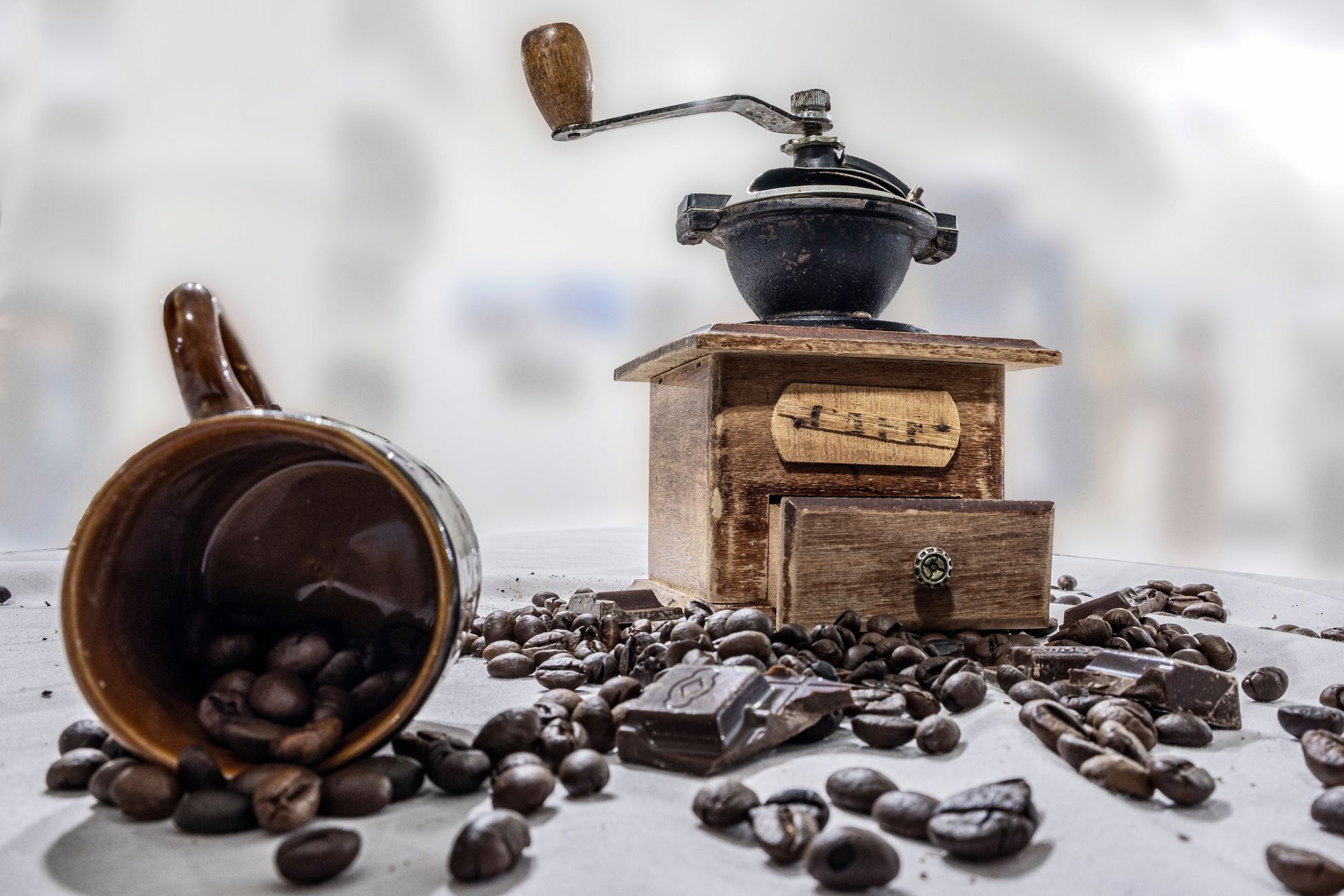
Here is a scenario that plays out in a lot of kitchens. Someone gets serious about coffee, buys a nice burr grinder, and starts making beautiful pour overs. Then they get an espresso machine, load the same grinder, and cannot understand why the shots are a disaster. Or it goes the other way. They dial in gorgeous espresso, then try a French press with the same grinder and get a thin, sour cup. The beans are fine. The brewer is fine. The grinder is the problem, and not because it is bad. It is because one grinder is being asked to do two jobs that pull in opposite directions.
Espresso and filter coffee live at opposite ends of the grinding world. The grind each one needs is so different, and the precision espresso demands is so much higher, that trying to serve both from a single grinder means constantly compromising one for the other. Understanding why is the fastest way to stop fighting your equipment.
Before you blame the grind for a bad cup, make sure the beans are worth grinding. Start with a fresh, well roasted bag so you know the coffee is not the weak link.
Espresso and Filter Want Opposite Grinds
The core issue is grind size, and the gap is enormous. Espresso needs a very fine grind, close to the texture of powdered sugar or fine table salt. Filter methods need something much coarser, from medium sand for a pour over to coarse breadcrumbs for a French press. These are not neighboring settings. They are near the far ends of what a grinder can produce.
The reason comes down to how water meets coffee. In espresso, hot water is forced through a compressed puck under high pressure in around thirty seconds. To create enough resistance to slow that water down and extract properly, the coffee has to be ground fine, packing tightly so the water has to work its way through. In filter brewing, water passes through by gravity over minutes, so the grounds must be coarse enough to let it flow without stalling. Use a filter grind for espresso and the water blasts straight through into a sour, watery shot. Use an espresso grind for a French press and the water gets trapped, over extracts, and turns bitter and muddy.

The Numbers on a Dial Do Not Tell the Story
You might think the fix is easy. Just move the grinder from setting three to setting thirty when you switch. On a good grinder you can do exactly that, and for casual use it works. But it exposes the deeper problem, which is that espresso and filter do not just need different settings. They need different levels of precision from the grinder, and most grinders are only good at one.
Espresso is brutally sensitive to grind size. A change so small you can barely see it, one or two numbers on a fine adjustment, can take a shot from perfect to sour or from perfect to choked and bitter. Dialing in espresso means making tiny, repeatable adjustments and having the grinder actually deliver them. Filter grinding is far more relaxed. Nudge a pour over a little coarser or finer and the cup shifts gently, not catastrophically. A grinder built to be great at espresso has a fine, precise adjustment near the low end. A grinder built for filter spreads its range out over the coarser settings where espresso lives in a tiny, cramped corner.
See the roasts our regulars keep coming back to and give whichever method you love the grinder it deserves.
Retention: The Hidden Tax of Switching
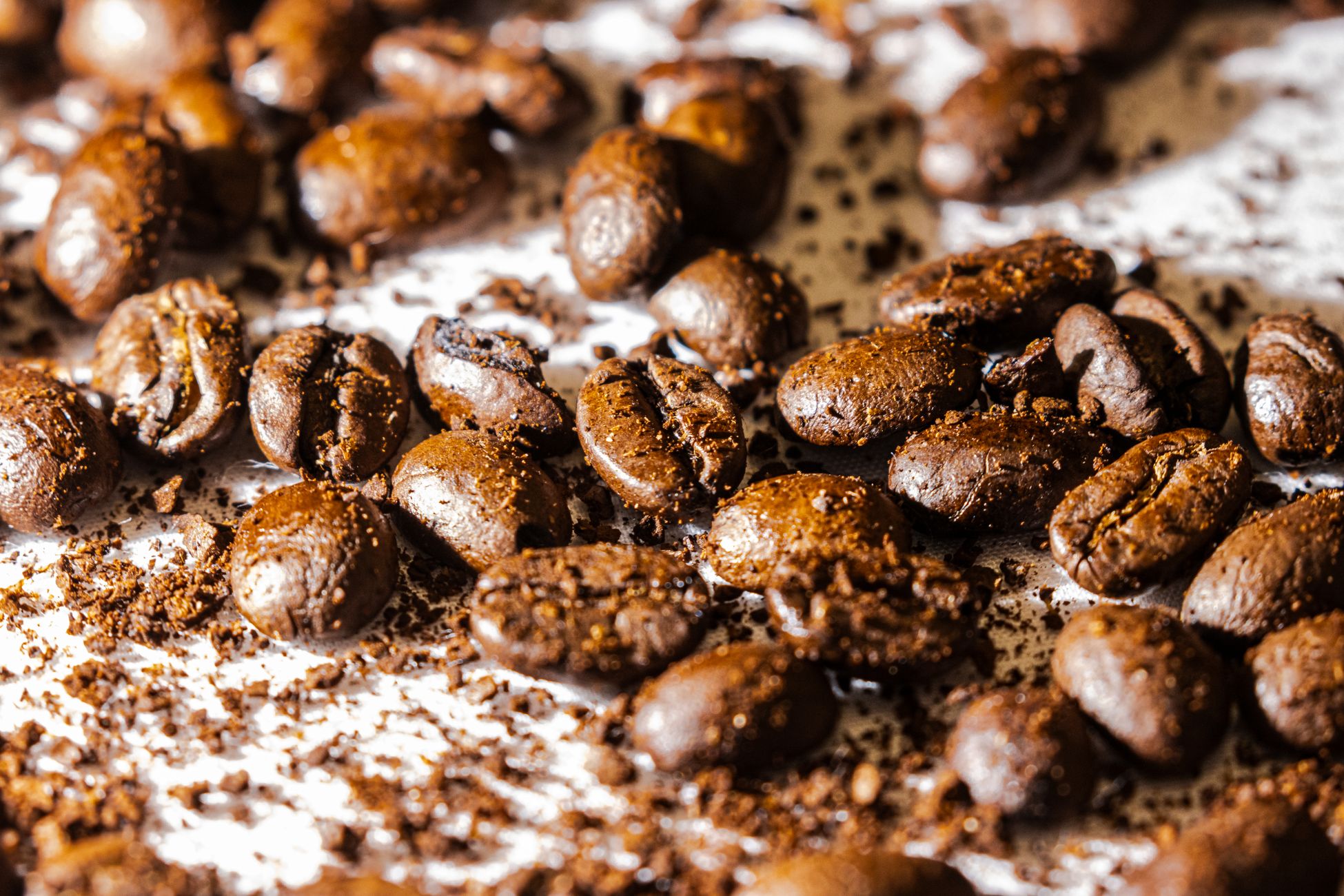
Even if your grinder handles both ranges, switching between them exposes another problem called retention. Every grinder holds onto a little ground coffee inside it, trapped in the burrs and the chute. When you grind fresh, some of what comes out is actually old coffee left from the last session, and some of what you ground gets left behind for next time.
Now imagine switching from a fine espresso grind to a coarse French press grind. The first bit of your coarse grind is contaminated with fine espresso dust still sitting in the machine, and it also means stale grounds mixing into fresh. To switch cleanly you have to purge, running a little coffee through and throwing it away to clear the old grind out. Do that every time you change methods and you are wasting beans daily. A grinder dedicated to one method never has this problem, because the grind never changes and the retention just becomes part of a steady state.
Why One Great Grinder Struggles at Both
You can buy a single grinder good enough to do both jobs acceptably. What you generally cannot do is buy one grinder that is excellent at both without spending a lot. The engineering that makes a grinder superb at espresso, fine stepless adjustment, burrs shaped to produce tight fine grinds, tends to be different from what makes a grinder superb at filter, clean coarse grinds with few fines and even particle size. Manufacturers optimize for one or the other, and the ones that genuinely do both live at high price points.
For most people, this is why the practical answer is to pick your grinder for the method you care about most, and accept that the other method will be a compromise on that machine, or to run two grinders if you brew both seriously. It sounds indulgent until you have fought a single grinder across both jobs for a month. Two modest dedicated grinders often beat one expensive do everything grinder, and cost less combined.
What Actually Makes Grind Quality
It helps to know what you are paying for, because it explains the whole problem. A good grinder is judged on two things. First, can it hit the size you want. Second, how uniform are the particles it produces. Uniformity is the quiet hero. When grounds are all close to the same size, they all extract at the same rate, and the cup is clean and balanced. When grounds are a mix of dust and boulders, the dust over extracts into bitterness while the boulders under extract into sourness, and the cup is muddled.
Espresso punishes non uniformity harder than anything, because under pressure the fine dust clogs and the boulders channel, wrecking the shot. This is why espresso grinders are built and priced the way they are. Asking a filter oriented grinder to produce clean espresso, or dragging an espresso grinder way out to coarse for a French press where its burrs throw off more fines, means accepting worse uniformity exactly where each method wants it most.
The Practical Takeaway
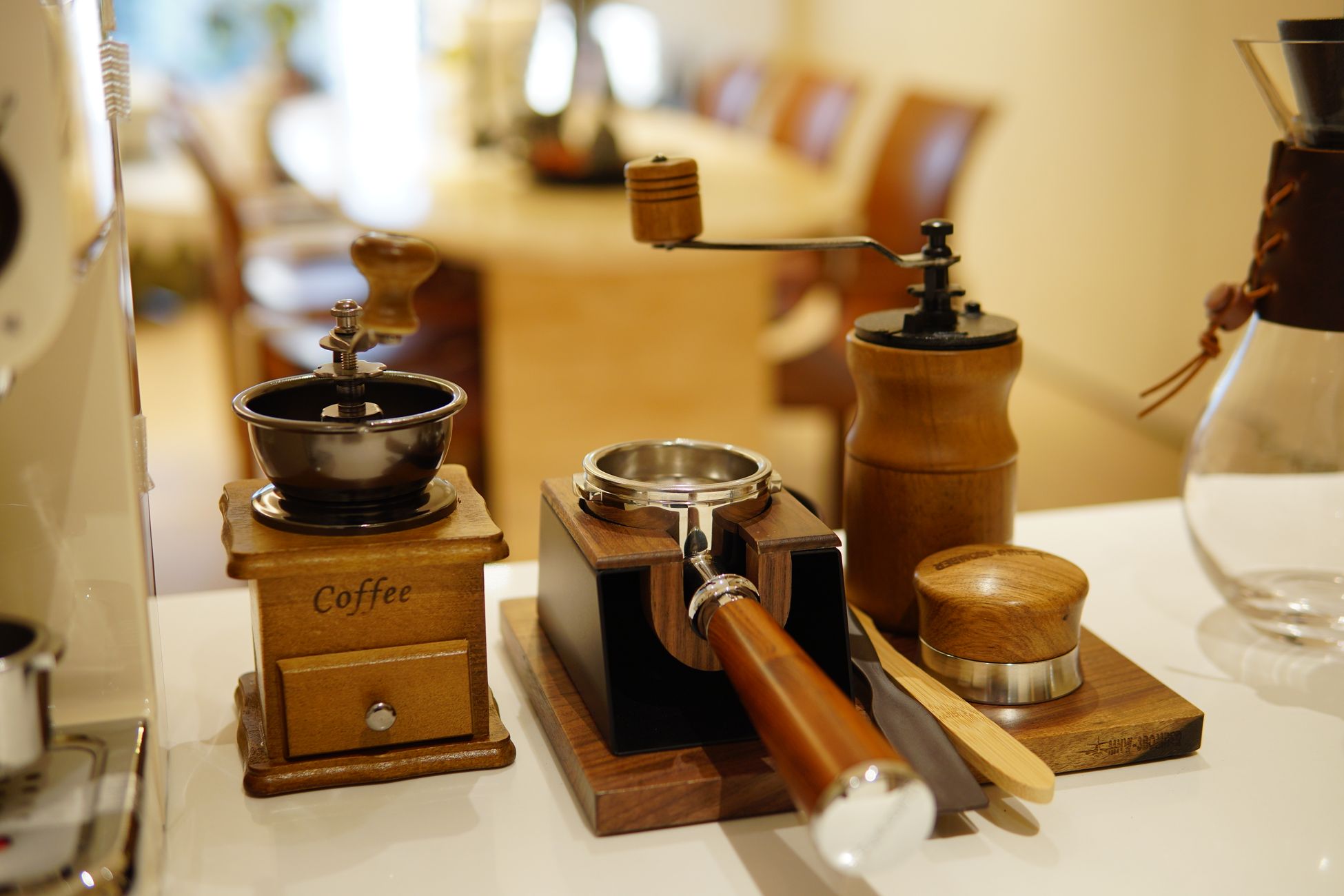
If you only brew one way, buy the best grinder you can for that method and stop there. If you brew both espresso and filter, know that you are asking a lot of a single machine. Either invest in a grinder genuinely capable of both, budget for two dedicated grinders, or accept that whichever method your grinder was not built for will always be the weaker cup.
None of this means you are doing anything wrong. It means the grind is where espresso and filter part ways, and no single setting, no matter how carefully chosen, fully bridges a gap that wide. Match the grinder to the method, keep the beans fresh, and both cups get easier overnight.
Give your setup coffee worth dialing in
All images shown in this blog are sourced from pexels.com.