

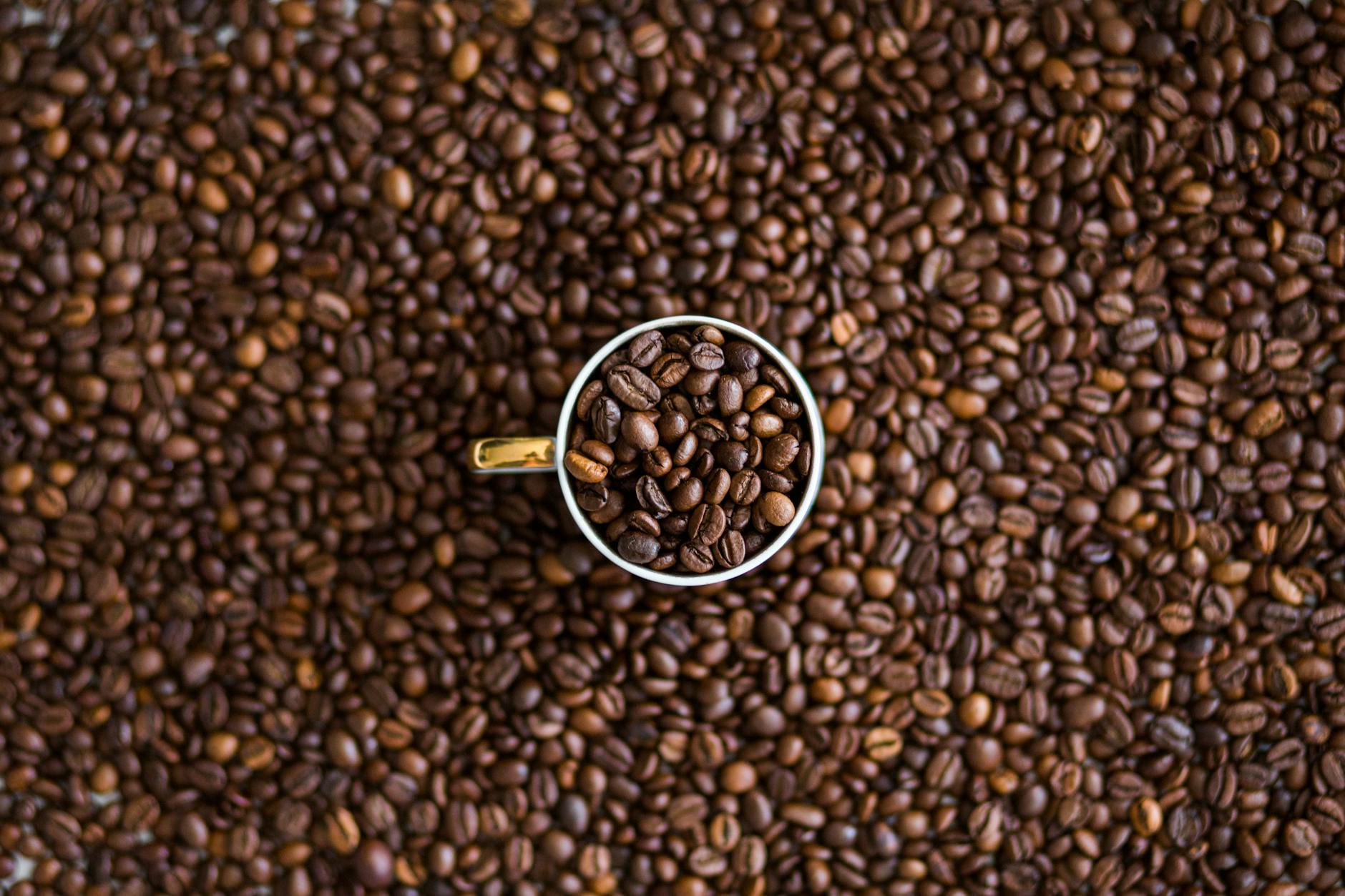
Let's talk about something that has been quietly misleading coffee drinkers for decades. You pick up a bag of coffee at the grocery store, and the label screams "BOLD" in big, dark letters. The packaging is black. The font is heavy. There might even be a mountain on it. You brew a cup, take a sip, and it hits you with that sharp, almost harsh bite that makes your face scrunch up a little. And somewhere along the way, you were trained to think that reaction means the coffee is strong, serious, and high quality. It does not. That bitterness you are tasting is not boldness. It is a flaw, and the coffee industry has spent a long time convincing you otherwise. If you are ready to start drinking coffee that is actually rich, complex, and satisfying without punishing your taste buds, explore our most popular coffees here and taste what coffee is supposed to feel like.
The confusion between bitter and bold is not accidental. It is a marketing strategy that has been baked into how mass-market coffee brands position their products. When a roaster over-roasts coffee beans to the point of burning them, the natural sugars and delicate flavor compounds are destroyed. What is left behind is a carbon-heavy, ashy, and sharp flavor profile. There is no sweetness. There is no complexity. There is just heat and bitterness. For a large commercial roaster producing millions of pounds of coffee, this is actually convenient. Over-roasted coffee is consistent. It is easy to replicate. The bitterness masks the lower quality of the beans underneath. And because the taste is so aggressive, it lingers in your memory as something powerful. The industry leaned into this and called it bold.
Here is the thing though. Actual boldness in coffee has nothing to do with bitterness. A truly bold coffee is one with deep, rich flavor. It might have notes of dark chocolate, dried fruit, caramel, or toasted nuts. It has body, meaning it feels substantial and satisfying in your mouth. It has sweetness that balances everything out. A well-roasted dark coffee can be intense and full without being harsh. The difference is in the craft. When a roaster genuinely cares about the beans and the process, they develop flavor instead of destroying it. The result is something that tastes complex and alive, not punishing.

What Actually Causes Bitterness in Coffee
To understand why bitterness gets mistaken for quality, it helps to understand where bitterness comes from in the first place. Coffee naturally contains compounds called chlorogenic acids. When beans are roasted, these acids break down into other compounds, some of which are bitter. This process is totally normal up to a point. A small amount of bitterness is part of what gives coffee its character and helps balance sweetness and acidity. The problem starts when roasting goes too far.
Over-roasting degrades the sugars in the bean before they can caramelize properly. It burns off the aromatic compounds that create the fruity, floral, or nutty notes you find in high-quality specialty coffee. What remains is a concentrated bitterness that has nothing to do with the bean's origin or natural character. Cheap, low-grade beans are often deliberately over-roasted because the dark roast covers up defects and inconsistencies in the green coffee. You cannot taste how bad the raw material is if everything is scorched.
Brewing also plays a role. Coffee that is brewed too hot, or for too long, or with too fine a grind will over-extract. Over-extraction pulls bitter compounds out of the grounds that should have stayed behind. This is why a poorly made espresso tastes sharp and unpleasant, while a well-pulled shot tastes sweet and rich. The bitterness is not inherent to espresso as a drink style. It is a symptom of something going wrong in the process.
How Big Coffee Brands Turned a Flaw Into a Feature
The genius and the cynicism of what mass-market coffee brands did is that they did not just accept the bitterness in their product. They rebranded it. Think about the language used to sell coffee in mainstream supermarkets. You see terms like "extra bold," "dark roast intensity," "strong brew," and "maximum bold." These words do not describe flavor. They describe a feeling of power. They suggest that the coffee is tough, no-nonsense, and serious. The implied message is that if you want something gentler, you are not a real coffee drinker.
This is a very clever trick because it taps into identity. People do not want to be told they are drinking low-quality coffee. But if the language around that coffee makes them feel like they are choosing something strong and confident, they will defend it. The bitterness becomes proof of the coffee's power rather than evidence of its flaws. Whole generational habits have been built around this framing, and it has shaped what millions of people think coffee is supposed to taste like.
The result is that many coffee drinkers have calibrated their expectations to bitterness. When they try a well-made specialty coffee that is smooth, sweet, and complex, it can feel strange at first. It does not match their internal definition of what coffee is. Some people even think it is weak, even if it has the same or higher caffeine content. That is how deeply the marketing has shaped perception.

What Specialty Coffee Actually Tastes Like
Specialty coffee approaches flavor completely differently. The goal is to preserve and highlight the natural character of the bean. A coffee grown at high altitude in Ethiopia might have bright fruit notes, like blueberry or citrus, with a clean, almost tea-like clarity. A coffee from Colombia might be smooth and sweet, with caramel and milk chocolate tones. A natural-processed coffee from Brazil might taste rich and heavy with notes of dark fruit and nuts. None of these are bland. None of them are weak. They are just not bitter.
When specialty roasters work with dark roast profiles, they are still aiming for something balanced. A well-crafted dark roast will have rich, full body and deep chocolate or molasses notes without the harsh, acrid quality you find in commercially over-roasted beans. The difference is control and intention. The roaster is developing flavor, not burning it away.
This is the kind of coffee that makes people rethink everything they thought they knew about the drink. It is the cup that you slow down for. The one that actually gets better as it cools slightly instead of becoming more bitter.
Why This Matters for How You Drink Coffee Every Day
Knowing the difference between bitter and bold is not just trivia. It changes how you shop, how you brew, and honestly how much you enjoy your morning routine. If you have been drinking coffee that you tolerate rather than love, it might be because you have been handed bitterness and told it is quality. You deserve better than that.
Start paying attention to flavor notes on coffee bags. Look for descriptions like chocolate, fruit, caramel, or floral. These are signs that someone thought carefully about what is inside. Seek out roasters who source their beans with intention and roast to bring out the best in each origin rather than to hit a standardized dark profile that covers everything up.
Pay attention to how coffee makes you feel after you drink it. A cup that leaves you with a raw, sour feeling in your stomach and a lingering bitterness in your mouth is not doing you any favors. A well-crafted coffee should leave you feeling satisfied, not punished.
Browse our most popular coffees and find your perfect cup because great coffee should be something you genuinely look forward to every single day, not something you just get through.

Breaking Up With Bitter
The shift from bitter coffee to genuinely bold, flavorful coffee is one that most people do not regret. Once your palate adjusts and you start tasting what coffee can actually be, it is really hard to go back. The industry bet that you would never know the difference. Specialty coffee exists as a counter to that bet.
You do not have to be a coffee expert to appreciate the difference. You just have to be willing to try something made with real care and attention. The complexity, the sweetness, the depth of flavor that comes from well-sourced and well-roasted beans is accessible to anyone. It is not pretentious. It is just good.
So the next time you see a bag of coffee that markets itself on how intense or extreme or bold it is, ask yourself what they are actually trying to say. If they cannot describe the flavor, if there are no tasting notes, if the whole pitch is just about power and strength, they might be selling you bitterness dressed up in a costume. Real boldness has flavor behind it. Real boldness has something to say.
Discover coffees that are genuinely bold and delicious, starting with our most popular collection.
All images shown in this blog are sourced from pexels.com.