

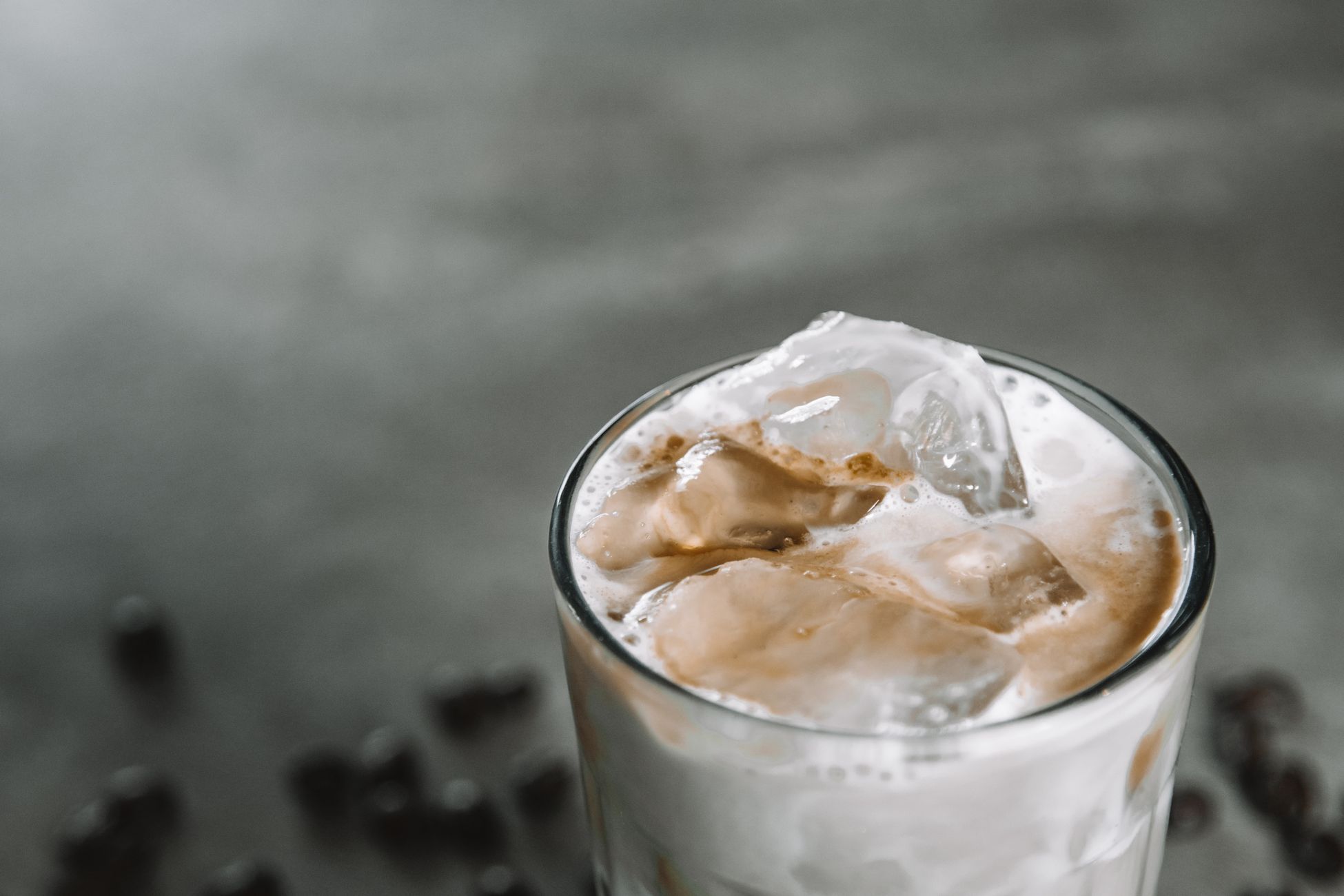
You pull a shot you are proud of. It tastes great on its own, it tastes great in a hot latte, so you pour it over ice and milk for an afternoon iced latte. Two sips in, it tastes like cold, faintly coffee-flavored milk. The shot did not change. Everything around it did.
An iced latte is not just a hot latte that got cold. Ice, temperature, and the way your tongue works all push against the espresso. If you want the coffee to show up, you have to build the drink with a stronger shot from the start.
Find an espresso that stands up to milk and ice in our most popular collection
Ice Is Water Waiting To Happen
The most obvious problem is dilution. When hot espresso hits ice, some of that ice melts immediately. A double shot at close to boiling temperature can melt a surprising amount of ice in the first few seconds, and that melt goes straight into your drink as plain water.
Then the drink keeps diluting as you sip it. A hot latte stays roughly the same strength from the first sip to the last. An iced latte gets weaker every minute it sits on your desk. By the bottom of the glass, you are drinking a much thinner version of what you started with.
So the shot has to start out strong enough to survive that loss. If it only tastes balanced at full strength, it will taste weak once it has been watered down.
Cold Mutes Flavor
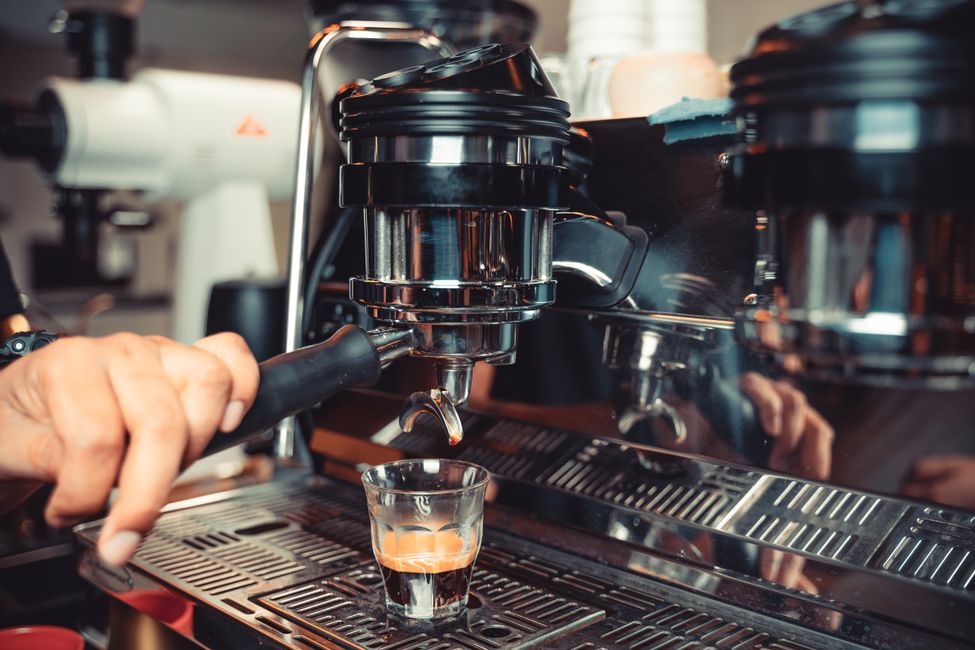
The second problem is temperature. Your tongue and nose are less sensitive to many flavors when a drink is cold. Sweetness in particular drops off at low temperatures, which is why melted ice cream tastes much sweeter than frozen ice cream even though nothing about the sugar changed.
Aroma suffers too. Hot drinks release volatile aromatic compounds into the air, and you breathe them in with every sip. Much of what we call flavor is really smell. A cold drink releases far fewer of those compounds, so the coffee's personality gets quieter.
Put those two things together and an iced latte is fighting with one hand tied behind its back. The coffee is diluted and it is harder to taste. A stronger shot is how you make up the difference.
Milk Takes Up More Room
Many iced lattes also use more milk than their hot counterparts. A hot latte gets steamed milk with a bit of foam, which adds air and volume without adding much liquid. An iced latte uses cold milk poured straight in, and it often fills a bigger cup.
More milk and the same amount of espresso means a lower ratio of coffee to everything else. Cold milk also tastes richer and more coating than steamed milk, which can smother delicate coffee flavors that would come through in a hot drink.
What Stronger Actually Means
Making the shot stronger does not mean making it more bitter. There are a few ways to get more coffee into the glass without punishing your palate.
The simplest is to use more espresso. If you normally make a hot latte with a double shot, try a triple or two doubles for the iced version. This is the most reliable fix, and it is what many cafes do for larger iced drinks.
The second is to pull a ristretto. A ristretto uses the same dose of coffee but less water, so you get a smaller, more concentrated shot. It tends to be sweeter and heavier, with less of the thin, bitter tail that comes at the end of a long extraction. Those qualities hold up beautifully against cold milk.
The third is to adjust your ratio of milk. Use a little less milk and a bit more ice so the coffee has a fair fight. You can always add more milk if the drink is too intense.
Choose Beans That Hold Up
Bean choice makes a real difference here. Very delicate, floral, tea-like coffees can be gorgeous as straight espresso or in a hot drink, but they often disappear once they are iced and buried in milk.
Coffees with chocolate, caramel, nutty, and dark fruit notes tend to survive the cold much better. Those flavors are heavier and more persistent, and they pair naturally with milk. A medium roast with good sweetness is usually the sweet spot, roasted enough to carry body without tipping into ashy bitterness.
Shop coffees with the body and sweetness that iced drinks need
Build The Drink In The Right Order
How you assemble an iced latte matters almost as much as the shot itself.
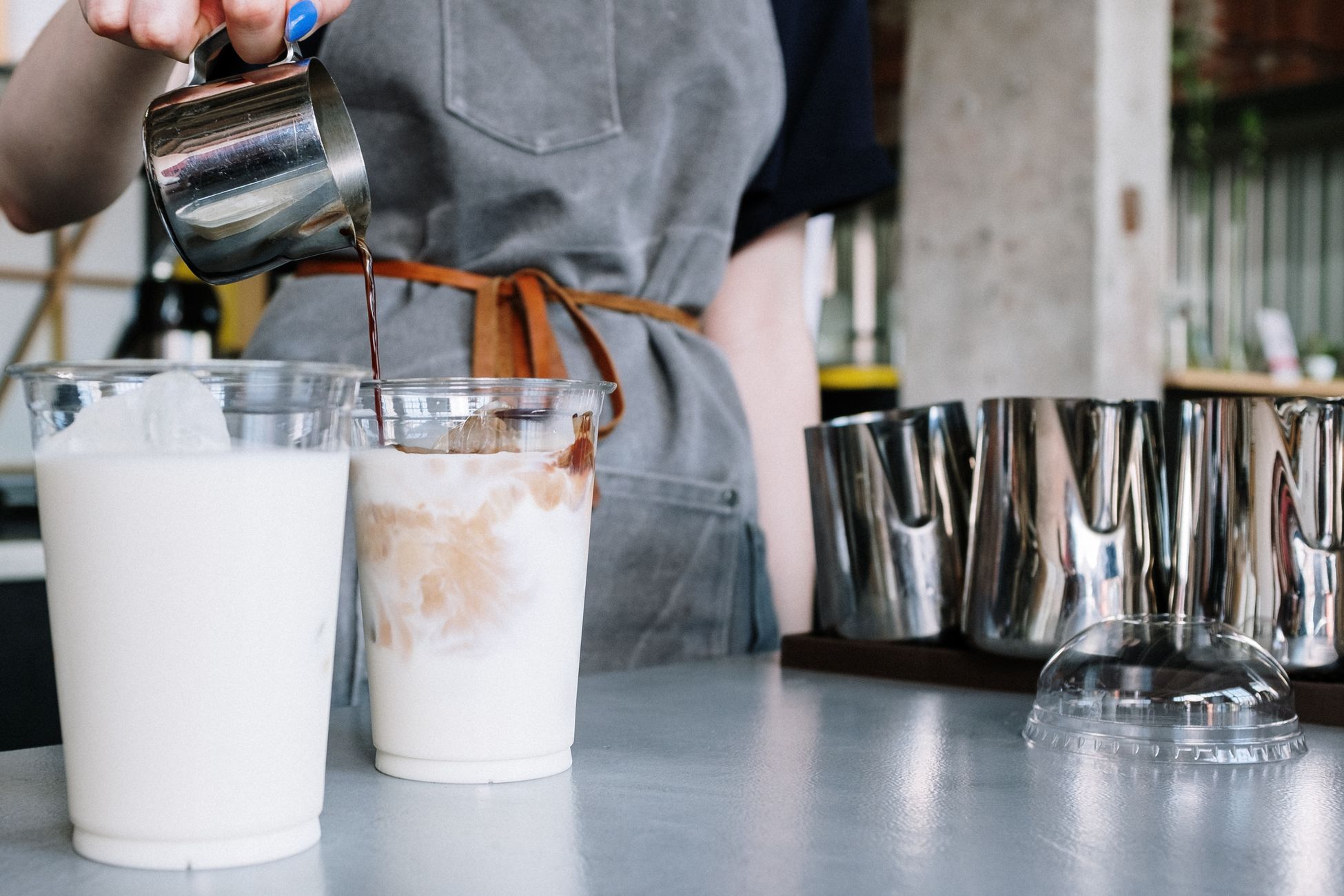
One good approach is to pull the shot into a small pitcher or glass first, then pour it over the ice and milk. This gives you a moment to swirl the shot, which blends the crema back into the coffee and evens out the flavor.
Some baristas cool the shot first by pulling it over a few ice cubes in a separate cup, then adding it to the cold milk. This flash chills the espresso quickly and locks in more aroma than letting it slowly cool in a full glass.
Another tip is to put the milk in the glass first, then the ice, then the espresso on top. Pouring hot espresso straight onto bare ice melts more of it. Pouring it onto cold milk that already surrounds the ice spreads the heat out and reduces the melt.
Sweeten Smart
Because cold dulls sweetness, an iced latte can taste less sweet than the same recipe served hot. If you like your latte sweet, use a liquid sweetener like simple syrup or honey syrup. Granulated sugar does not dissolve well in cold drinks and tends to sink to the bottom in a gritty layer.
If you prefer it unsweetened, that is where bean choice really earns its keep. A naturally sweet coffee, pulled as a ristretto, can make an iced latte taste rich and dessert-like with no added sugar at all.
Watch The Ice Quality
Ice is part of the recipe. Small, cloudy ice from a tray or an old freezer melts faster and can carry freezer smells into your drink. Larger, clear cubes melt more slowly and keep the drink cleaner for longer.
If you drink iced lattes often, consider making ice from the same filtered water you brew with. Coffee ice cubes are another trick: freeze leftover coffee in a tray and use those instead of regular ice. As they melt, they add coffee instead of water.
Taste Before You Commit
Before you change your whole routine, run a quick test. Make two small iced lattes in identical glasses, one with your usual double shot and one with a ristretto or an extra shot. Let both sit for five minutes, then taste them side by side. The difference is usually obvious, and it tells you exactly how much extra coffee your favorite beans need to hold their own.
Make The Coffee Earn Its Place
A great iced latte tastes like coffee first and cold milk second. Getting there means accepting that the shot that works in a hot drink is not quite enough. Pull it stronger, choose beans with weight and sweetness, and build the drink with a little care.
Once you get it right, the first sip will taste like the espresso you were proud of, just cold and refreshing.
All images shown in this blog are sourced from pexels.com.