


You buy a good bag of coffee, get distracted running errands, and it spends four hours in a car in the sun. When you get home you put it in the cupboard and think nothing more about it.
That bag is meaningfully different than it was that morning. Not ruined, not obviously spoiled, but aged in a way that no amount of careful handling afterward reverses. Heat is the fastest acting of the four things that degrade coffee, and a single hot afternoon does more damage than a month sitting properly sealed on a shelf.
Buy fresh coffee and treat it accordingly.
Staling Is a Set of Chemical Reactions
Roasted coffee goes stale through several processes happening at once, and all of them are chemistry.
Oxidation is the main one. Oxygen reacts with the oils and aromatic compounds in the bean, converting them into things that taste flat, cardboardy, and eventually rancid. Coffee is full of lipids, and lipids oxidize readily.
Volatile loss is the second. The aromatic molecules responsible for most of what you perceive as flavor are volatile by definition, which means they evaporate. Every day some fraction of them leaves the bean, and once they are gone there is nothing to replace them.
Moisture migration is the third, working both directions depending on the humidity around the coffee, and it changes both how the coffee tastes and how it behaves in a grinder.
The important part is that every one of these is temperature dependent. Chemical reaction rates roughly double for each ten degree Celsius increase, and while coffee staling is more complicated than a single reaction, the direction is the same. Warmer coffee stales faster, and the relationship is not linear.
What a Hot Car Actually Reaches
The numbers here are more extreme than most people assume.
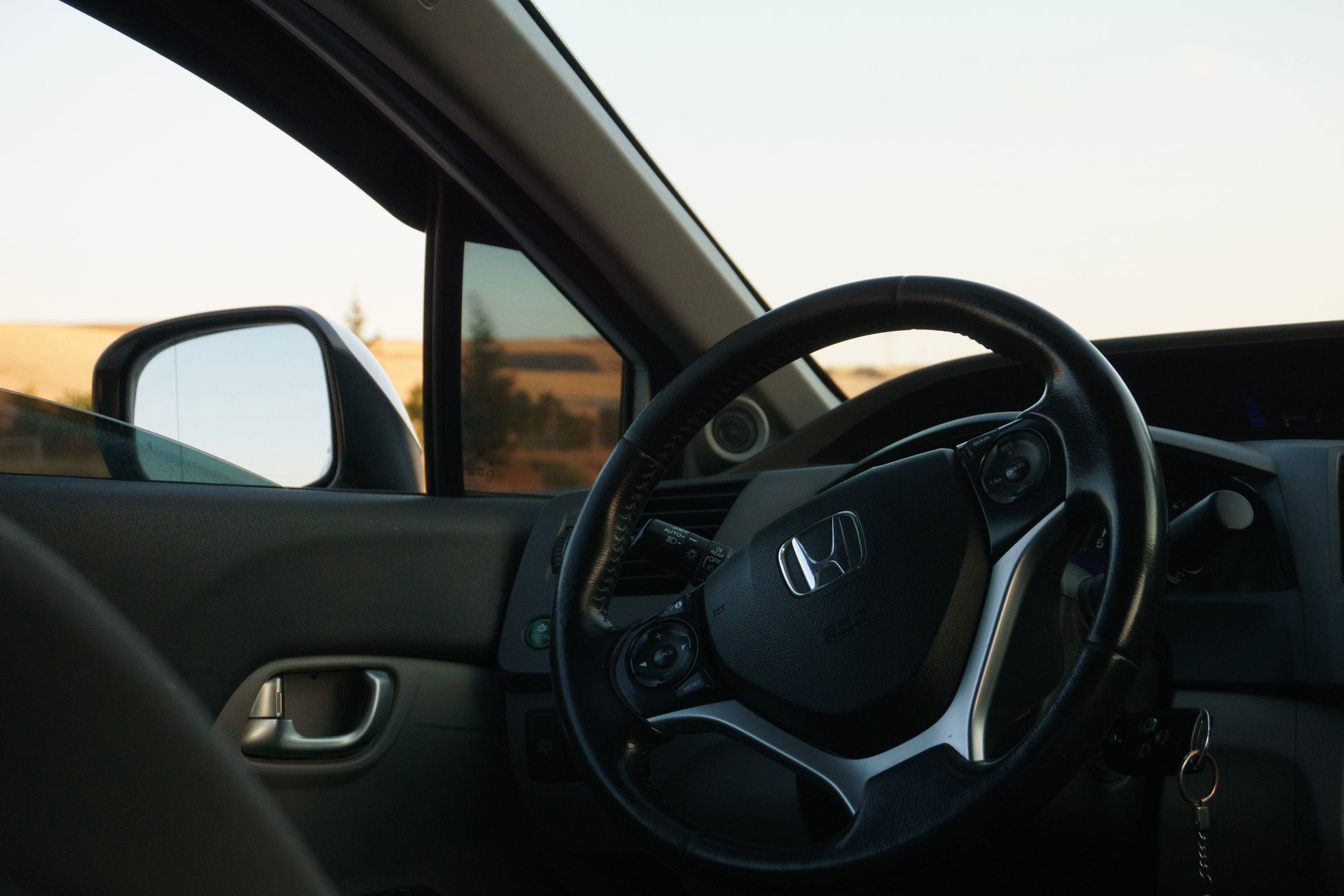
A car parked in direct sun on a warm day reaches interior temperatures far above the outside air, often forty to sixty degrees Fahrenheit higher. On a ninety degree afternoon the cabin can pass a hundred and thirty, and surfaces in direct sun go higher still.
Coffee sitting in that environment for a few hours is being held at a temperature where the oxidation reactions run several times faster than they would in a cupboard, and where volatile compounds are being driven off actively rather than escaping slowly.
The bag itself does not protect against this. A one way valve keeps oxygen out and lets carbon dioxide escape, which is exactly what you want at room temperature. At a hundred and thirty degrees, the coffee is degassing much faster than normal, pushing aromatics out through that valve along with the carbon dioxide, and the barrier material does nothing about heat.
Ground coffee suffers more than whole beans, since it has vastly more surface area exposed. A bag of pre ground coffee in a hot car is being aged aggressively.
The Oils Are the Real Casualty
The specific damage worth understanding is what happens to the lipids.
Coffee oils carry a large share of the aromatic compounds, and they are also what gives a cup its body and mouthfeel. Heat accelerates their oxidation directly, and it also mobilizes them, drawing them toward the bean surface where they meet more oxygen.
This is why a bag of medium roast that has been overheated sometimes develops a sheen it did not have before. The oils have migrated outward earlier than they would have, and now they are exposed.
Oxidized coffee oil does not taste neutral. It tastes stale in the specific way that old nuts or old cooking oil taste stale, a slightly waxy, slightly rancid note underneath everything else. On a light roast it reads as flat and papery. On a darker roast it reads as harsh and greasy.
Get coffee fresh and drink it while it is good.

Temperature Swings Cause a Second Problem
Beyond the raw heat, cycling between hot and cool does its own damage.
Air inside the bag expands when heated and contracts when it cools. The one way valve lets air out during expansion and, being one way, does not let it back in during contraction, which creates a partial vacuum that pulls at whatever seals are imperfect. Bags that have been through several heat cycles often show this as a bag that has drawn tight around the beans.
More importantly, moisture moves during these cycles. Warm air holds more water vapor, and as the bag cools, that vapor can condense onto the beans. Small amounts of surface moisture on roasted coffee accelerate staling considerably and can, in extreme cases, create conditions for mold.
This is the same mechanism that damages green coffee in shipping containers, running at a smaller scale in a paper bag on a passenger seat.
The Practical Rules That Follow
None of this requires elaborate handling. It requires a few habits.
Do not leave coffee in a car. If you buy a bag while you are out, take it inside with you or make the coffee stop the last errand.
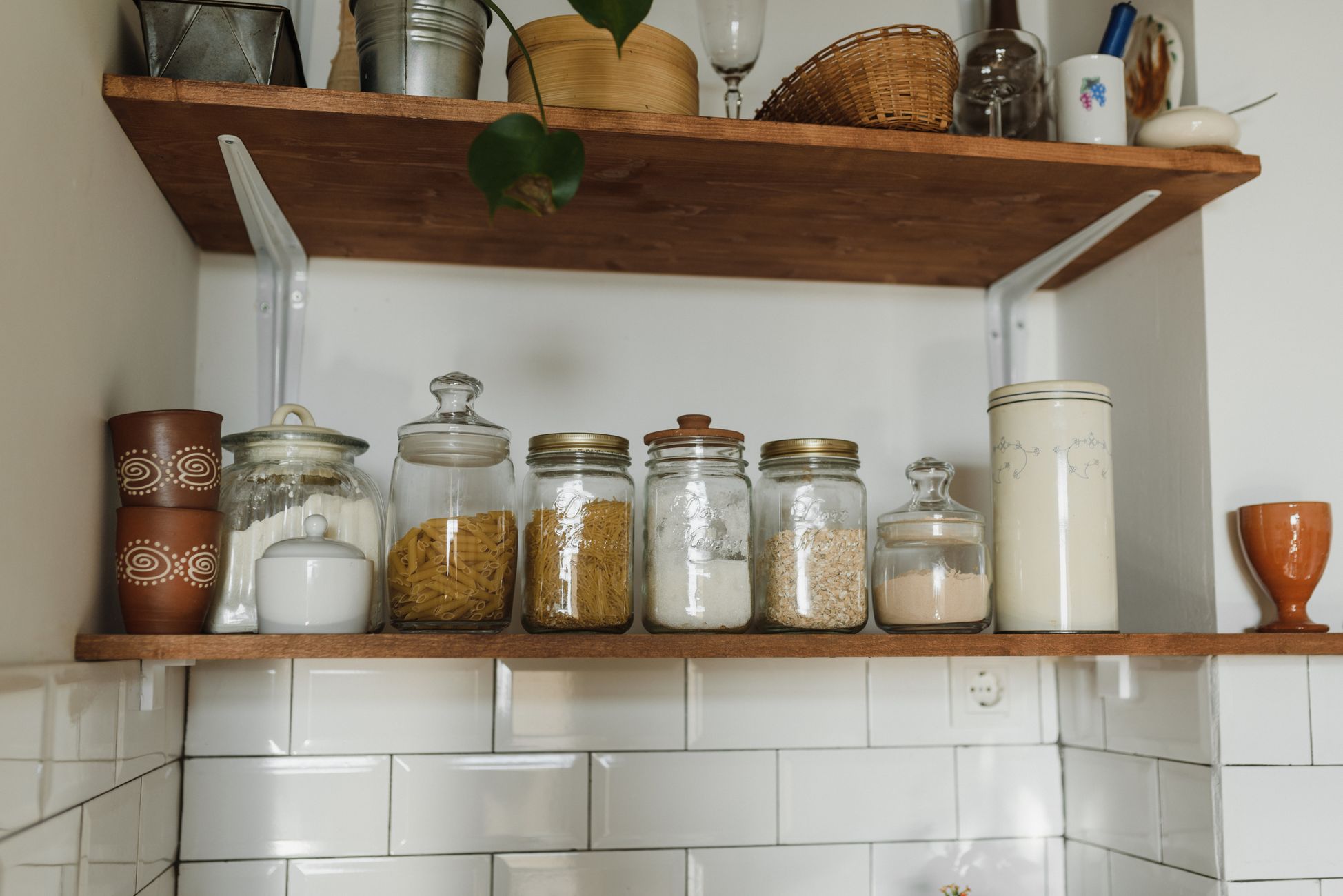
Keep coffee away from heat sources at home too. The cupboard above the stove is the worst place in most kitchens, and the shelf next to the espresso machine or the oven is not much better. A machine that runs for an hour a day is warming everything around it.
Keep it out of light, since light drives oxidation as well. A cupboard beats a countertop, and an opaque container beats a clear one.
Keep it sealed. Squeeze the air out of a valve bag before rolling it closed, or use an airtight container. The point is to reduce the oxygen sitting in contact with the coffee.
And buy in amounts you will actually drink within a few weeks. Storage discipline slows the decline, it does not stop it, and the single most effective thing anyone can do is not have a large quantity of coffee sitting around aging.
What About the Freezer
Freezing works, with conditions, and it works because it is the same principle in the other direction. Cold slows the reactions dramatically.
The requirement is that the coffee be sealed properly and thoroughly, ideally vacuum sealed or at minimum in an airtight container with as little air as possible, and that it be portioned so you are not repeatedly thawing and refreezing the same bag. Condensation forming on cold beans when they hit room air is the failure mode, and it is avoided by taking out only what you need or by letting a sealed container come fully to room temperature before opening it.
Refrigeration is a different story and generally not worth it. The temperature reduction is modest, the humidity is high, and coffee readily absorbs odors from everything else in there.
The Honest Summary
Coffee is a perishable agricultural product with a short window where it is at its best, and the window closes faster than most people think. Roast date, not a printed best by date, is the number that matters, and two to four weeks past roast is where most coffee is genuinely good.
Within that window, heat is the variable that can collapse it quickest. A month of careful storage in a cool dark cupboard preserves most of what the roaster built. An afternoon at a hundred and thirty degrees spends a large chunk of it in a few hours, and there is no way to get it back.
The coffee will still be drinkable. It just will not be the coffee you bought.
Keep a fresh bag coming instead of stockpiling.
All images shown in this blog are sourced from pexels.com.