


A roast profile looks like a recipe. Charge at this temperature, apply this much heat, hit first crack around here, drop at this time. Follow it and you get the same coffee every time.
Except a roaster who follows the exact same settings in January and in July will produce two different coffees. The machine is the same, the green is the same, the numbers on the screen are the same, and the cup is not. What changed is the air, and since roasting is mostly the business of moving heat through air into beans, the air is not a background detail.
Drink coffee from people who adjust for what the day is doing.
The Air the Roaster Pulls In Comes From Outside
Every roaster draws ambient air, heats it, passes it through the coffee, and exhausts it. That intake air is whatever is in the building, and in most roasteries the building is loosely coupled to the outdoors because of the volume of air being moved.
On a cold dry morning, the machine is heating air that started at a much lower temperature. Reaching a given air temperature takes more energy, and if the burner is at a fixed setting it simply delivers less heat to the beans than it would on a warm day.
On a hot humid afternoon, the intake air arrives already warm, so less energy is needed for the same delivered temperature. Same gas setting, more effective heat.
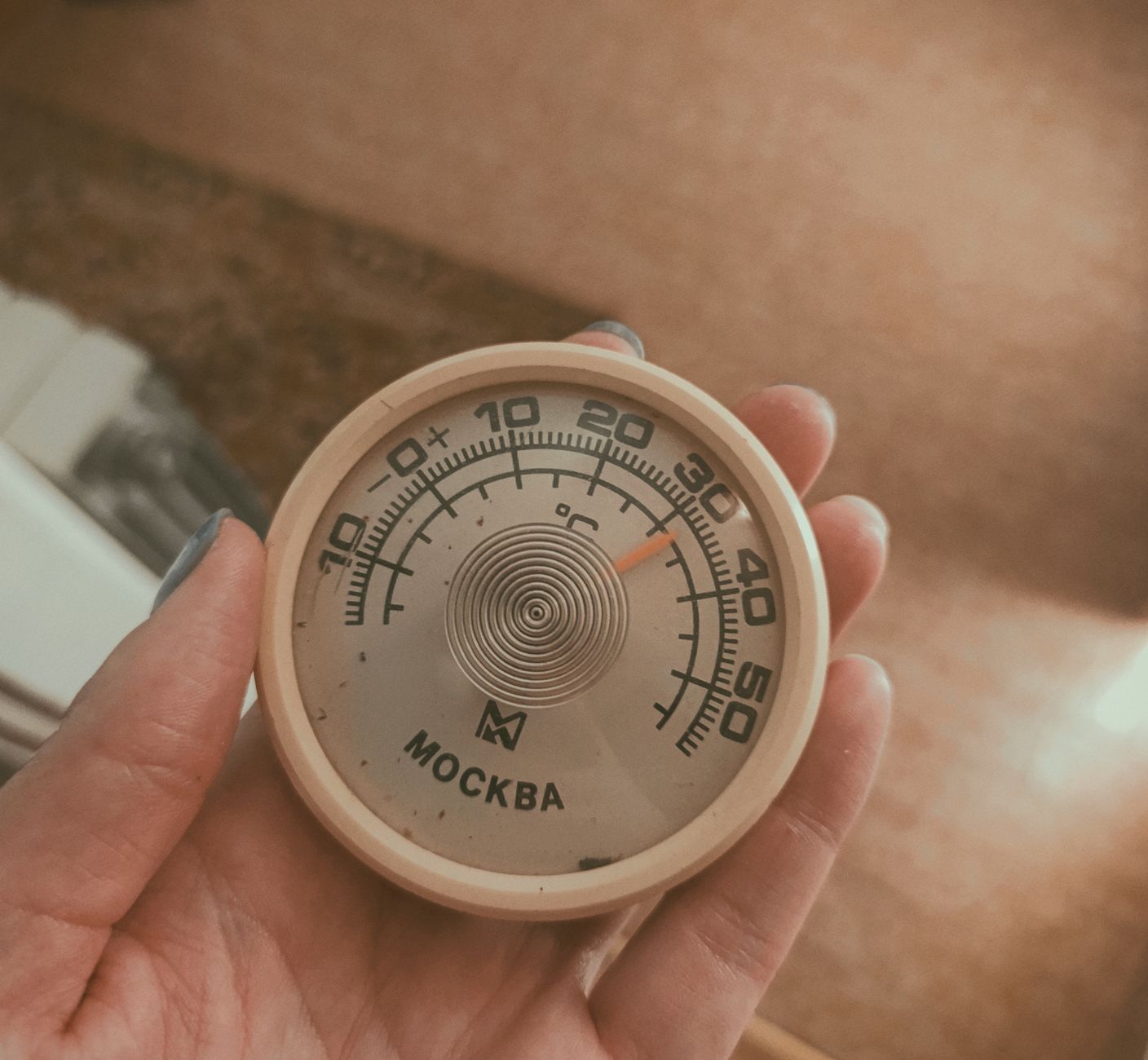
The gap is not small. Between a cold winter morning and a hot summer afternoon, a roastery can see intake air varying by fifty degrees or more, and roasters who track this find their profiles need meaningfully different gas settings across the year to produce the same curve.
Humidity Carries Heat Differently
Temperature is the obvious variable. Humidity is the one that catches people out.
Moist air has a higher heat capacity than dry air, which means it takes more energy to raise it to a given temperature and it also carries more energy once it is there. It transfers heat to the beans somewhat differently, and it changes how readily moisture leaves the coffee during the drying phase.
In very humid conditions, the drying phase can run slower, because the air moving past the beans is already carrying water and has less capacity to take on more. The early part of the roast stretches, and if the roaster does not compensate, the whole curve shifts and development time compresses at the far end.
In very dry conditions the opposite occurs. Moisture leaves the beans readily, the drying phase runs short, and the coffee arrives at first crack earlier than the profile expects with less time spent building the sugars that flavor depends on.
Roasteries in places with real seasons feel this hardest. A roastery in a climate controlled space feels it least, which is one reason larger operations invest in conditioning their intake air.
The Green Coffee Changes With the Weather Too
There is a second path by which weather reaches the roast, and it is slower but just as real.
Green coffee is hygroscopic. Stored in a warehouse that tracks ambient humidity, it gains moisture in a humid season and loses it in a dry one. A lot that measured eleven percent moisture on arrival in spring can read differently by late summer if it was stored in an uncontrolled space.
Moisture content directly changes how a bean roasts. Wetter beans need more energy early and produce a louder, later first crack. Drier beans run ahead of the profile and reach first crack sooner with less behind it.
So a roaster in August may be dealing with warmer intake air and slightly different green than they had in February, and both push the curve in a direction that has to be corrected.
Buy coffee that tastes the same in every season.
Barometric Pressure Is the Subtle One
This one sounds like superstition until you look at what a roaster's fan is actually doing.
The fan moves a volume of air, and the amount of oxygen and mass in that volume depends on air density, which depends on pressure and temperature. On a low pressure day, the same fan setting moves less mass of air. Combustion behaves slightly differently and convective heat transfer changes with it.
The effect is smaller than temperature and humidity, and plenty of roasters ignore it. Those running very tight profiles on high value coffee track it, along with the other ambient conditions, in a log next to every batch. When a roast comes out differently than expected and the usual suspects are ruled out, the ambient log is often where the explanation is.
At altitude the pressure effect is permanent rather than daily, which is why a roast profile developed at sea level does not transfer to a roastery in the mountains. Less dense air means different heat transfer and different combustion, and roasters who relocate have to redevelop everything.
What Adjusting Actually Looks Like
The correction is not dramatic. It is a set of small moves made before the day starts.
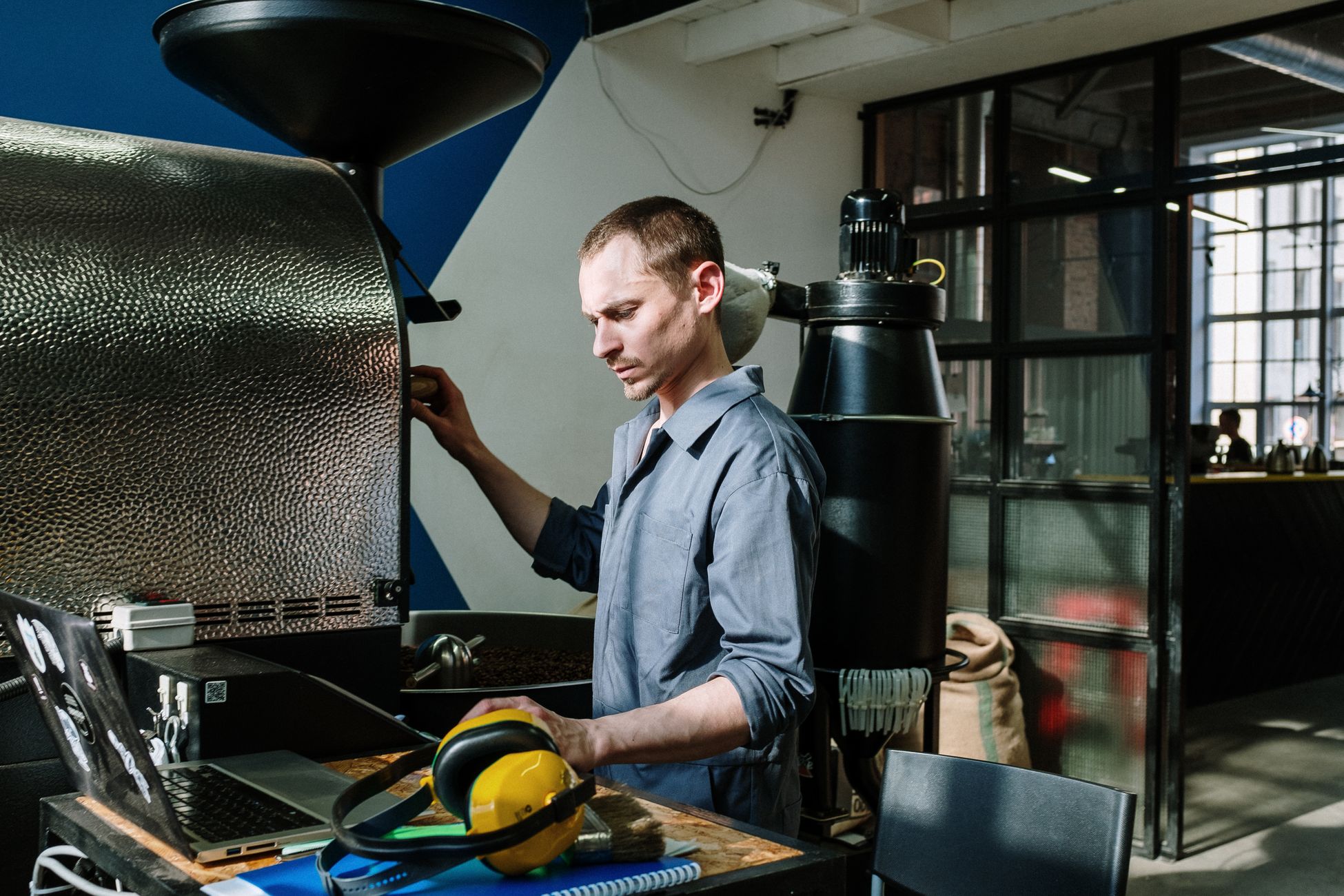
The roaster checks the ambient conditions, compares to the reference conditions the profile was built under, and adjusts. Charge temperature moves a few degrees. The gas application in the first phase changes. Airflow might shift slightly to account for air density. Between batch spacing gets adjusted, since the machine sheds heat faster in a cold room.
Then the first production batch gets watched more carefully than usual, and the roaster reads the recovery time and the rate of rise to confirm the adjustment landed correctly. If the curve is running ahead or behind, they correct again for the next batch.
Roasteries with good records make this fast, because they have a year of data connecting ambient conditions to the settings that worked. New roasteries do it by feel and by cupping until they build that history.
Why It Matters to What You Buy
The whole point of the exercise is that you should not be able to tell what the weather was doing.
A bag of a roaster's flagship coffee bought in December and another bought in July should taste like the same coffee. If they do not, either the green changed, which the roaster should tell you about, or the roast drifted with the seasons, which means nobody was compensating.
This is one of the practical reasons roast consistency is harder than it looks, and why it is a legitimate marker of a roaster's quality rather than a given. Anyone can produce one excellent batch. Producing the same excellent batch through a temperature swing, a humid week, and a green lot that has been in the warehouse for four months is the actual job.
The coffee in your grinder was roasted on a specific day under specific conditions by someone who either accounted for them or did not. When it tastes exactly like the last bag, that is not the machine repeating itself. That is a person doing arithmetic before they lit the burner.
Find a roaster whose consistency you can count on.
All images shown in this blog are sourced from pexels.com.