


Order a mocha today and you get espresso, steamed milk, and chocolate, usually with a little whipped cream on top. It is one of the most popular drinks on any cafe menu, and most people assume the name has something to do with chocolate.
It does now. But it did not start that way. The word mocha comes from a small port city on the Red Sea coast of Yemen, a place that once sat at the center of the entire world coffee trade. The journey from that port to your cafe cup is one of the best stories in coffee history.
Find a coffee with natural chocolate notes in our most popular collection
A Port On The Red Sea
The city is called Mokha, sometimes spelled Mocha or Al Makha. It sits on Yemen's southwestern coast, near the narrow strait where the Red Sea meets the Gulf of Aden.
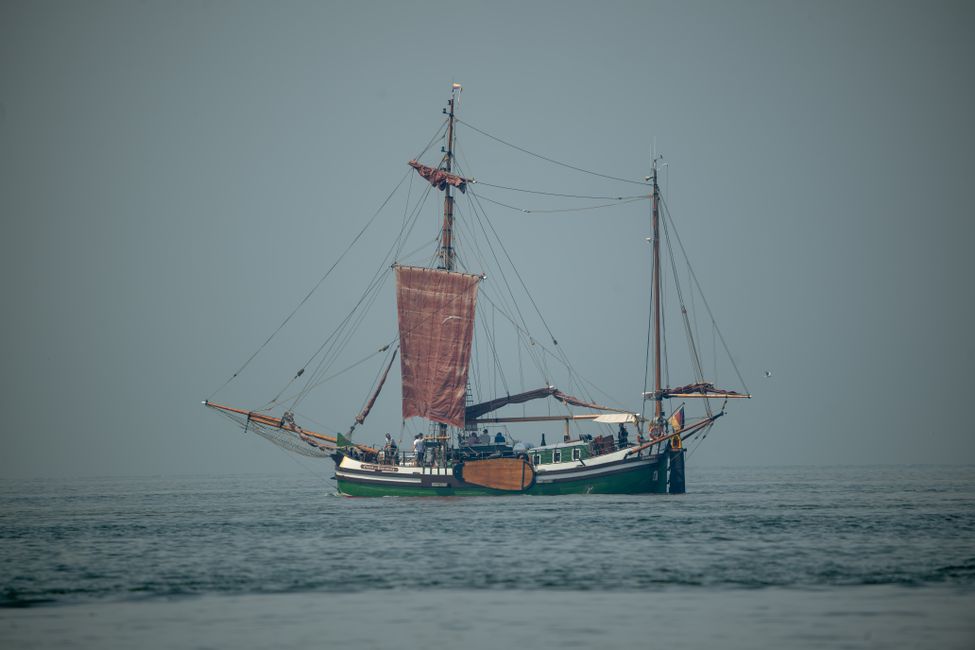
For centuries, Mokha was a busy trading port. Ships from India, Egypt, the Ottoman Empire, and eventually Europe came to buy goods there. And starting around the fifteenth and sixteenth centuries, the most important of those goods was coffee.
Yemen Was Coffee's First Big Farm
Coffee plants originally grew wild in the forests of Ethiopia. But Yemen was where coffee was first cultivated on a large scale as a crop and turned into a drink people traded and drank widely.
Sufi mystics in Yemen drank coffee to help them stay awake during long nights of prayer. From there, coffee spread to Mecca, Cairo, Istanbul, and across the Middle East. As demand grew, Yemeni farmers planted coffee on terraced mountain slopes inland, and the harvest made its way down to the coast.
Mokha became the main export point. For a long stretch of history, if you were buying coffee anywhere in the world, it very likely passed through that port. The name of the city became attached to the coffee itself. Buyers asked for Mocha coffee the way people today might ask for Colombian or Kenyan.
Why People Linked Mocha To Chocolate
Coffee from Yemen had a distinctive flavor. It was traditionally dried inside the cherry, a method now called natural processing. That gave the beans a heavy body, wild fruit notes, and a deep, rich character that many drinkers described as chocolatey.
Over time, as coffee from Yemen became famous for those flavors, the word mocha started to carry a double meaning. It meant coffee from Yemen, and it also suggested that rich, chocolate-like taste.
Eventually, cafes started adding actual chocolate to coffee and calling the drink a mocha, partly to evoke that flavor. The idea was that the chocolate imitated or enhanced the famous Mocha coffee character. Over time, the drink became more familiar than the port, and most people today have no idea there was ever a city behind the name.
The Oldest Coffee Blend
Mocha also gave its name to one of the first famous coffee blends: Mocha Java.
In the seventeenth century, the Dutch began growing coffee on the island of Java in Indonesia. Java coffee was earthy, heavy, and smooth. Traders discovered that mixing bright, wild, fruity Yemeni coffee with full-bodied Javanese coffee created a balanced, complex cup.
Mocha Java became a classic and is often called the world's oldest coffee blend. Roasters still sell blends with that name today, though many modern versions use coffee from other origins that mimic the original style.
Explore rich, chocolatey coffees in our most popular collection
What Happened To The Port
Mokha's dominance did not last forever. In the late seventeenth and eighteenth centuries, European powers started growing coffee in their own colonies. The Dutch planted coffee in Java, the French on the island then called Bourbon and in the Caribbean, and the Portuguese and others in Brazil.
As coffee spread across the tropics, Yemen lost its near monopoly. Trade shifted to other ports, and Mokha's harbor gradually silted up. The city that once welcomed ships from around the world became a much quieter place.
But the name lived on, attached to a style of coffee, a famous blend, and eventually one of the world's most popular cafe drinks.
Yemeni Coffee Today
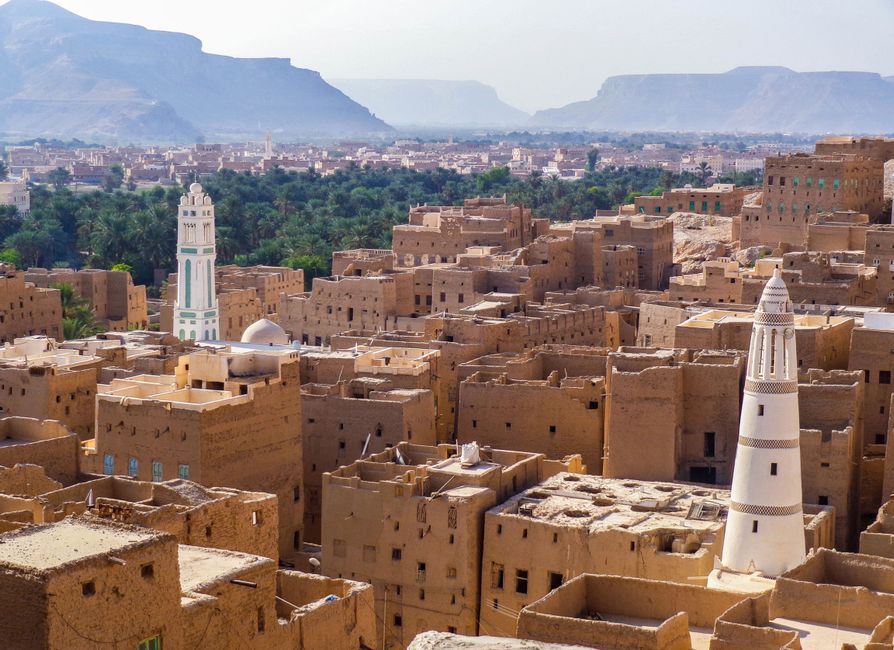
Yemen still grows coffee, much of it in the same mountainous regions that supplied the old trade. Farms are small, often terraced, and frequently at high elevations. Many traditional varieties grow there, and much of the coffee is still dried naturally in the cherry.
Yemeni coffee is rare and often expensive, partly because production is small and the country has faced serious conflict and economic challenges. When you can find it, it often tastes complex and wild, with dried fruit, spice, and yes, cocoa notes that echo the old reputation.
The Modern Mocha Drink
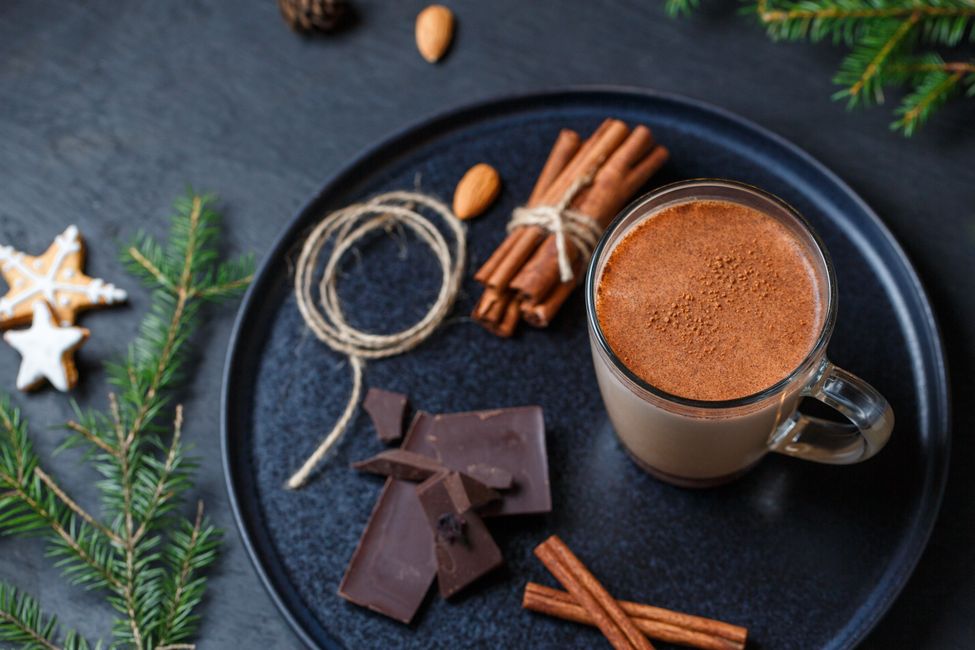
Today's cafe mocha usually starts with a shot or two of espresso, adds chocolate sauce or cocoa, and finishes with steamed milk. Some cafes top it with whipped cream. White chocolate mochas, peppermint mochas, and other variations have become seasonal favorites.
The drink works because coffee and chocolate genuinely complement each other. Both are roasted, both are bitter-sweet, and both have deep, rich flavors. A good mocha uses quality chocolate and an espresso with enough body to stand up to it.
How To Make A Better Mocha At Home
Start with good espresso or strong coffee. A medium roast with chocolate and caramel notes works beautifully because it doubles down on the flavors already in the drink.
Use real chocolate. Melt a small amount of dark chocolate into the espresso, or mix high-quality cocoa powder with a little sugar and hot water to make your own sauce. It tastes richer and less artificial than many store-bought syrups.
Steam or warm your milk and pour it over the chocolate-espresso mix. Stir well and taste. Adjust the chocolate to your preference.
For a nod to history, try a mocha made with a naturally processed coffee. Those fruity, chocolate-leaning beans connect your cup to the Yemeni coffees that started it all.
Taste The Connection Yourself
You can explore this history in your own kitchen. Brew a naturally processed coffee, ideally one with tasting notes that mention cocoa, dried fruit, or berries, and drink it black. Pay attention to the heavy body and the chocolate-like depth that shows up as it cools.
Then make a mocha with the same beans. Notice how the real chocolate picks up flavors that were already there in the plain cup. The drink stops feeling like coffee with chocolate added and starts feeling like coffee with its chocolate side turned up.
That is basically the idea that gave the mocha its name, a few centuries and one very long supply chain later.
Try the same experiment with a washed coffee too. Its cleaner, brighter profile will taste quite different under chocolate, which shows just how much the original Mocha beans shaped what the drink became.
A Name With A Long Memory
The next time you order a mocha, you are holding a little piece of history. The name traces back to a port on the Red Sea, the first great coffee trade, and beans so famously rich that people compared them to chocolate.
The port may be quiet now, but its name is on cafe menus all over the world.
All images shown in this blog are sourced from pexels.com.