

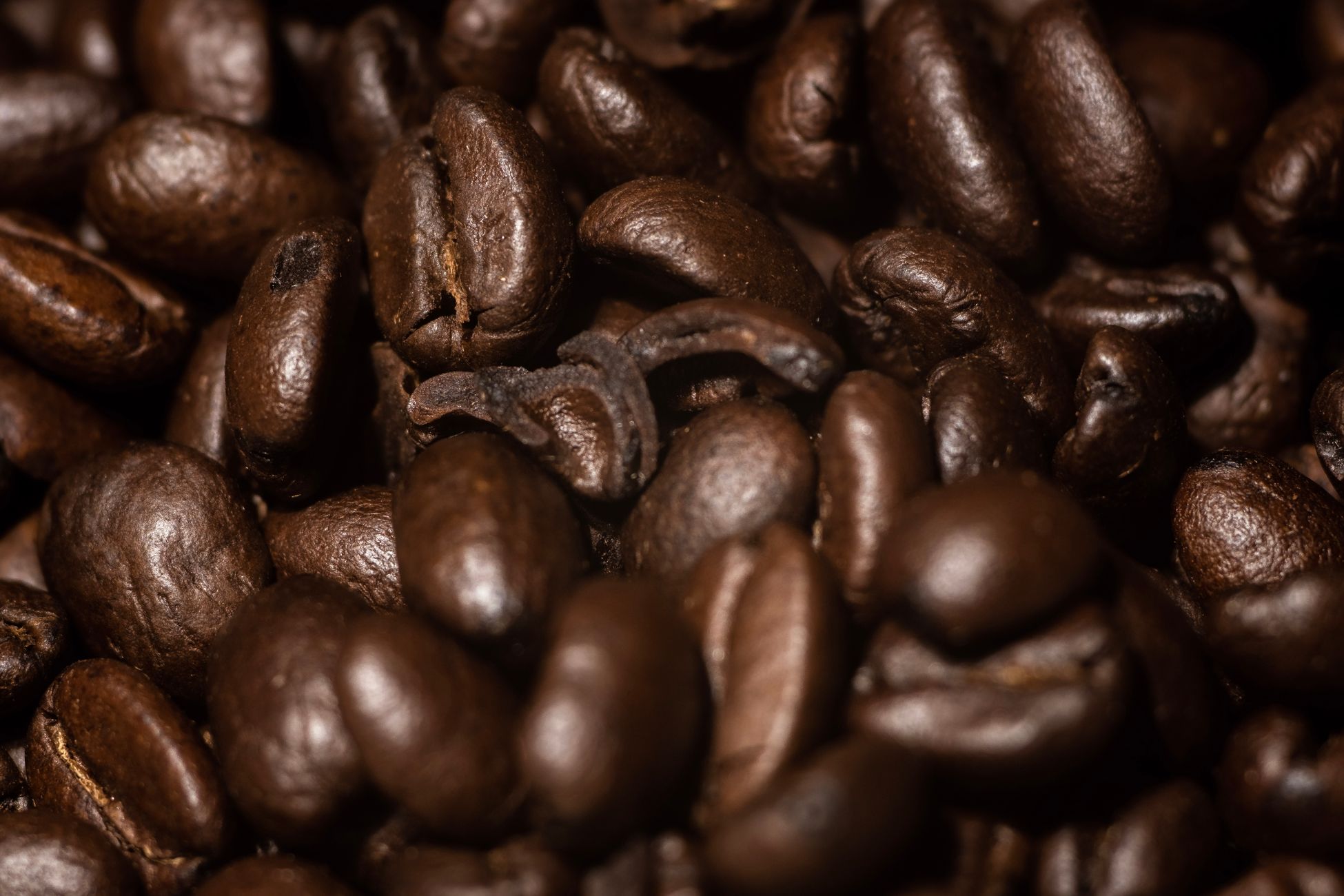
Coffee tastes bitter, so people blame the roast. It is the most common diagnosis in coffee and it is right maybe a third of the time.
Bitterness has several distinct sources, they produce different kinds of bitterness, and they call for completely different fixes. Reaching for a lighter roast when the actual problem is your water or your ratio means you buy a new bag, get the same result, and conclude that coffee is just like that.
Here is what is actually making your coffee bitter, roughly in order of how often it is the culprit.
Start with a fresh bag and rule one thing out immediately.
First, What Bitterness Even Is
Bitterness is one of the basic tastes, and biologically it is a warning system. Humans have a large number of bitter receptor types, far more than for sweet or salty, because detecting bitter compounds historically meant detecting things that might harm you.
In coffee, several classes of compounds trigger those receptors. The main ones worth knowing:
Chlorogenic acid lactones, formed as chlorogenic acids break down during roasting. These give a pleasant, coffee like bitterness in moderation, the kind that makes coffee taste like coffee rather than like fruit juice.
Phenylindanes, formed when those lactones break down further at higher roast levels. These are the harsh, lingering, aggressive bitterness associated with dark roast, and they hang around on the palate long after you swallow.
Caffeine, which is bitter but contributes a surprisingly small share of the total, commonly estimated at around 10 to 15 percent. Decaf coffee is still bitter, which is the easiest proof that caffeine is not the main driver.
Late stage extraction compounds, the heavier, less soluble material that comes out of the grounds last.
Some bitterness is desirable. A cup with zero bitterness tastes thin and unbalanced, which is why a badly under extracted coffee is not pleasant either. The goal is not eliminating bitterness, it is eliminating the harsh kind.

Over Extraction Is the Most Common Cause
Coffee's soluble compounds do not all come out at once. Acids and fruit character come out early, sugars and sweetness in the middle, and the heavy bitter and drying compounds last.
Push extraction too far and you pull the late material into the cup. That is over extraction, and it is the single most common source of bitterness in home brewing.
The signature is bitterness plus a dry, astringent feeling on your tongue and cheeks, like over steeped tea. The finish is hollow. The cup feels harsh rather than heavy.
Causes, in the order worth checking:
Grind too fine. More surface area, faster extraction, and in percolation brewing, slower flow, which compounds it.
Brew time too long. Common with French press left to sit, or a pour over that stalled.
Water too hot. Boiling water extracts more aggressively than water at 200 degrees.
Ratio too low. Too little coffee for too much water forces the water to strip everything out of the grounds it has. This one surprises people, because weak and bitter sounds contradictory, and it is exactly what a low ratio produces.
Uneven Extraction Is the Sneaky One
Here is the case that breaks people's troubleshooting, because the cup tastes bitter and sour at the same time.
If part of your coffee bed extracts heavily and part barely extracts at all, you get both problems in one cup. Averaging them tells you nothing. Grinding coarser makes the under extracted portion worse. Grinding finer makes the over extracted portion worse. Nothing works, because the problem is not the amount of extraction, it is the distribution of it.
Causes: channeling, where water finds a low resistance path and races through it; an uneven or sloped coffee bed; clumped grounds that never fully wet; and a grinder producing a wide spread of particle sizes, so tiny fines over extract while boulders sit there doing nothing.
Fixes here are physical, not numerical. Stir or swirl the bloom so every particle gets wet. Keep the bed level. Distribute espresso grounds properly before tamping. And if your grinder produces a lot of fines and boulders, that is a hardware limit no technique fully overcomes.
Water Is a Bigger Factor Than Almost Anyone Accounts For
Coffee is about 98 percent water, and the mineral content of that water changes both extraction and perception.
High alkalinity is the main offender. Alkalinity is water's capacity to neutralize acid, and coffee is full of acids. Brew with high alkalinity water and it flattens the bright acidity that would otherwise balance the cup, leaving the bitterness exposed with nothing to counter it. The coffee reads as heavy, dull, and bitter, even at a perfectly reasonable extraction.
Very low mineral content, like distilled or heavily filtered reverse osmosis water, causes a different problem. Without minerals to bind and carry flavor compounds, extraction goes lopsided and the cup tastes flat and often harsh.
If your coffee is bitter across every brew method and every bag, and you have not touched your water, that is the first thing to change. Filtered water with moderate mineral content solves more mystery bitterness than any grind adjustment.
Buy fresh, and give good water something worth extracting.
Stale Coffee and Rancid Oils
Coffee oils oxidize. Given enough time and air exposure, they go rancid, and rancid oil is bitter in a specific way that is closer to unpleasant than harsh.
Old beans are one version of this. Coffee kept for months past its roast date, in a bag that has been opened and closed daily, develops a dull, cardboard flavor with a bitter, slightly greasy edge.
The dirtier version lives in your equipment. Coffee residue left in a grinder's burr chamber, in the chute, on a French press mesh, in a metal filter, or in the group head of an espresso machine goes rancid and contributes that flavor to every subsequent brew. It is the most overlooked cause on this list and one of the easiest to fix.
If your coffee tastes bitter in a way that seems to belong to the equipment rather than the cup, clean everything. Empty the grinder, brush the burrs, scrub the filters, backflush the machine. Then brew again before you change anything else.
Roast Level, Finally
Roast does cause bitterness, and it does so through those phenylindanes formed at higher roast levels. A very dark roast will be bitter, and that is not a defect, it is the intended profile for people who want that flavor.
But notice how far down the list this comes. Roast level is fixed the moment you buy the bag, which makes it the most visible variable and the easiest to blame. The variables above it are all things you control every morning and mostly never adjust.
There is also a roasting fault worth separating from roast level. Under developed coffee, roasted too fast or stopped too early, produces a harsh, grassy, sour bitterness that is different from dark roast bitterness. Baked coffee, roasted too slowly, comes out flat and dull with a papery bitterness. Both are roasting problems and no brewing adjustment will save them.
A Diagnosis Order That Works
When your coffee is bitter, work through it like this.
Is it also drying and astringent, with a hollow finish? Over extraction. Go coarser, shorten the brew, or lower the water temperature.
Is it bitter and sour at the same time? Uneven extraction. Fix the bed, wet everything, check your grinder.
Is it bitter across every coffee and every method? Water or equipment. Change to filtered water and clean everything before touching anything else.
Does it taste dull, flat, or cardboard like alongside the bitterness? Stale beans or rancid residue.
Is it clean, heavy, and lingering, with a burnt edge, on a fresh dark roast? That is roast level, and it is working as intended. Buy a lighter roast if you want something else.
Most people run that list backwards, starting with the bean and never reaching the water. Run it forwards and you will fix the problem in about two brews instead of two months.
All images shown in this blog are sourced from pexels.com.