

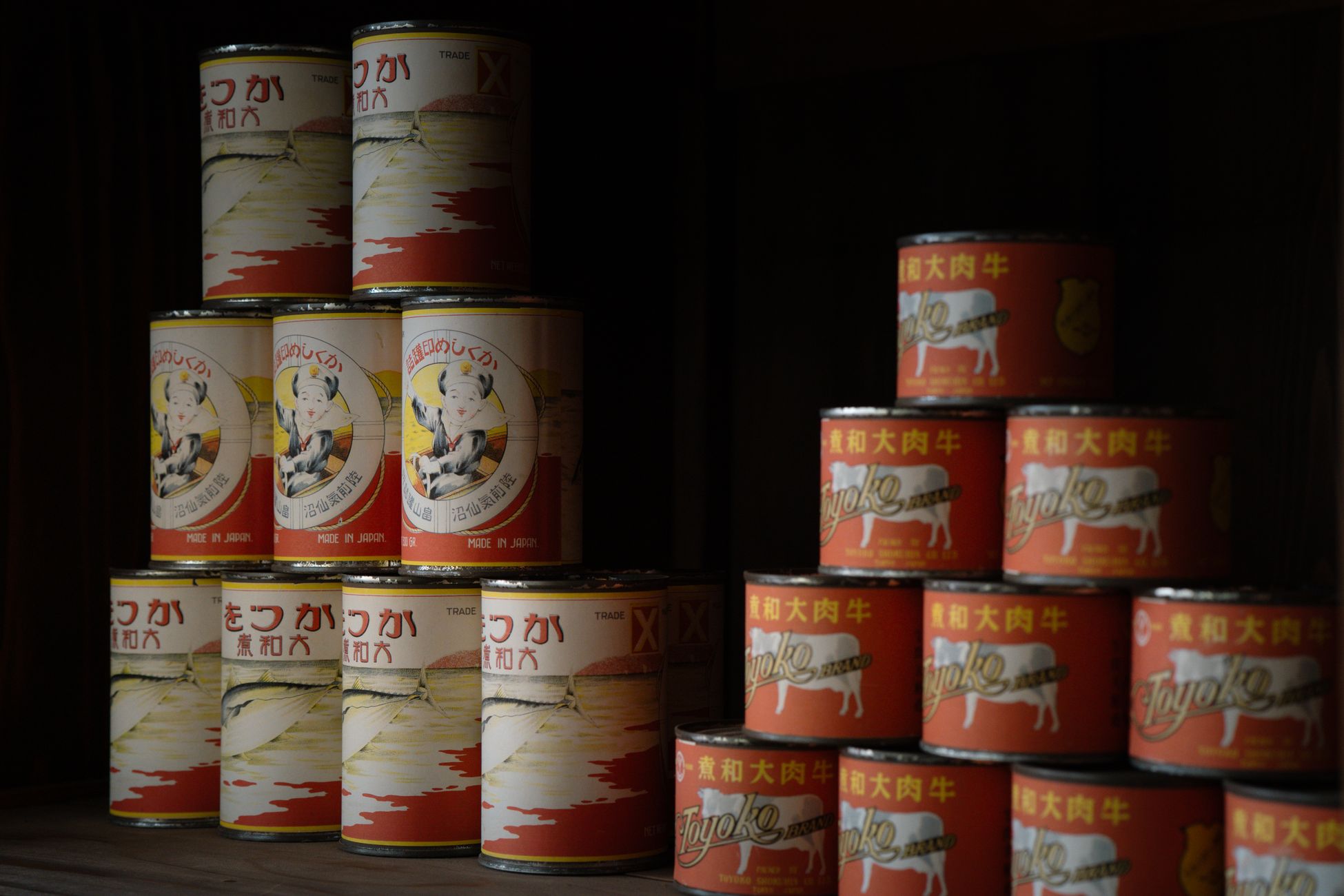
The phrase third wave gets used constantly and explained almost never. It shows up on cafe websites, in roaster bios, and in arguments about whether a five dollar filter coffee is reasonable, usually as a signal that something is serious and modern.
It is a genuinely useful framework, and it did not come from marketing. It came from a coffee professional trying to describe a shift she was watching happen. Knowing what each wave actually was makes it much easier to understand why coffee is sold the way it is now, why bags carry so much information, and why a lot of what people believe about coffee comes from an era that ended decades ago.
See what the current wave looks like on a shelf.
Where the Term Came From
Trish Rothgeb, a roaster and coffee professional, used the phrase in an article in 2002, borrowing the wave structure from how people talk about movements in feminism and other social change. She was describing what she saw emerging as a distinct third phase, and the name stuck so thoroughly that the first two waves got named retroactively.
That is worth remembering. Nobody in 1950 thought they were living in the first wave. The categories were drawn afterward, by someone trying to explain a change in progress, which means the boundaries are useful rather than precise.
The First Wave Made Coffee Universal
The first wave runs roughly from the late nineteenth century through the middle of the twentieth, and its achievement was availability.
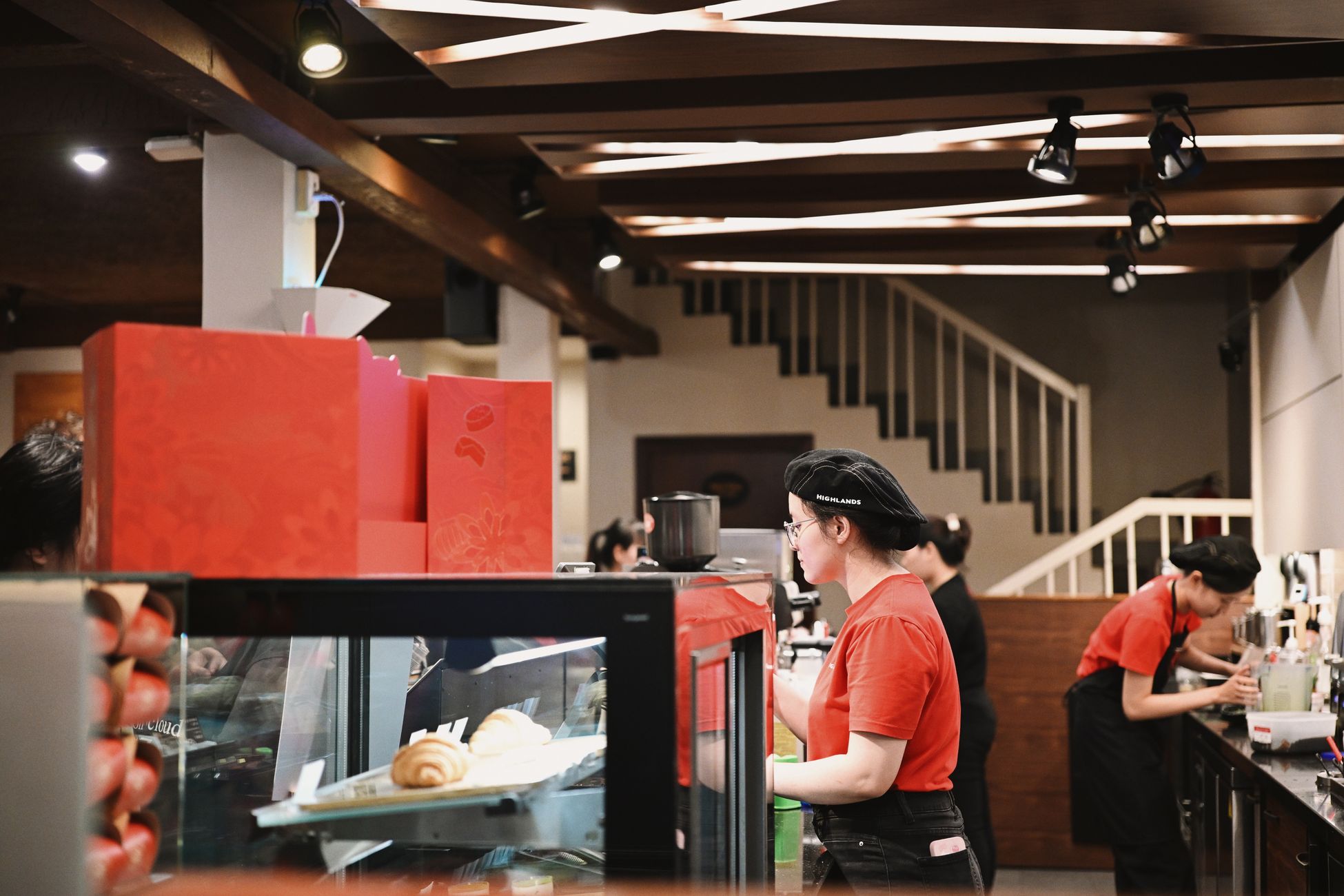
Coffee went from a product you bought green and roasted at home to something you bought in a can, pre roasted and pre ground, at any grocery store, at a price almost anyone could pay. Vacuum packing arrived. Instant coffee arrived and scaled enormously. Advertising built national brands where before there had been local roasters and importers.
The priorities were price, shelf stability, and consistency. Blends were built for uniformity across huge volumes and across years, which meant sourcing on price and roasting dark enough to flatten variation between lots.
The results were what you would expect. Coffee was everywhere, it was cheap, and it was not very good. Freshness was not a concept anyone marketed, because the entire supply chain was built around coffee that would sit for months. The convention of an expiration date rather than a roast date comes from here, and it survives on supermarket shelves today.
It is easy to sneer at this era and worth remembering that it is the reason coffee became a daily habit for most of the world rather than a luxury. Everything after it is built on the distribution network it created.
The Second Wave Made Coffee an Experience
The second wave begins in the 1960s and accelerates enormously through the 1980s and 1990s.
The shift was from coffee as a commodity to coffee as something worth caring about, sold in a place designed for you to sit in. Espresso drinks moved from Italian American neighbourhoods into the mainstream. The cafe became a destination. Terms like latte, cappuccino, and espresso entered ordinary vocabulary, and origin appeared on menus for the first time, though usually as a broad label like Colombian or Kenyan rather than anything more specific.
Roast profiles went dark, and that was a deliberate choice rather than an accident. Dark roasting produced a bold, consistent flavor that was recognizably different from the thin canned coffee people were used to, it stood up well in milk drinks, and it flattened differences between lots so a chain could taste the same in every city.
The second wave also created the entire modern cafe economy, trained a generation of baristas, and got millions of people to accept that coffee could cost more than a token amount if the experience justified it.
Its limitation was that the coffee itself was still mostly a vehicle. The origin was a flavor label, the roast obscured what made a particular lot distinctive, and the drink was frequently more about the milk and the syrup than about what came out of the ground.
Find a coffee that tastes like where it came from.

The Third Wave Made Coffee Agricultural
The third wave, from roughly the late 1990s onward, treats coffee the way wine has been treated for a long time. It is an agricultural product whose character comes from a specific place, a specific plant, a specific process, and a specific person who grew it.
The practical markers are all things you can see on a bag today.
Traceability. Not just Ethiopia but a region, a washing station, sometimes a single farm and a single lot. The producer gets named.
Lighter roasting. The goal shifts from imposing a roast flavor to revealing what the coffee already contains. Roasts move lighter so that origin character, acidity, and sweetness survive.
Processing as information. Washed, natural, honey, anaerobic. Buyers learn that how the fruit was removed changes the cup as much as where it grew.
Freshness as a standard. Roast dates on bags. The expectation that coffee is best in the weeks after roasting rather than at some point before an expiration date.
Measurement. Scales, timers, ratios, refractometers, temperature control. Brewing becomes a repeatable recipe rather than a habit.
Direct relationships and higher prices at origin. Roasters travel to farms, buy specific lots, and pay above commodity price for quality, which changes the economics for producers who can meet that standard.
Black coffee as the default way to evaluate. Not because milk is wrong, but because you cannot assess a coffee's character through it.
That is the wave most specialty roasters operate in, and it is why a bag now carries a paragraph of information that would have been meaningless in 1985.
Whether There Is a Fourth Wave
People argue about this constantly and there is no settled answer.
The most common claim is that a fourth wave is defined by science and accessibility together. Precision equipment reaching home kitchens at reasonable prices. Published research on extraction, water chemistry, and grind distribution replacing received wisdom. Specialty coffee moving out of dedicated cafes and into supermarkets, offices, and subscription boxes without losing its standards.
Others argue that a fourth wave should be defined by sustainability and equity, meaning real transparency on what producers are paid, serious attention to climate adaptation, and a supply chain that survives the pressure it is under.
A reasonable position is that both are extensions of the third wave rather than a break from it. The third wave established that origin and craft matter. Everything since has been about making that more rigorous, more affordable, and more sustainable.
Which One You Are Drinking
The honest answer for most people is a mix, and there is nothing wrong with that.
If you buy pre ground coffee in a large tin with an expiration date, that is first wave, and it is fine for what it is.
If you buy a dark roast espresso blend from a large chain and drink it as a latte, that is second wave, and there is a reason that model built an industry.
If your bag has a roast date, a named region, a process, and tasting notes, and you own a scale, you are drinking third wave whether or not you use the phrase.
The framework is most useful as a way to notice that a lot of common coffee beliefs, that dark means strong, that coffee lasts a year, that origin is just a name, are artifacts of an earlier era rather than facts. Each wave solved the previous one's real problem and created its own. The current one has produced better coffee than has ever been widely available, and it has also produced a fair amount of fussiness that does not improve anything.
Take what is useful from it. Buy fresh, know where it came from, weigh your dose, and drink it however you actually enjoy it.
Pick a bag that tells you where it came from.
All images shown in this blog are sourced from pexels.com.