

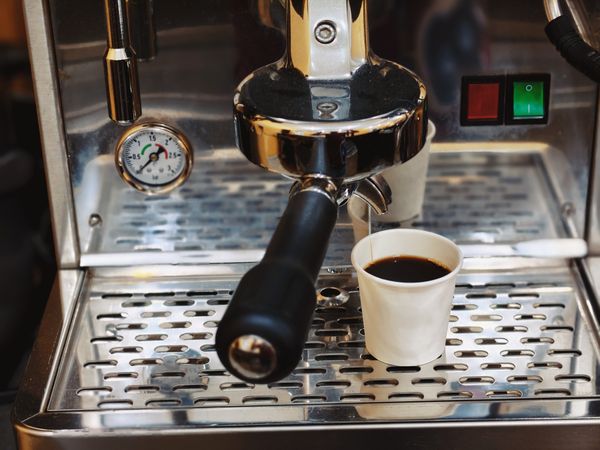
If you have spent any time around espresso, you have heard the number nine. Nine bars of pressure, said like a sacred figure, printed on machines and repeated in every guide. Most people nod along without ever knowing what a bar is, why nine of them matter, or what that pressure is actually doing inside the machine. It sounds like engineering trivia. It is not. That pressure is the single thing that separates espresso from every other way of making coffee, and understanding it explains why espresso tastes the way it does.
Espresso is not defined by being strong, or small, or Italian. It is defined by pressure. Take the pressure away and you do not have a weak espresso, you have something else entirely. So it is worth understanding what those nine bars do, where the number comes from, and why it matters to the cup in front of you.
Pressure only has good coffee to work with if you give it good coffee. Start with a fresh espresso roast so the machine has something worth extracting.
What a Bar of Pressure Even Is
Start with the unit, because it makes the rest make sense. One bar is roughly the pressure of the earth's atmosphere at sea level, the weight of all that air pressing down on you right now. It is a normal, everyday amount of pressure that you never notice because you live inside it.
Nine bars, then, is nine times the pressure of the atmosphere. That is a lot. It is more than three times the pressure in most car tires. An espresso machine takes hot water and forces it through a small puck of finely ground coffee at nine times atmospheric pressure, in about thirty seconds. No other common brew method comes remotely close. Pour over and drip use gravity, roughly one bar. A French press uses none to speak of. Espresso stands alone because of what that pressure makes possible.

What the Pressure Actually Does to the Coffee
Here is the heart of it. Under nine bars, water is forced through the coffee fast and hard, and it does two things that low pressure brewing simply cannot.
First, it extracts more, and faster. The pressure drives water into the grounds and dissolves coffee compounds at a speed gravity could never manage. That is why espresso is so concentrated. You are pulling a full extraction out of a small amount of water in half a minute, which is why a single ounce of espresso carries more intensity than a full mug of drip.
Second, and this is the part that makes espresso espresso, the pressure emulsifies the coffee's oils and forces carbon dioxide into suspension. In gravity brewing, oils largely stay behind in the grounds or get trapped by a paper filter. Under nine bars, they are driven into the liquid and whipped into a fine emulsion, the same way a vigorous whisk turns oil and vinegar into a creamy dressing. That emulsion is what gives real espresso its heavy, syrupy body and its signature layer of crema on top. Without the pressure, there is no crema and no body. You would just have strong, thin coffee.
Where the Number Nine Comes From
Nine bars is not arbitrary, and it is not magic either. It is the number the coffee world settled on over decades of building machines and tasting the results, because it sits in a sweet spot.
Push the pressure too low, say three or four bars, and the water moves through too gently. You lose the emulsification and the body, and the shot comes out thin and weak, closer to strong drip than to espresso. Push it too high, well past nine, and problems appear. The water starts forcing its way through the puck too violently, blasting channels through the coffee and extracting unevenly. You get harsh, bitter, astringent flavors and a shot that is over extracted in some spots and under extracted in others. Nine bars turned out to be the point where you get full body and crema without tipping into that violence. It is a balance, discovered by trial, not handed down from physics.
See the roasts our customers pull first and give your machine a coffee built for the pressure.
Pressure and the Puck Work Together
Here is the piece most explanations leave out. The nine bars only works because of the resistance the coffee puck provides. Pressure and resistance are two halves of the same system, and neither means anything alone.
When you grind fine and tamp the coffee into a dense, even puck, you create resistance. The pump pushes water at nine bars, and the puck pushes back, and that struggle is what forces the water to slowly, evenly saturate every part of the coffee and extract it properly. If the puck has no resistance, if the grind is too coarse or the dose too low, the water just rushes through and the pressure never really builds against the coffee. This is why grind size and dose matter so much. They are how you tune the resistance so the machine's pressure has something to work against. The machine supplies the force. You supply the puck that turns that force into a good shot.
Why Your Shot Runs Fast or Slow
Once you understand pressure meeting resistance, the behavior of your shots stops being mysterious. If your espresso gushes out fast and pale, the puck is not providing enough resistance. The grind is too coarse, or the dose is too low, so the nine bars is finding an easy path through. Grind finer, add more coffee, and the resistance rises to meet the pressure.
If your shot chokes, dripping out slow and dark or barely coming at all, the puck is providing too much resistance. The grind is too fine or the dose too high, and the water cannot push through even at nine bars. Grind coarser or dose a little less. The whole act of dialing in espresso is really just adjusting the puck's resistance until it balances the machine's fixed pressure and gives you a shot that pours in the right window, usually twenty five to thirty five seconds for a double. You are not changing the pressure. You are changing what the pressure has to fight.
The Takeaway
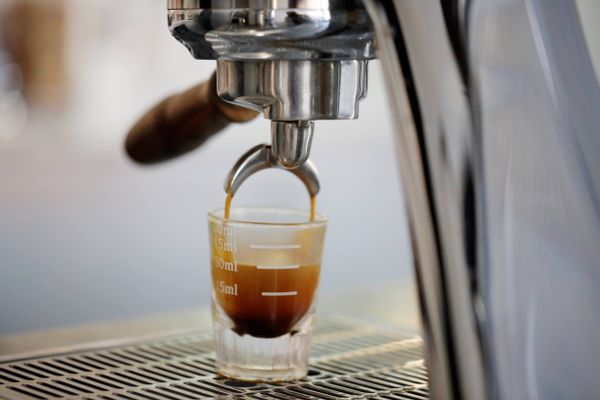
Nine bars of pressure is not a spec to memorize. It is the whole reason espresso exists as its own thing. That pressure concentrates the coffee far beyond what gravity can do, and it emulsifies the oils and gases into the heavy body and crema that define the drink. The number nine is the balance point where you get all of that without the harshness that comes from pushing harder.
And crucially, the pressure is only half the equation. It needs a well made puck to push against, which is why your grind and your dose matter as much as the machine. Get fresh coffee, build an even puck with the right resistance, and let those nine bars do exactly what they were meant to do. That is the difference between strong coffee and a real shot of espresso.
Pull your next shot with a fresh roast
All images shown in this blog are sourced from pexels.com.