

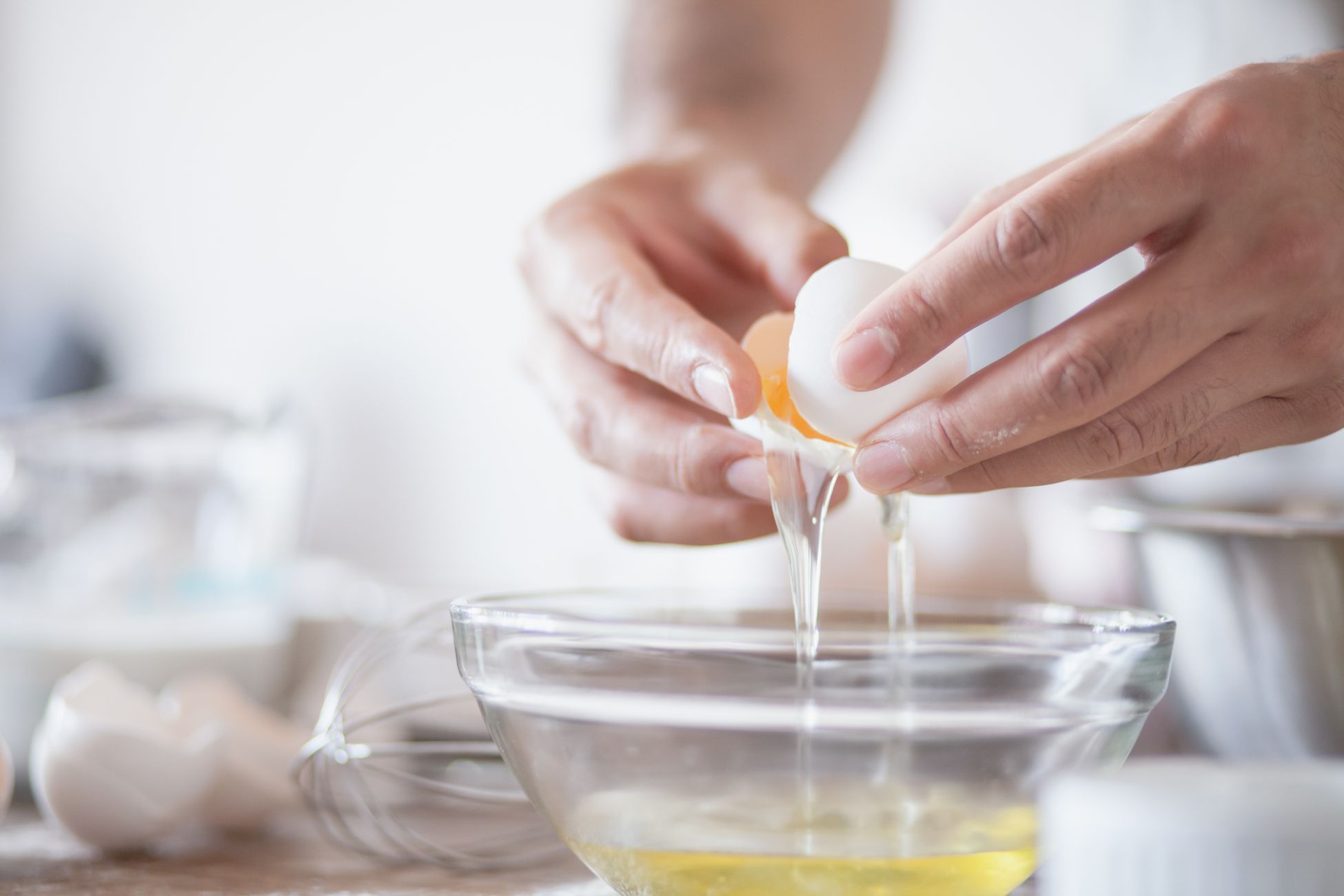
Cracking a raw egg into a pile of coffee grounds sounds like a dare. For generations of Scandinavian American families in the upper Midwest, it was simply how coffee was made. Swedish egg coffee, sometimes called Scandinavian or Norwegian egg coffee, has been brewed in farmhouse kitchens and church basements for well over a century, and the people who grew up drinking it swear it is the smoothest cup they have ever had.
They are not wrong. The egg does something real to the coffee. It does not add an eggy flavor, and it does not make the coffee creamy. It makes it clear, mellow, and remarkably free of bitterness. Here is what egg coffee is, how it works, and how to make it yourself.
Explore our most popular coffees
Where Egg Coffee Comes From
Egg coffee is most closely tied to the Swedish and Norwegian immigrants who settled in Minnesota, Wisconsin, and the Dakotas in the late 1800s and early 1900s. Coffee was central to their social life, and big gatherings were common: church suppers, funerals, weddings, and community potlucks. Those events meant brewing coffee in huge enamel pots on the stove, often for dozens or even hundreds of people.
Boiling coffee in a big pot was simple, but it had a problem. Grounds floated, muddied the coffee, and made the last cups gritty and bitter. Adding an egg solved that. The technique became so linked with church gatherings that many people still call it church basement coffee.
Today, egg coffee is a nostalgic tradition kept alive in family kitchens, at Lutheran church events, and at Scandinavian heritage festivals across the Midwest. Ask around in Minnesota and you will find people who still make it every Sunday.
How The Egg Works
The magic is protein. When you mix a raw egg with coffee grounds and add them to boiling water, the egg proteins cook and coagulate. As they firm up, they trap the fine coffee particles and pull them together into clumps.
This is the same principle cooks use to clarify broth. To make a crystal clear consommé, chefs whisk egg whites into a cloudy stock and heat it gently. The whites cook into a floating raft that catches the tiny particles clouding the stock, leaving a clear liquid behind. Egg coffee does the same thing with coffee grounds.
The proteins also bind to some of the compounds in coffee that taste bitter and astringent, especially certain polyphenols. Those compounds end up in the clump of egg and grounds instead of in your cup. The result is coffee that tastes softer and rounder, with noticeably less bitterness and bite.
Finally, the clumped grounds are heavier than loose ones, so they settle to the bottom of the pot quickly once you add cold water. That makes it easy to pour clean coffee off the top without a paper filter.
What It Tastes Like
People who taste egg coffee for the first time usually describe it in one word: smooth. It is lighter in color than you might expect, often a clear amber or golden brown instead of an opaque dark brown. The body is light and clean. Bitterness is muted, and the coffee goes down easily, which helps explain how church volunteers could serve cup after cup to a crowd.
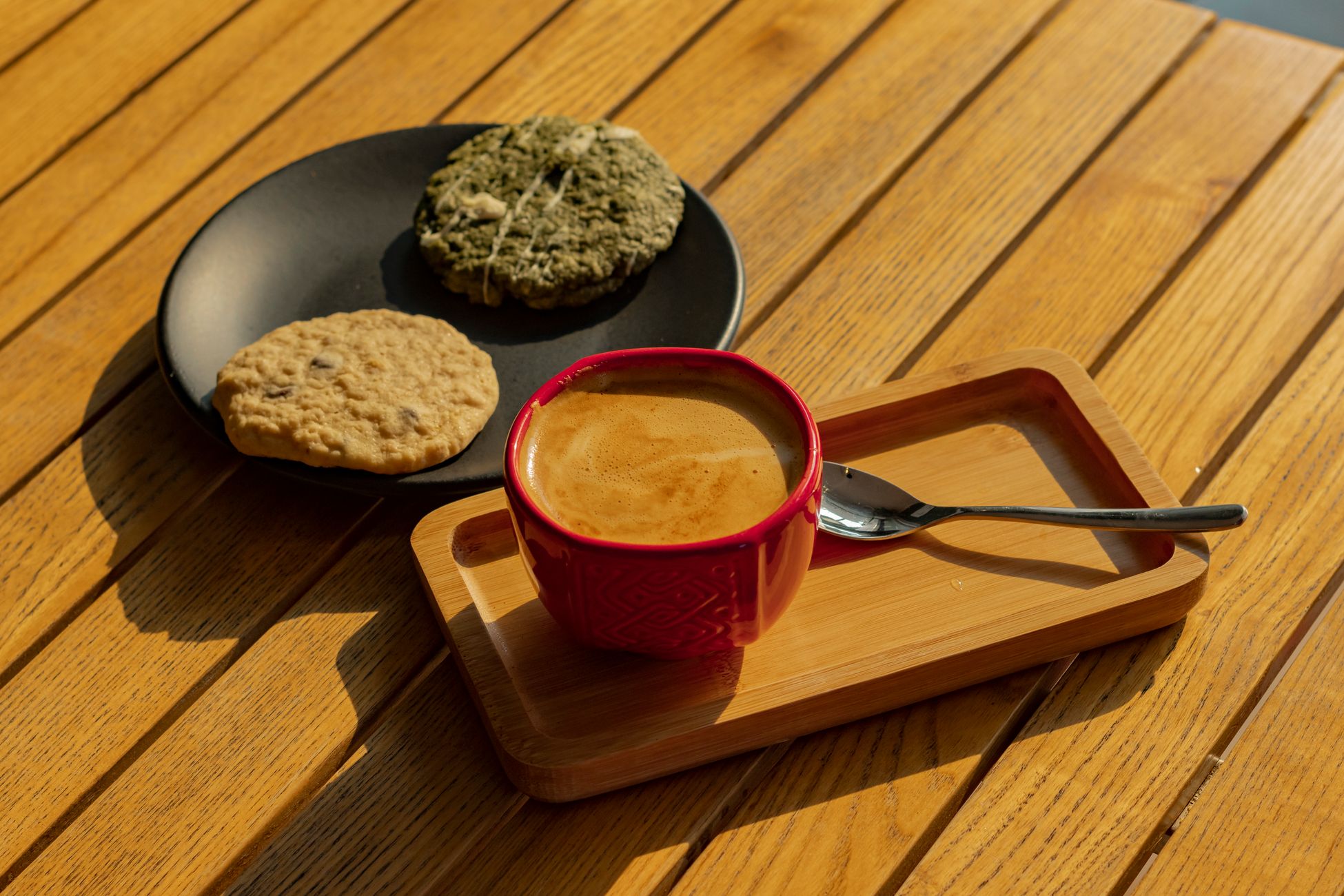
The trade off is that some of the coffee's brightness and complexity soften too. Egg coffee is not about highlighting delicate tasting notes. It is about comfort and smoothness, the perfect cup alongside a plate of cookies and a long conversation.
There is no egg taste. The egg is cooked and removed with the grounds, and it leaves behind nothing you would notice.
Find a smooth, chocolatey coffee for your next pot
How To Make Swedish Egg Coffee
You will need a pot, a stove, coffee, an egg, and a fine mesh strainer. Here is a simple version for about eight cups.
Bring about eight cups of water to a boil in a large pot.
While it heats, put roughly two thirds of a cup of medium ground coffee in a bowl. Crack in one raw egg. Many traditional recipes include the shell too, crushed into the grounds, which some families believe helps the clarifying. Add a splash of cold water and stir until the grounds look like wet sand or a thick paste.
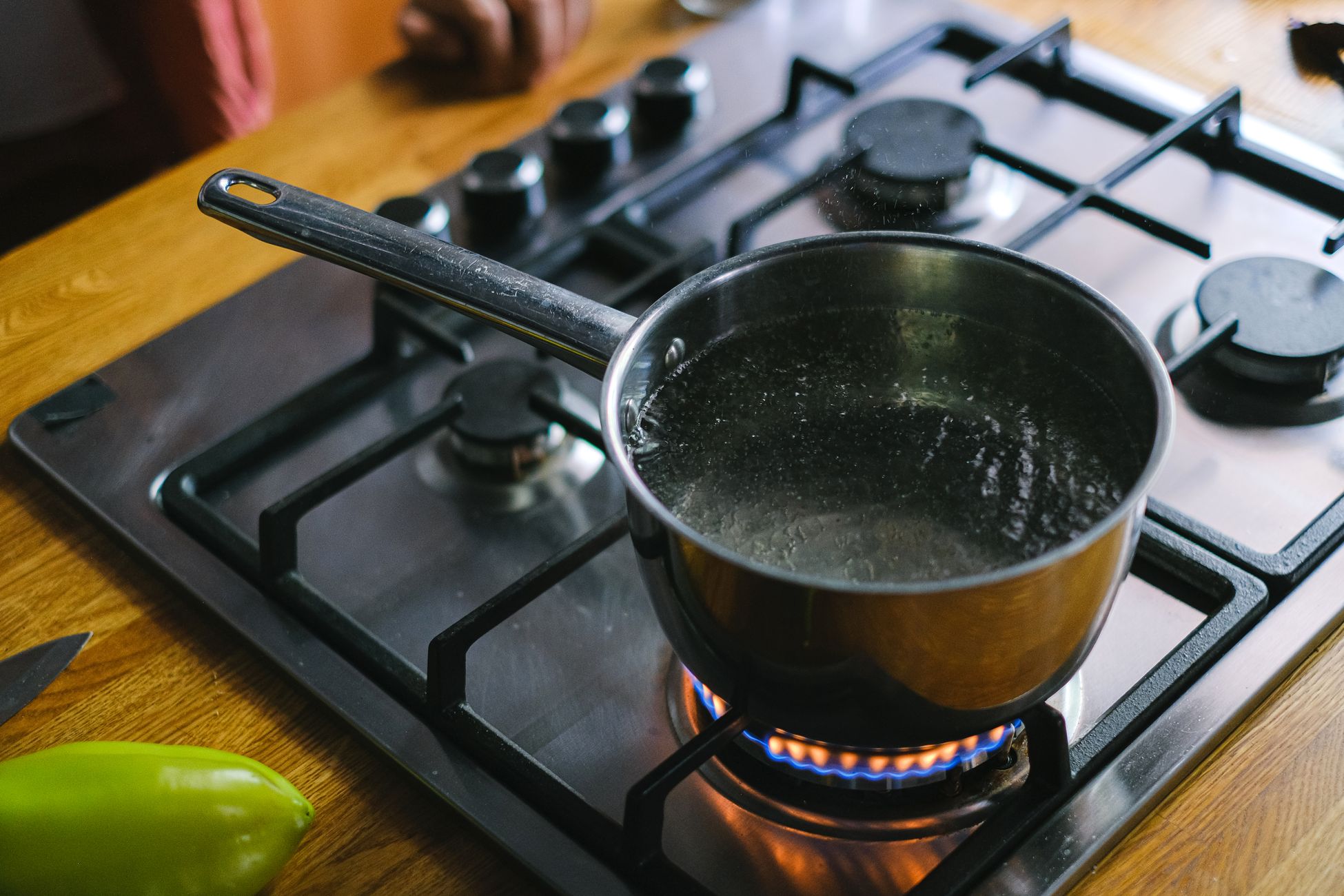
When the water boils, add the egg and coffee mixture to the pot. It will foam up, so watch it closely and lower the heat if needed. Let it boil gently for about three minutes. The egg will cook, and you will see the grounds come together into a clumpy mass.
Take the pot off the heat and pour in about a cup of cold water. This shocks the grounds and helps them sink. Let the pot sit for a few minutes.
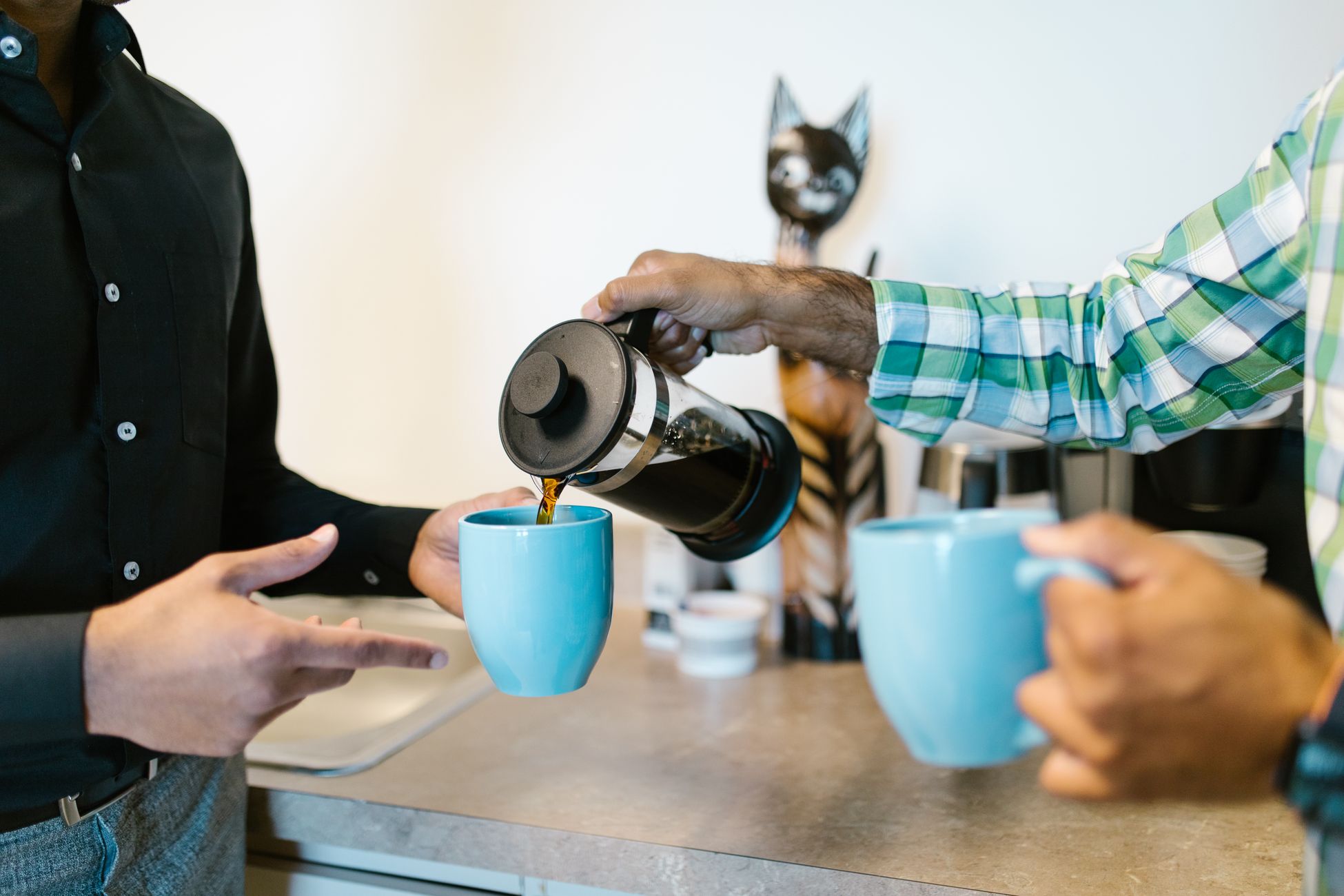
Pour the coffee carefully through a fine mesh strainer into cups or a carafe. The clump of grounds and egg stays behind.
Choosing Coffee For Egg Coffee
Traditionally, egg coffee was made with whatever ordinary coffee a family could buy, often a medium or darker roast. The egg was partly a way to make inexpensive coffee taste better. You can use any coffee, but a medium roast with chocolate and caramel notes tends to shine in this method. Its sweetness comes through while the egg softens any rough edges.
Very bright, light roasts can work too, but you may lose some of the fruit and acidity that make them special. If you want to experiment, brew the same coffee as egg coffee and as a pour over and taste them side by side. The difference is fascinating.
Is It Safe?
Because the coffee boils for several minutes after the egg goes in, the egg is fully cooked. That makes the method as safe as any cooked egg dish. Use fresh eggs, and if you are concerned about the shell, wash it before cracking or leave it out entirely.
Egg Coffee Around The World
Swedish egg coffee is not the only coffee that uses eggs. In Hanoi, Vietnam, egg coffee is a completely different drink, made by whipping egg yolks with sweetened condensed milk into a thick, sweet foam and spooning it over strong coffee. It is rich and dessert like, closer to a custard than a clarified brew.
The two drinks share an ingredient and almost nothing else. Swedish egg coffee uses the egg to take things out of the cup. Vietnamese egg coffee uses the egg as a luxurious topping.
Why It Belongs At A Holiday Gathering
Egg coffee was built for crowds, which makes it a fun choice when family comes over this time of year. A single big pot serves a lot of people, it needs no special equipment beyond a strainer, and it stays smooth even as it sits. It also makes a great story. Most guests have never heard of it, and watching someone crack an egg into the coffee grounds is guaranteed to start a conversation.
If you have older relatives with Scandinavian roots, ask them about it. There is a good chance someone at the table remembers a grandmother or a church kitchen making it exactly this way.
Why It Is Worth Trying
Egg coffee is a great reminder that people have been tinkering with coffee for centuries, solving problems with whatever was in the kitchen. Farm families with a big pot and a few eggs figured out a clarifying technique that chefs still use in fine restaurants.
Even if you usually brew with a pour over or an espresso machine, making a pot of egg coffee is a fun weekend project and a guaranteed conversation starter. Start with good, fresh beans and you might be surprised at how much you enjoy it.
All images shown in this blog are sourced from pexels.com.