


Before a roaster buys a single sack of green coffee, they roast some of it. Not to sell, not to drink for pleasure, and not on the machine that produces the bags you buy. They roast a hundred grams of it on a tiny machine built for exactly this, taste it, and decide.
That process is called sample roasting, and it is one of the least visible parts of the supply chain and one of the most consequential. It is the step where a roaster finds out whether the coffee an exporter described in an email actually exists in the cup.
Taste what careful buying produces.
What a Sample Actually Is
When a coffee is offered for sale, whether by an importer, an exporter, or a farm directly, the offer comes with a sample. Usually 200 to 350 grams of green coffee in a small vacuum sealed bag, shipped by courier, arriving with a spec sheet listing origin, farm, varietal, process, altitude, screen size, moisture content, and a price.
That paperwork is a description. Nobody buys on the description alone, because the same varietal grown on the same farm in two consecutive years can taste meaningfully different, and because a spec sheet cannot tell you whether a coffee is going to be interesting.
A roaster may receive dozens of these in a week during buying season. Each one needs to be roasted and tasted before any of them can be compared.

Why It Needs a Different Machine
You cannot sample roast on a production roaster. A machine built to roast twenty kilos at a time does not work at two hundred grams. There is not enough mass to hold heat, the bean probe reads air instead of coffee, and the result tells you nothing about the coffee.
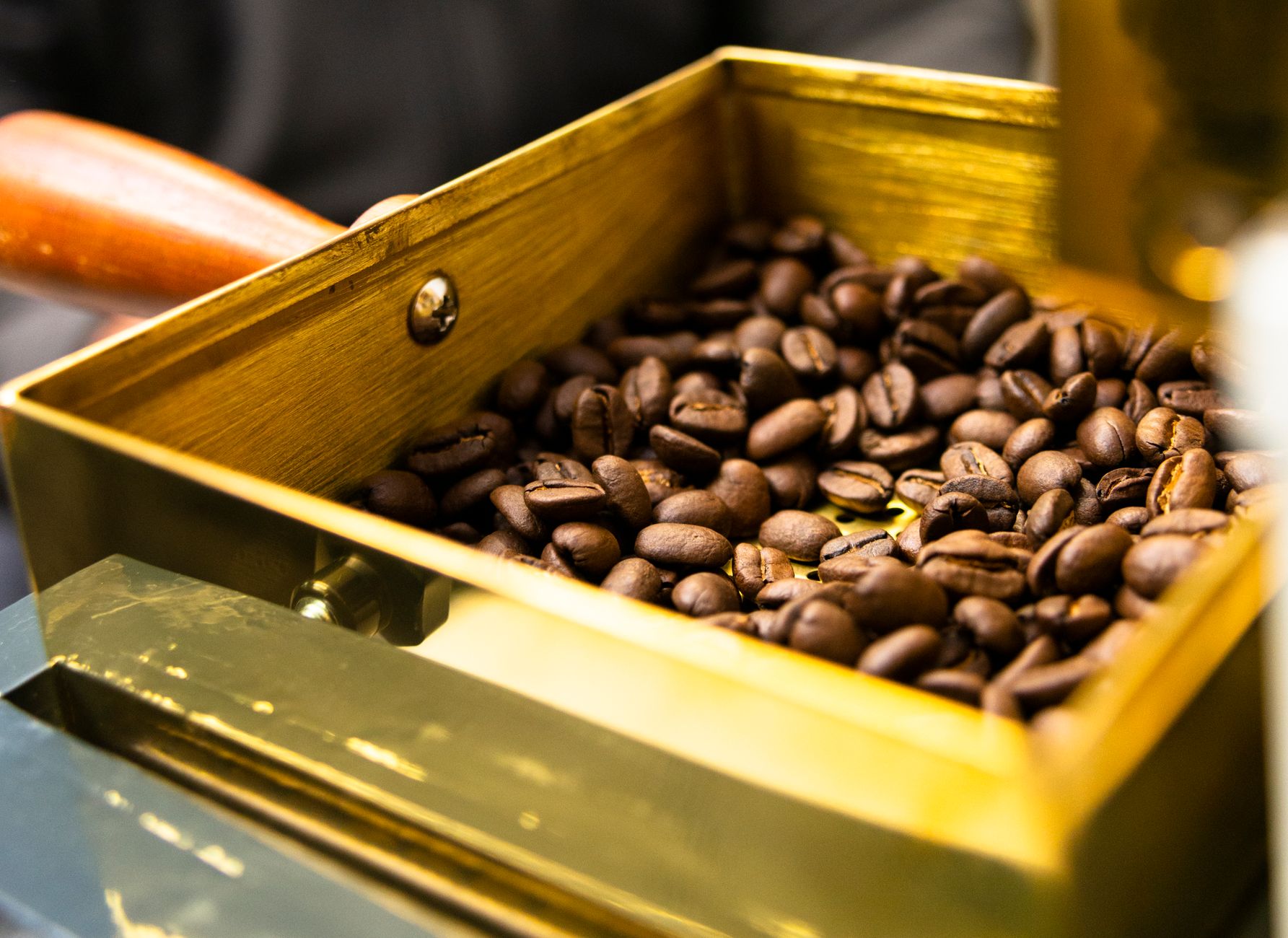
Sample roasters are small drum machines, often with several barrels side by side so you can run four or eight or twelve samples in one session. They heat fast and they roast fast, typically eight to ten minutes.
They are also deliberately simple. A sample roast is not trying to produce a delicious cup. It is trying to produce a neutral, repeatable, transparent roast that gets out of the way so the buyer can taste the coffee rather than the roasting.
That is the whole logic. Roast every sample the same way, and the differences you taste between cups belong to the coffees.
The Roast Is Deliberately Boring
Sample roast profiles land light, usually somewhere between a Agtron reading a shade lighter than a typical filter roast and a full city. Light enough that origin character is fully present and not covered by roast development.
They avoid the things a production roast does deliberately. No extended development after first crack to build body. No profile shaping to bring out a particular note. No adjusting for what a particular coffee seems to want.
That is counterintuitive, because it means a sample roast will almost never taste as good as the finished product will. A roaster is not tasting the coffee at its best. They are tasting it stripped, in a way that exposes its raw material and its defects.
Defects are the point. If a coffee has a phenolic note, or a ferment problem, or the flat papery character of an old crop, a light neutral roast puts it in plain view. A darker roast would hide it, which is exactly why buyers do not use one.
Then Comes the Cupping Table
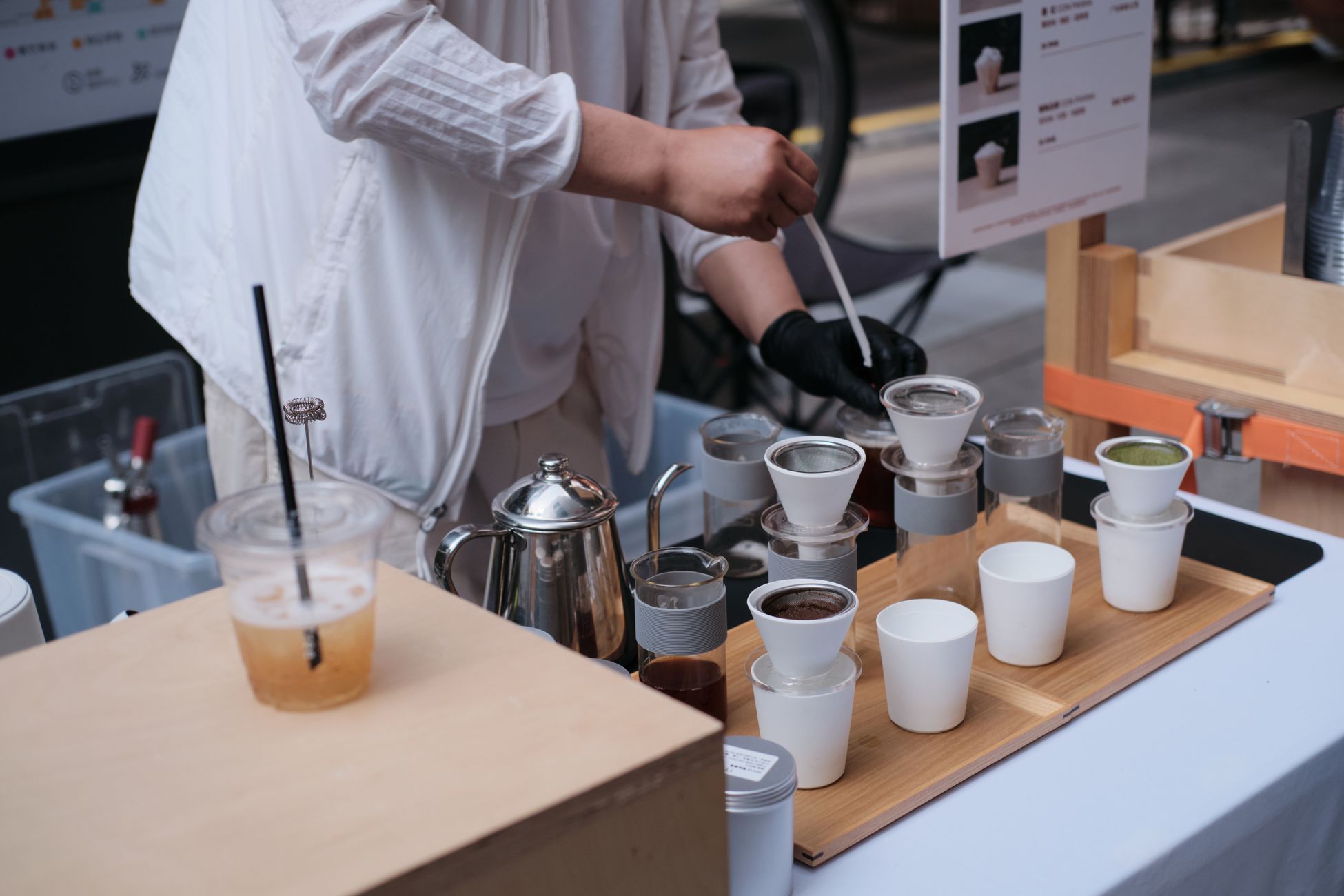
Sample roasting is only half the job. The roasted samples go to a cupping, where they are ground, brought to a standard dose and water ratio in identical bowls, and tasted blind.
Blind matters. Prices, farm names, and reputations move palates. A cupper who knows they are tasting a famous farm at eighteen dollars a pound has a thumb on the scale before the first slurp.
The coffees get scored on aroma, flavor, aftertaste, acidity, body, balance, uniformity, sweetness, cleanliness, and overall impression. The scores are useful mainly as a sorting tool. What actually decides a purchase is a set of practical questions.
Does this coffee do something the ones we already buy do not? Will it work as a single origin, or does it belong in a blend? Will it hold up as espresso? Is it distinctive enough to justify the price? Do we have customers who will want this?
Drink a coffee that made it past the cupping table.
The Second Round Nobody Talks About
Buying on a sample is not the end. Coffee is usually bought as a pre shipment sample first, then confirmed against an arrival sample once the actual lot reaches the warehouse.
Those two can disagree. Coffee travels across an ocean in a container, and a lot that was clean and sweet on the exporter's cupping table can arrive flat, or baggy, or carrying a faint note from whatever else shared the container. Moisture content shifts. Water activity shifts.
Reputable importers handle this and reputable roasters check. The arrival cupping is the reason a roaster who said yes in March may still walk away in June.
There is also the practical problem that a sample is a few hundred grams and a lot is a few thousand kilos. Sampling protocols exist to pull green from multiple points across a lot rather than one convenient bag, because a lot is not perfectly homogeneous.
What Happens After the Yes
Buying the coffee is where the actual roasting work starts. The sample roast was neutral by design, so it says almost nothing about what profile the coffee wants at production scale.
The roaster then runs development roasts on the real machine, usually several, adjusting charge temperature, airflow, and the length of development after first crack, cupping each one against the others until they find the profile that gets the most out of that particular lot.
A dense high grown bean and a softer lower grown one need different approaches. A natural process coffee with a lot of sugar behaves differently than a washed one. That work is invisible to the customer and it is a large part of why two roasters buying the same green produce very different bags.
What a Rejection Looks Like
Most samples do not get bought. A buyer working through forty samples in a season might purchase four or five of them, and the rejections are rarely dramatic.
A few are outright faulty, with a ferment note or mustiness that ends the conversation on the first slurp. Far more are simply fine. Clean, correct, sweet enough, balanced enough, and completely unmemorable next to the coffee sitting in the bowl beside it. There is no reason to buy a coffee that does nothing your current lineup does not already do better.
Some get rejected on price rather than quality, because a very good coffee at a number that would push a retail bag past what customers will pay is not a purchase, it is a nice cupping.
And some get rejected on volume. A tiny microlot that sells out in three weeks creates a hole in the menu, and a roaster with a subscription base has to think about what happens in week four.
Why Any of This Reaches Your Cup
The chain is short once you lay it out. Somebody roasted a hundred grams of coffee on a tiny machine, tasted it blind against eleven others, said this one is worth the money, checked it again when it landed, and then spent several more roasts figuring out how to show it properly.
That is a lot of deliberate work happening before the bag exists. It is also why coffee bought this way costs more than coffee bought on a spec sheet and a price, and why roasters who skip the process end up with bags that are technically fine and taste like nothing in particular.
The tasting note on your bag is not marketing copy invented at the end. In a roastery that works this way, it is the reason the coffee got bought in the first place.
Buy from people who taste before they buy.
All images shown in this blog are sourced from pexels.com.