

Rwanda produces some of the most elegant washed coffee in the world. Bright, floral, red fruit, silky body, the kind of cup that makes people who think they do not like light roasts change their mind. And yet a lot of roasters approach it carefully, and a few avoid it outright, because of a single bean that can ruin an entire pot.
That bean carries something called the potato defect. It is unique to a small stretch of East Africa, it has nothing to do with the farmer's skill, and it smells exactly like what the name suggests. Understanding it explains a lot about why Rwandan coffee is priced the way it is, why it is processed the way it is, and why the good bags are worth seeking out anyway.
What Rwandan Coffee Tastes Like When It Is Right
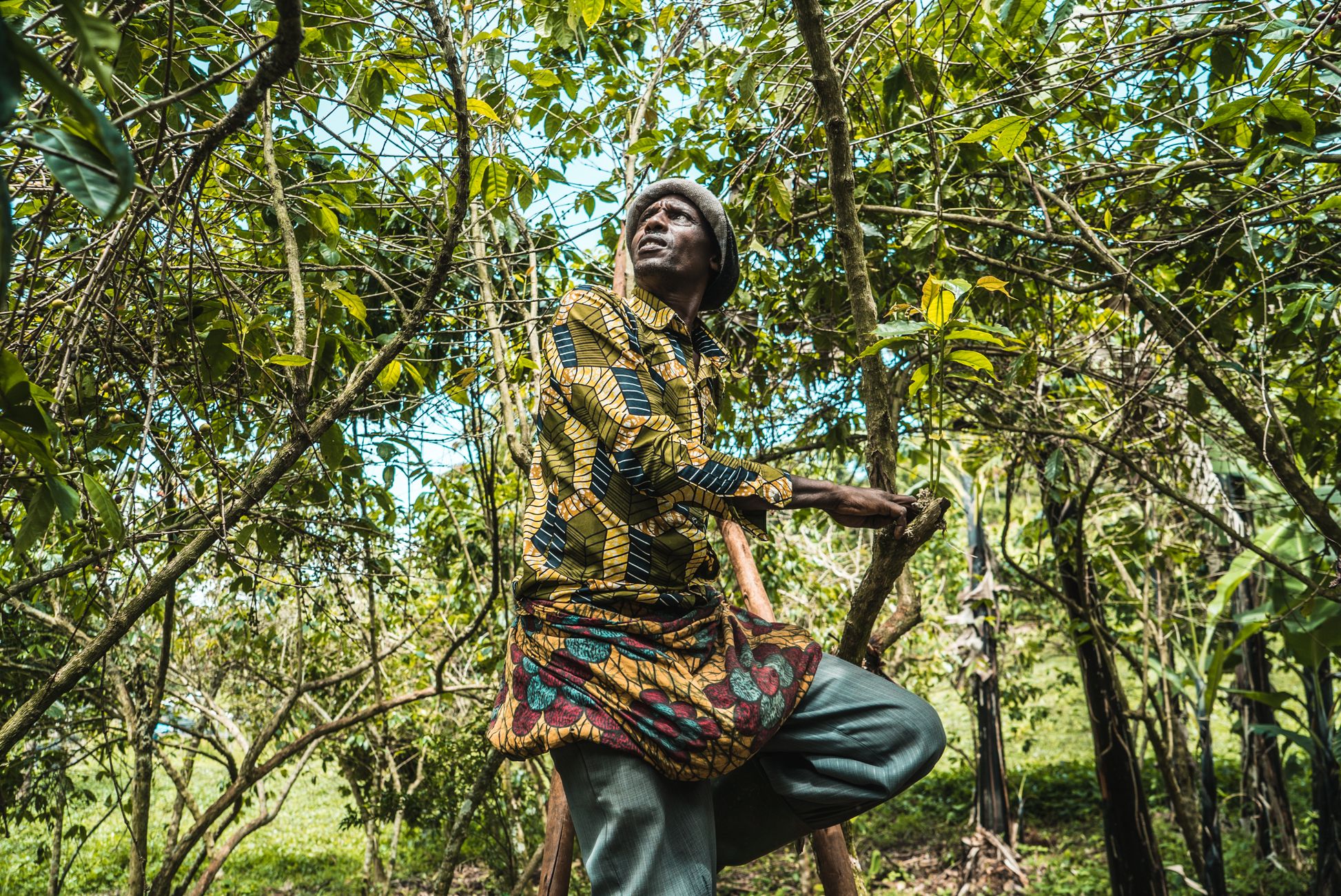
Rwanda is a small, mountainous country, and nearly all of its coffee grows between 1,500 and 2,000 meters on volcanic soil. The variety is almost entirely Red Bourbon, an old heirloom type that trades yield for sweetness and complexity. Processing is overwhelmingly washed, done at cooperative washing stations that took off in the early 2000s and transformed the country's coffee from commodity grade to specialty in about a decade.
Put those three things together, high altitude, Bourbon, careful washing, and you get a signature. Rwandan coffee is bright without being sharp. The acidity reads as citrus and red fruit, cranberry, red currant, sometimes a rhubarb tang. Underneath is a floral quality, orange blossom or black tea. The body is light to medium and unusually clean, so the finish stays sweet instead of drying out.
It sits between its neighbors in a useful way. Less jammy and wild than a natural Ethiopian, less savory and tomato leaning than a Kenyan, more delicate than either. If you like Ethiopian washed coffees but wish they had a little more structure, Rwanda is often the answer.
What the Potato Defect Actually Is
Now the problem. Some Rwandan beans, and some from neighboring Burundi and the eastern Congo, carry a compound called 2-isopropyl-3-methoxypyrazine. That is a mouthful, so everyone calls it the potato taste defect, or PTD.
When you grind a bean that has it, the smell is unmistakable. Raw potato. Freshly cut, earthy, starchy, and completely out of place in a bag of coffee. It survives roasting, it survives brewing, and it is powerful enough that one affected bean in a batch of grounds can flavor the whole cup.
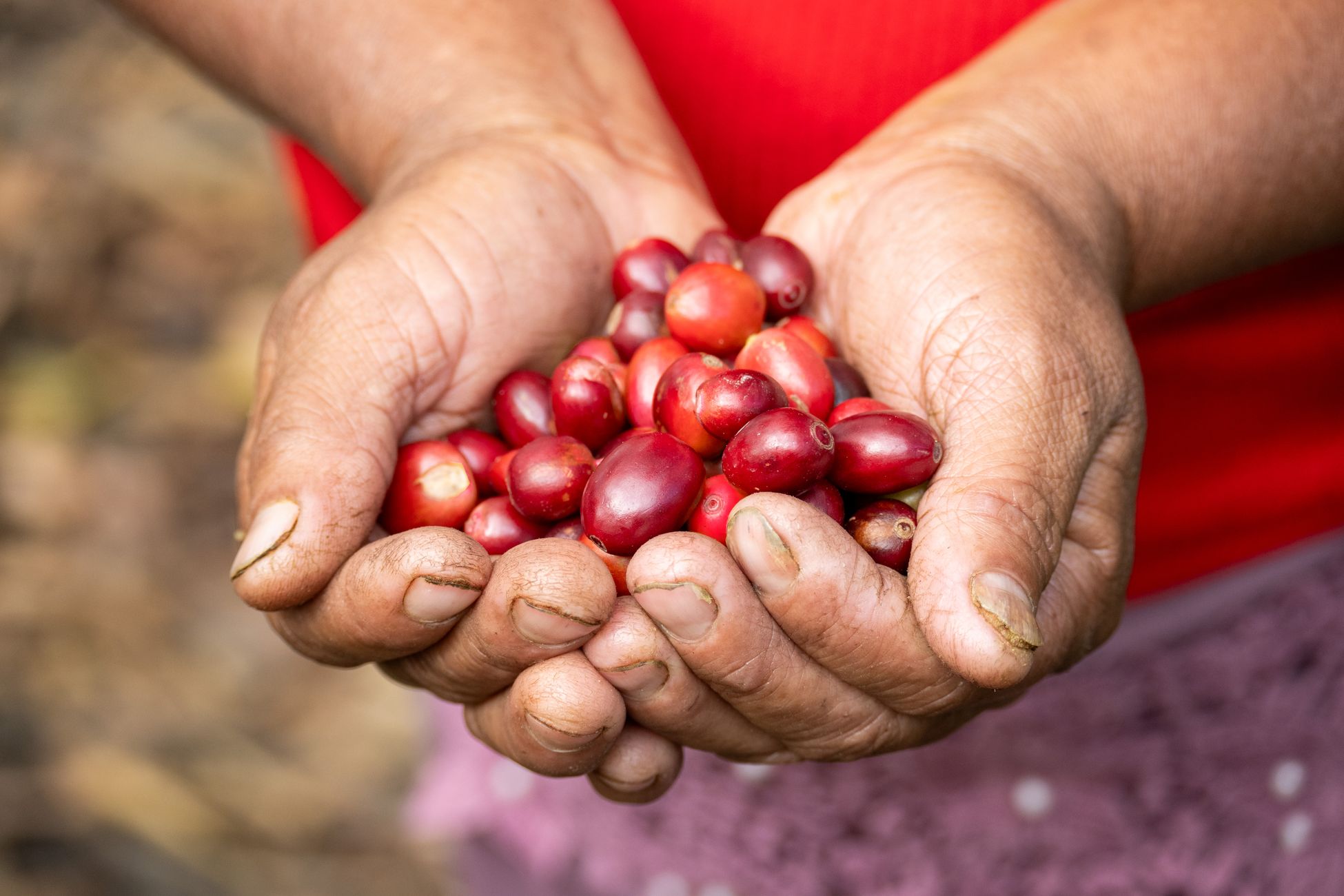
The chemistry comes from bacteria. An insect called the antestia bug, a shield bug native to the region, pierces coffee cherries to feed. The puncture lets bacteria in, and those bacteria produce the pyrazine inside the developing seed. The bean looks normal from the outside. There is no discoloration, no shape difference, nothing a sorter can catch by eye. The defect only reveals itself when the bean is cracked open and the smell escapes.
That invisibility is what makes it so difficult. Every other common defect, from black beans to quakers to insect holes, can be sorted out at the washing station or by an optical sorter. PTD passes through all of it.
Why It Haunts the Region and Nowhere Else
The antestia bug lives across the Great Lakes region of Africa, and the specific bacteria that produce the pyrazine seem to thrive there too. Coffee from Ethiopia, Kenya, and Tanzania, all nearby, almost never shows the defect. Rwanda, Burundi, and eastern Congo do.
The rate is low. Estimates run around one in a few hundred beans, and it varies by farm, altitude, and season. In a year with heavy antestia pressure it can climb. In a well managed lot it can approach zero. But low is not the same as none, and when the failure mode is one bean spoiling a whole brew, low is still a problem.
For years this kept Rwandan coffee out of certain markets. A cafe that brews single origin by the cup can absorb the occasional off pot. A company selling pre ground coffee in cans cannot, because that one bean gets distributed across thousands of units.
Try a washed African coffee roasted for clarity
How Farmers and Washing Stations Fight It
The solution has been mostly agricultural, and it has worked better than anyone expected twenty years ago.
The first line is pest management. Farmers control antestia populations with pruning, shade management, and targeted treatment during the flowering season when the bugs are most active. Washing stations pay premiums for cherries from farms with good control, which pushes the practice outward.
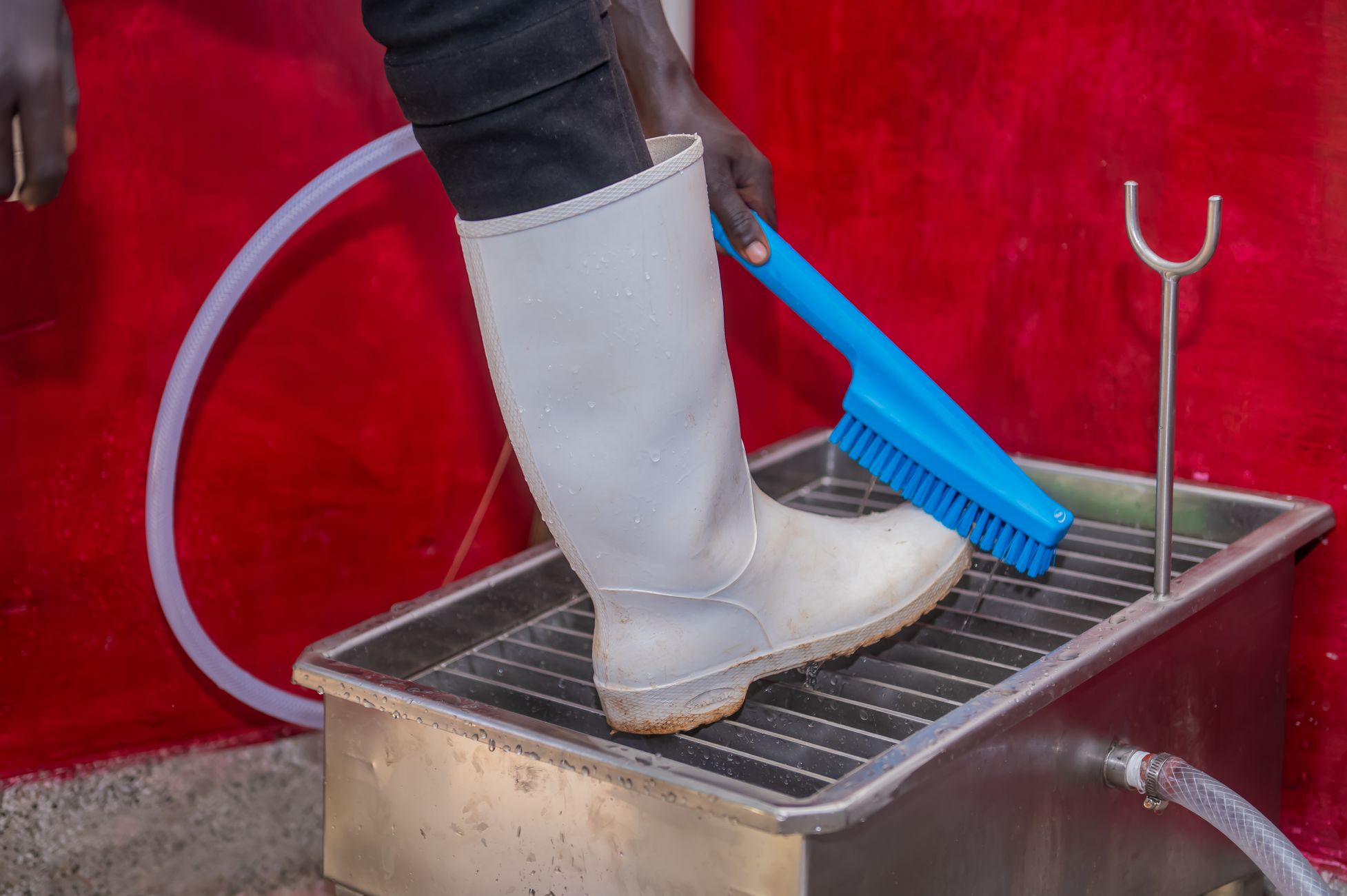
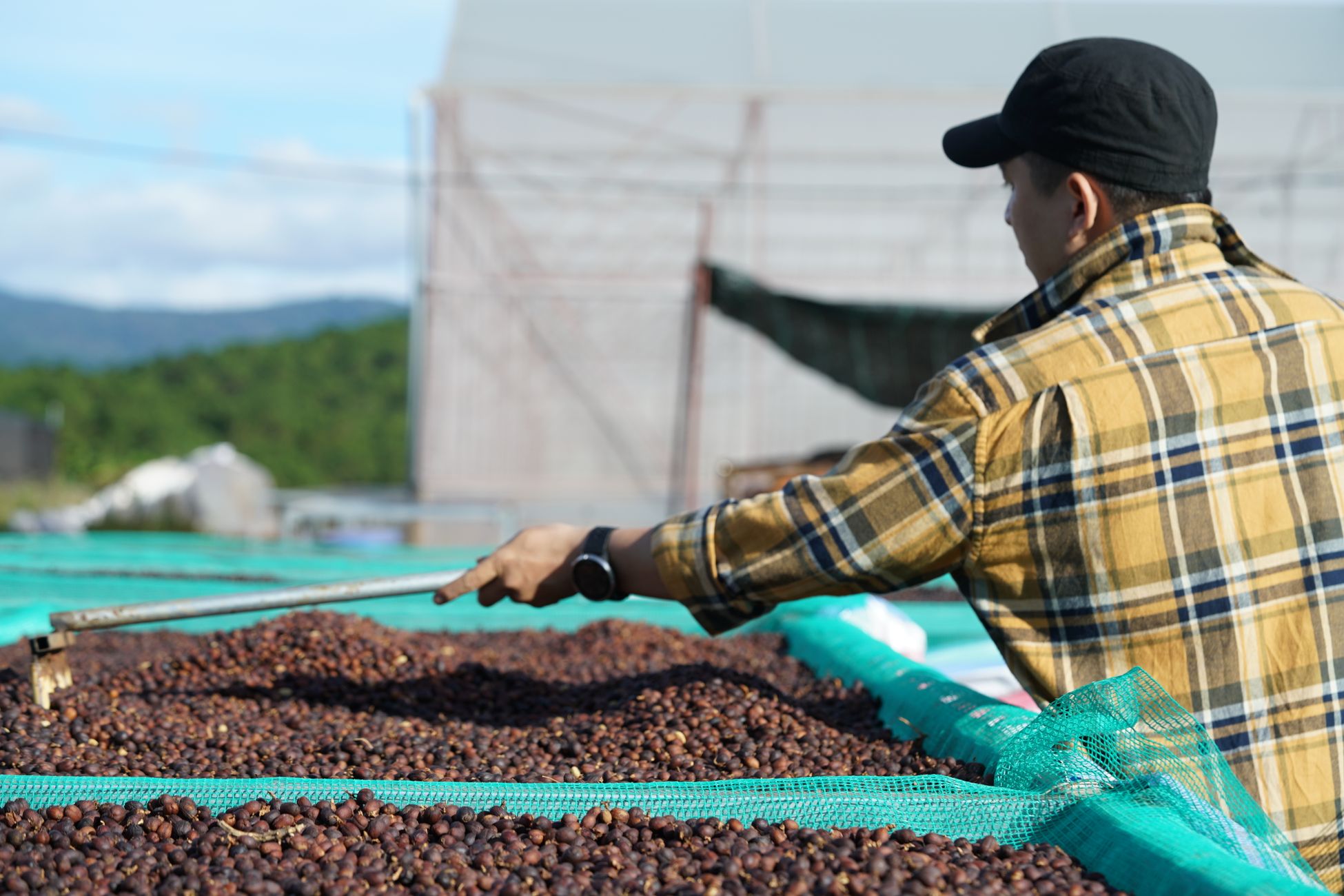
The second line is sorting at the station. Cherries are floated in water, and lighter, damaged, or insect bitten cherries rise and get skimmed off. Fermentation and washing follow, then drying on raised beds where workers hand sort again. None of this catches the invisible beans, but it removes a lot of the damaged cherries that were most likely to carry them.
The third line is at the roastery and the cafe. Roasters who buy Rwandan coffee usually cup it lot by lot and reject anything that shows PTD in the sample. Baristas working with a Rwandan on the bar are trained to smell the grounds every time they dose. If one dose smells like potato, it goes in the bin and the next one gets ground. That sniff test is why a good cafe can serve Rwandan coffee with confidence.
Why Rwandan Coffee Is Still Worth the Trouble
Because when it is clean, it is remarkable. The washing station system in Rwanda produced one of the fastest quality turnarounds in the history of the trade. Coffees that were sold as anonymous commodity in 2000 were winning international competitions by 2008, and the premiums flowed back to smallholder farmers who own, on average, well under a hectare each.
Buying good Rwandan coffee supports that. The country has around 400,000 coffee farming households, most of them tiny, and specialty pricing is the difference between coffee being a viable crop and not.
And the cup speaks for itself. A washed Red Bourbon from the western hills, roasted lightly enough to keep the florals, is one of the most graceful things you can put in a mug. It is the coffee to hand someone who says all coffee tastes the same.
How to Brew It at Home
Rwandan coffee rewards clarity. A pour over with a paper filter is the natural fit, because paper strips the oils and lets the acidity and florals stand up. Use water a touch below boiling, around 93 degrees, and a medium fine grind. The bright notes come forward and the sweetness follows as it cools.
It also does well as a Japanese style iced coffee, brewed hot over ice, where the citrus turns into something like a red fruit lemonade. It is less suited to a French press, which mutes the delicacy, and it is not a coffee to drown in milk.
Smell the grounds when you grind. You almost certainly will not find the defect in a bag from a roaster who cups their lots, but it is a habit worth having with any coffee from this part of the world. It takes one second and it makes you pay attention to what fresh coffee smells like, which is its own reward.
Pick up a bag roasted to keep the origin front and center
Every origin has a story attached to its flavor. Rwanda's story is unusual because the obstacle is so specific, a single bug and a single molecule, and the response has been so thorough. The result is a coffee that had to earn its place on the shelf, and does.
All images shown in this blog are sourced from pexels.com.