

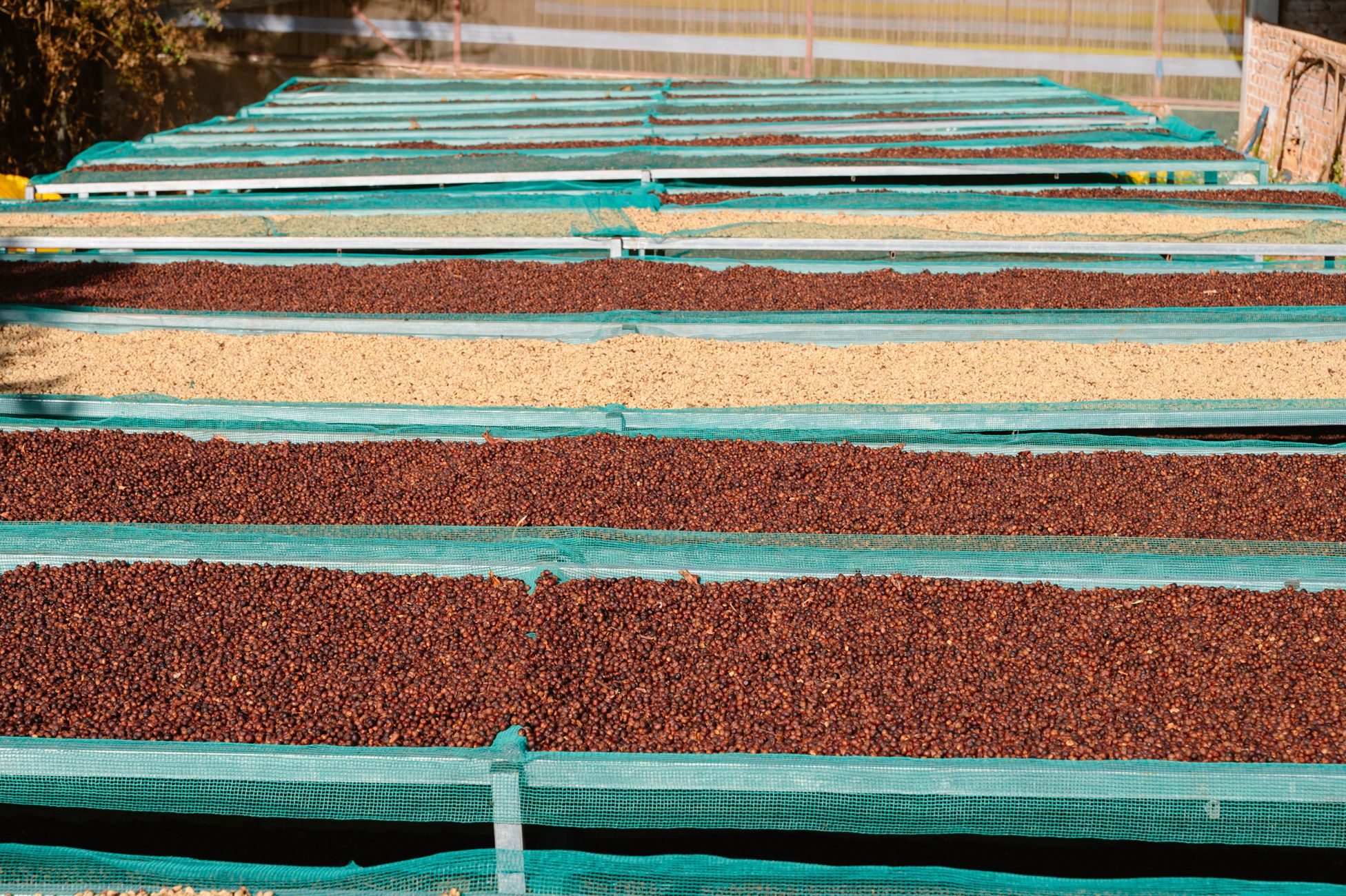
If you visit a coffee farm in the middle of the harvest, you will not see many green coffee beans. What you will see, spread across patios and raised beds in the sun, is something that looks like a pale, papery, cream colored seed, slightly larger than the bean you know, with a faint crease down one side. That is parchment coffee, and it is how coffee spends most of its life between the tree and the roaster.
Most drinkers never hear the word. The bean arrives at the roastery already green, already stripped down, and the roaster's story starts there. But the parchment stage is where a coffee's quality is either protected or lost, and understanding why the bean keeps its paper jacket for months, sometimes right up until it ships, explains a good deal about why some coffees taste fresh and vibrant and others taste tired before they have even been roasted.
Shop coffees that were protected all the way to the roaster
The Layers Of A Coffee Cherry
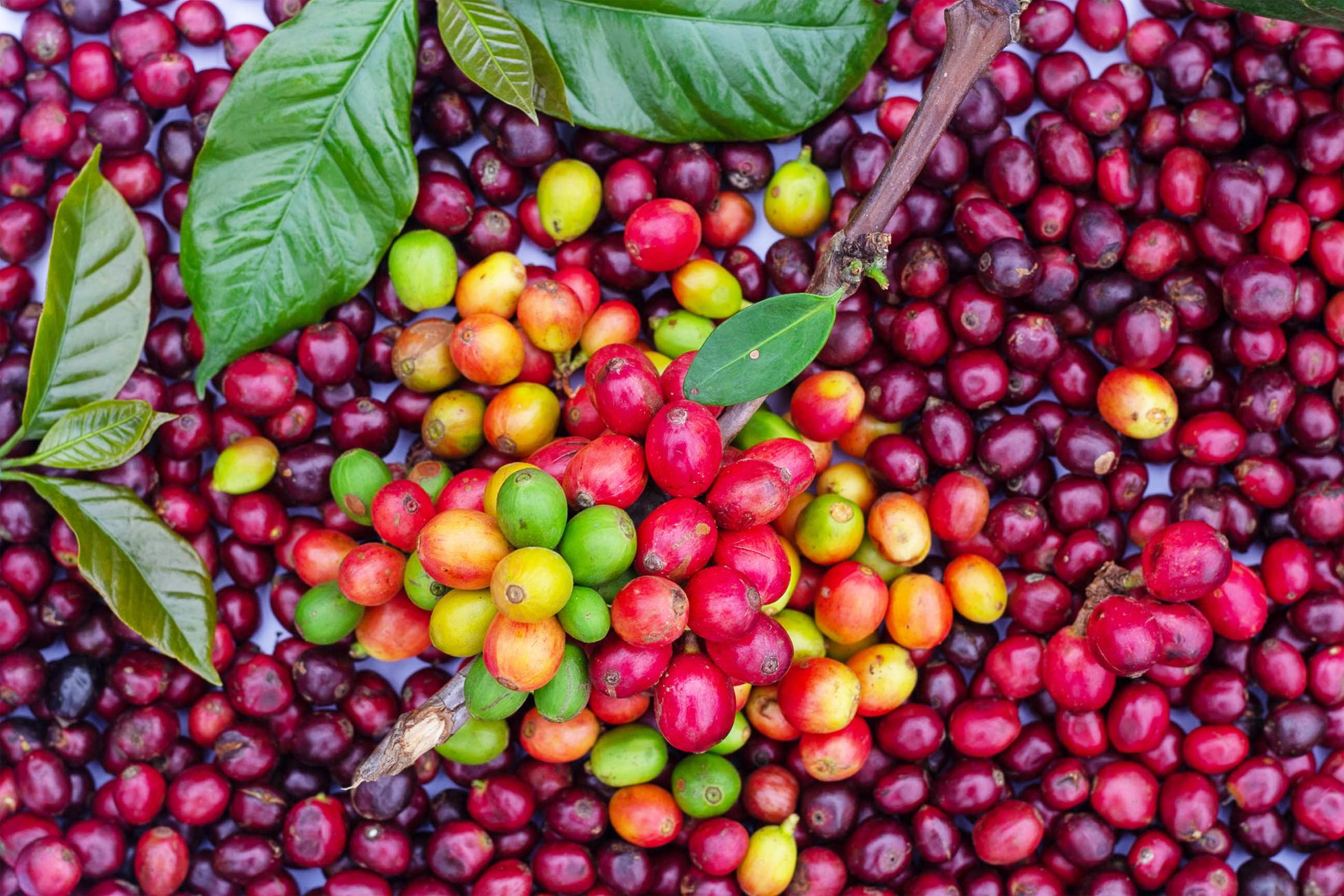
A coffee cherry is built in layers. On the outside is the skin, red or yellow when ripe. Under that is the pulp, a sweet, slippery layer of fruit. Under the pulp is the mucilage, a sticky, sugary film clinging to the seed. Then comes the parchment, a thin, tough, papery husk called the endocarp. Inside the parchment is the silverskin, a very thin membrane that stays attached to the bean through roasting and comes off as chaff. And at the very center is the seed itself, the green coffee bean, usually two to a cherry, flat sides facing each other.
The parchment is the seed's natural armor. In the wild, it protects the seed from moisture, insects, and damage while the fruit around it rots away and the seed waits for conditions to germinate. Coffee processing takes advantage of that armor by leaving it on for as long as possible.
How Coffee Becomes Parchment
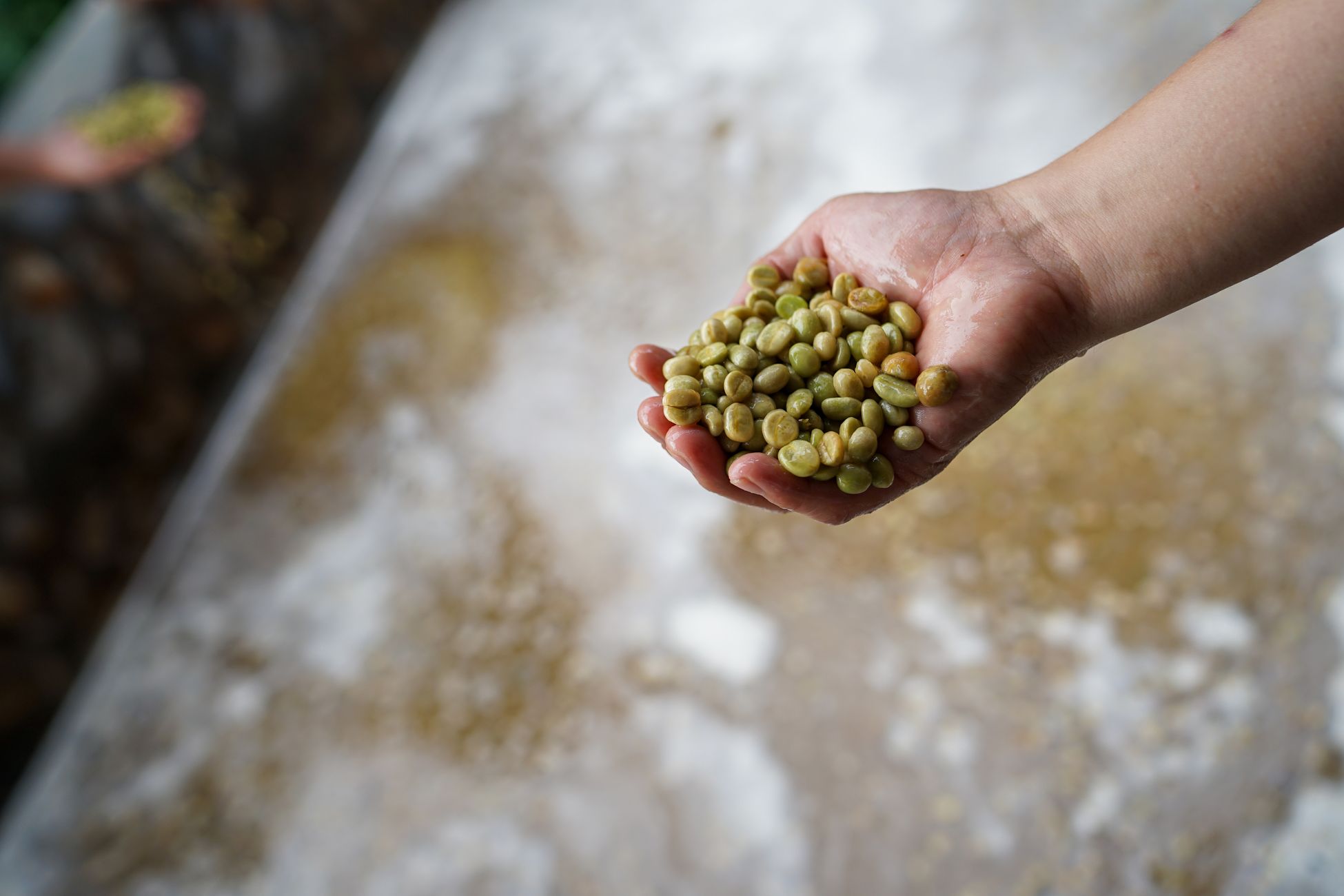
In the washed process, which is the most common method for high quality coffee, ripe cherries are run through a pulper within hours of picking. The pulper squeezes the skin and pulp off, leaving seeds coated in mucilage and still wrapped in their parchment. The seeds ferment in tanks for somewhere between 12 and 72 hours while microbes break down the mucilage, then they are washed clean.
What comes out of the wash channel is wet parchment coffee: pale seeds inside their papery husks, with the mucilage removed and the parchment intact. This is what gets spread on the drying beds. Over one to three weeks, depending on weather and method, the parchment coffee dries from around 55 percent moisture down to roughly 10 to 12 percent, the level at which it is stable enough to store.
In the natural process, the whole cherry dries with the fruit on, and the parchment stays inside the dried fruit skin until milling. In the honey process, the skin is removed but some or all of the mucilage is left on the parchment during drying. In every case, the parchment is still on the bean when drying finishes.
Why It Stays On For Months
Here is the part that surprises people. After drying, the coffee is not immediately hulled. It goes into storage as parchment coffee, sometimes called pergamino, and it can sit that way for weeks or months before anyone removes the husk.
The reason is that the parchment is doing important work. A freshly dried green bean, stripped of its husk, is exposed. It absorbs moisture from humid air and loses it in dry air, and every swing in moisture ages the coffee. It is vulnerable to oxidation, which fades the acidity and the aromatics. It is vulnerable to insects and mold. A green bean stored naked for two months in a warm warehouse will taste noticeably flatter than the same bean stored in parchment for the same period.
The parchment slows all of that down. It buffers moisture changes, blocks light, provides a physical barrier against pests, and keeps the bean's internal environment stable. Producers and exporters who care about quality keep coffee in parchment as long as the logistics allow, and some specialty lots are stored in parchment for the entire time between harvest and export, hulled only days before they are bagged for shipping.
There is also a resting benefit. Freshly processed coffee tastes somewhat raw and uneven, and a rest of at least a month in parchment lets the moisture equalize within each bean and across the lot. Coffees that were hulled and shipped too quickly after drying can taste unbalanced and can age faster in the roastery, which shows up as a cup that is bright one week and flat the next.
Taste a coffee whose freshness was protected from the start
The Dry Mill Takes The Jacket Off
Eventually the parchment has to come off, and that happens at a dry mill, a facility separate from the washing station and usually located near the export point. The dry mill is where parchment coffee becomes green coffee.
The first step is hulling. The parchment coffee is fed into a machine that cracks and rubs the husks off, either through friction between a rotating rotor and a screen or through a gentler impact mechanism. The husk fragments are blown away and can be used as fuel, mulch, or compost, and the newly exposed green beans continue through the mill.
Next comes polishing, which some mills do and some skip. Polishing removes any remaining silverskin from the bean's surface. It is optional, and some roasters prefer unpolished coffee because the polishing friction can heat the beans slightly and because a little silverskin does no harm.
Then the beans are sorted. They pass over screens that grade them by size, through density tables that separate dense, high quality beans from lighter, defective ones, and often through optical sorters that use cameras to spot and reject discolored or damaged beans. Hand sorting on conveyor belts catches whatever the machines miss.
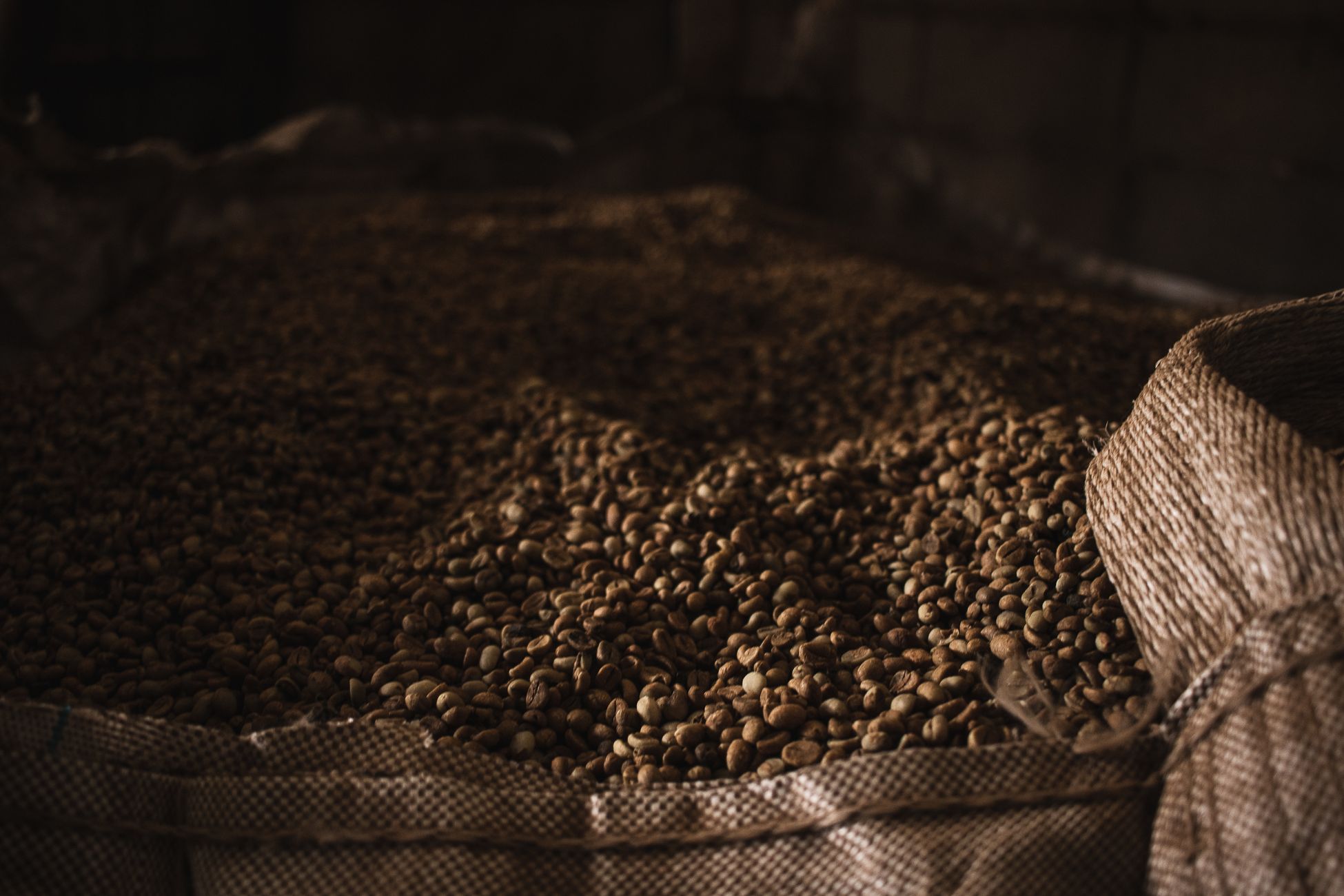
Finally the green coffee is bagged, usually in jute sacks lined with a moisture barrier like GrainPro, and shipped. From this point on, the bean has no jacket. Its freshness clock, already ticking slowly in parchment, starts running faster.
What Green Coffee Loses After Hulling
Once hulled, green coffee begins a slow decline that roasters know well. In the first few months it is fresh crop: bright, aromatic, full of the character that the origin and process built. Somewhere between six months and a year after hulling, depending on how it was stored, it drifts into past crop territory. The acidity softens and eventually goes flat. The fruit and floral aromatics fade. A woody, papery, sometimes slightly hay like note creeps in.
This is why roasters buy coffee on a schedule tied to harvest, why they store green coffee in climate controlled rooms, and why the best ones will not roast a lot that has gone past its window no matter how good it was at the start. The parchment stage bought the coffee time. The hulling started the countdown.
The whole logic of parchment storage is to delay hulling until the last practical moment, so that the roaster receives a coffee that has spent as little time exposed as possible. When you drink a coffee that tastes lively and specific, part of what you are tasting is a producer who understood that and kept the jacket on.
What The Roaster Sees
A roaster opening a bag of well handled green coffee sees dense, uniform, slightly bluish green beans that smell fresh and grassy with hints of the fruit or floral character to come. A roaster opening a bag of coffee that was hulled too early or stored badly sees paler, more yellowed beans that smell dusty or flat.
The difference carries straight through the roast. Fresh, dense green coffee has the moisture and the sugar content to develop fully, and it responds predictably to heat. Aged green coffee has lost some of both, and no amount of skill in the roaster can restore what the bean no longer contains.
Air roasting makes the most of a good green coffee because it treats every bean the same way. Suspended in hot air with no drum wall to scorch against, the beans develop evenly and the chaff, the silverskin that survived the dry mill, is carried away instead of burning into the batch. A coffee that was protected in parchment, hulled at the right moment, and roasted evenly arrives in your cup with everything the farm put into it intact.
Why This Should Change How You Think About Freshness
Coffee drinkers tend to think about freshness as the roast date on the bag, and that matters. But freshness starts long before the roaster. It starts on a drying bed, in a warehouse, and in the decision about when to take the parchment off. A coffee that was hulled months too early and sat exposed on a dock cannot be made fresh by roasting it yesterday.
Good roasters know this and buy from producers and importers who handle parchment carefully. You cannot see that on the bag, but you can taste it. Brightness, clarity, and a clean, specific flavor are the signs of a coffee that kept its jacket on until it needed to come off.
Explore our most popular coffees and taste the difference careful handling makes
All images shown in this blog are sourced from pexels.com.