

Every few years a wave of articles and podcasts rediscovers mycotoxins in coffee. The story is always the same. Coffee beans grow mold, mold produces toxins, most coffee is contaminated, and only a special tested brand can protect you. The brand selling the tested coffee is usually mentioned within a paragraph.
There is a real topic underneath the marketing. Mycotoxins exist, they can show up in coffee, and the industry has been managing them for decades. But the actual risk to someone drinking a few cups a day is tiny, and the roasting process, particularly a clean, even roast, takes care of most of what the farm did not. Here is what the science says, without the sales pitch.
What a Mycotoxin Is
Mycotoxins are compounds produced by certain molds when they grow on food. The two that come up with coffee are ochratoxin A, usually shortened to OTA, and aflatoxin. Both are made by species of Aspergillus and Penicillium, molds that thrive in warm, humid conditions.
They are not unique to coffee. OTA shows up in cereals, dried fruit, wine, beer, nuts, and spices. Aflatoxin is a bigger concern in peanuts, corn, and tree nuts. Any crop that is stored in a warm, damp place can grow the mold, and any mold can produce the compound. Coffee is on the list because green beans are an agricultural product that sits in warehouses and crosses oceans.
At high doses, over long periods, OTA has been linked to kidney damage in animal studies. That is the basis for the regulatory limits. What the panic articles skip is how far coffee sits from those doses.
Where Mold Can Grow in the Coffee Chain
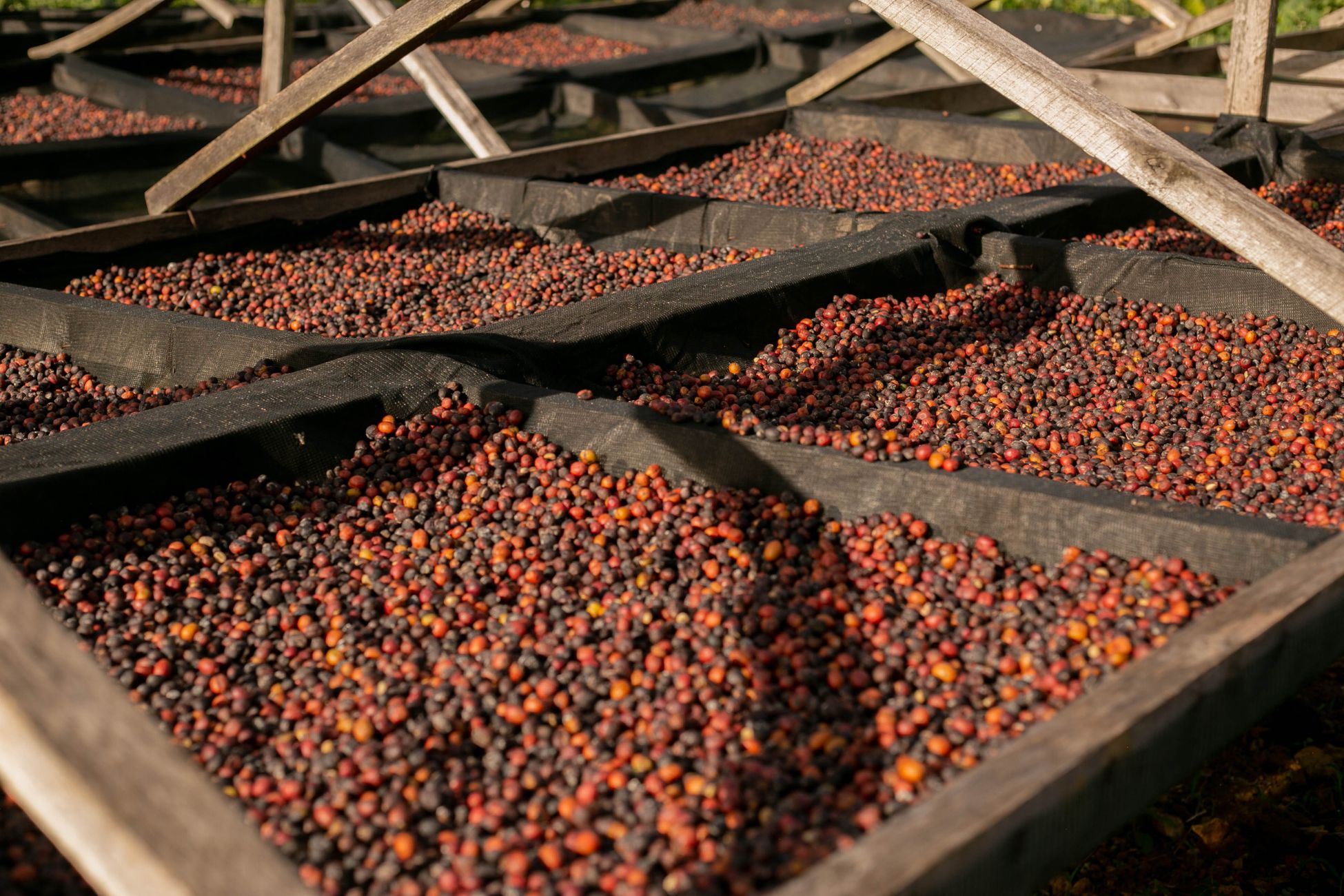
Coffee cherries are picked, processed, and dried down to a moisture content of around eleven percent. At that level, mold cannot grow. The risk points are the places where beans can get wet again or where drying is incomplete.
The first is drying itself. Coffee dried on the ground on a patio, in a humid climate, without being turned often enough, can develop mold in the pile before it reaches a safe moisture level. Raised drying beds, good airflow, and careful monitoring prevent it, which is one of the reasons specialty processing insists on them.
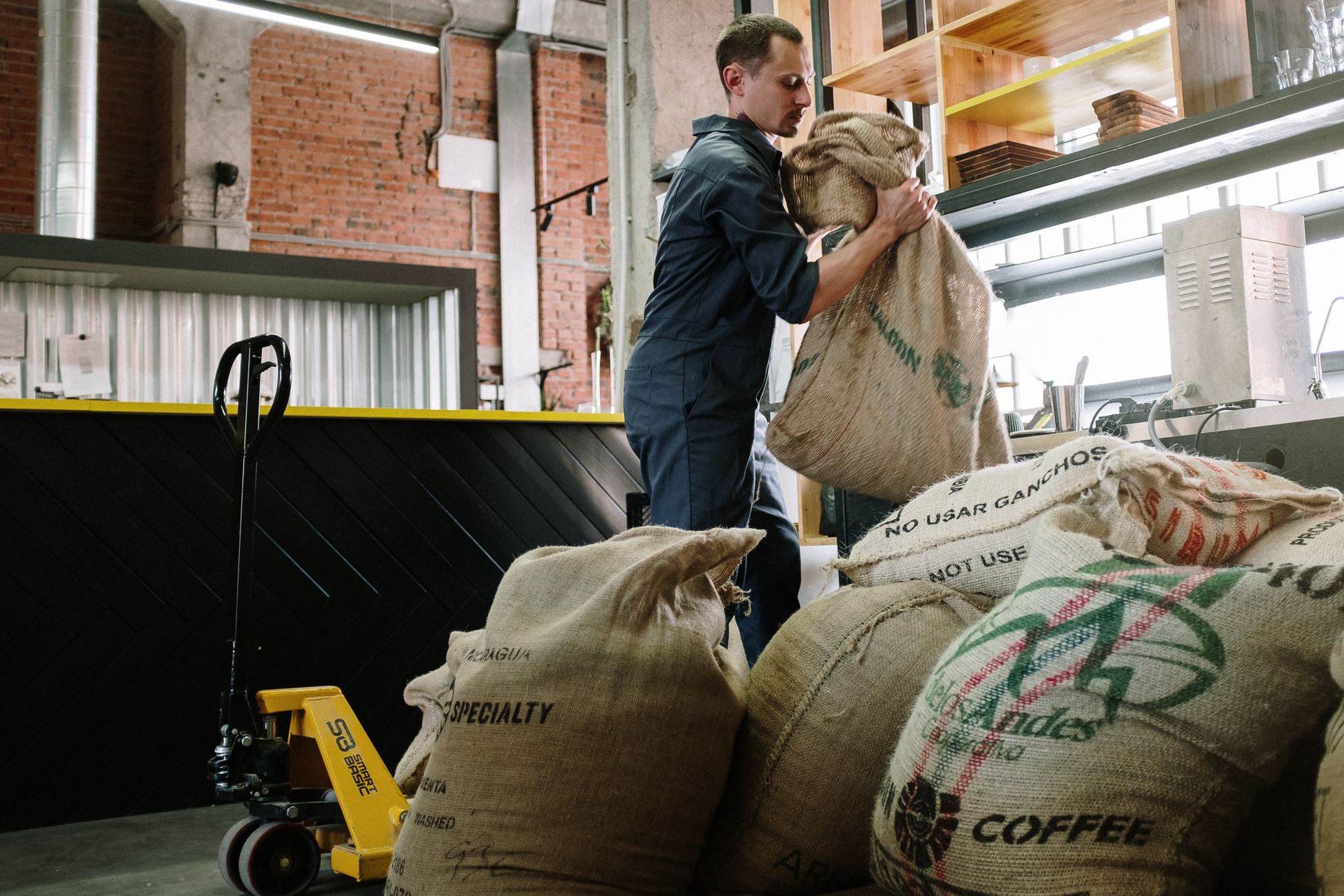
The second is storage. Green coffee held in a leaky warehouse, or in a shipping container that sweats in the tropical sun, can absorb moisture and grow mold in transit. Modern exporters use lined bags and monitor humidity, and the moisture content is checked again at arrival.
The third is defective beans. Damaged, cracked, or insect bitten beans are more likely to harbor mold. These are exactly the beans that sorting removes, first by flotation at the washing station, then by density tables and optical sorters at the mill.
By the time green coffee reaches a specialty roaster, it has been through several filters designed for other reasons that also happen to remove most of the mold risk.
What Roasting Does to Mycotoxins
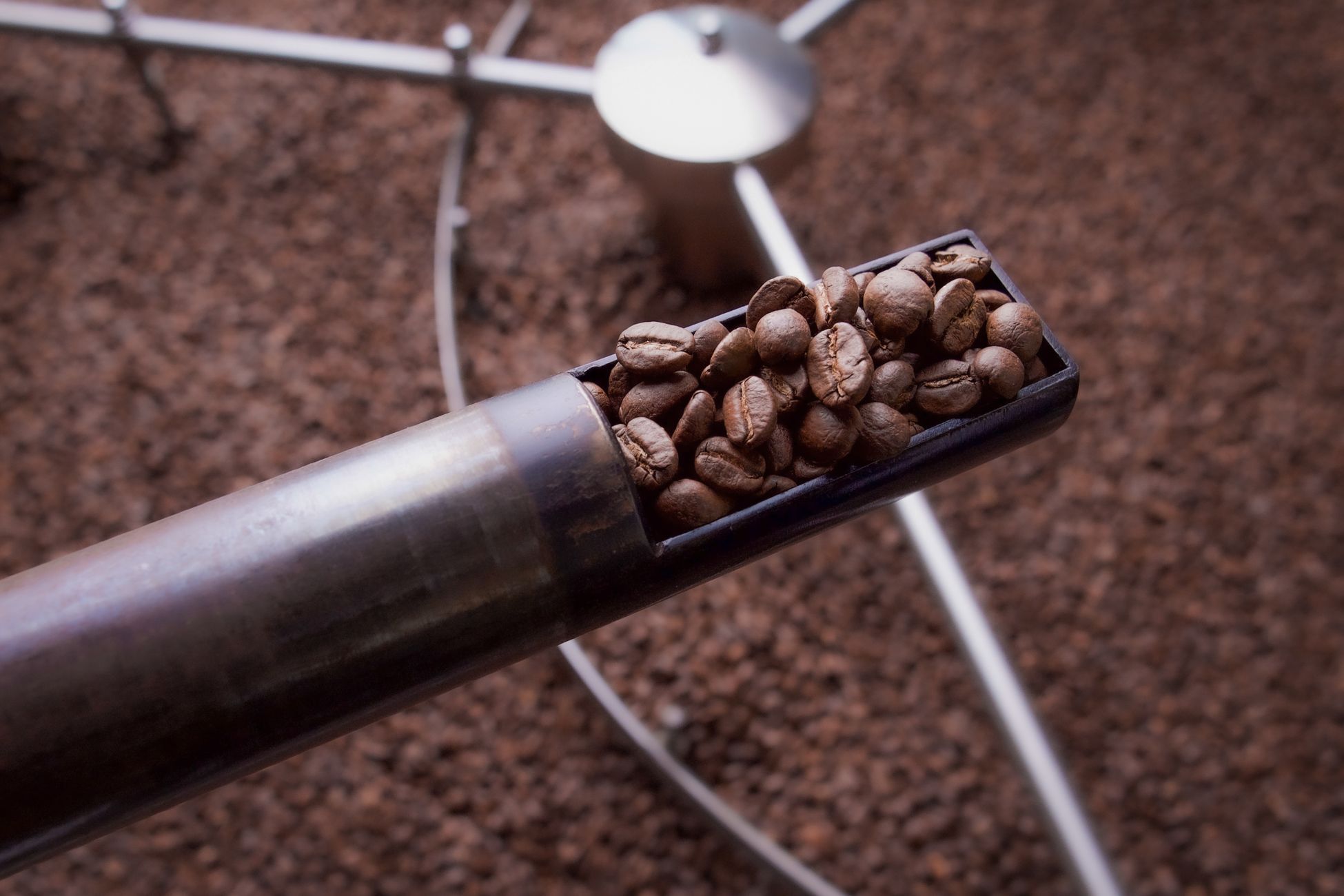
This is the part that gets the least attention and matters the most. OTA is not indestructible. Multiple studies have measured what happens to it during roasting, and the consistent finding is that a large share breaks down under heat. Reported reductions range from around 70 to over 90 percent depending on roast time and temperature.
A typical roast takes green coffee to well over 200 degrees Celsius for several minutes. That is enough to degrade most of the OTA that was present. Air roasting, which heats beans evenly from all sides in a stream of hot air, does this consistently across the whole batch rather than leaving cooler pockets the way an uneven drum can.
Then you brew, and brewing leaves most of what remains in the grounds. Only a fraction of any OTA in roasted coffee ends up in the cup.
Try a coffee sorted, roasted, and handled with care
What the Numbers Actually Look Like
The European Union, which has the strictest food safety limits in the world for this compound, caps OTA in roasted coffee at five micrograms per kilogram. Surveys of commercial coffee across Europe and North America routinely find that the majority of samples contain OTA well below that, and many contain none detectable.
The tolerable weekly intake set by the European Food Safety Authority is around 120 nanograms per kilogram of body weight. A person weighing 70 kilograms could take in about 8,400 nanograms a week. Drinking three cups a day of a coffee at the legal limit, with the reduction from roasting and brewing factored in, delivers a small fraction of that. To get near the threshold, you would need to drink an amount of coffee that would create other problems long before mold did.
That is not to say the compound does not matter. It matters enough that producers and regulators watch for it. It does not matter enough to change how you shop for coffee, and it certainly does not justify paying a premium for a brand whose main claim is a test that every coffee would pass.
Why the Fear Sells So Well
The mycotoxin story works because it combines three things people respond to. Mold is disgusting. Toxins sound dangerous. And the solution is a product you can buy.
The brands built on the claim tend to say their coffee is tested, which is true and unremarkable. Most commercial green coffee is tested, at the origin, at import, or both. They tend to imply that other coffee is not, which is misleading. And they tend not to mention roasting, because roasting undercuts the whole argument.
It is also worth noticing what the same articles do not talk about. Coffee is one of the largest sources of dietary antioxidants in the Western diet. The research on regular coffee consumption, at three to four cups a day, points toward lower risk of several chronic diseases, not higher. Whatever OTA is doing at the trace levels in a cup, the overall picture for coffee drinkers is good.
What Actually Protects You
If you want to minimize the already small risk, the answer is the same set of things that make coffee taste better.
Buy from a roaster who sources traceable, specialty grade green coffee. Specialty grading requires low defect counts and proper moisture, which means the beans were dried and stored correctly, which means mold did not have a chance.
Buy whole bean, freshly roasted coffee and store it sealed, dry, and away from heat. Roasted coffee at normal moisture does not grow mold. Coffee that has been left open in a damp cupboard for months might, and it will taste stale long before it becomes a health question.
And pay attention to how the coffee was roasted. A roaster who takes the process seriously, who develops the bean evenly and does not rush, is producing coffee that tastes cleaner for reasons that overlap almost entirely with the reasons it is safe.
Pick up a bag from a roaster who takes the whole chain seriously
Mycotoxins are a real thing that the coffee industry has been handling quietly and competently for a long time. The panic is a marketing product. Drink coffee you like, from people who care about how it was grown and roasted, and put the rest of your worry somewhere it will do more good.
All images shown in this blog are sourced from pexels.com.