


Air roasting sounds like something futuristic. Like some kind of advanced technology developed in the last few years. But the truth is that air roasting has been around for decades. What's changed is that specialty coffee companies are finally using it on a meaningful scale, and the results are undeniable. If you've never experienced the difference between air roasted coffee and traditionally roasted coffee, you're in for a revelation.
Let me start with what air roasting actually is, because it's more straightforward than you might think.
How Traditional Drum Roasting Works
To understand air roasting, you need to first understand what it's replacing. Traditional drum roasting uses a large, rotating metal drum. The drum is heated, usually to around 400 degrees Fahrenheit or higher. Coffee beans are dumped into the drum. As the drum rotates, the beans tumble around inside. The heat from the drum's walls and the air inside roasts the beans.
This method has been used for over a century. It works. It's efficient. It can roast large quantities of beans quickly. From a production standpoint, drum roasting is excellent. From a coffee quality standpoint, it has fundamental limitations.
The problem is heat distribution. The beans tumble around, but they don't all experience the same amount of heat at the same time. Some beans spend more time near the hot walls of the drum. Some spend more time in the middle. The heat transfer is inconsistent. This means beans roast unevenly. Some get darker than others. Some develop different flavor profiles than others.
This inconsistency is fine when you're roasting low-quality or medium-quality beans that are going to be blended together anyway. The unevenness gets lost in the blend. But it's a real limitation when you're trying to bring out the best in genuinely excellent beans.
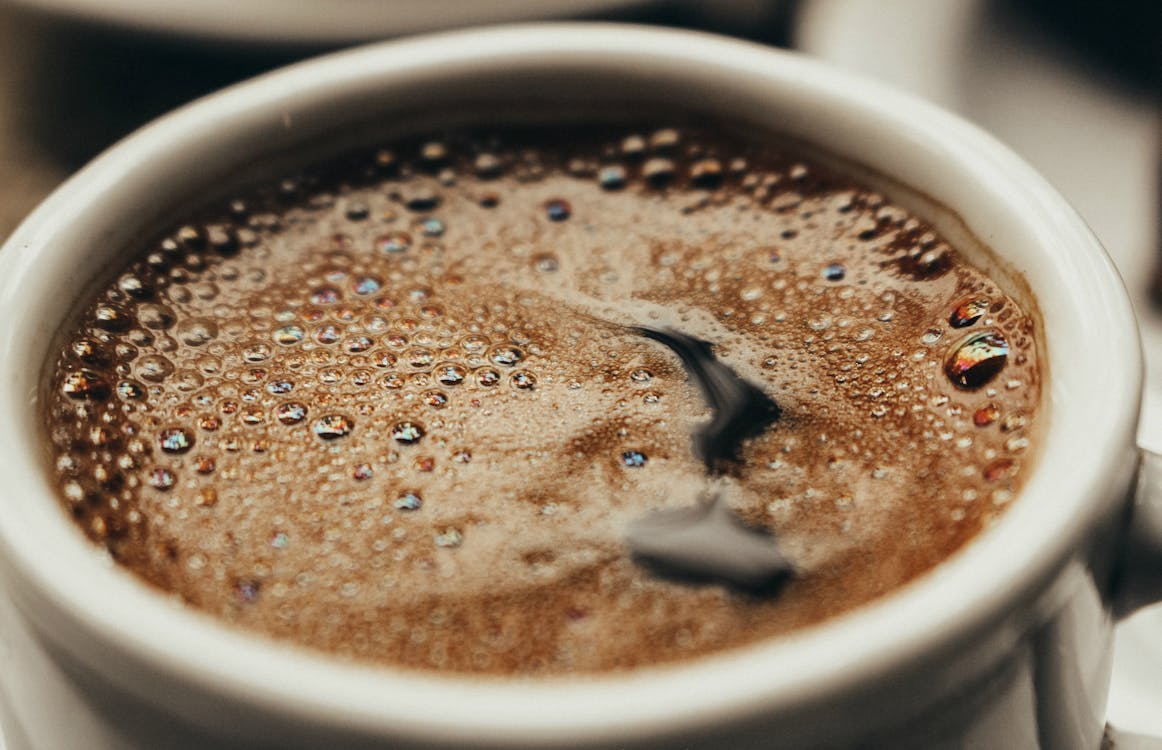
How Air Roasting Works
Air roasting uses a completely different approach. Instead of rotating a drum, air roasters use a stream of precisely heated air. This air stream suspends the coffee beans in a chamber. As the hot air flows through, the beans are lifted, tumbled, and circulated. Every bean experiences the same temperature air at the same time.
Think about how a popcorn popper works, if you've ever used one of the old air-popped versions. The hot air makes the kernels pop and float around. That's essentially the concept, except with coffee and with much more precise temperature control.
The roaster operator controls the temperature of the air, the speed of the air flow, and the duration of the roast. Because every bean is suspended in that uniform hot air, they roast evenly. They all reach the same roast level at the same time. The flavor development is consistent bean to bean.
This consistency matters enormously. With even roasting, the coffee's origin shines through. The altitude where the bean was grown. The microclimate. The processing method. The handling. All of these factors that make one origin different from another become apparent in the cup.
Experience the purity of air roasted specialty coffee and taste the difference that precision roasting makes.

Chaff Removal Is Superior
During the roasting process, the outer skin of the bean, called chaff, naturally separates from the bean itself. This is normal and expected. Drum roasters have fans and cyclones that blow the chaff away. But it's a somewhat crude process. Some chaff escapes. Some chaff stays with the beans.
Air roasters are inherently better at chaff removal. The airflow that's suspending the beans is already moving chaff around. The design of the roasting chamber directs the chaff away from the beans into a collection bin. It's more efficient. More complete. Less chaff ends up in your final roasted coffee.
This matters because chaff is bitter. It's also harder for your stomach to process. Removing more of it means a cleaner, less irritating cup. It also means the flavor of the actual bean comes through more clearly. You're not tasting the chaff. You're tasting the coffee.

Temperature Control Creates Specific Flavor Development
Here's where it gets really technical, but also really interesting. Different flavor compounds in coffee develop at different temperatures. Some sugars caramelize around 320 degrees Fahrenheit. Other compounds develop around 370 degrees. Some acids break down at higher temperatures. Others are preserved.
When you're roasting in a drum with inconsistent heat, you can't precisely control which compounds develop and which don't. You're aiming for a target roast level and hoping for the best. Some beans go past your target. Some don't reach it.
With air roasting, the precision is incredible. You can bring a coffee to exactly the roast level you want. This means you can develop the specific flavor profile you're aiming for.
The Health Advantages Go Beyond Stomach Issues
We've already discussed how air roasting reduces stomach irritation through lower chlorogenic acid and better chaff removal. But the benefits extend further.
Even heat distribution means no burnt edges. No harsh compounds from carbonization. The coffee is clean from start to finish. Your body processes it more efficiently. You don't experience the jittery feeling that can come from lower-quality roasts. Your energy is sustained rather than spiked.
This is another thing people don't realize. When you feel jittery or anxious after coffee, it's often not the caffeine. It's the byproducts of poor roasting. Switch to genuinely clean, air roasted coffee, and that jittery feeling disappears.
Is It Worth It?
Air roasted coffee is typically more expensive than drum roasted coffee. It requires a different roaster. It requires more careful handling. It requires smaller batch sizes to maintain quality control. So why should you pay more?
Because you're getting something genuinely different. You're getting coffee where every bean was roasted perfectly, not just hopefully. You're getting flavor clarity that you simply can't get from drum roasting. You're getting coffee that tastes better and is better for your body.
Once you experience air roasted coffee, you understand why people are willing to pay a premium for it. It's not just about paying more to feel fancy. It's about getting something objectively better. Your taste buds will confirm it. Your stomach will confirm it. Your energy levels will confirm it.
Try precision-roasted specialty coffee and experience how different truly excellent roasting can be.
All images shown in this blog are sourced from pexels.com.