

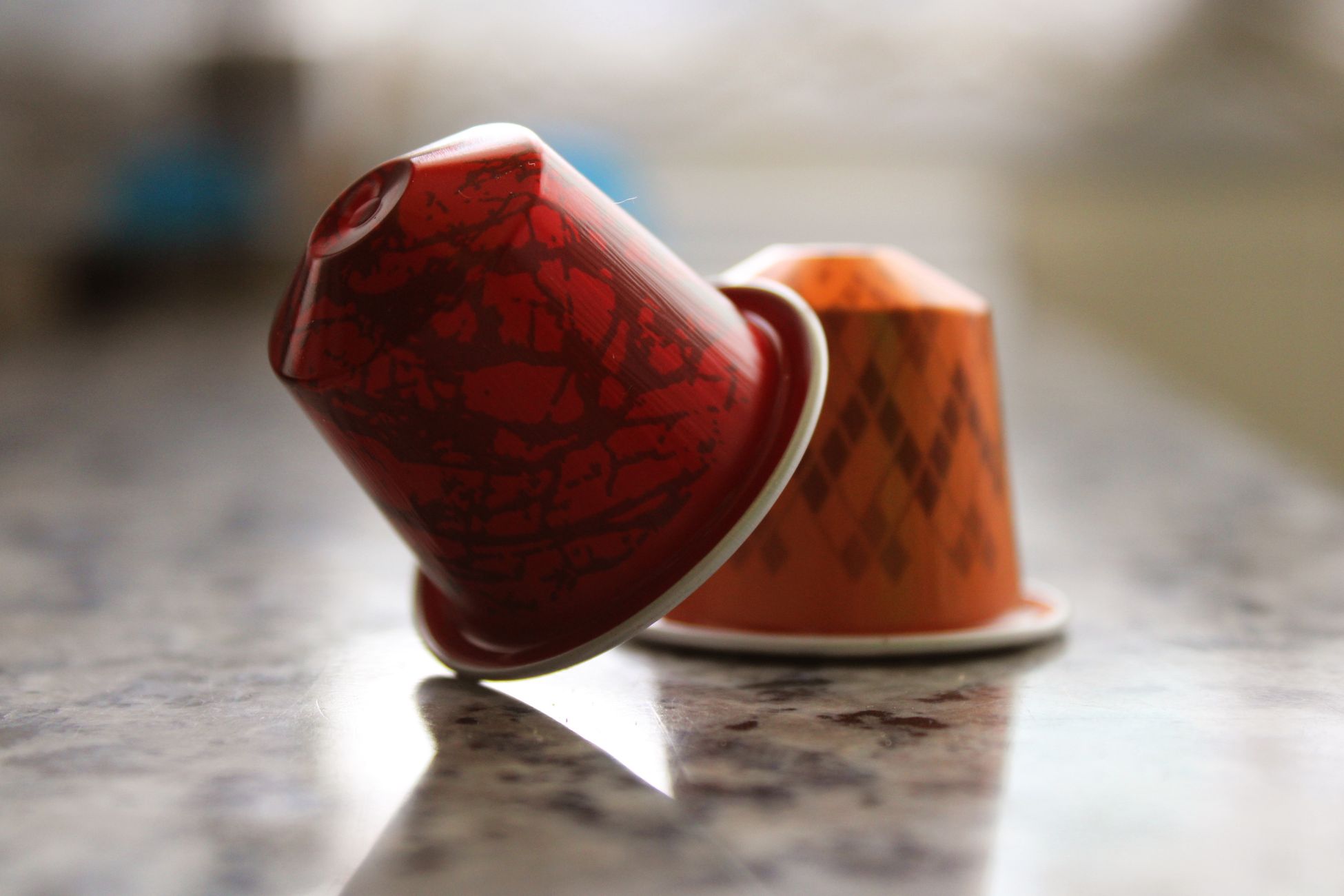
A coffee pod is a small sealed cup with a foil lid, and most people have never opened one. There is not much reason to. You drop it in, press a button, and thirty seconds later you have coffee. The whole point is not thinking about it.
But if you have ever wondered why pod coffee tastes the way it does, thin and slightly stale no matter which flavor you pick, the answer is inside that little cup. It is not the machine and it is not the water. It is what happens to coffee the moment it gets ground, and a pod is built around a grind that was done weeks or months before you pressed the button.
What You Find When You Peel the Lid
Open a standard single serve pod and you find three things. A paper filter shaped like the cup, a layer of ground coffee, and a lot of air. Some pods have a small foil or plastic membrane at the bottom that the machine pierces. That is the whole product.
The coffee inside weighs somewhere between nine and twelve grams, depending on the brand. For context, a cafe pour over uses fifteen to twenty grams for a similar sized cup, and a proper espresso uses eighteen for a two ounce shot. Pods are dosed light because the machine is fast. Water spends only a few seconds in contact with the grounds, and a heavier dose would leave most of it unextracted anyway.
The grind is fine, closer to espresso than to drip. That is necessary. With so little contact time, the only way to get flavor out is to expose as much surface area as possible. Fine grounds give up their soluble compounds quickly. Fine grounds also give up everything else quickly, and that is the problem.
What Grinding Does to Coffee
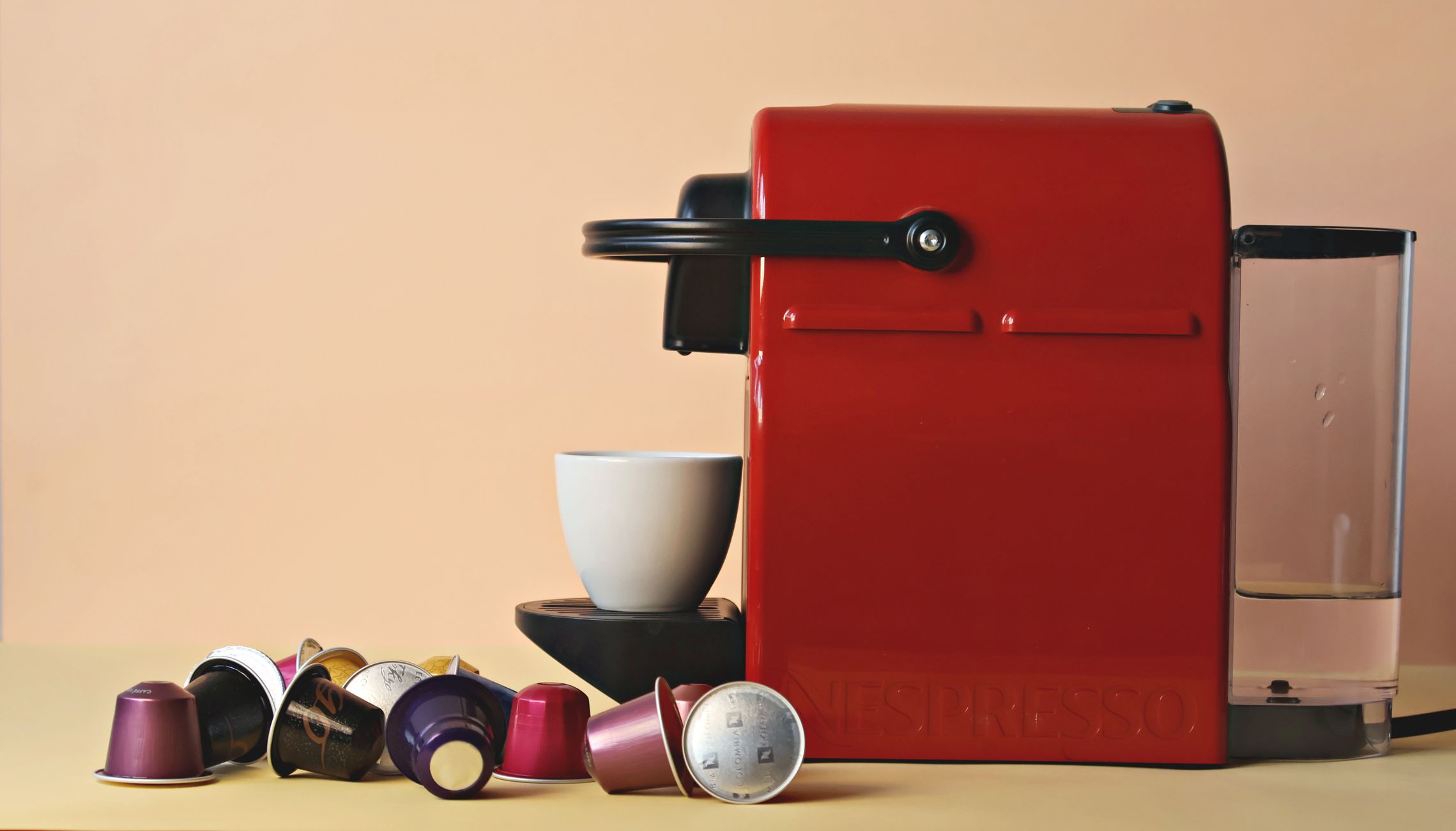
A roasted coffee bean is a sealed package. Its cell structure holds the aromatic compounds, the oils, and the carbon dioxide that built up during roasting. As long as the bean is whole, that structure protects the flavor. Oxygen can only reach the outside.
Grinding shatters the package. A single bean becomes thousands of particles, and the surface area exposed to air increases by a factor that is hard to picture. Every cell that was sealed is now open. The carbon dioxide, which had been slowly escaping through the bean's surface over days, rushes out within minutes. The aromatics go with it. The oils are exposed and start to oxidize.
Anyone who has ground coffee at home knows the smell that fills the kitchen. That smell is flavor leaving. Within about fifteen minutes of grinding, a meaningful share of the aromatic compounds is gone. Within a day, most of them are. The coffee is not spoiled, but it is flat, and no amount of brewing skill puts back what evaporated.
A pod is ground coffee that was sealed anywhere from a few weeks to a year before you drank it.
How Pod Makers Try to Work Around It
The big pod companies know all of this, and they spend real money fighting it.
The main tool is nitrogen flushing. Before the pod is sealed, the air inside is displaced with nitrogen, an inert gas that does not react with coffee. That slows oxidation dramatically. A well flushed pod stales much more slowly than an open bag of pre ground coffee would.
But nitrogen only solves the oxygen problem. It does nothing about the carbon dioxide and the aromatics that left the grounds in the minutes between the grinder and the sealing line. Those were gone before the nitrogen arrived. Some manufacturers grind and seal within a very short window to minimize this. Others do not, and there is no way to tell from the box.
The other workaround is the roast. Pod coffee skews dark. Dark roasts are more porous, extract faster, and carry a strong roasty flavor that masks staleness better than a light roast would. When the delicate origin notes are gone anyway, roasting darker gives the customer something to taste. It is a rational choice, and it is also why so many pods taste like the same coffee with different names.
Taste a coffee that was ground this morning, by you
What the Machine Adds and What It Cannot
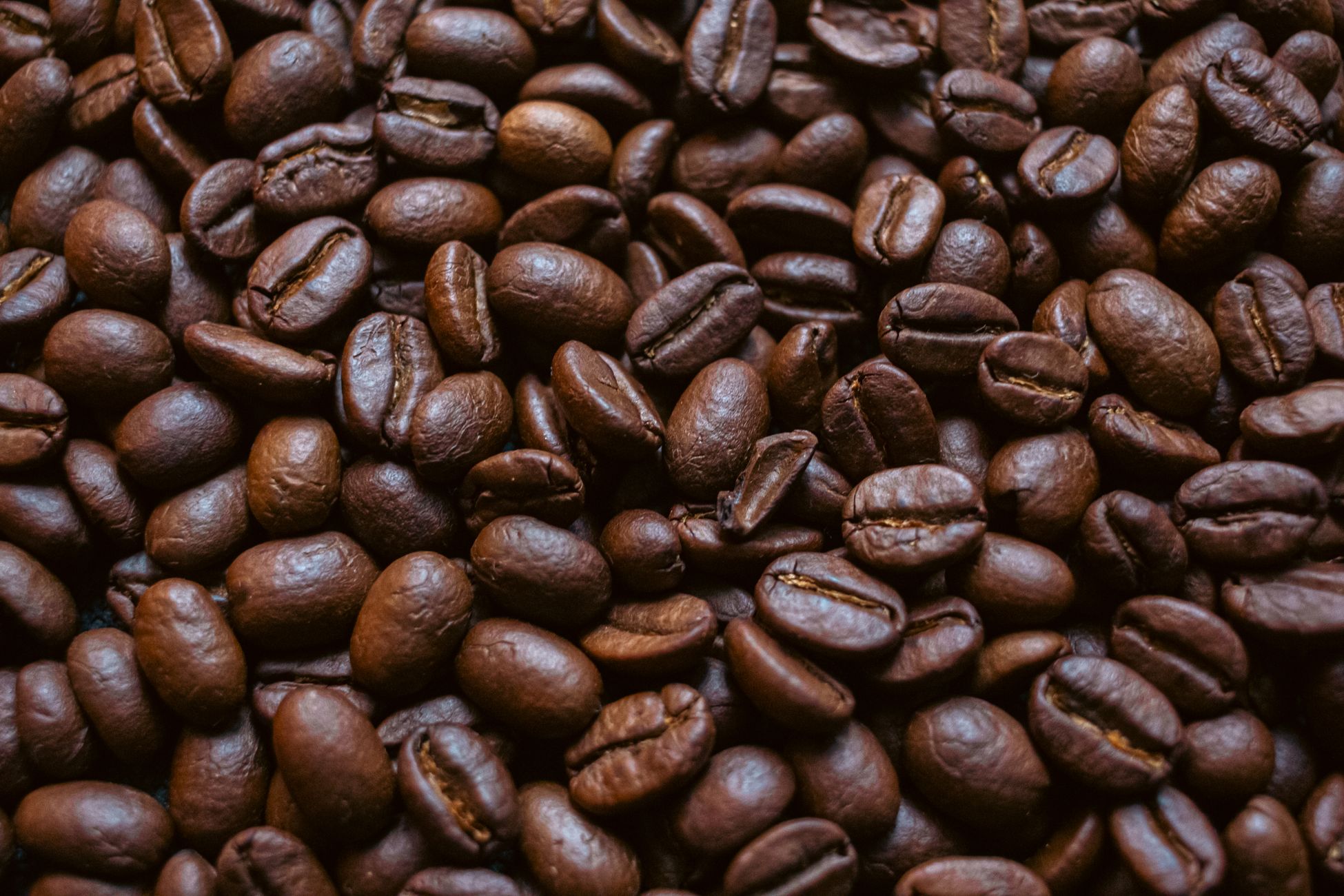
The brewer itself is usually fine. Most pod machines push water at a modest pressure through the grounds and out the bottom in twenty to forty seconds. Water temperature is often a little low, in the high eighties rather than the low nineties, because the machines prioritize speed and safety over extraction. That contributes to the thin body.
But swap in fresh grounds and the same machine makes a noticeably better cup. Reusable pods exist for most systems, and people who fill one with coffee ground minutes earlier are consistently surprised at how different it tastes. The machine was never the ceiling. The grind was.
That experiment is worth running if you own a pod brewer and are not ready to give it up. It tells you exactly how much you were losing to the pod itself.
The Freshness Math
Roasted whole bean coffee is at its best from a few days to a few weeks after roasting. Air roasted coffee tends to peak a little earlier because there is less chaff and smoke residue to settle, and it holds its clarity well for several weeks in a sealed bag with a valve.
Grind that coffee just before you brew it and you capture almost everything the roaster put in. Grind it and wait a day, and you have lost the top notes. Grind it and wait a month, and you have a product that needs a dark roast and a strong flavor to be worth drinking.
A pod locks in the last scenario by design. It can be made carefully, with fast sealing and nitrogen and decent beans, and it will still be a month old grind at best when you brew it. That is a hard limit, not a quality tier.
What to Do If You Want Convenience and Flavor
You do not have to choose between a two minute morning and coffee that tastes like something.
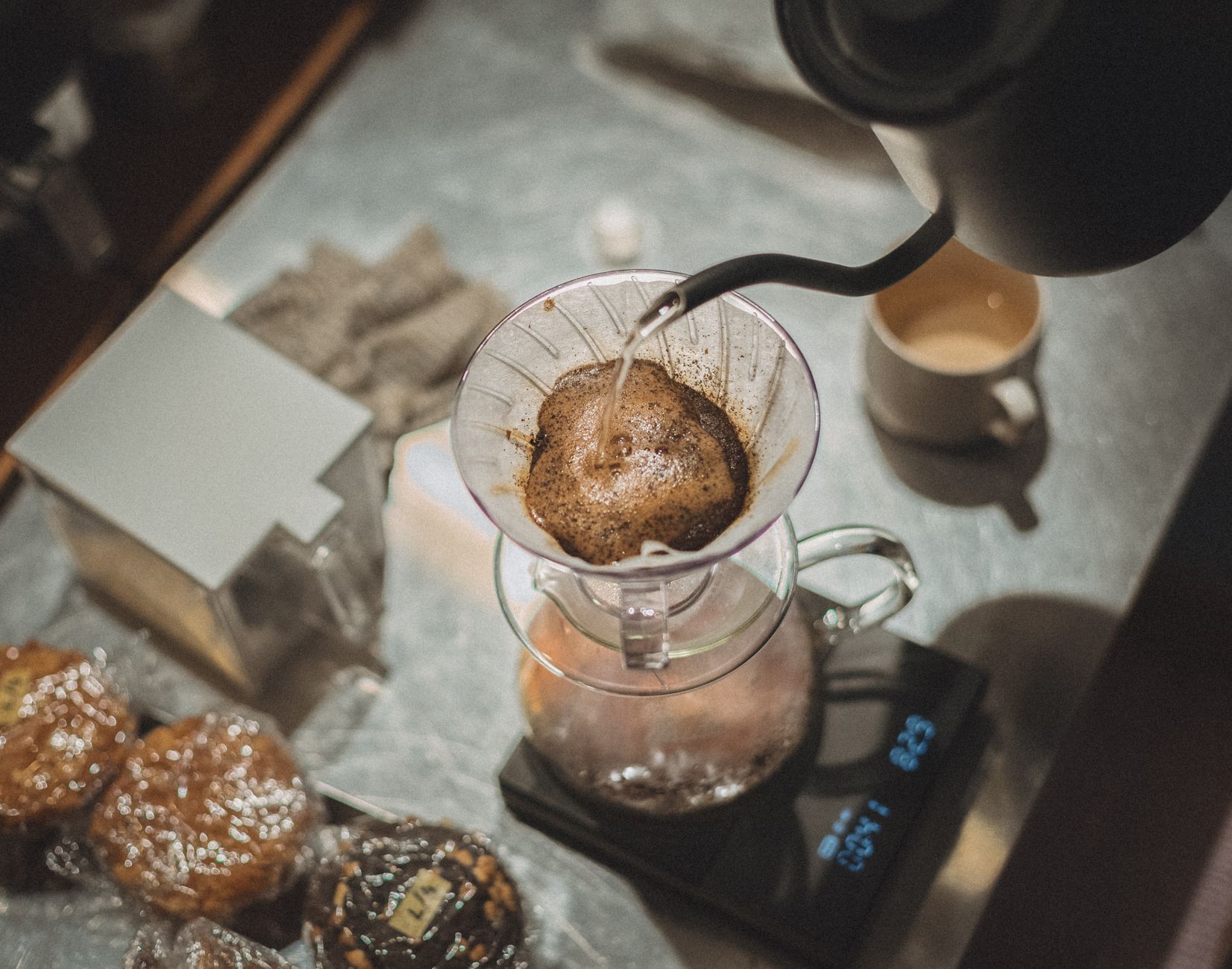
A burr grinder with a hopper and a timer takes about ten seconds to produce a dose. An AeroPress or a small pour over cone brews in three to four minutes with almost nothing to clean. Batch brewers with a thermal carafe can be set the night before, and while pre grinding the night before costs you some aroma, it is still hours old instead of months.
If you love the pod machine, get a reusable pod and fill it with fresh grounds. It is the single biggest upgrade available for that system, and it costs less than a box of pods.
And buy whole beans from a roaster who prints the roast date. That date is the beginning of the freshness clock, and it is the number a pod box will never show you.
Pick up whole beans and taste the difference a fresh grind makes
There is nothing wrong with wanting coffee to be easy. The pod solved that problem completely. What it could not solve is the chemistry of ground coffee, which starts losing flavor the second the grinder stops. Every pod is a race that was lost before it reached your kitchen. Whole beans and a grinder let you start the race yourself, and win it every morning.
All images shown in this blog are sourced from pexels.com.