

Honduras produces more coffee than any other country in Central America. It out-grows Guatemala, Costa Rica, and Nicaragua by a wide margin, and in some years it ships more than all of them combined. If you have been drinking blended coffee for the last decade, you have almost certainly had Honduran beans in your cup without ever seeing the name on a label.
That is the strange part. A country that big in volume should be a household name among people who care about origin. Instead, Honduras spent most of its coffee history invisible, and the reasons why say a lot about how the specialty market actually decides what gets attention.
If you have never deliberately bought a Honduran coffee, it is worth correcting. Browse our most popular roasts and look for Central American origins when you want something balanced rather than loud.
Where Honduran Coffee Actually Grows
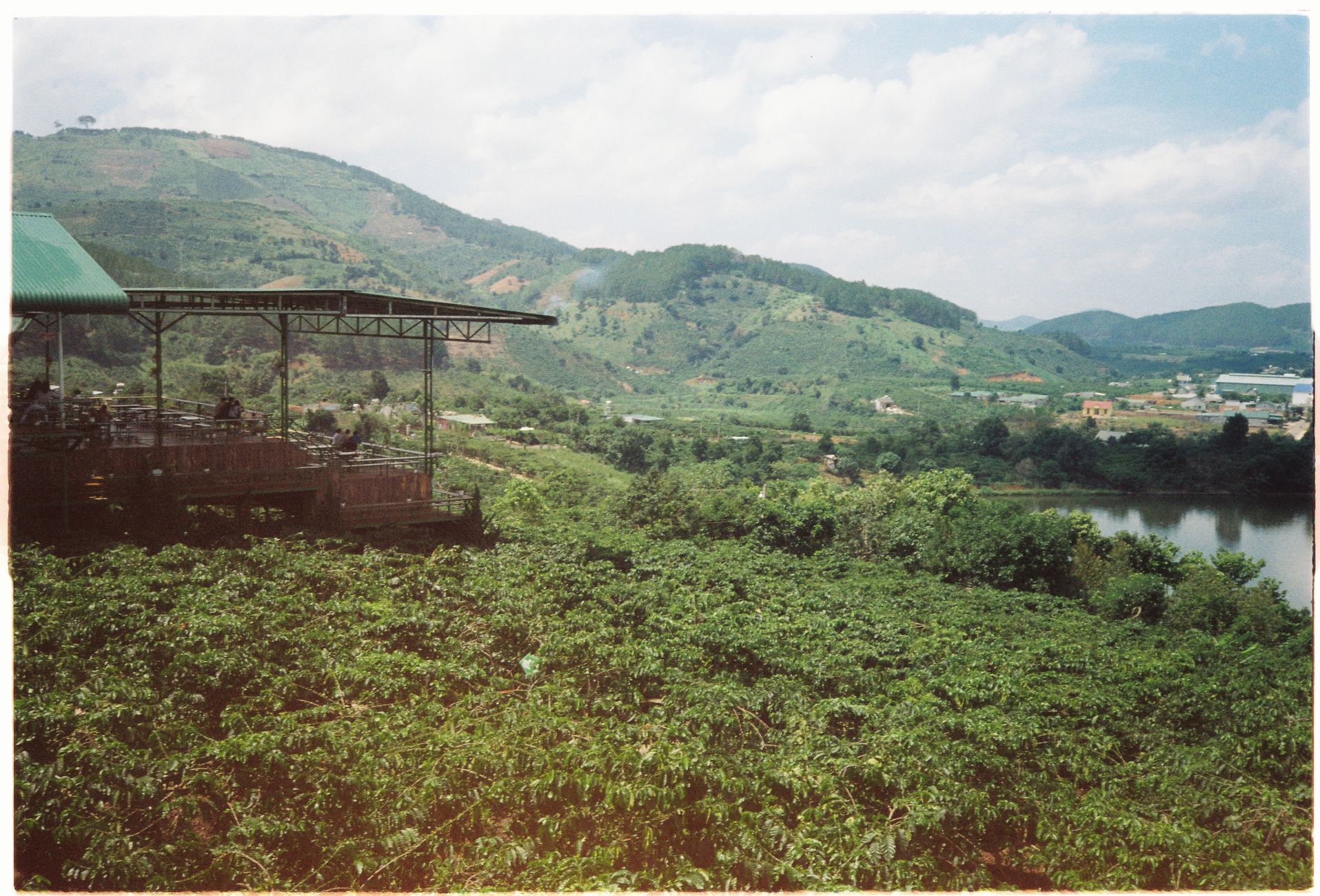
Honduras is mountainous almost everywhere, which is the first thing working in its favor. Roughly three quarters of the country sits above three hundred meters, and the coffee regions climb well past fifteen hundred. Altitude slows cherry maturation, and slow maturation produces denser beans with more developed sugars. On paper this is prime coffee geography.
There are six recognized growing regions, and they do not taste alike. Copán, in the west near the Guatemalan border, tends toward chocolate and a soft, rounded acidity. Montecillos, in the southwest, produces some of the brightest coffees in the country, with citrus and stone fruit that would not be out of place in a Guatemalan Huehuetenango. Agalta, in the east, is known for tropical fruit notes. Comayagua sits in the center and leans caramel and vanilla. Opalaca and El Paraíso round out the set.
Most Honduran coffee is grown by smallholders, farms of a few hectares or less, often family operated across generations. There are more than a hundred thousand coffee producing families in the country. This structure shapes everything about how the coffee moves to market, and it is a large part of why reputation lagged behind volume.

The Flavor Profile People Do Not Expect
Ask someone to guess what Honduran coffee tastes like and they usually say generic. Coffee flavored coffee. Fine but forgettable.
A well processed Honduran from a good lot is none of those things. The typical profile runs toward milk chocolate, roasted almond, and a gentle citrus acidity that sits underneath rather than on top. Body tends to be medium and smooth. The sweetness is real and caramel adjacent, not the bright fruit sugar you get from an Ethiopian.
What makes these coffees appealing is balance. Nothing dominates. A great Kenyan hits you with blackcurrant acidity that you either love or find aggressive. A great Sumatran leads with earth and herbs that divide people instantly. A great Honduran is easier to hand to anyone. It is complex without demanding that you keep up.
That quality is also exactly why the coffee was overlooked. Specialty buyers spent the second wave and much of the third chasing distinctiveness. A coffee that tasted unmistakably of somewhere specific could justify a premium. A coffee that tasted excellent but familiar had a harder time getting a story written about it.
Why Reputation Took So Long
Three things held Honduras back, and none of them had much to do with the coffee itself.
The first was infrastructure. For decades, a smallholder in a remote mountain community had no practical way to dry and mill coffee to specialty standards. Cherries were often sold to intermediaries within hours of picking, at a flat price with no quality differentiation. When a farmer gets the same price for meticulous selective picking as for stripping everything off the branch, the incentive to do the harder work disappears. Quality collapsed toward the average.
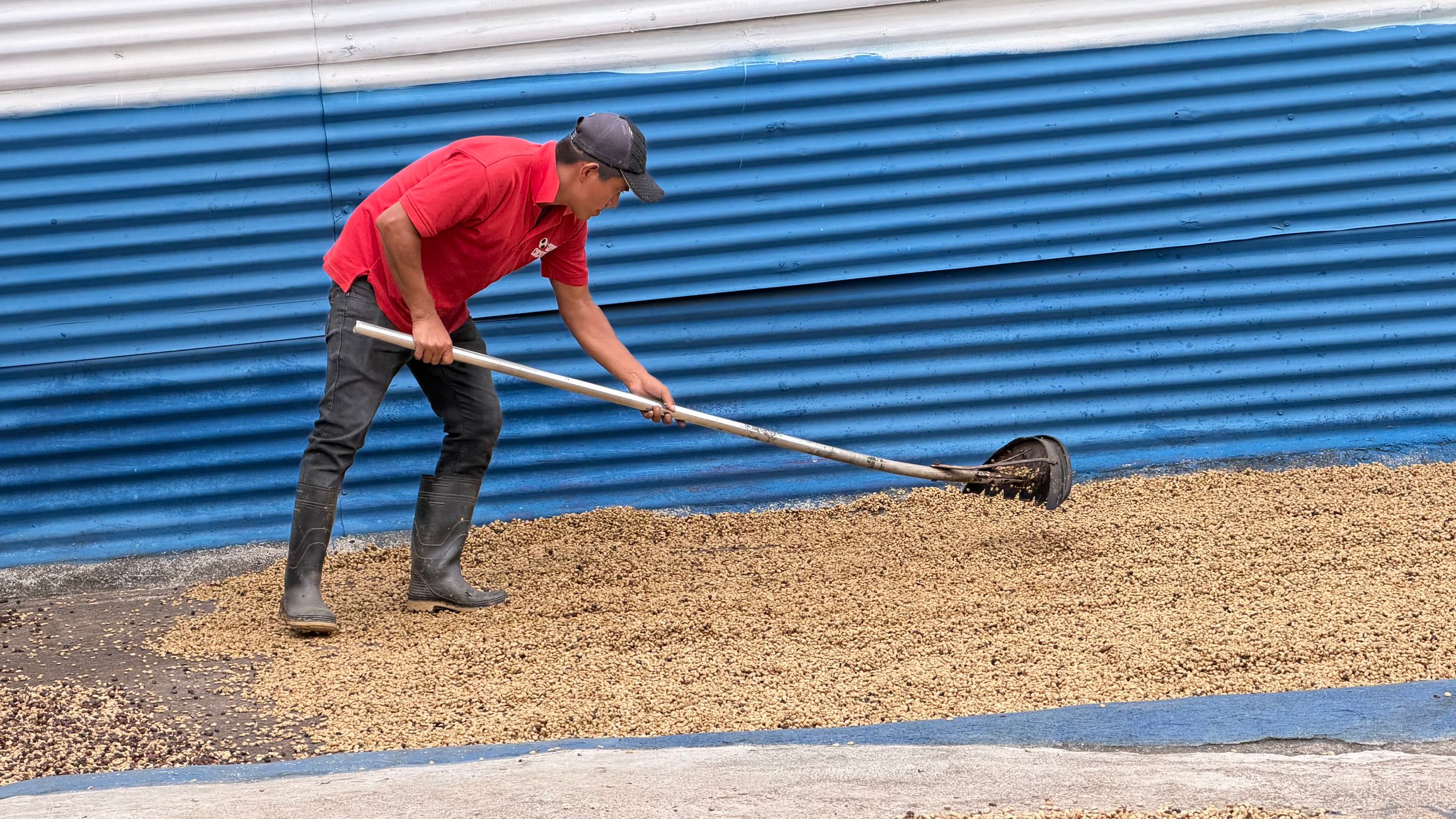
The second was climate. Honduras is humid, and humidity is the enemy of drying coffee. A washed coffee that sits too long at high moisture content develops mold and phenolic off flavors. Producers without covered drying beds or mechanical dryers were losing lots to weather they could not control. Even great cherries can be ruined in the four days after picking.
The third was reputation itself, which compounds. Buyers who got a bad lot stopped sourcing from the country. Fewer buyers meant less investment, less investment meant fewer improvements, and the cycle held. Honduras got categorized as commodity origin, and commodity origin coffee gets bought on price, which pushes quality down further.
What Changed
The turn started in the early 2000s and accelerated after 2010. The Honduran Coffee Institute, known as IHCAFE, pushed a regional identity program that formally defined the six growing regions and started building the case that place mattered here the same way it did in Colombia or Guatemala.
At the same time, infrastructure caught up. Raised drying beds spread through the highlands. Small wet mills became affordable enough that cooperatives and even individual farms could process their own cherries instead of selling them wet. Once a producer controls processing, they control quality, and once they control quality, they can chase a premium.
The Cup of Excellence competition arrived in Honduras in 2004 and did what it has done everywhere. It gave individual farms a way to be recognized by name and to sell at auction for many multiples of the commodity price. When a neighbor's lot sells for twenty dollars a pound, the argument for careful processing stops being theoretical.
Varietal diversity helped too. Honduras had been heavily planted in Catuai and Bourbon, solid but unspectacular. Producers started experimenting with Pacas, a natural Bourbon mutation that originated in nearby El Salvador and does well in Honduran conditions, and with Geisha in the highest plots. A Honduran Geisha will not dethrone a Panamanian one, but it proved the terroir could support it.
What Coffee Leaf Rust Nearly Did
The recovery almost ended in 2012. A coffee leaf rust outbreak swept Central America and hit Honduras hard, cutting national production by roughly a quarter and devastating individual farms entirely. Rust attacks the leaves, the tree cannot photosynthesize, and yields crash for years even after the immediate infection is managed.
The response reshaped the country's plantings. Producers replaced susceptible trees with resistant varietals, particularly Lempira and Parainema. This was a necessary move and it saved a lot of farms. It also came with a tradeoff that specialty buyers still argue about. Rust resistant hybrids carry robusta genetics somewhere in their lineage, and some of them cup with a flatness that pure arabica lines do not have. Parainema has held up better in the cup than most and has won competitions outright. Lempira is more divisive.
What this means practically is that Honduran quality is uneven in a specific way. You are not just asking what region the coffee came from. You are asking what got planted after the rust, and that varies farm to farm.
How Honduran Coffee Handles Roasting
These beans are generally dense and take heat well, but they reward restraint. The sugars in a good Honduran are the point, and pushing the roast dark enough to caramelize past them turns a nuanced coffee into generic dark roast. Everything distinctive gets erased.
A light to medium roast keeps the chocolate and almond while preserving enough acidity to give the cup structure. The window is reasonably forgiving compared to a high grown Ethiopian, which is another reason Honduras works well for people who are still learning what they like.
Even heat application matters here more than the roast level alone. Honduran smallholder lots can have slightly more bean size variation than a large single estate, and uneven sizing in a hot drum means the small beans scorch before the large ones develop. Air roasting keeps the whole batch moving in the same thermal environment, which evens that out. You get a cup where the sweetness arrived intact instead of half the batch tasting roasty.
Pick up a bag and taste the difference with a medium roast from a Central American origin.
How To Brew It
Honduran coffee is versatile, which again is both its strength and the reason it gets overlooked.
For pour over, a medium grind and water around 200 degrees pulls out the citrus and keeps the body from getting heavy. The balance means you are less likely to hit the sour or bitter extremes that a more extreme coffee punishes you for.
For espresso, Honduras is quietly excellent and shows up in a lot of blends for exactly this reason. The chocolate and nut notes survive the pressure, the sweetness holds, and the moderate acidity keeps the shot from going flat without turning it sharp. If you are building a single origin espresso and want something that will not fight you, this is a good place to start.
For French press, the medium body works with the added weight from the oils rather than becoming overwhelming. A lighter roast Honduran in a press can feel surprisingly full.
What To Look For On A Bag
Region is the first thing worth checking. If a bag says only Honduras and nothing else, you are likely holding a blended commercial lot. If it names Copán or Montecillos or Marcala, someone tracked it further back and the odds of care go up considerably.
Marcala deserves a specific mention. It holds a protected denomination of origin, the first in Honduran coffee, which means coffee sold under that name has to meet defined geographic and quality criteria. It is a meaningful signal in a market where most origin claims are not verified.
Varietal, if listed, tells you something too. Bourbon, Pacas, Typica, and Catuai are the traditional lines and generally cup cleaner. Parainema is the rust resistant option that competes on quality. Altitude above fifteen hundred meters is a good sign, though it is not a guarantee by itself.

Why It Matters Now
Honduras is a reminder that the map of good coffee is not fixed. A country can produce enormous volume for decades, get written off as commodity, and then reach specialty quality in the span of one generation once the infrastructure and the incentives line up.
It also means there is value here that has not fully priced in yet. A high scoring Honduran still costs less than an equivalently scored Guatemalan or Costa Rican, purely because the name does not carry the same weight. For a drinker rather than a collector, that gap is the whole point.
All images shown in this blog are sourced from pexels.com.