

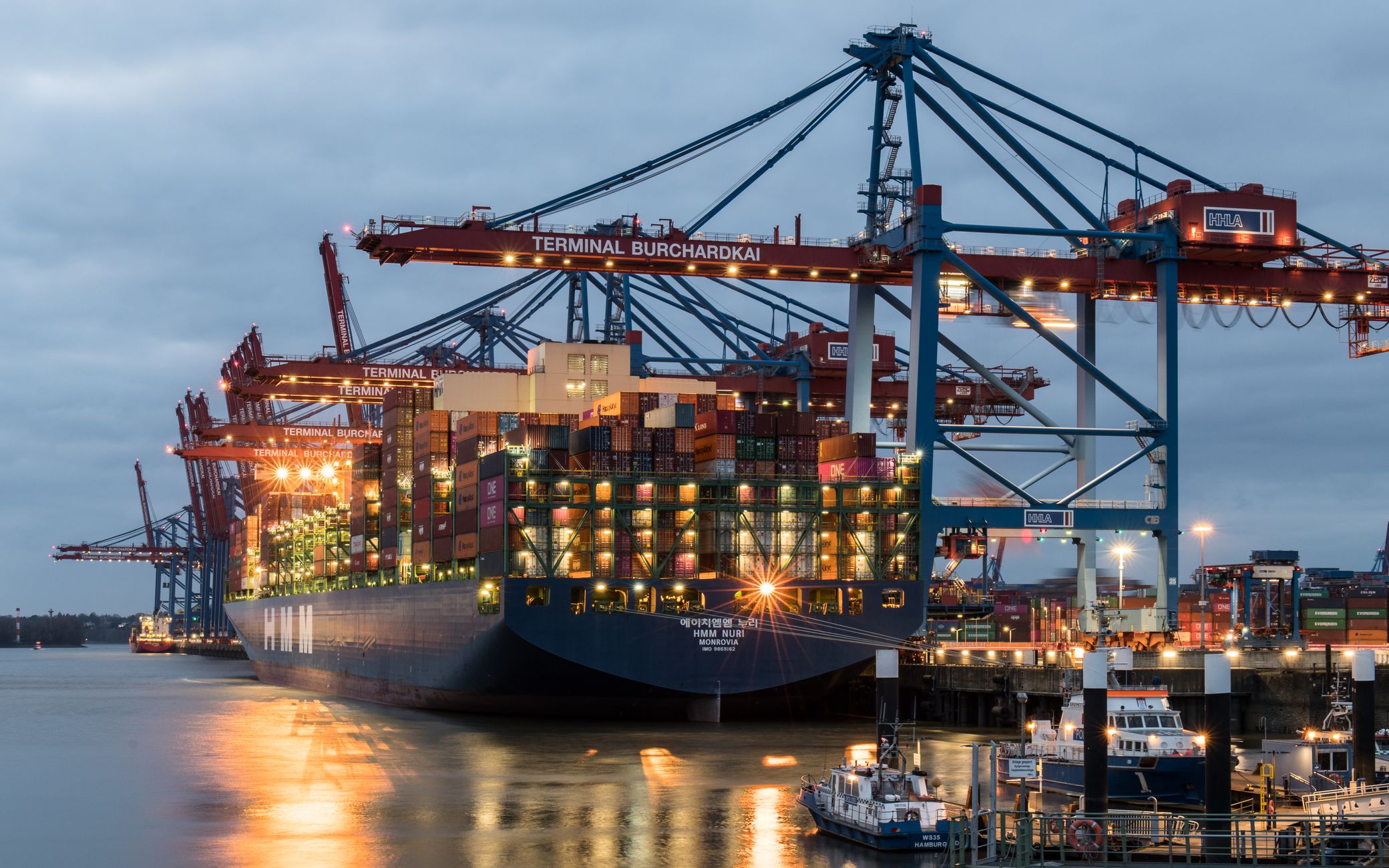
There is a gap in the story of almost every bag of coffee you buy. The farm section is detailed, the roasting section is detailed, and in between there is a sentence about the coffee being imported, as though it teleported.
What actually happens is that sixty to three hundred bags of green coffee sit in a steel box on a ship for anywhere from two weeks to two months, crossing climate zones, with nobody looking at them. That crossing can leave a lot exactly as it left origin or it can quietly ruin it, and which one happens comes down to decisions made before the container doors closed.
Drink coffee that arrived in the condition it left in.
The Container Is a Weather System
A shipping container is a sealed metal box with a large amount of moist organic material inside it, moving from a tropical port to a temperate one.
During the day the sun heats the steel and the air inside climbs well above the outside temperature. At night it cools sharply. That daily swing happens for the entire voyage, and every cycle drives water out of the coffee into the air and then back again.
When the warm humid air inside the container hits the cooler steel ceiling at night, it condenses. Droplets form on the roof and the walls, then fall back onto the bags below. This is called container rain, and it is the primary way a shipment gets damaged in transit.
The bags directly under the condensation absorb that water. Their moisture content climbs, their water activity climbs with it, and if the voyage is long enough or the swings severe enough, mold begins. A container can arrive with most of its coffee perfect and the top layer musty, which is why receiving warehouses sample from multiple positions rather than grabbing one bag.
Crossing the Tropics Is the Hard Part
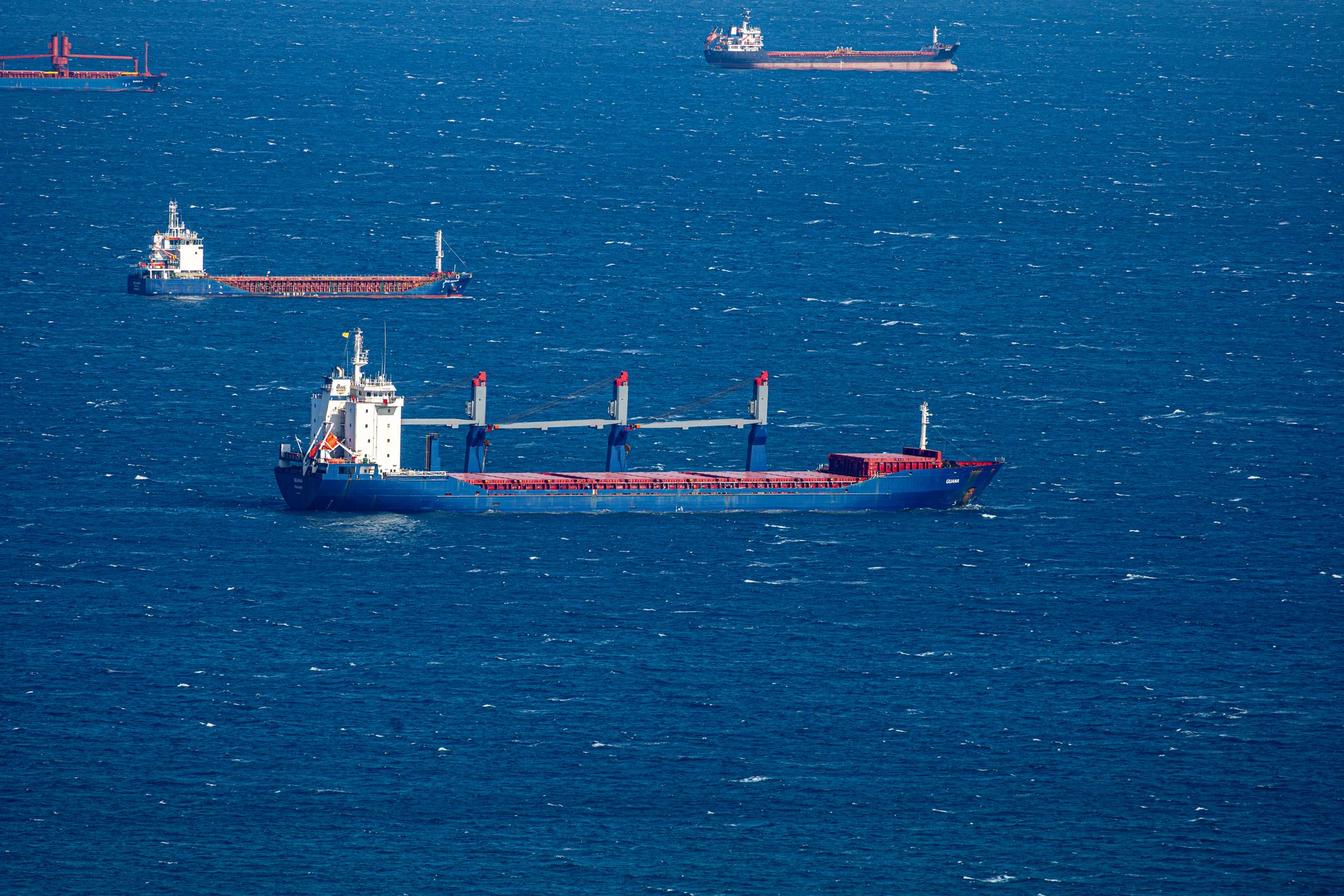
Not all routes are equal, and the difference is mostly about how many climate zones a container passes through.
A shipment leaving Central America for a North American port has a relatively short and thermally mild trip. A shipment leaving East Africa or Indonesia for Europe or North America can spend weeks in equatorial heat, then transit into cooler water, then sit on a dock somewhere warm during a transshipment.
Every transition means another round of temperature swings, and every delay adds cycles. A container that sits at a congested port for ten days before loading has already been through ten day night cycles in tropical heat while doing nothing useful.
Time in transit is not the whole story either. Two containers on the same route can arrive in different condition depending on where they sat on the ship. A box on the top deck exposed to sun takes far larger swings than one buried in the hold, which is closer to a stable temperature the whole way.
How Shipments Are Protected
The industry has three main answers, and they cost different amounts.
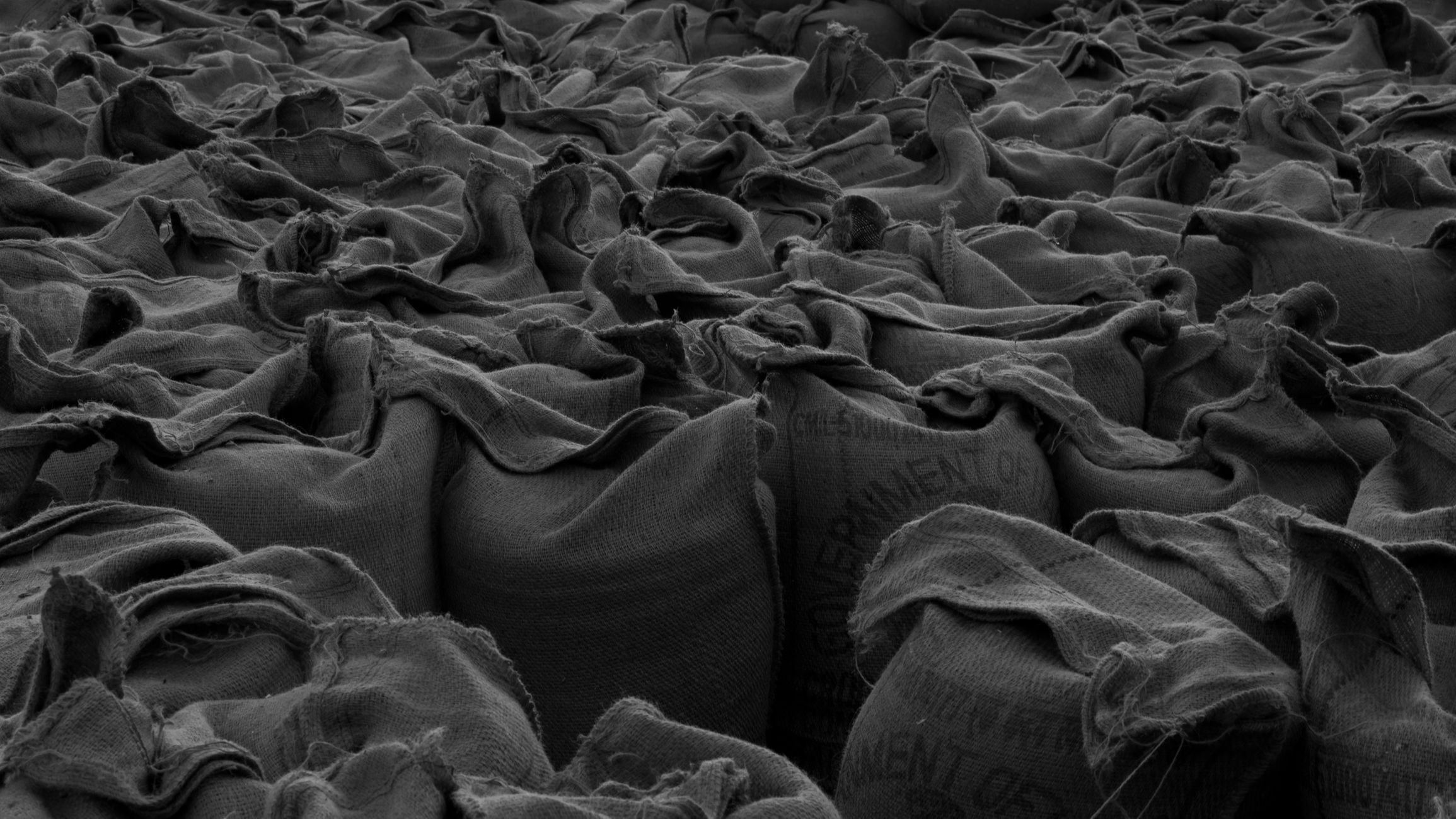
The oldest is jute bags in a plain container with kraft paper or cardboard lining the walls and ceiling. The lining absorbs some condensation before it drips, and desiccant bags hung inside pull moisture from the air. This is cheap and it is what most commodity coffee travels in. It reduces the damage, it does not prevent it, and the coffee's moisture and water activity both drift over the voyage.
The middle option, and the standard for most specialty coffee now, is a hermetic liner. GrainPro bags and similar multilayer barrier liners go inside the jute, or a single large liner goes inside the container. They are close to impermeable to water vapor and oxygen, so the coffee is sealed off from the daily humidity cycle entirely. The bean's moisture stays where it was at packing, and the aging that oxygen drives slows down substantially.
The most protective option is vacuum packing, usually in blocks of ten or twenty kilos with the air pulled out. It costs meaningfully more and it is generally reserved for high value lots where the buyer has already committed. Vacuum packed coffee holds its condition for many months longer than anything else, and roasters buying competition level lots often specify it.
There is also refrigerated shipping, which some buyers use for extremely valuable lots. A reefer container holds a steady temperature the whole way, which eliminates the swings that cause condensation in the first place. The cost is high enough that it stays rare.
Buy from a roaster who knows how their coffee traveled.
The Coffee Ages During the Trip
Even in perfect conditions, green coffee is not frozen in time on the water.
The chemical changes that cause green coffee to fade continue at a rate set mostly by temperature, oxygen exposure, and water activity. A voyage spent in a hot container with free exchange of air is effectively accelerated aging, and a coffee can lose a noticeable amount of its aromatic top end between origin and arrival without ever developing an obvious defect.
That loss is subtle and it is the reason a coffee sometimes cups differently at the roastery than it did at origin. The pre shipment sample was pulled and shipped by air in a small sealed bag, arriving in days. The container took six weeks in the heat. Nobody did anything wrong and the two samples genuinely differ.
Roasters who buy seriously account for this by cupping the arrival sample, not just the offer sample, before they accept a lot. It is a standard step and it exists precisely because the crossing changes things.
The Part That Happens After the Ship
Arrival is not the end of the exposure.
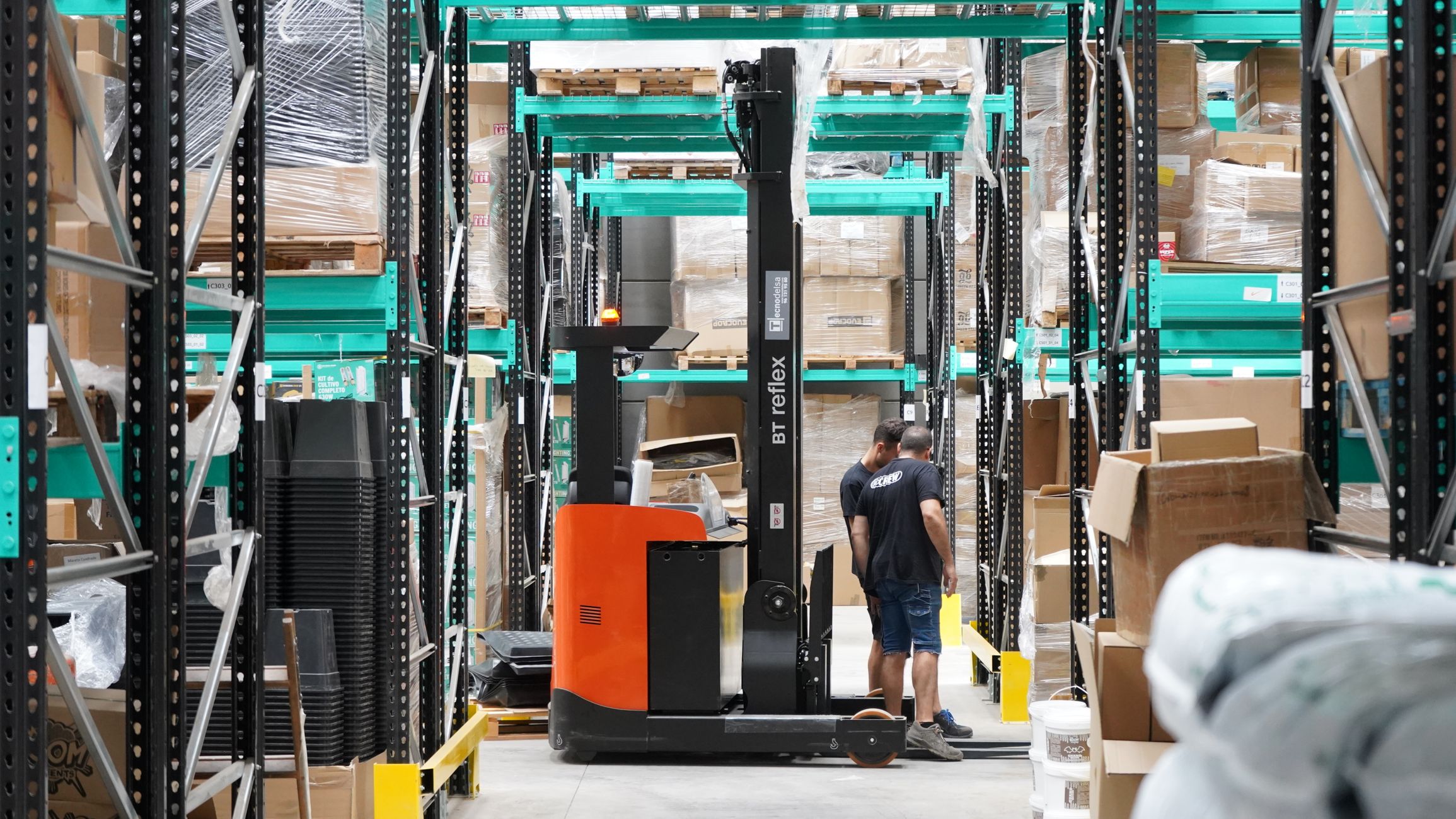
The container has to clear customs, get trucked to a warehouse, and sit until the roaster calls it forward. Warehouse conditions vary enormously. A climate controlled facility holds coffee near stable temperature and humidity. An uninsulated warehouse in a hot region puts the coffee through the same daily cycle it just survived on the ship, for months.
For a roaster buying spot coffee from an importer's warehouse, this stage often matters more than the voyage did, because it lasts longer. It is one of the reasons roasters ask when a lot landed and how it has been stored, rather than only which harvest it came from.
Why This Should Matter to You
You cannot inspect a container and no bag will tell you how it traveled. What you can do is notice which roasters behave like this stage exists.
A roaster who lists the harvest year is tracking the age of the green, not just the roast date. A roaster whose offerings rotate through the year is working through lots while they are still in good condition instead of selling the same coffee for eighteen months. A roaster who talks about their importer or their direct relationships is usually buying coffee that shipped in barrier packaging, because that is the standard in that part of the trade.
And the failure mode is recognizable once you know it. Coffee that traveled or stored badly roasts to something that smells nearly right and tastes muted, with the acidity flattened and a faint dusty note underneath. It is not a roast defect and it is not old roasted coffee. It is a bean that lost most of what it had somewhere in a steel box, weeks before anyone applied heat to it.
The crossing is the least visible part of the supply chain and one of the easiest places to lose everything the farm worked for. Roasters who care about it pay more, and that difference is sitting in the cup whether or not anyone mentions it.
Get coffee that was protected the whole way.
All images shown in this blog are sourced from pexels.com.