


Most coffee is sold by the container, blended into anonymity, and priced against a commodity market that does not care which farm it came from. Every so often, though, you hear about a single lot of coffee selling at auction for fifty, a hundred, or several hundred dollars a pound, with the farmer's name attached and roasters from a dozen countries bidding against each other. Very often, the competition behind that sale is Cup of Excellence.
Cup of Excellence is the closest thing specialty coffee has to a world championship for producers. It is a national competition, run country by country, that identifies the very best lots of a given harvest, scores them rigorously, and sells them at a public auction where the farmer keeps most of the money. This post explains how it works, why the prices get so high, and what it has done for the people who grow coffee.
Explore our most popular coffees
How It Started
Cup of Excellence began in Brazil in 1999. At the time, coffee prices were collapsing and even excellent farms were being paid the same as mediocre ones. A group of coffee professionals, working with the United Nations and the International Coffee Organization, wanted to prove that if buyers could taste the best coffee a country produced and know exactly where it came from, they would pay more for it. The first competition selected ten lots, auctioned them online, and the prices far exceeded anything those farmers had ever received.
The idea spread. Within a few years Guatemala, Nicaragua, El Salvador, Honduras, and Colombia were holding competitions. Rwanda hosted the first African edition in 2008, followed by Burundi in 2012, and Ethiopia joined in 2020. Today the program is run by a nonprofit called the Alliance for Coffee Excellence and operates in more than a dozen producing countries each year.
How The Competition Works
A Cup of Excellence competition is a long filter designed to eliminate everything except the extraordinary.
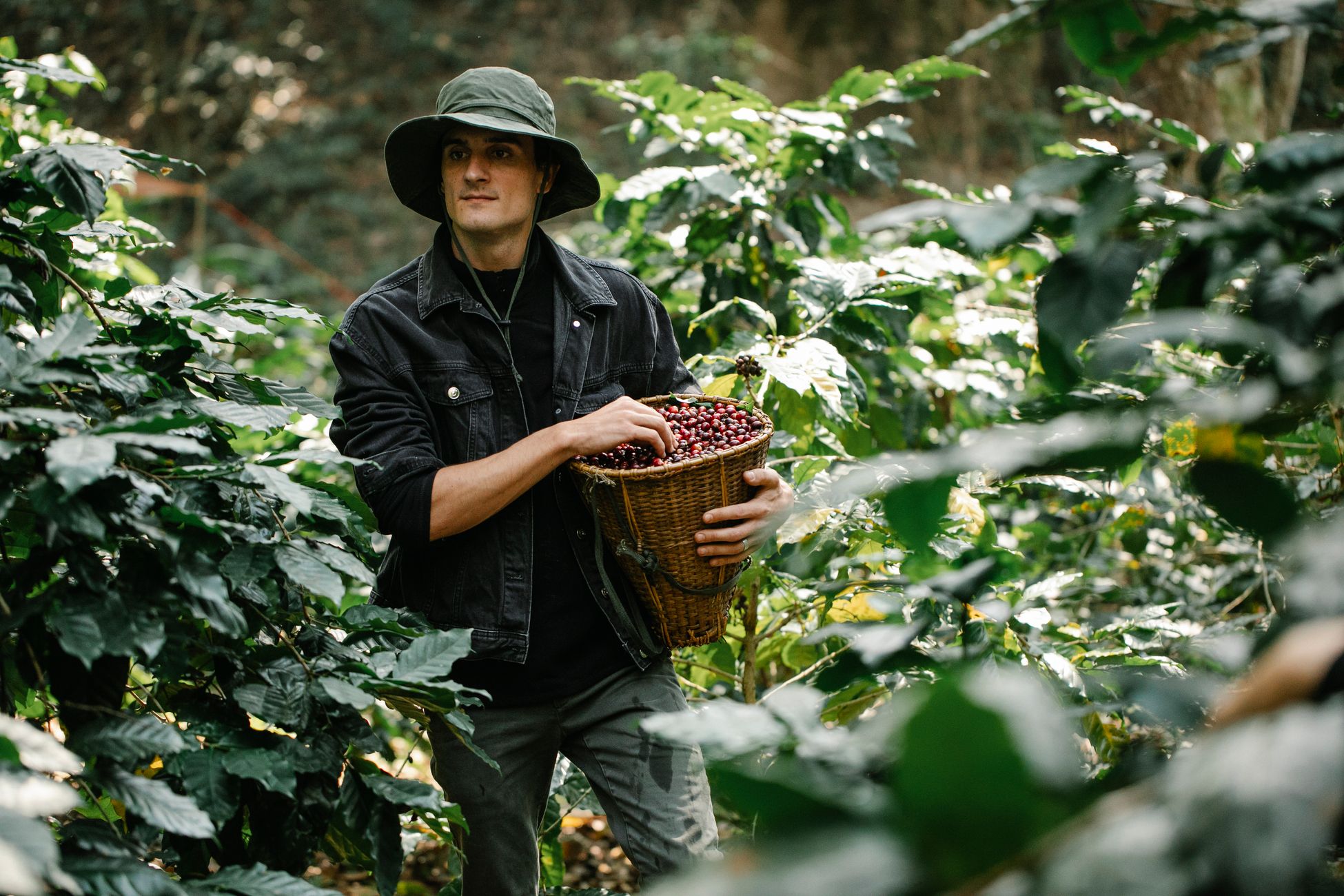
It starts with submissions. Farmers and cooperatives in the host country send in lots from the current harvest, each one a traceable quantity of coffee from a single farm or a tightly defined group of plots. Hundreds of lots enter.
A national jury of trained cuppers then evaluates every sample blind, scoring on the standard hundred point scale for aroma, flavor, aftertaste, acidity, body, balance, and overall impression. Lots that do not reach the cutoff, currently 87 points, are eliminated. This stage alone usually removes the majority of entries.
The surviving lots are cupped again, and again, with the field narrowed each time. The final round brings in an international jury of experienced cuppers from importing countries, who taste the remaining coffees blind over several days. Every coffee is cupped multiple times by multiple people, and the scores are averaged. Only lots that hold their score across every round make the final list, typically twenty to thirty coffees. Anything that scores 90 or above receives a presidential award, a distinction that very few coffees in the world ever earn.
The whole process is designed so that reputation, farm size, and relationships count for nothing. A tiny family farm that has never sold outside its own region competes on exactly the same terms as a famous estate, and small farms win regularly.
The Auction And Where The Money Goes
After the results are announced, the winning lots go to an online auction. Roasters, importers, and buying groups from around the world register, receive samples, and bid in real time. Each lot is small, often just a few hundred pounds, and the bidding reflects both the quality of the coffee and the prestige of having a Cup of Excellence winner on the menu.
Prices start well above market and climb from there. Lower ranked winners commonly sell for a few multiples of the commodity price. Top lots have sold for well over a hundred dollars a pound, and in a few celebrated cases the price per pound reached into the hundreds. The record setting lots tend to be rare varietals, often Geisha, grown at high altitude and processed with meticulous care.
The critical detail is that the farmer receives the overwhelming majority of the auction price, after a modest fee that funds the competition itself. For a producer whose coffee normally earns a dollar or two per pound, a single winning lot can bring in more money than several years of ordinary sales. Farmers have paid off debts, bought land, built washing stations, and sent children to university on the strength of one auction.
Taste what carefully grown, carefully roasted coffee can do
Why Buyers Pay That Much
A hundred dollars a pound sounds irrational until you understand what is being bought.
The coffee itself is genuinely exceptional. A lot that has survived six rounds of blind cupping by dozens of professionals is, by any reasonable definition, among the best coffee produced in that country that year. Roasters who buy it are getting flavors they cannot find anywhere else.
The quantity is tiny. A few hundred pounds green, roasted and packed into small bags, might represent a few hundred retail units. Even at a hundred dollars a pound green, the per cup cost is high but not absurd for a limited release.
The story is part of the value. A roaster can put the farmer's name, the farm, the varietal, the score, and the rank on the bag and tell customers exactly what they are drinking. That transparency sells, and it builds the roaster's reputation as a serious buyer.
Finally, many buyers see the auction as an investment in a relationship. A roaster who wins a lot often returns to that farm in later years to buy directly, outside the competition, and the farmer gains a long term customer who pays well for quality.
What It Changed
The most visible result of Cup of Excellence is the prices, but the deeper effect is on how farmers think about their work. Before the program, most producers had no way to learn whether their coffee was good, and no financial reason to find out. Every lot went into the same pile at the same price. The competition gave them feedback, recognition, and a reason to invest in ripe picking, careful fermentation, and slow drying.
It also gave roasters a map. Cup of Excellence results are public, so a roaster who wants to find quality in Honduras or Burundi can look at the winners from the past five years and know exactly which farms, regions, and cooperatives to call. Many of the direct trade relationships that specialty coffee is built on began with a Cup of Excellence result.
And it set a standard. The scoring protocol, the blind cupping, and the traceability requirements shaped how the entire specialty industry evaluates coffee. The idea that a coffee should be judged on its own merit, by taste, with no label in view, is now the norm, and it owes a great deal to this program.
What It Means For Your Cup
You may never buy a Cup of Excellence lot. Most of them go to a handful of roasters and sell out instantly. But the influence reaches you anyway. The farmers who learned what quality looks like from competing did not only apply that to their best lot. They applied it to the whole farm. The cooperatives that built cupping labs to prepare for the competition now cup everything they sell. The regions that won attention through the auction now export more and better coffee to ordinary roasters at ordinary prices.
Every time you drink a clean, sweet, traceable coffee from a small farm in Central America or East Africa, you are tasting a little of what Cup of Excellence made possible.
Browse our most popular coffees and find your next favorite
All images shown in this blog are sourced from pexels.com.