

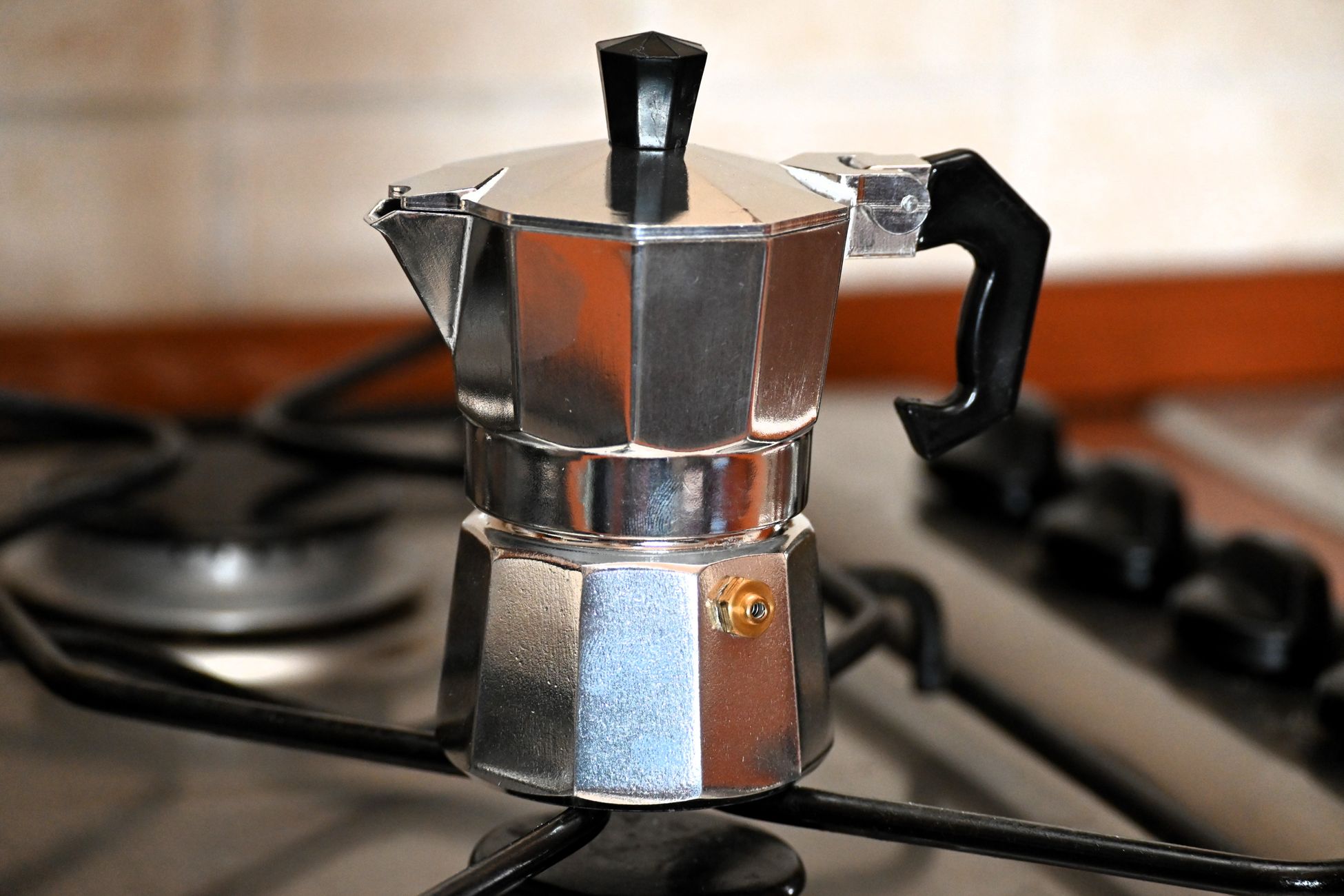
Walk up to a ventanita, one of the little walk up coffee windows that line the streets of Miami, and order a cafecito. What you get is a tiny cup of dark, sweet, intense coffee topped with a pale, creamy foam that looks like crema but tastes like caramel. It is strong enough to make your eyes widen and sweet enough to make you want another. People drink it standing on the sidewalk, share it from a styrofoam cup in thimble sized portions, and argue over who makes the best one in the neighborhood.
That drink is Cuban coffee, and the foam on top, called espuma or espumita, is the whole secret. It is made by whipping sugar into the first few drops of espresso until it turns into a thick, light colored paste, then pouring the rest of the coffee over it. The technique is simple, the chemistry behind it is surprisingly clever, and once you understand it you will never look at a spoonful of sugar the same way.
Explore our most popular coffees
What Goes In The Cup
Traditional Cuban coffee starts with a dark roast, often a finely ground blend that may include some Robusta for strength and crema. The coffee is brewed either in a stovetop moka pot, which is how most Cuban households make it, or on an espresso machine in cafés. The brew is strong, concentrated, and bitter on its own. Nobody drinks it that way.
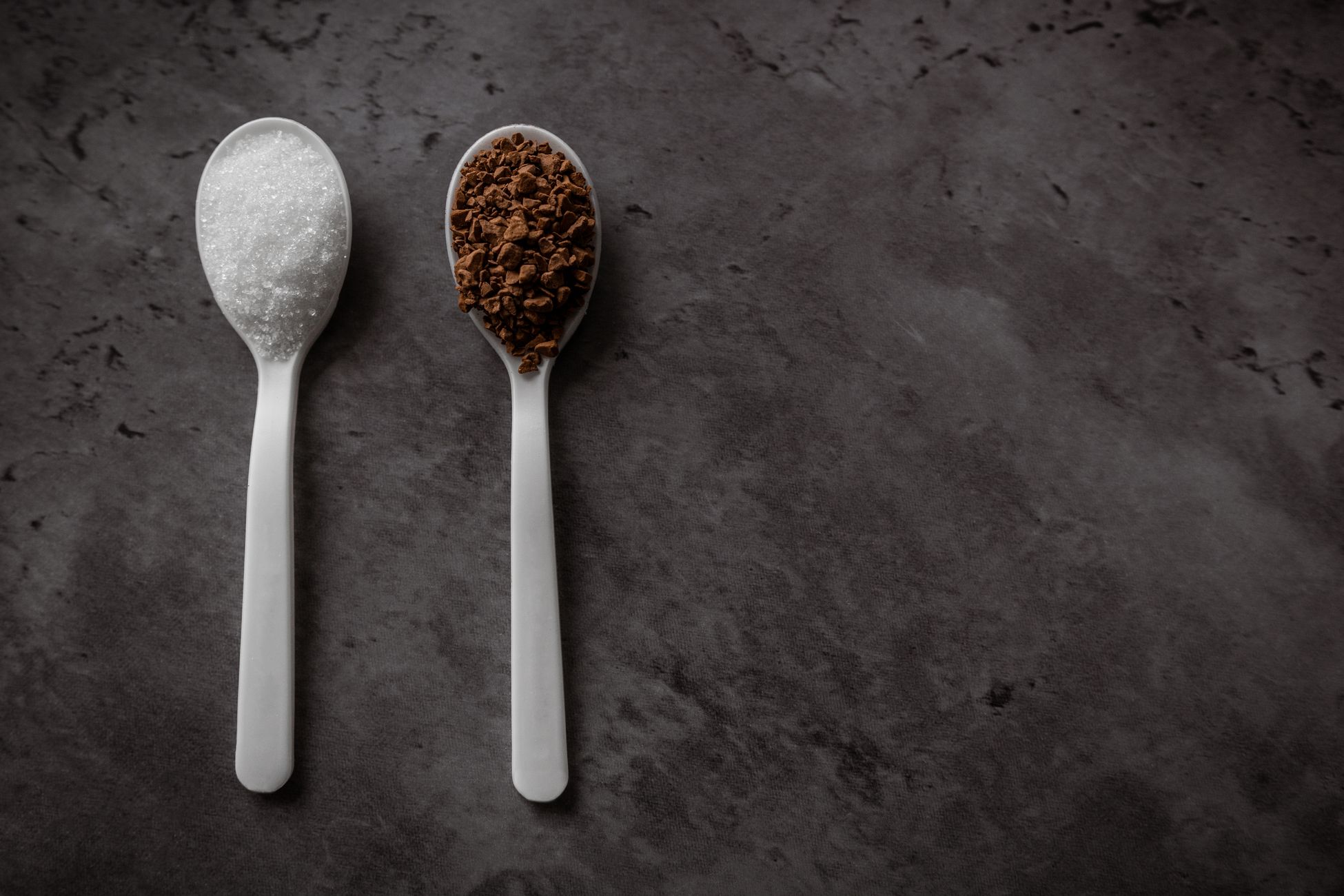
The sugar is typically white granulated or demerara, and there is a lot of it. A standard batch uses a tablespoon or more of sugar for a small moka pot's worth of coffee. If that sounds like a lot, remember that each serving is only an ounce or two, and the sweetness is doing real work against a very intense brew.
Making The Espuma
Here is the technique that defines the drink.
The sugar goes into a small cup or a metal pitcher before the coffee is ready. As the moka pot begins to sputter, or as the espresso machine starts to pour, the first few drops of coffee are caught and added to the sugar. Just a teaspoon or so. Not more.
Then the whipping begins. With a spoon, the sugar and those few drops of coffee are beaten hard and fast. At first it looks like wet sand. Within thirty seconds or so of vigorous stirring, the mixture lightens, thickens, and turns into a glossy, pale tan paste with the texture of a thick frosting. That is the espuma.
The rest of the coffee is then poured slowly over the paste while stirring gently. The paste dissolves into the hot coffee and rises to the top as a thick, creamy, sweet foam that stays there as you drink. Pour into small cups and serve immediately.
What The Whipping Actually Does
The espuma works because of three things happening at once.
The first is partial dissolving. Sugar dissolves in hot liquid, but those first few drops of coffee are not enough liquid to dissolve all of it. What you get instead is a saturated syrup with undissolved sugar crystals suspended in it. That mix is very thick, which is what lets it hold air.
The second is air. Beating the paste whips tiny air bubbles into the syrup, and the thick, sticky mixture traps them. The sugar crystals and the concentrated coffee solids act like a scaffold around each bubble. This is the same principle that makes whipped cream or meringue hold its shape. The more vigorously and longer you beat it, the lighter and paler the paste becomes, because you are incorporating more air and breaking the sugar into finer crystals.
The third is the coffee oils. Espresso and moka pot coffee contain emulsified oils and fine particles that help stabilize foam, which is why espresso has crema in the first place. Those first concentrated drops carry a heavy dose of them. When you beat the sugar into those drops, the oils coat the air bubbles and make the foam far more stable than sugar and water alone could manage.
When the hot coffee is poured over the paste, the heat melts the remaining sugar, the trapped air is released as foam, and the whole thing floats to the surface as a thick, pale, sweet crema. It is denser and longer lasting than ordinary espresso crema because it is loaded with sugar and oils. That foam carries most of the sweetness, so the first sip is intensely sweet and the last is a little more bitter, which is part of the drink's appeal.
Find a rich, sweet coffee that shines in a moka pot
The Family Of Cuban Drinks
Once you can make a cafecito, the rest of the menu is just variations.
A colada is a cafecito made in a larger batch, served in a styrofoam cup with a stack of tiny plastic cups on top. It is meant to be shared. One person buys it, walks it back to the office or the job site, and pours a thimble for everyone. It is as much a social ritual as a drink.
A cortadito is a cafecito with a splash of steamed milk, served in a small cup, similar to a cortado but sweeter and darker.
A café con leche is the breakfast version: a cup of hot, steamed milk with a shot of the sweetened coffee added, often served with buttered Cuban toast for dipping.
How To Make It At Home
You do not need a ventanita. A moka pot, a small metal cup or pitcher, a spoon, and some sugar will get you most of the way.
Fill the moka pot with finely ground dark roast coffee and water, and set it over medium heat. Put two to three teaspoons of sugar per serving into your cup. The moment the coffee begins to flow, pull the pot off the heat long enough to catch about a teaspoon of the first drops over the sugar, then return it to finish brewing. Beat the sugar and coffee hard with the spoon until it turns pale, thick, and glossy. Pour the rest of the finished coffee slowly over the paste while stirring, and serve in small cups right away.
The most common mistake is using too much coffee for the paste. If the mixture is runny, it will not hold air and you will get sweet coffee with no foam. Use fewer drops than you think you need. The second mistake is not beating long enough. Keep going until the color clearly lightens.

Why It Works Even With Great Coffee
Cuban coffee was built around strong, dark, inexpensive coffee, and the espuma exists partly to make that coffee delicious. But the technique is not limited to dark roasts. A medium roast with natural chocolate and caramel sweetness, brewed in a moka pot, makes a cafecito with more depth and less bitterness. The sugar foam still forms, the drink is still sweet and strong, and the origin character comes through underneath. It is a wonderful way to experience a good coffee in a completely different register from a pour over.
The next time you have a spoon, some sugar, and a moka pot sputtering on the stove, catch the first drops and start beating. Thirty seconds later you will have a cup that explains why an entire city stands on the sidewalk every afternoon waiting for one.
Browse our most popular coffees and find your next favorite
All images shown in this blog are sourced from pexels.com.