


Costa Rica has a reputation for clean coffee. Clean here means clear: you take a sip and every flavor sits in its own place. There is a bright citrus note up front, a round sweetness like honey or brown sugar in the middle, and a finish of cocoa that fades without leaving anything bitter behind. Nothing muddy, nothing harsh, nothing you have to forgive.
Over the last two decades that clarity has come from somewhere more personal. A generation of small farmers stopped handing their cherries to big mills and started processing coffee themselves, on their own land. That shift is why a Costa Rican bag now carries a farm name, a variety, and a processing note that reads like a color chart. If you want to taste where all of that lands, start here.
See if a Costa Rican coffee is in our most popular collection
The Cup Costa Rica Is Known For
Clean, sweet, bright, and balanced are the words you hear most about classic Costa Rican coffee. The acidity tends to read as citrus, orange or tangerine, and when the coffee is grown high it often moves toward stone fruit like apricot or peach. The sweetness reads as honey, cane sugar, or caramel. The base is cocoa or milk chocolate, and the body sits right in the middle, substantial enough to feel like coffee but light enough that it never coats your mouth.
That balance is why Costa Rica works for so many people, from first-time specialty drinkers to people who pick every cup apart. What makes it interesting is how much variation lives inside that profile. Two farms on the same ridge can produce noticeably different coffees, and a lot of the reason comes down to who processed the coffee and how.
Mountains, Volcanoes, And Cool Nights
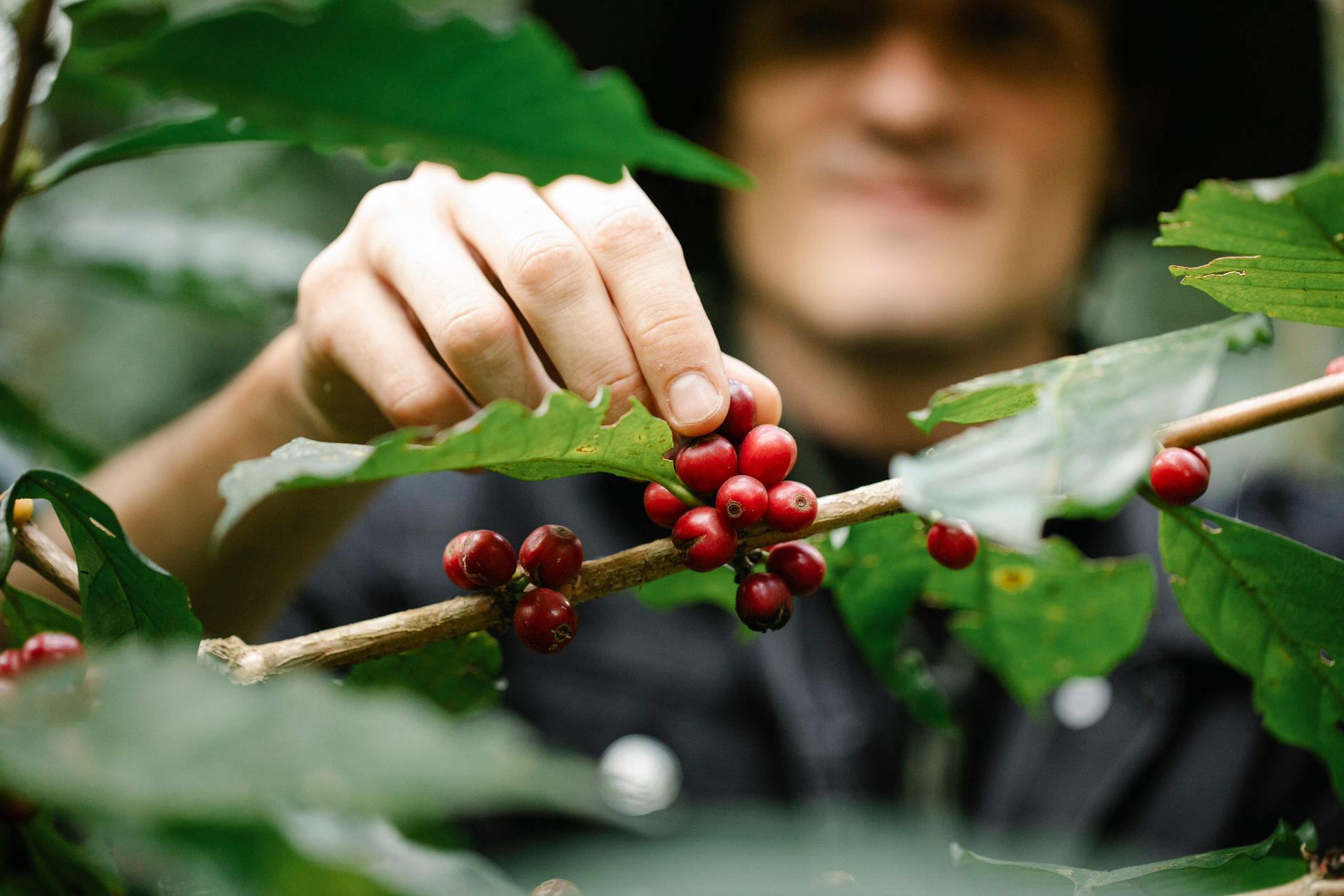
Costa Rica grows its coffee in the highlands that run down the spine of the country. The Central Valley around San José is ringed by volcanoes, including Poás, Barva, and Irazú, and a long history of ash has left soils that are deep, loose, and rich in minerals. Those soils drain quickly, which keeps roots healthy through the rainy season.
Altitude does the rest. Many of the best farms sit well above 1,200 meters. At that height the days are warm but the nights turn cool, and the cherry ripens slowly. Slow ripening gives the seed more time to build sugars and acids, and slow-grown seeds are dense and hard. That density is what roasts into the bright, sweet cup the country is known for.
The Regions Behind The Label
Tarrazú is the name most people recognize. It sits in the mountains south of San José, in an area called Los Santos because so many of its towns are named after saints. Tarrazú coffees are known for lively, sparkling acidity and a crisp, clean finish.
The West Valley, around towns like Naranjo, Palmares, and Sarchí, tends to produce fuller, fruitier coffees, with stone fruit and a heavier sweetness. The Central Valley, closest to the capital, grows on volcanic slopes and leans toward round, chocolatey cups with softer acidity. Tres Ríos, a small region east of the city at the foot of Irazú, has a long reputation for elegant, balanced coffee.
You will also see Orosi, Turrialba, and Brunca on labels. Turrialba and Brunca are generally lower, warmer, or wetter, and their coffees tend to be softer and gentler.
How Coffee Moved Before The Micromills
For most of the twentieth century, a Costa Rican farmer's job ended at the edge of the field. The farmer delivered ripe cherry to a large wet mill, called a beneficio, run by a cooperative or a private company, and got paid by how much cherry came in.
At the beneficio, that cherry went into the same tanks and channels as everyone else's. The mill pulped, fermented, washed, and dried huge volumes of coffee, then sold it in big lots graded by region and altitude. The system was efficient and built Costa Rica's reputation for clean washed coffee.
It also erased the individual farm. A grower who picked only perfectly ripe cherry on a high, cool slope was paid by the same measure as a neighbor who picked faster and sloppier lower down. Whatever made that farm special disappeared into the blend, and no buyer could come back next year and ask for the same coffee.
What Changed When Farmers Built Their Own Mills
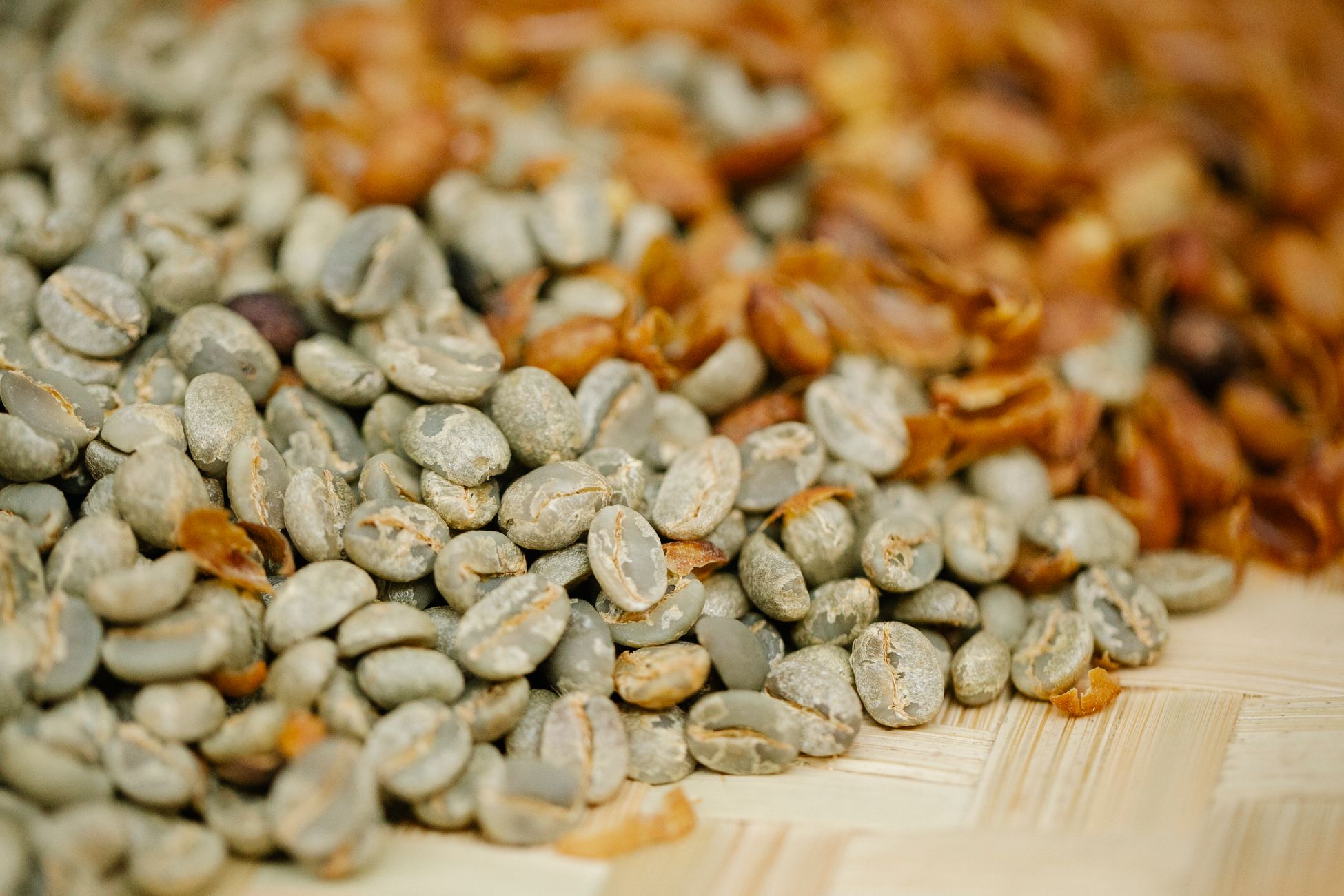
Starting around the early 2000s, more and more growers decided to stop selling cherry and start selling finished coffee. They bought small pulping machines, built drying patios and raised beds, and turned a corner of the farm into a micromill. Once a farmer controls the mill, three things become possible.
The first is traceability. Coffee leaves a micromill with the farm's name on it, and often the name of the specific plot. A roaster can buy it, taste it, and buy it again the next season from the same family.
The second is lot separation. A farmer can keep coffee from the highest plot apart from coffee lower down, separate one variety from another, or keep the early pickings apart from the late ones. Each becomes its own lot with its own flavor instead of dissolving into a regional average.
The third is experimentation. With their own equipment, producers can try different fermentation times, different drying methods, and different amounts of fruit left on the bean, then taste the results and adjust. That freedom is why Costa Rica's range of processing styles grew so quickly.
Underneath all three is value. A farmer selling finished, traceable coffee can sell it on quality instead of on weight, and keep more of what that quality is worth. That makes careful picking worth the effort, and it is why the best Costa Rican coffees now taste like a particular hillside.
Find a bright, clean coffee in our most popular collection
Honey Processing And The Colors On The Label
Costa Rica is strongly associated with honey processing, and the micromills are a big part of the reason. In a honey process the skin and pulp come off the cherry, but some of the sticky, sugary layer underneath, the mucilage, stays on the bean while it dries.
Costa Rican producers describe their honeys by color. Yellow honey generally leaves less mucilage on and dries faster in the sun. Red honey leaves more on and dries more slowly. Black honey leaves the most and dries the slowest, often under shade or cover, so the parchment turns dark. The terms are not standardized from one mill to the next, but the logic holds: the more fruit stays on and the longer it dries, the further the cup moves away from the crisp washed profile.
In the cup, a yellow honey from Costa Rica usually keeps most of the country's clarity and citrus but adds rounder sweetness and a little more body. Red honey pushes toward ripe stone fruit and brown sugar. Black honey can taste jammy and winey, with dried fruit and a syrupy texture. They are different expressions of the same farm, and one producer offering all of them side by side is a direct result of owning the mill.
The Varieties You Will See On A Costa Rican Bag
Caturra and Catuaí are the workhorses. Caturra is a compact natural mutation of Bourbon, and Catuaí is a cross with Caturra in its family tree. Both are short enough to plant close together, and grown high they produce the bright, clean profile the country is known for.
Villa Sarchí is the local one. It is a natural mutation of Bourbon found near the town of Sarchí in the West Valley, and like Caturra it grows as a compact plant. Growers value it for its sweetness and lively, fruit-toned acidity, and it shows up named on more micromill lots, because a variety only gets its name on a bag when someone keeps it apart long enough to taste it.

How To Brew And Taste What The Mill Did
The best way to learn Costa Rican coffee is to taste what processing did to it. A pour over or any paper-filtered method is the right tool, because paper holds back oils and fine particles and keeps the clarity intact. Start around 1 gram of coffee to 16 grams of water, use water just off the boil, around 93 to 96 C, and grind medium-fine, roughly like table salt.
Taste it hot, when you will mostly notice sweetness and body, then again as it cools, when the acidity comes forward and the cup tells the truth. A well-processed Costa Rican stays clean and sweet all the way down.
If you can, brew a washed and a honey Costa Rican side by side with the same recipe. The washed cup will feel lighter and sharper, with the citrus out front. The honey will feel thicker on the tongue and sweeter in the middle, with the fruit leaning ripe instead of zesty. That difference is a decision someone made at a micromill about how much fruit to leave on the bean and how slowly to dry it.
Roasting has to respect that decision. A coffee prized for clarity has nowhere to hide a scorched or smoky note. Air roasting keeps the beans suspended and tumbling in a column of hot air, so heat reaches every bean evenly, nothing sits against hot metal, and the chaff blows away before it can burn. That leaves the farm and the mill in charge of the flavor. Check the label for the region and the process, and taste what a small mill on a mountainside can do.
Shop our most popular coffees and start tasting the process
All images shown in this blog are sourced from pexels.com.