

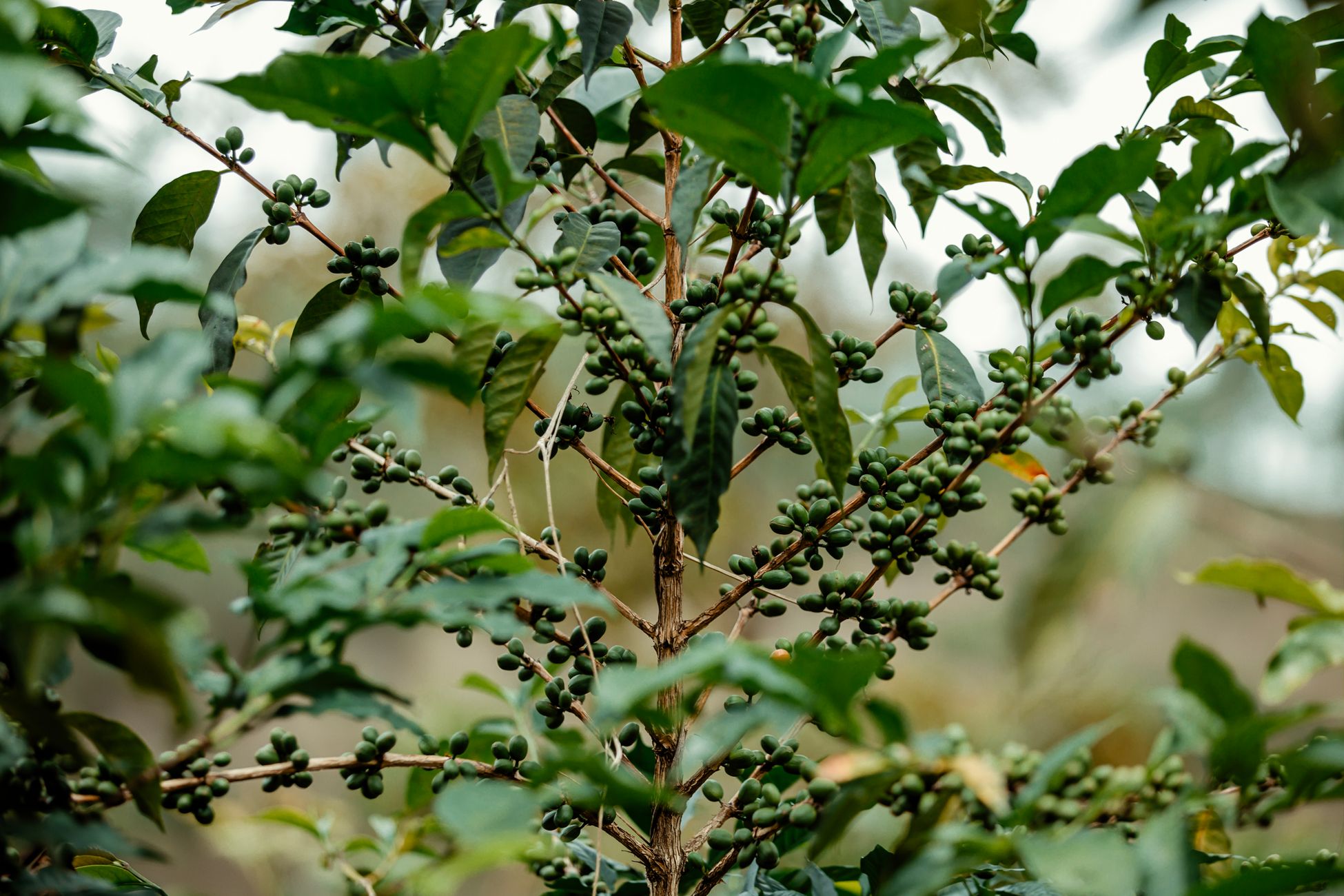
Most of the things that shape your morning cup happen where you can see them. The roast, the grind, the water, the brew. But there is a fungus on the underside of a leaf, thousands of miles away, that has done more to change what coffee is available to you than any brewing decision you will ever make. It is called coffee leaf rust, and it has rewritten the map of specialty coffee more than once.
If you have ever wondered why a coffee you loved disappeared from a roaster's lineup and never came back, or why certain origins vanished for a few years and returned tasting different, rust is often the answer sitting underneath the story.
Browse what we are pouring right now while the harvest is good.
A Fungus With a Very Specific Appetite
Coffee leaf rust is caused by a fungus that infects the leaves of the coffee plant. It shows up as yellow orange powdery spots on the underside of a leaf, which is where the name comes from. The spots spread, the leaf drops, and the plant loses the surface area it needs to photosynthesize.
The plant does not die immediately. That is part of what makes rust so insidious. A rusted tree keeps standing. It just stops being able to feed the cherries it is carrying. Yields drop, the cherries that do develop are smaller and less dense, and the tree goes into a stressed state that can take multiple seasons to recover from even after the infection is controlled.
The spores travel on wind and rain and on the clothing and equipment of anyone moving between farms. Once rust is established in a growing region, containing it is a matter of management rather than elimination.
Why Arabica Is the One That Suffers
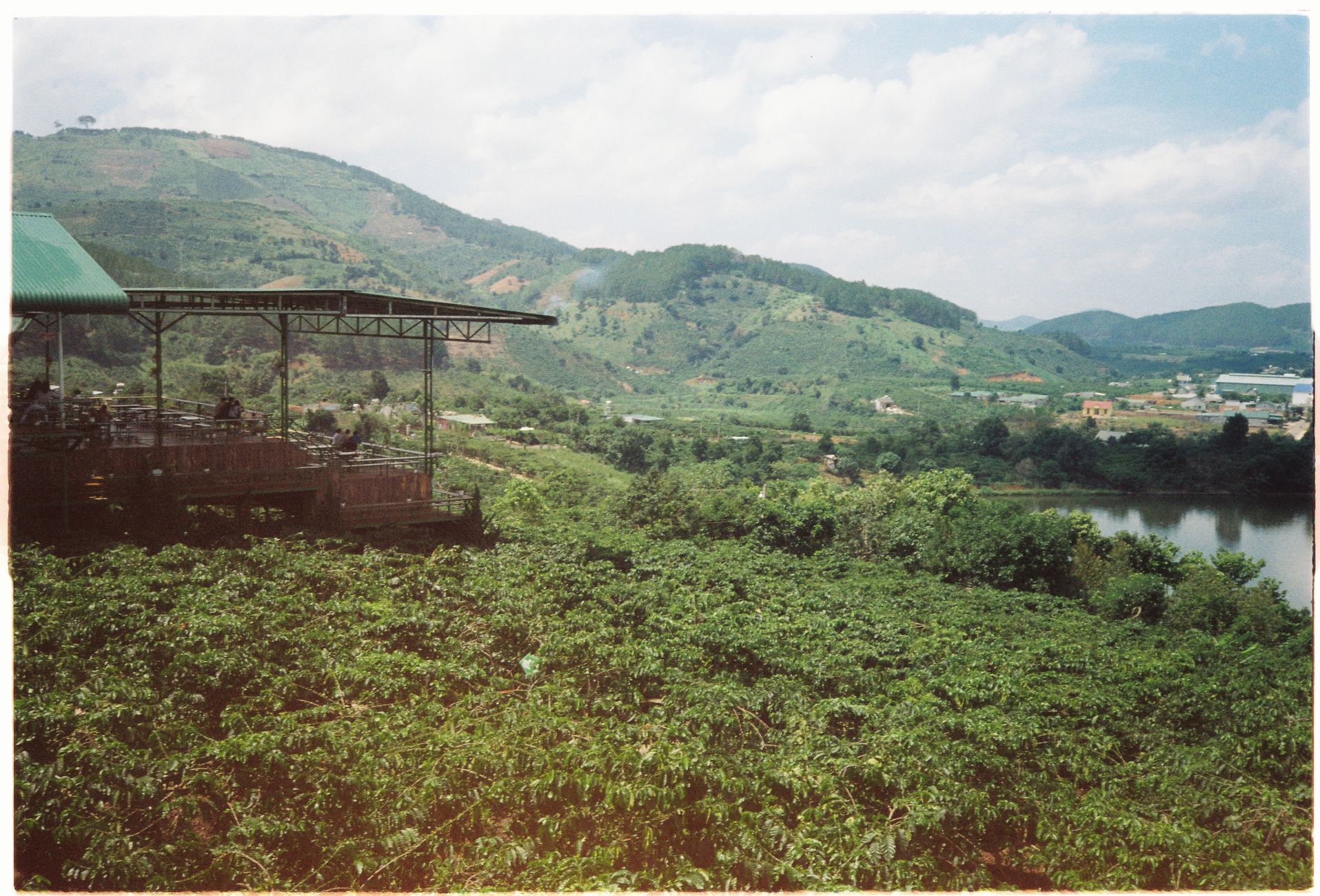
Here is where it connects to what you drink. Arabica, the species behind essentially all specialty coffee, is unusually vulnerable to rust. Robusta is far more resistant, which is one of several reasons robusta dominates in regions where disease pressure is high.
Arabica's vulnerability comes down to genetics. The species went through a severe genetic bottleneck on its way out of Ethiopia and into commercial cultivation. The varieties planted across most of Latin America trace back to a very small founding population, which means enormous acreage of coffee is planted with trees that are nearly identical to one another. When a pathogen finds a weakness in that genetic profile, there is no natural variation in the field to slow it down.
That is the fundamental tension in coffee agriculture. The varieties that taste the most remarkable, the classic bourbons and typicas and their descendants, are frequently the ones with the least resistance. The varieties bred for resistance often carry robusta genetics somewhere in their lineage, and that shows up in the cup.
The Outbreak That Changed Central America
Rust has been present in coffee for well over a century, but the outbreak that hit Central America in the early 2010s is the one whose effects are still visible in what is available today. Warmer nights at altitude, unusual rainfall patterns, and years of low commodity prices that discouraged farm maintenance combined into ideal conditions. Rust moved into elevations that had historically been too cool for it.
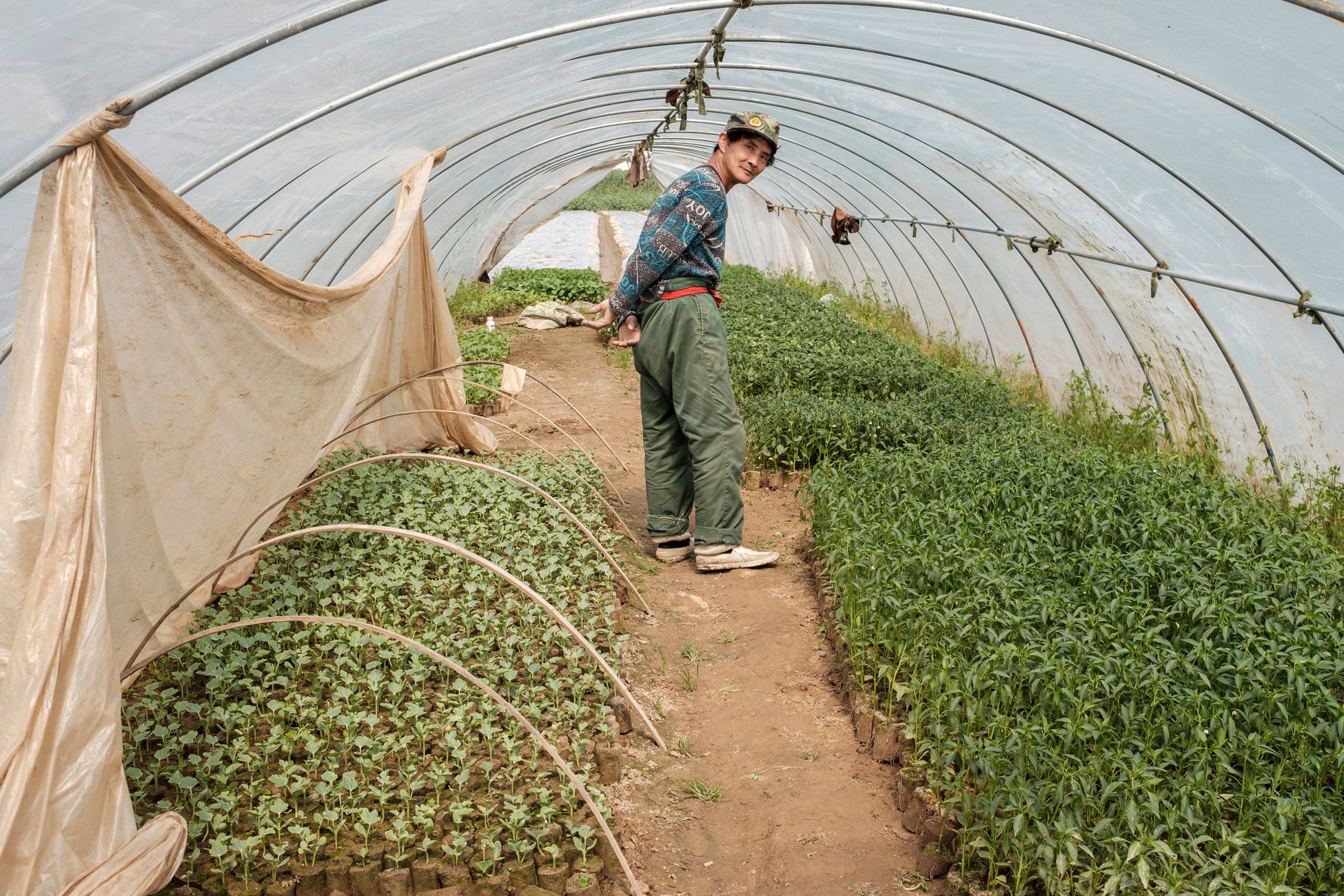
Production in several countries fell dramatically. Hundreds of thousands of jobs tied to harvest labor disappeared. Farms that had built decades of reputation for a particular profile pulled out trees and replanted, and replanting coffee is not a quick fix. A newly planted tree takes three to four years before it produces a meaningful harvest, and longer before it hits full production.
That gap is why a roaster can lose access to a coffee for years at a time. The relationship did not end. The trees are simply not producing yet.
What Replanting Does to Flavor
When a farm replants after rust, it faces a decision with a long shadow. Plant the same susceptible variety and hope management practices are enough. Or plant something resistant and accept a different cup.
Many farms chose resistance, and the results are more nuanced than the purists predicted. Some rust resistant varieties are genuinely excellent. Others produce a cup that is clean and correct but flatter through the middle, without the layered sweetness and acidity that made the region famous in the first place.
This is why two coffees from the same country, the same region, even the same altitude, can taste like they came from different worlds. You are often tasting the difference between a farm that held onto heirloom varieties and one that rebuilt with hardier stock. Neither choice is wrong. One prioritized flavor and accepted risk. The other prioritized survival.
Taste the difference variety makes in a cup.
How Farms Fight It Now
Managing rust is expensive and constant. Fungicide applications timed to the weather. Pruning to increase airflow through the canopy so leaves dry faster after rain. Careful nutrition, because a well fed tree resists infection better than a stressed one. Monitoring, which means somebody physically walking rows and turning leaves over to look.
Shade management is part of it too, and it cuts both ways. Shade trees moderate temperature and protect soil, but heavy shade keeps humidity high and airflow low, which rust loves. Getting that balance right is one of the harder judgment calls in coffee farming, and it is made farm by farm rather than by any universal rule.
All of this costs money, and all of it has to be paid for out of what the farm earns. When coffee prices are low, the first thing that gets cut is exactly the maintenance that keeps rust in check. Then the outbreak arrives, yields collapse, and the farm has even less money to fight back with. The cycle is brutal and it repeats.
Why Altitude Is Not the Shield It Used to Be
For a long time, elevation was the reliable defense. Rust struggled in the cool nights of high altitude farms, which is one reason the best coffees and the highest farms overlapped so neatly.
That protection has been eroding. As average temperatures rise, the elevation band where rust can survive rises with it. Farms that were comfortably above the line thirty years ago are now inside it. The response is to plant higher, but mountains do not go up forever, and the land above the current coffee belt is often protected forest, unsuitable soil, or simply not there.
This is the slow squeeze underneath a lot of conversation about the future of coffee. It is not that coffee will vanish. It is that the specific conditions producing the most distinctive cups are narrowing, and everything grown in that narrowing band gets more expensive and harder to secure.
What This Means for the Bag You Buy
You cannot do anything about a fungus in Honduras. What you can do is understand why the coffee you drink behaves the way it does.
Availability is seasonal and it is genuinely finite. A great lot from a small farm is a fixed quantity, and when it is gone it is gone until next harvest, assuming next harvest happens. Roasters who name their producers and buy on relationship rather than on the spot market are the ones most likely to still have access after a bad year, because the farm has a reason to keep them supplied.
And when a coffee you love comes back tasting slightly different, that is not the roaster losing their touch. That is agriculture. A different section of the farm, a replanted block coming into production, a harvest that faced different pressure. The cup is a report on a year, and rust is one of the biggest things shaping what that year looked like.
Find your next favorite while this harvest lasts.
All images shown in this blog are sourced from pexels.com.