

You pick up a bag and the label says something like natural, co fermented with passionfruit. Or with cinnamon. Or with a specific strain of yeast whose name sounds like it belongs on a wine bottle. You brew it, and it tastes overwhelmingly of exactly what the label promised, more clearly than any coffee has any business tasting of fruit it did not grow near.
This category has been the loudest argument in specialty coffee for the last several years. Some of the highest scoring competition coffees on earth are made this way. Some very serious people think the whole thing is a con. Both positions are worth understanding before you decide how you feel about the bag in your hand.
Explore coffees that taste like themselves.
Fermentation Was Always Part of Coffee
Start with what is not new, because that context matters.
Every coffee you have ever had was fermented. Once a cherry is picked, the sugary mucilage around the seed becomes food for yeasts and bacteria, and they get to work immediately. In washed processing, that fermentation happens in a tank of water over roughly twelve to thirty six hours to break down the mucilage so it can be washed off. In natural processing, it happens slowly inside the intact fruit as it dries.
The microbes involved produce acids, alcohols, esters, and dozens of other compounds, and those compounds end up in and on the seed. Fermentation is not a side effect of processing. It is a large part of where a coffee's flavor comes from, sitting alongside genetics, altitude, and the roast.
So the argument is not about whether coffee should be fermented. It is about how far a producer should go in steering that fermentation.
What Co Fermentation Actually Means
Co fermentation is the deliberate addition of something to the fermentation vessel alongside the coffee. The most common categories are these.
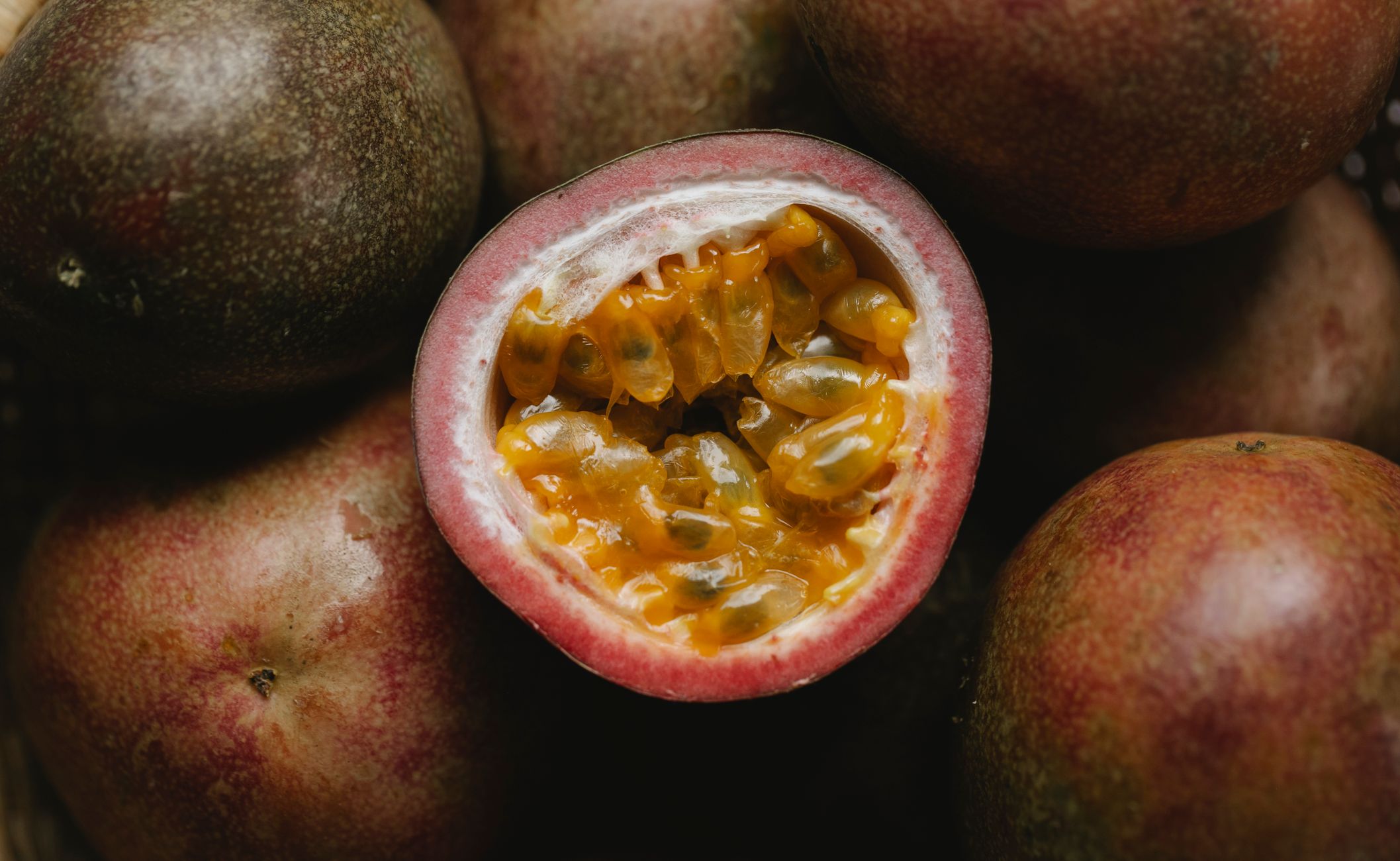
Fruit. Whole fruit, pulp, or juice added to the tank. Passionfruit, mango, strawberry, and lychee are common. The added fruit brings its own sugars, its own acids, and its own resident microbes.
Spices and botanicals. Cinnamon, cardamom, vanilla pods, hibiscus, and similar. These contribute aromatic compounds directly.
Cultured yeast and bacteria. Specific commercial strains, often borrowed from winemaking or brewing, added to outcompete whatever was going to show up naturally. Different strains reliably produce different aromatic profiles.
Other liquids. Sugarcane juice, fruit wine, and in some controversial cases things like barrel liquid or spirits.
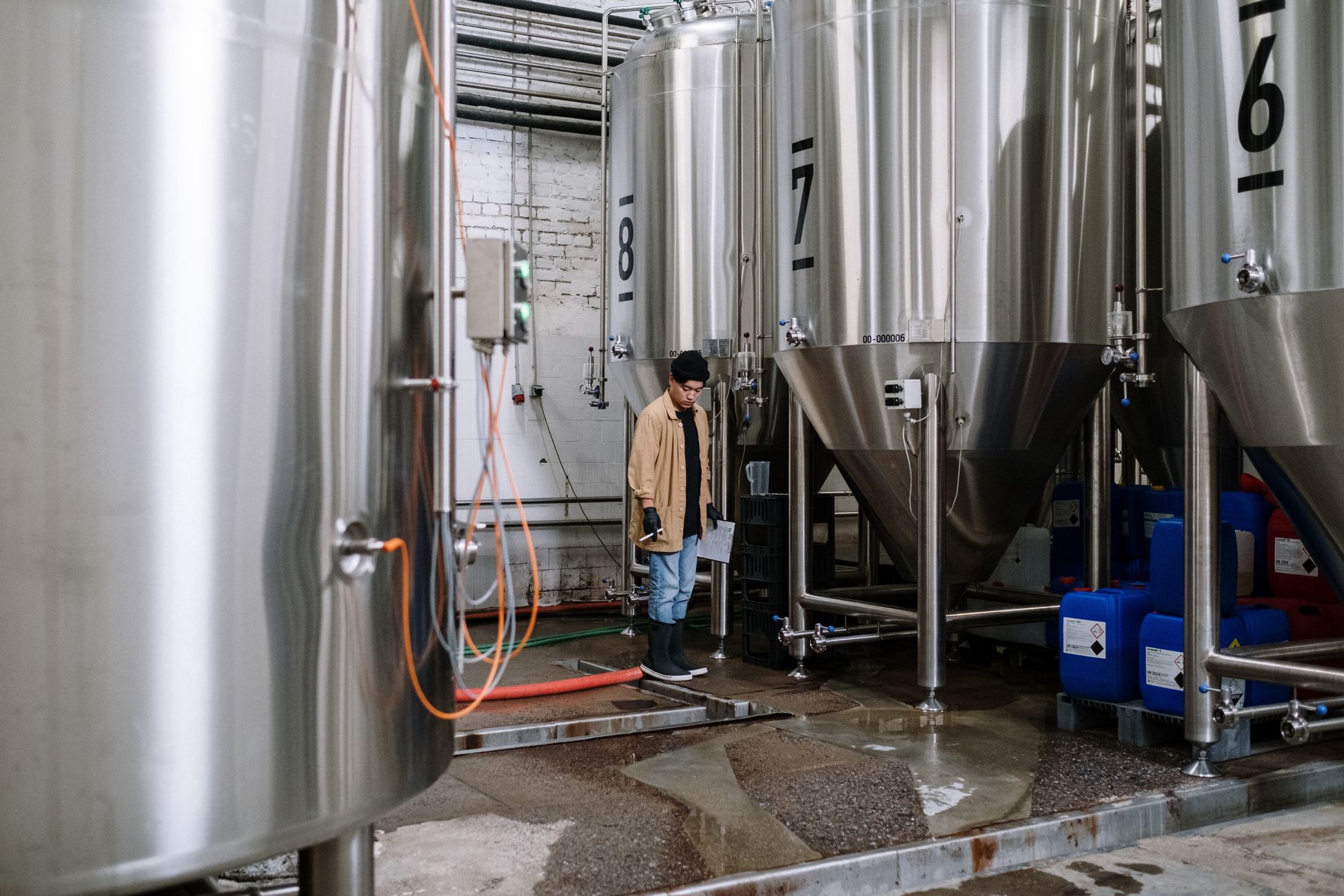
Most of this happens in sealed tanks under anaerobic conditions, sometimes with pressure and temperature control, over anywhere from a day to well over a week. The producer is running something much closer to a small winery than a traditional wet mill.
Why the Results Are So Intense
There are two mechanisms, and separating them is the heart of the argument.
The first is genuine microbial transformation. When you add fruit sugars and a specific yeast strain to a fermentation, you change which microbes dominate and what they produce. Those microbes generate esters and other volatile compounds that get absorbed into the seed and survive roasting. The flavor in the cup is new, created during fermentation, and not simply the added fruit hanging around.
The second is more direct. Compounds from the added material can adhere to or absorb into the parchment and the seed without being transformed at all. In that case you are tasting the additive itself.
Most co fermented coffees are some blend of both, and where a given lot sits on that spectrum is usually impossible to determine from the outside. That ambiguity is the problem.
The Case Against It
The objections are not snobbery, and they are worth stating clearly.
Terroir gets buried. The entire premise of specialty coffee is that where a coffee grew, at what altitude, from which varietal, produces a distinctive flavor worth paying for. A fermentation loud enough to taste like passionfruit obliterates the subtle differences that premise rests on. Two coffees from opposite ends of a country, processed the same aggressive way, can taste nearly identical.
It can hide low quality green. If the processing dominates the cup, then ordinary coffee grown at moderate altitude can be dressed up to score well. Critics argue this rewards processing skill over farming skill and lets producers skip the hard, expensive work of growing and picking carefully.
Disclosure is inconsistent. Some producers are fully transparent about what went into the tank. Others describe the coffee only as natural or anaerobic, and the buyer never learns that fruit was added. When a coffee is entered into a competition judged on the cup, that gap matters a great deal.
It muddies what flavored coffee means. The industry spent decades distinguishing itself from artificially flavored coffee. A co fermented lot that tastes strongly of an added fruit occupies uncomfortable middle ground, and the line between processing and flavoring is not clearly drawn.
Find single origin coffee that shows its own character.
The Case For It
The defense is equally serious.
Producers gain leverage. A farmer at moderate altitude cannot change their elevation or their soil. Processing is the one variable fully under their control, and mastering it lets them add substantial value to coffee that would otherwise sell as commodity grade. For a lot of farms, that difference is what makes the operation viable.
Skill is real. Running a controlled fermentation is difficult. Temperature, pH, time, and microbial population all have to be monitored, and getting it wrong produces vinegary, spoiled, or wildly inconsistent coffee. The producers who do this well are doing genuine technical work, not taking a shortcut.
Every other beverage does this. Beer, wine, cider, and spirits all involve deliberate manipulation of fermentation, chosen yeast strains, and controlled conditions. Nobody calls a saison fake for being fermented with a particular yeast. Coffee is unusual in having treated its fermentation as something that should just be allowed to happen.
People like it. These coffees sell. They bring new drinkers into specialty coffee who found traditional light roasts austere, and some of them stay and eventually explore further.
Where Most of the Industry Has Landed
The practical consensus, imperfect and still shifting, is that the process is legitimate and the disclosure is the obligation.
Add whatever you want, but say so. If fruit went into the tank, the bag should say fruit went into the tank. Competitions have moved toward requiring declaration of additives, and some have restricted or banned the practice in certain categories entirely, precisely because judging becomes meaningless otherwise.
The distinction that matters to most roasters is between steering a fermentation and dosing a flavor. Adding a yeast strain that changes what the microbes produce is broadly accepted. Soaking green coffee in fruit syrup after processing is not, and it would be called flavored coffee by anyone.

How to Approach It as a Drinker
Buy one, honestly. It is worth tasting so you know what the category actually is instead of what people say about it.
Judge it as its own thing. Do not put a co fermented lot next to a washed Ethiopian and ask which is better, because they are attempting different things. Ask whether the cup is clean, whether it is balanced, whether the intensity resolves into something pleasant or just shouts.
Read the label and reward the transparent ones. A producer who tells you the strain, the additive, the tank time, and the temperature is doing this seriously. A bag that says only exotic natural and tastes unmistakably of strawberry is telling you less than it should.
And notice how you feel about it after a week. A lot of people find these coffees thrilling in the first cup and tiring by the fourth, because the intensity does not leave much room to notice anything else. Others find them the most interesting thing on their shelf.
There is no correct answer here, which is why the argument continues. What is worth avoiding is having an opinion about the category without having tasted one, in either direction.
Keep something reliable in the cupboard too.
All images shown in this blog are sourced from pexels.com.