

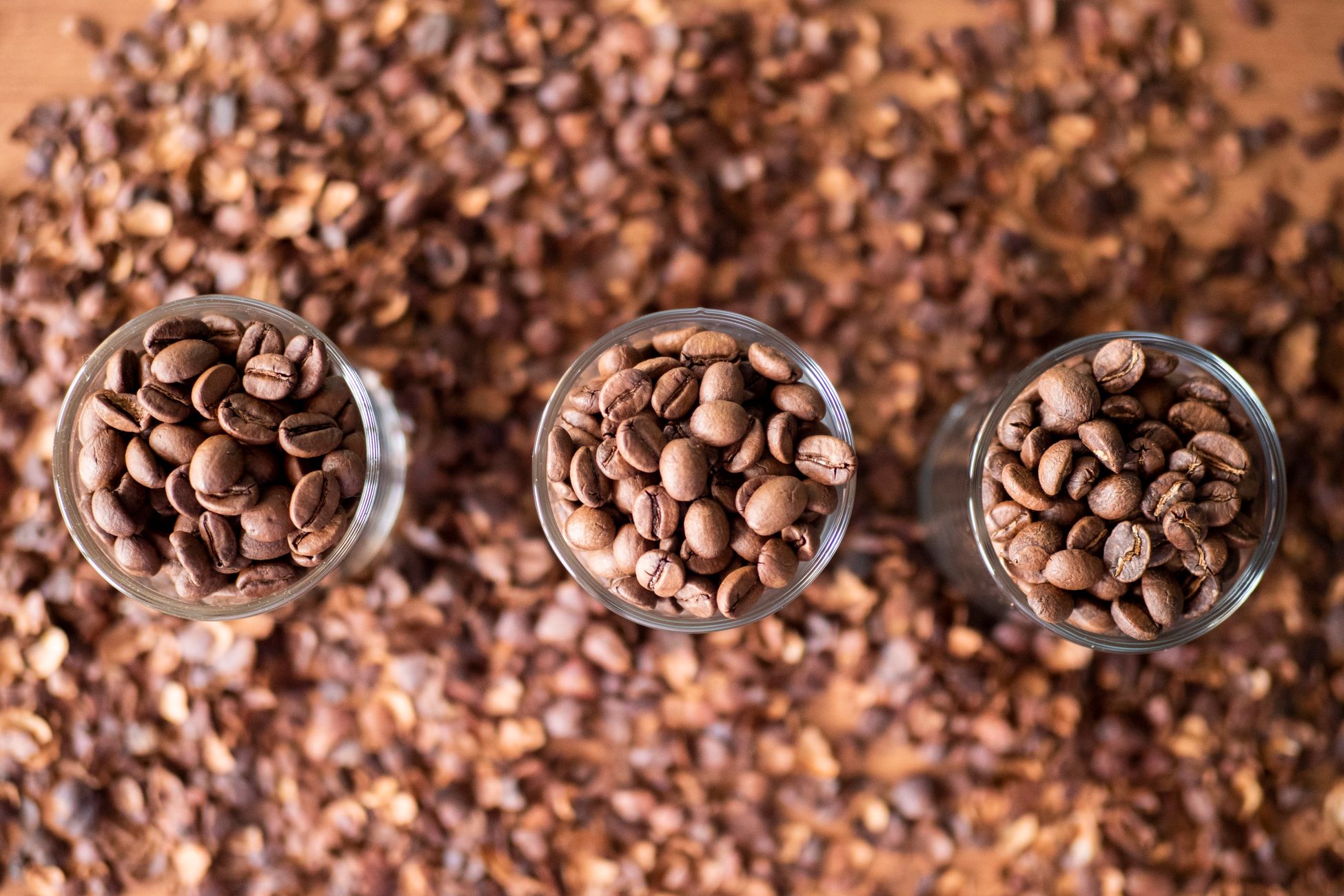
Coffee roast names are a mess. One bag says medium, another says full city, a third says Vienna, and a fourth just says espresso. Some companies use numbers. Some use colors. Some use evocative phrases that mean nothing outside their own marketing department. If you have ever stood in front of a shelf trying to work out whether a full city roast is darker or lighter than a Vienna, you are not alone, and the confusion is not your fault.
The names do have meaning, though. Most of them come from an old American roasting vocabulary that ties each name to a specific moment in the roast, and once you know the sequence they become genuinely useful. This post lays out the ladder from lightest to darkest, explains what is happening to the bean at each step, and tells you why no two roasters quite agree.
Explore our most popular coffees
The Two Cracks That Anchor Everything
Every roast name is really a description of where the roaster stopped relative to two audible events. As green coffee heats, moisture inside the bean turns to steam, pressure builds, and at around 196 degrees Celsius the bean structure fractures with a sharp popping sound. That is first crack. It sounds like popcorn and it marks the point where coffee becomes drinkable.
If the roast continues, the bean keeps developing. Sugars caramelize, acids break down, and the structure weakens further. Somewhere around 224 degrees Celsius the cell walls begin to collapse and oils migrate to the surface, producing a quieter, faster crackling. That is second crack. It sounds more like crumpling paper or frying, and it marks the transition into genuinely dark roasting.
Nearly every traditional roast name is a way of saying how far before, between, or after those two cracks the roaster pulled the beans out.
The Ladder From Light To Dark
Cinnamon roast is the lightest name in common use. The roast is stopped right at or just after the start of first crack. The beans are pale tan, dry on the surface, and very dense. The cup is sharp, grassy, and sour, with the origin character present but underdeveloped. Very few specialty roasters go this light for a finished product, though it is common for sample roasting and quality evaluation.
City roast is where most modern light roasts live. The roast ends during or shortly after first crack, with the beans a light to medium brown and the surface still matte. Acidity is bright, body is lighter, and the origin flavors, whether fruit, florals, or citrus, are at their most vivid. The name is said to come from the roasting style once common in New York City. If you like pour over coffee that tastes like where it came from, you are probably drinking a city roast.
City plus pushes slightly further, past the end of first crack, into the quiet stretch before second crack begins. The beans are a fuller medium brown. Acidity softens a little, sweetness rises, and body fills out. Many specialty roasters consider this the sweet spot for a balanced medium roast that works across brew methods.
Full city is a true medium to medium dark roast, taken to the very edge of second crack, sometimes with the first isolated snaps just beginning. The beans are a rich brown, and you may see the first faint sheen of oil on a few of them. The origin character is still there but softened, with caramel, chocolate, and nut tones taking over from fruit and florals. The acidity is gentle. This is the roast level that many people picture when they think of a classic café coffee.
Full city plus goes into the early moments of second crack. Oils show more clearly, the color deepens, and bittersweet roast flavor begins to compete with the coffee's own character. Historically, this is where a lot of traditional espresso roasts sat.
Vienna roast is the first of the dark roasts. The roast continues well into second crack, the beans turn dark brown with a visible oily surface, and the cup is dominated by roast flavor: bittersweet chocolate, caramelized sugar, a slight smokiness. Origin character has largely given way to the roaster's hand. The name references the Viennese café tradition, though the roast style is not especially tied to Austria today.
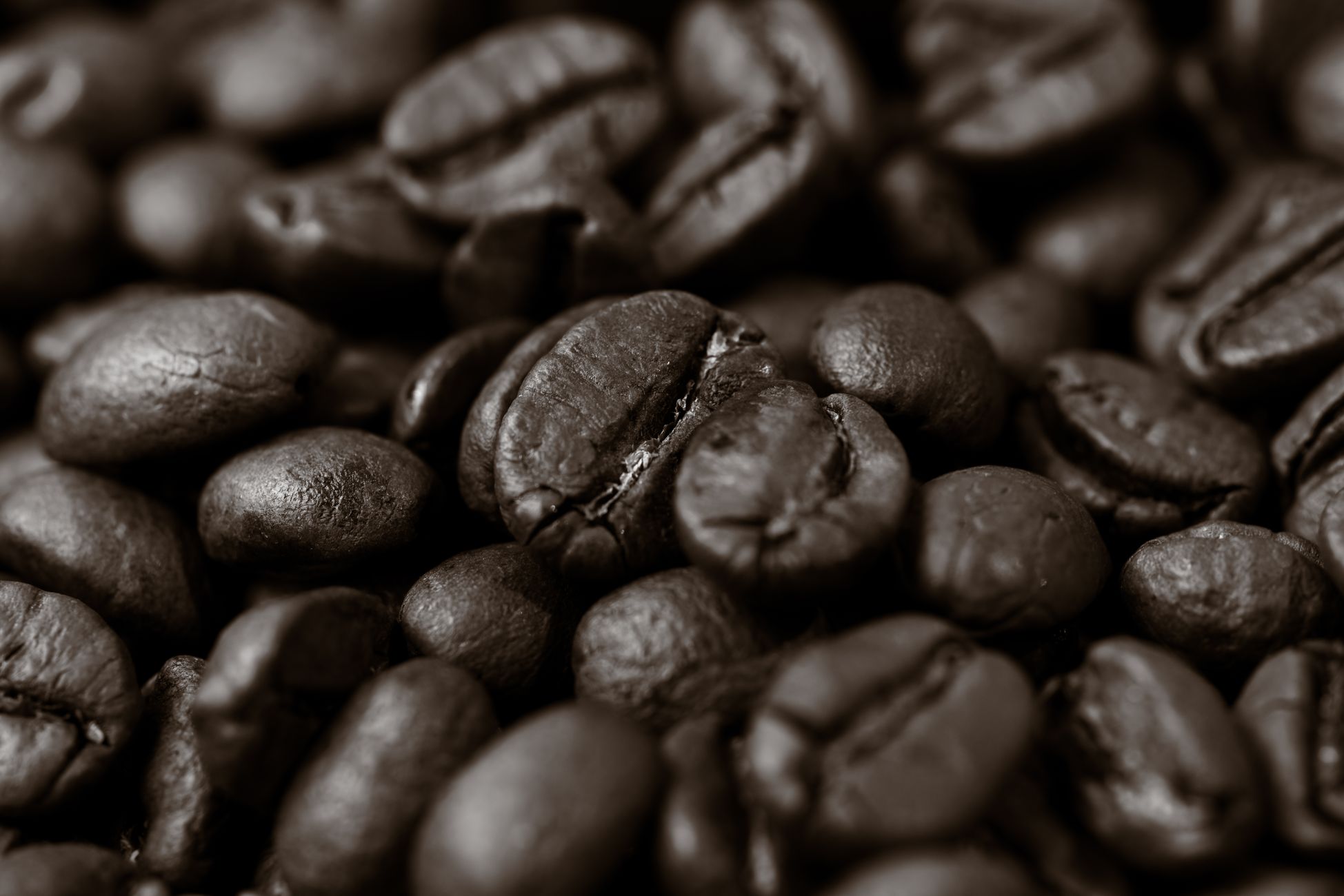
Beyond Vienna sit French roast and Italian roast, taken deep into or past the end of second crack. The beans are nearly black, heavily oiled, and the cup is intensely bitter and smoky with almost no trace of where the coffee was grown. Neither name has anything to do with those countries' actual preferences.
Find your preferred roast level in our most popular coffees
Why Nobody Agrees
Here is the problem. Those definitions are traditional, not official. There is no governing body that certifies what full city means, and every roaster places the boundaries slightly differently. One company's full city is another's city plus. A third might call the same roast medium dark and skip the vocabulary entirely.
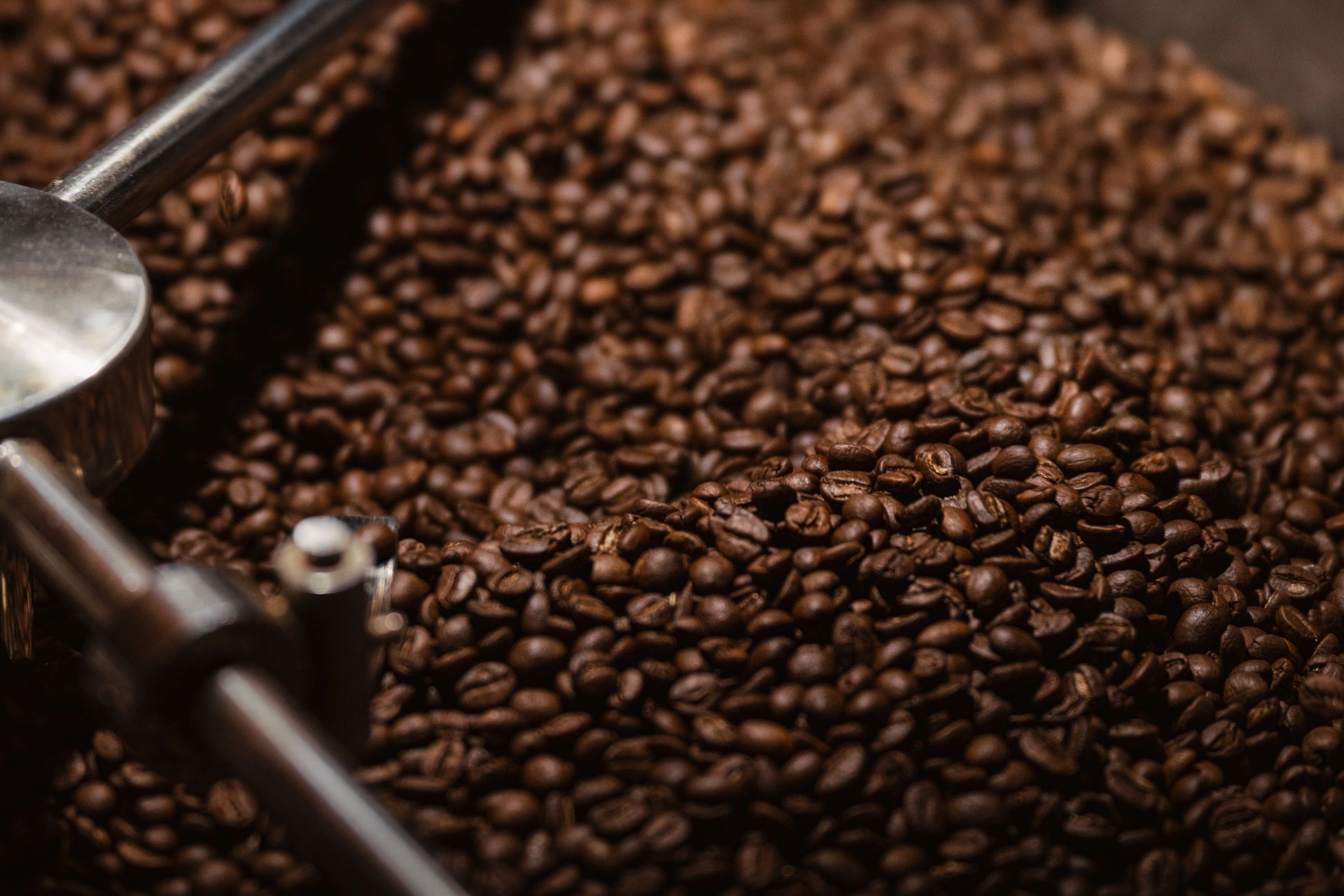
Bean density complicates it further. A high grown, dense Central American coffee and a low grown, softer Brazilian will hit the cracks at different temperatures and look different at the same stage. Two coffees both roasted to the edge of second crack can come out noticeably different colors. Roasting method matters too. Air roasting, where beans float in hot air rather than tumbling against a hot drum, produces an even color with no scorched spots, so an air roasted full city can look lighter and cleaner than a drum roasted one taken to the same point.
The coffee industry does have an objective measure. An Agtron reading uses a spectrometer to score the color of ground coffee on a numeric scale, with higher numbers meaning lighter roasts. Serious roasters use it internally, but it has never caught on with consumers because a number like 58 does not mean much on a bag.
How To Use The Names Anyway
Even without standardization, the names are useful as a rough map. City and city plus mean light, bright, and origin forward. Full city means balanced and medium. Vienna and beyond mean dark, bold, and roast forward. If a bag uses one of these terms, you know roughly what to expect, and you can adjust from there once you have tasted the roaster's interpretation.
A more reliable guide is the roaster's own description combined with what you can see. Light roasts are matte and tan to medium brown. Medium roasts are richer brown with at most a hint of sheen. Dark roasts are visibly oily. Match the visual to the name on the bag and you will rarely be surprised.
Brew method should guide your choice. Lighter roasts reward pour over and other filter methods that let their acidity and clarity show. Medium roasts are the most flexible and make excellent espresso, French press, and drip. Dark roasts suit people who want a heavy, bittersweet cup, and they tend to taste best with milk, which softens the roast bitterness.
A Note On Labels That Mean Nothing
Some names on bags carry no information at all. Breakfast blend, house roast, signature roast, and morning blend describe a marketing idea, not a roast level. The same goes for terms like bold or smooth. If a bag uses one of those without also telling you the roast level and the roast date, treat it as a sign to look elsewhere.
The traditional ladder, from cinnamon through city, full city, and Vienna, at least ties each name to something physical happening inside the bean. That makes it worth learning, imperfect as it is.
Know Your Spot On The Ladder
Most people who explore specialty coffee find their preferences settle somewhere between city and full city, where the coffee's origin and the roaster's craft are in balance. Knowing the names lets you find that spot faster, talk to a roaster about what you like, and spot the bags that are hiding a lack of information behind a pretty word.
Browse our most popular coffees and find your next favorite
All images shown in this blog are sourced from pexels.com.