


If you have ever opened a bag of freshly roasted coffee and noticed what looked like tiny bits of paper or thin, papery flakes floating around, you have met chaff. It is one of those things most coffee drinkers never think to ask about, but once you know what it is and where it comes from, you start to see it as a small but meaningful detail that speaks volumes about how your coffee was roasted. And if you are drinking coffee roasted in a drum roaster, there is a good chance some of that chaff made it all the way to your bag. Let us dig into what that actually means for your cup.
Chaff is not a defect. It is not a sign of poor quality or careless roasting. It is simply a natural byproduct of the coffee roasting process, and understanding it gives you a much clearer picture of what is happening inside the roaster when your beans are being transformed from green to golden brown to that beautiful, aromatic roast you brew every morning. Whether you are a seasoned coffee enthusiast or someone just starting to pay closer attention to what is in your cup, this is the kind of knowledge that makes your daily ritual feel richer and more intentional.
So let us start at the beginning and work our way through the story of chaff, drum roasters, and why some roasters see a little leftover chaff not as a flaw but as a feature worth celebrating. Explore our most popular roasts and taste the difference that thoughtful roasting makes.
What Exactly Is Chaff?
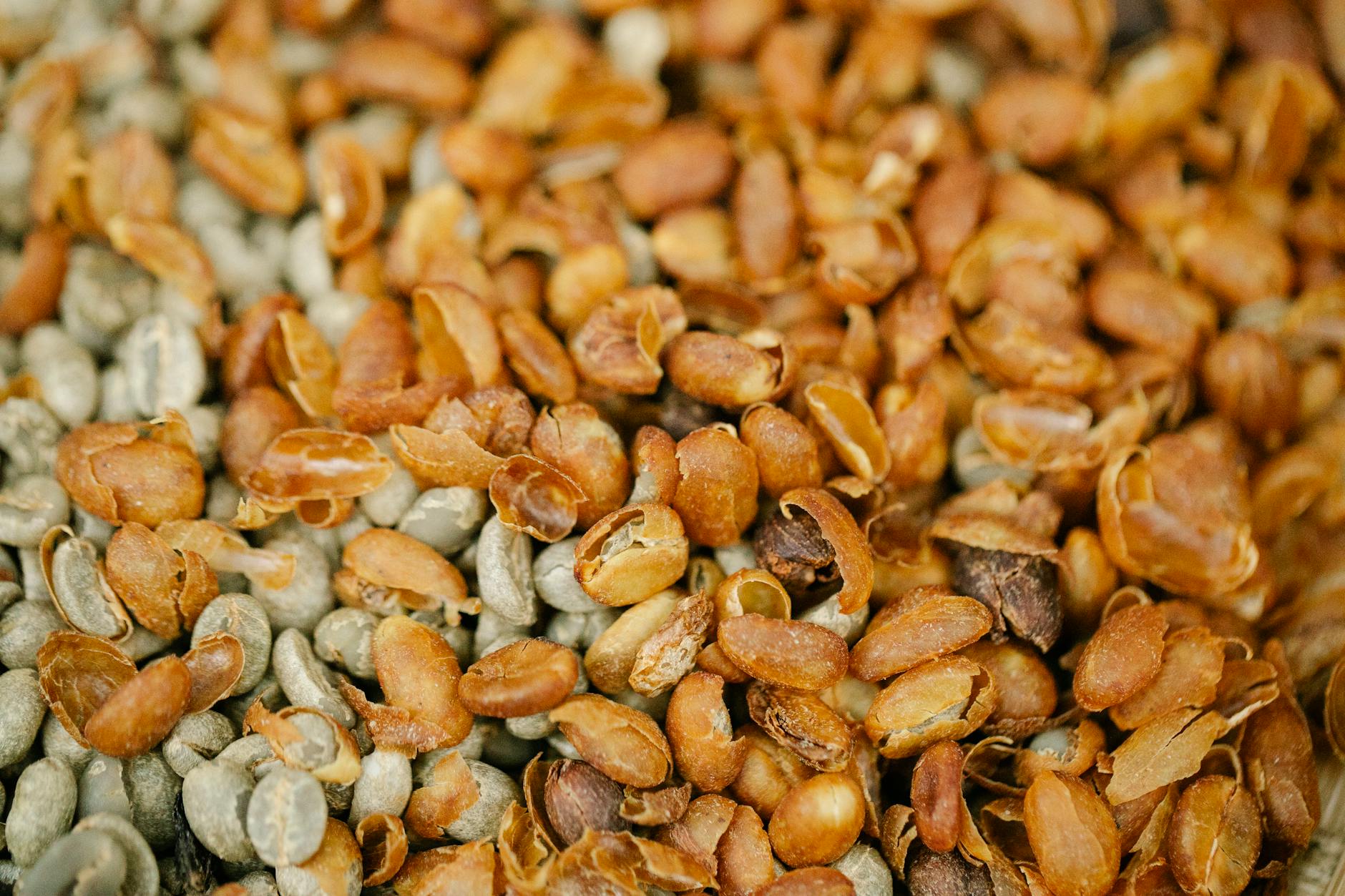
Inside every coffee cherry is a coffee bean, and wrapped tightly around that bean is a thin, silvery membrane called the silverskin. When coffee is harvested, processed, and dried, most of the outer layers of the cherry are removed during milling. But the silverskin tends to cling. It wraps itself around the bean and holds on through the entire drying and storage process.
When those green coffee beans enter a roaster and heat begins to work its magic, the beans expand. They absorb heat, moisture inside them turns to steam, and eventually they crack open in what roasters call the first crack. This is a pivotal moment in roasting, and it is also when the silverskin begins to separate from the bean in a more dramatic way. As the silverskin detaches, it becomes what we call chaff. It is dry, lightweight, papery, and incredibly flammable, which is why managing it is actually a serious part of roaster safety.
Chaff floats. Because it is so light, it tends to drift upward and away from the beans during roasting. In industrial and many commercial roasting setups, this is handled through a combination of airflow and a separate collection chamber called a chaff collector or cyclone. The roaster pulls air through the drum during or after roasting, and that air carries the chaff away from the beans and into a container where it accumulates safely. Some roasters produce genuinely impressive amounts of chaff, and if you ever visit a roastery, you might be surprised to see just how much of it builds up in a single day of production.
How Drum Roasters Handle Chaff Differently
Now here is where things get interesting. Drum roasters are the classic, most traditional style of coffee roaster. They work by tumbling beans inside a rotating drum while applying heat, either from a gas flame below or from hot air circulating through the drum. The slow, even tumbling action gives beans a consistent roast, and the contact between the beans and the drum surface contributes to that rich, developed flavor profile many specialty coffee lovers know and love.
But drum roasters, especially smaller or more traditional models, often have less aggressive airflow than fluid bed roasters or modern commercial machines with high-powered ventilation systems. Some drum roasters pull very little air through the drum during the roast itself, relying instead on end-of-roast cooling cycles where high airflow finally moves through the system. The result is that chaff does not always get evacuated efficiently during the roast. Some of it stays in the drum, moving around with the beans, and when the roast is complete and the beans drop into the cooling tray, a little chaff comes along for the ride.
This is not an accident of negligence. It is a characteristic of the equipment and, in some cases, a deliberate approach to roasting. Many roasters who use drum roasters actually appreciate that lower airflow during roasting allows for more developed flavors, particularly in darker or medium roasts where longer time in the drum creates more complex, caramelized notes. Trading off some chaff evacuation efficiency for flavor development is a real consideration that skilled roasters think about carefully.
Is Chaff in Your Coffee a Problem?
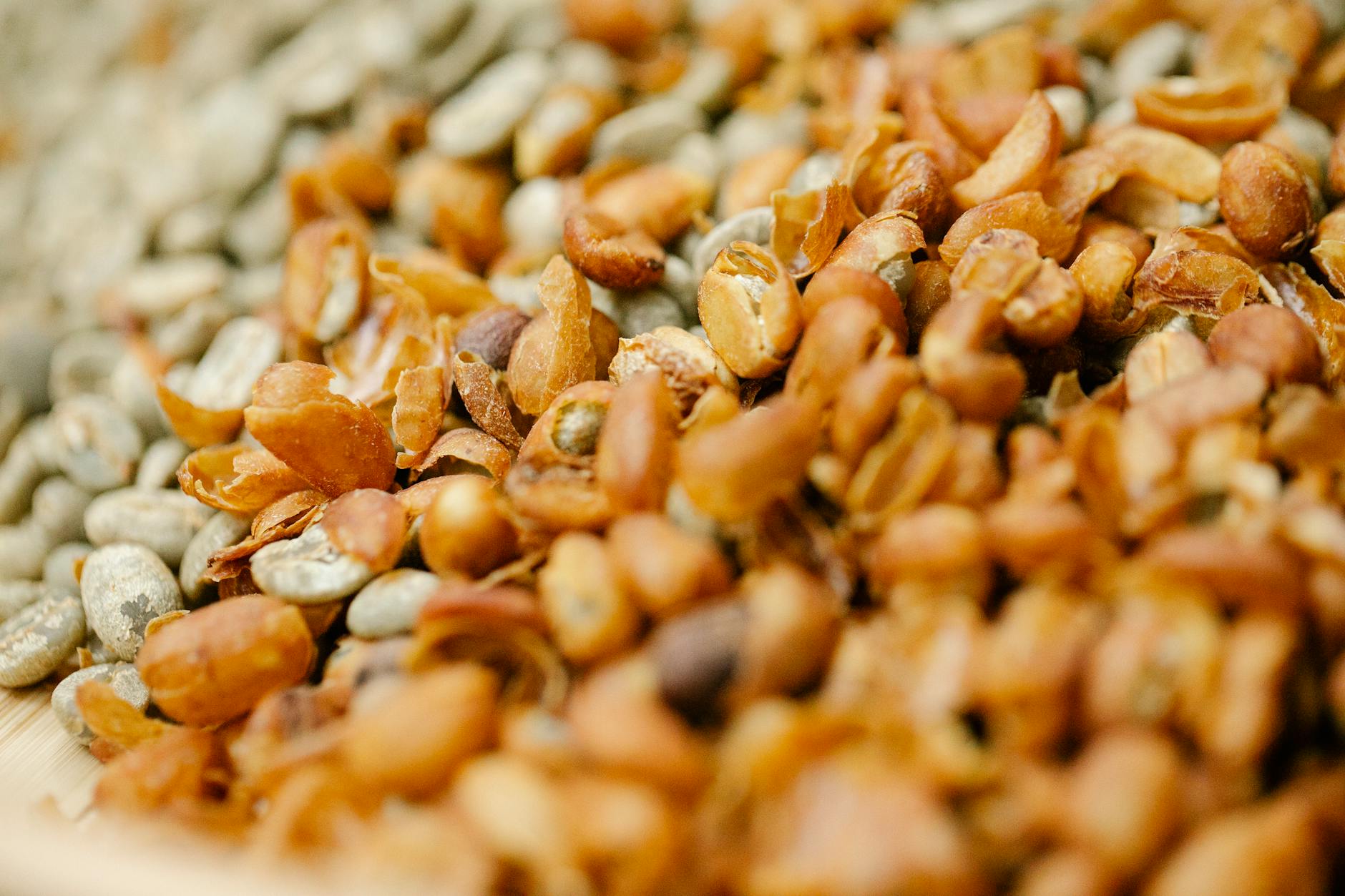
Here is the honest answer: a small amount of chaff in your coffee is harmless. It is a natural, organic material derived from the coffee plant itself. If a few flakes end up in your grinder or your bag, they are not going to harm you. They do not contain anything toxic, they are not a sign of contamination, and they do not mean your coffee was processed carelessly.
What they might do is affect your grind slightly, since very light, papery material does not grind the same way a dense coffee bean does. And in large quantities, chaff can contribute a slightly dry, papery quality to brewed coffee. But we are talking about extreme cases here. The small amount of chaff that makes it into most specialty coffee bags roasted on drum roasters is not going to ruin your cup.
In fact, some coffee educators and roasters point out that a little residual chaff is almost a sign of authenticity. It tells you the coffee was roasted on real equipment by someone paying attention to flavor rather than just optimizing for a perfectly clean-looking bag. It is one of those small, rustic details that connects your morning cup to the craft behind it.
Browse our carefully roasted, small-batch coffees and find your next favorite.

What You Can Do About Chaff If It Bothers You
If you find chaff in your coffee and it bothers you, there are a few easy things you can do. First, when you open your bag, you can give it a gentle shake and look for any visible chaff on the surface of the beans. Some people simply blow lightly across the top of the bag to let chaff float away. It is light enough that a gentle breath of air will move it.
Second, if you use a burr grinder, particularly one with a built-in chaff collector, your grinder is already handling a lot of this for you. Many home grinders have small bins or chambers where chaff collects during grinding. Cleaning these out regularly is good practice regardless of whether chaff is a concern for you.
Third, if you use a pour-over or drip method, the brewing process itself tends to leave most chaff behind in the filter along with the spent grounds. It rarely makes it into your cup in any noticeable quantity.
And if you are using a French press, where everything steeps together, you might occasionally notice a flake or two floating on the surface. Simply skim it off or pour carefully and you are good to go.
Why We Think Transparency About Roasting Matters
At Solude Coffee, we believe that knowing what is in your cup and understanding how it got there is part of what makes specialty coffee so rewarding. Chaff is just one small piece of a much bigger story that includes where your coffee was grown, how it was processed, who farmed it, and how it was roasted. Every detail matters, and every detail has a reason behind it.
Drum roasting is a method we respect deeply because of the flavor development it enables. That slow, even heat application, that gentle tumbling motion, that time in the drum where sugars caramelize and flavors develop and the beans find their character, it is a process that produces coffee with real depth and personality. If a little chaff is part of that story, we think it is worth understanding rather than hiding.
We want every coffee drinker who reaches for one of our bags to feel connected to the process behind it. Not because we want to overwhelm you with technical details, but because coffee is genuinely fascinating and the more you know, the more enjoyable every cup becomes.
The next time you open a bag and see a tiny papery flake, you can smile and know exactly what it is: a small, harmless remnant of the silverskin that wrapped around your bean as it grew on a coffee plant somewhere in the world, traveled to a roastery, and was transformed by heat and time into something worth waking up for.
Shop our most popular small-batch roasts and bring something special to your morning cup.
All images shown in this blog are sourced from pexels.com.