

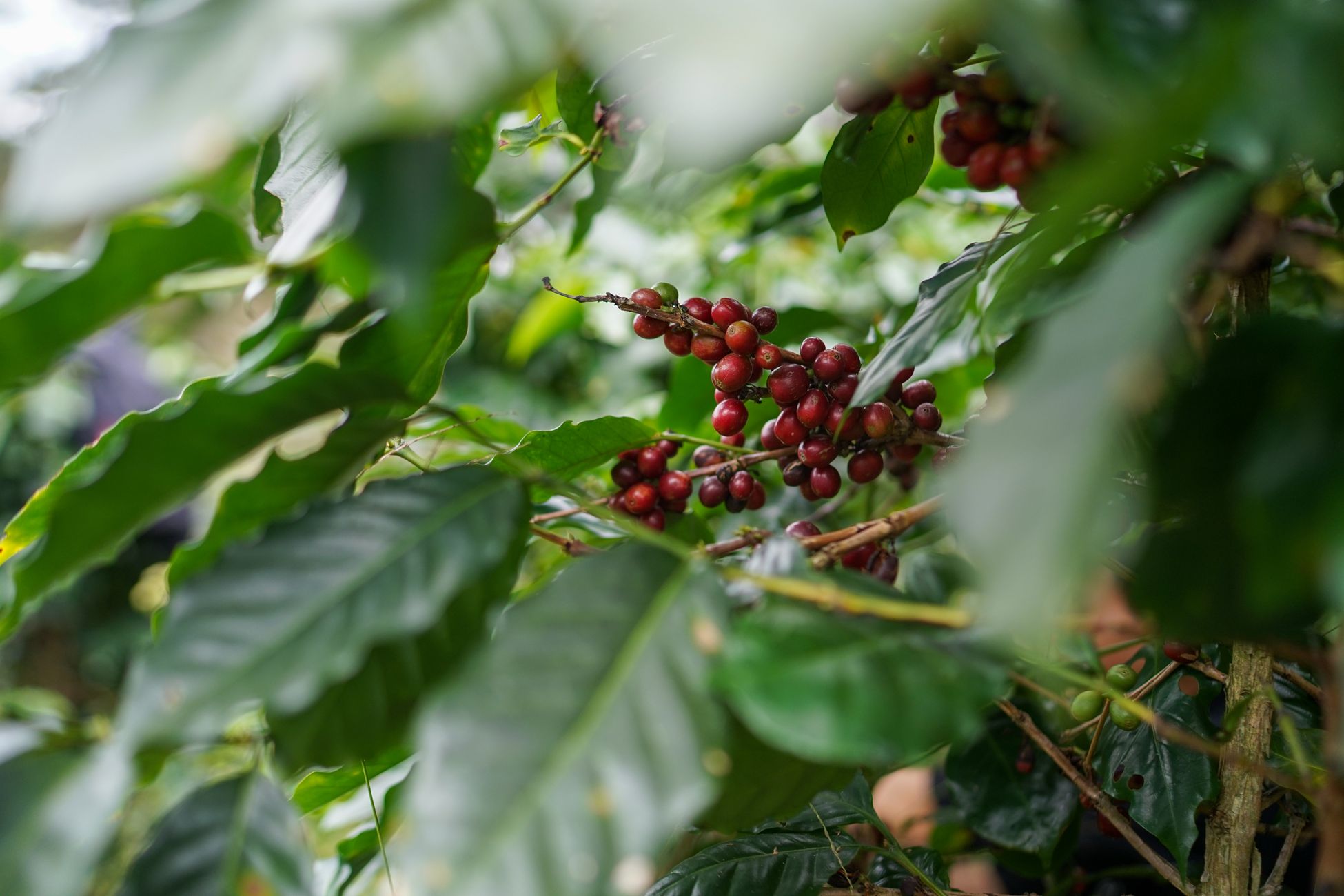
Most people who drink coffee every day have never seen a coffee cherry. That is not a knock on anyone. The fruit does not travel. By the time coffee reaches a roaster it has been a seed for months, and the bright red fruit that grew around it stayed behind on the farm.
For most of coffee's commercial history, that fruit went nowhere useful. It got dumped in piles behind the mill, where it rotted, attracted pests, and leached into waterways. On a large washing station the volume is significant, because the fruit is the majority of the cherry by weight and the seed is the minority.
Cascara is what happens when someone decides to treat that fruit as a crop instead of a byproduct.
Browse the coffees we're pouring right now.
What Cascara Actually Is
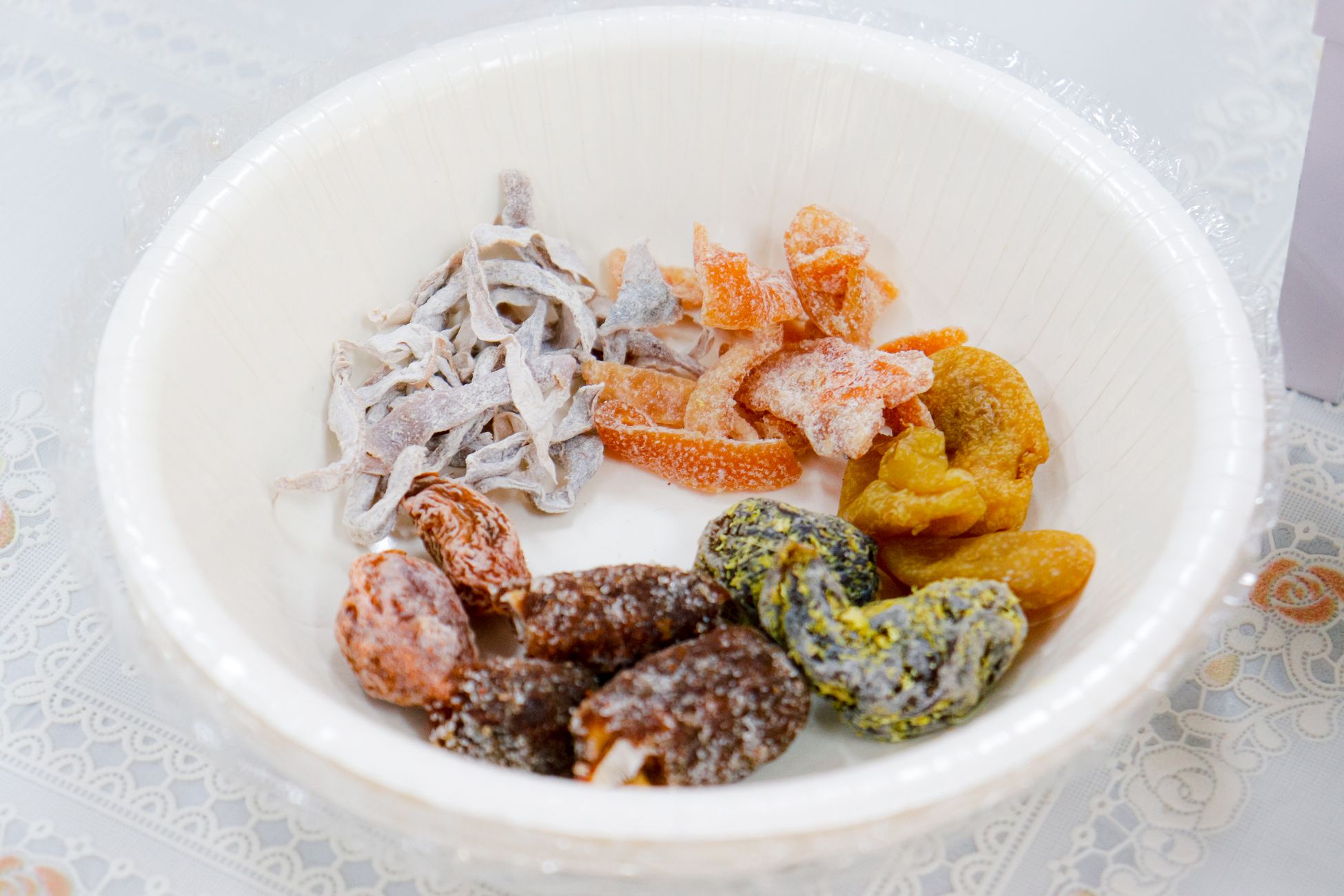
Cascara is the dried skin and pulp of the coffee cherry. The word is Spanish for husk or peel. After the seeds are removed during processing, the fruit is collected, cleaned, and dried until it is shelf stable, ending up looking a bit like large flakes of dried cranberry or rose hip.
You brew it like tea. Hot water, a steep, a strain. It does not taste like coffee, and that surprises people more than anything else about it.
The flavor sits somewhere in the neighborhood of hibiscus, rose hip, dried cherry, tamarind, and raisin, with a light tannic grip on the finish. It is sweet without sugar, tart without being sharp, and it comes out a clear reddish amber rather than brown. If you handed someone a cup with no context, tea would be a reasonable guess. Coffee would not.
This Is Not a New Idea
Cascara gets written about as a modern innovation, which is not really accurate. Drying and brewing the coffee fruit is a very old practice in the places where coffee grows.
In Yemen, qishr has been made for centuries, typically brewed with ginger and sometimes cinnamon. In Ethiopia, hashara and related preparations use the husk. In Bolivia the drink has been called sultana. What changed recently is not the practice, it is the export market. Specialty coffee buyers started asking whether the fruit could be sold internationally as a product in its own right, and producers started drying it with the care you would give something you intend to sell rather than something you intend to discard.
That distinction is the whole story of whether cascara is good or not.
Why Most Cascara Is Mediocre and Some Is Excellent
Coffee fruit spoils fast. It is wet, sugary, and warm, which is a perfect environment for fermentation you did not ask for and mold you definitely did not ask for. Left in a pile for two days it is compost.
Making cascara worth drinking means handling the fruit within hours, spreading it thin on raised beds, turning it regularly, and drying it evenly all the way down. That is labor, space, and attention that used to go entirely to the beans. A mill running at capacity during harvest has to decide whether to spend those resources on a secondary product.
When that work does not happen, you get cascara that tastes flat, dusty, or vaguely fermented in a way that is not pleasant. When it does happen, you get something genuinely bright and layered that holds up next to a good herbal tea.
So the same advice applies here as with everything else in coffee. The label tells you what it is. The producer tells you whether it is good.
The Caffeine Question
Cascara has caffeine, and the amount confuses people because two things are true at once.
By dry weight, the husk contains less caffeine than the seed. But the brewing ratios are different, so cup to cup comparisons depend on how you make it. Published figures vary widely because fruit varies widely, but a typical cup of cascara lands well below a cup of coffee and roughly in the range of a moderate black tea or lower.
Practically, that makes it useful. It is something with flavor and a small lift, which is a category most people are short on. It works in the afternoon when a real coffee would cost you sleep, and it works iced in a way that feels like a soft drink without being one.
How to Brew It So It Actually Tastes Good
The most common mistake is treating it like coffee and using too little of it.
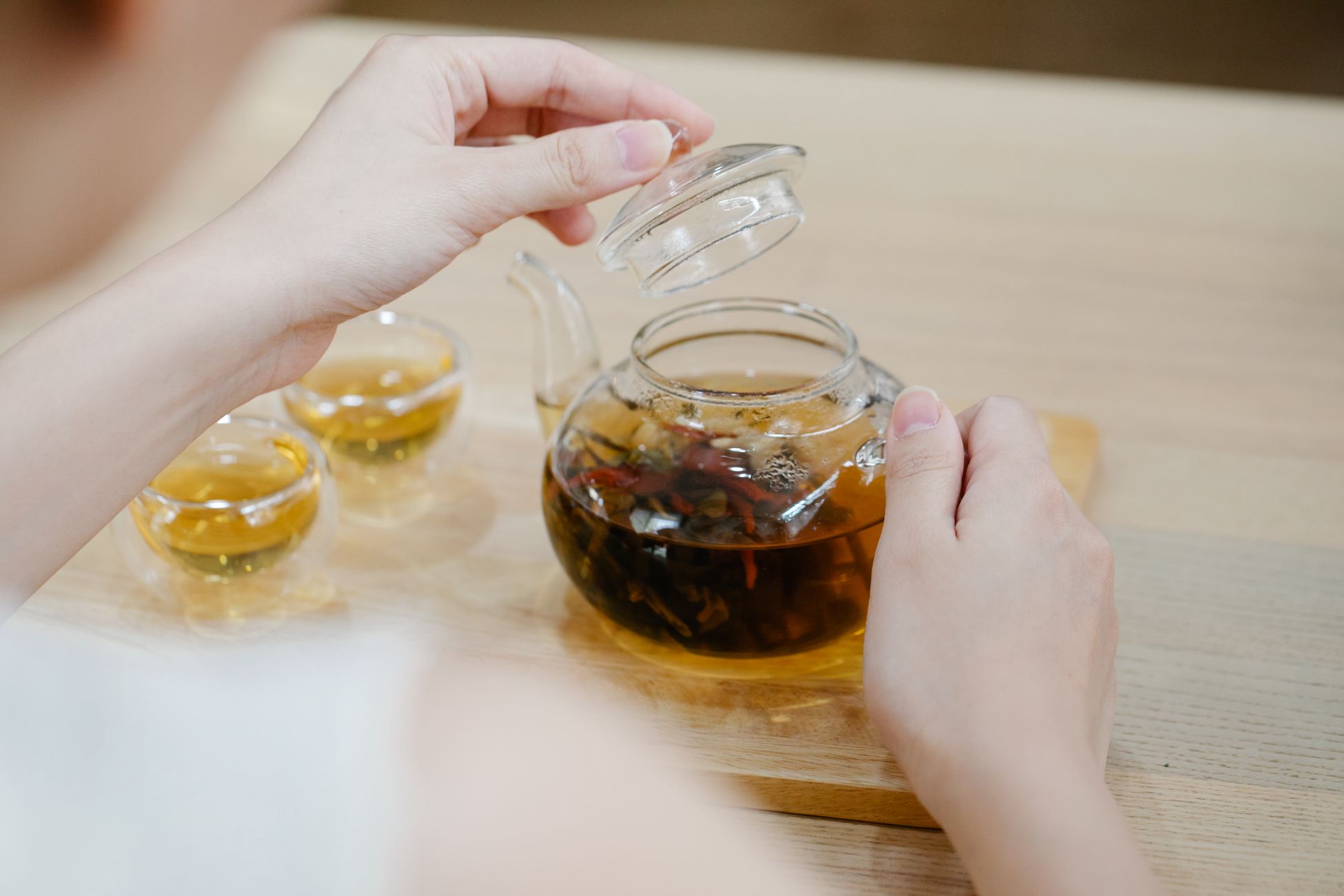
Cascara is light and airy, so a volume that looks generous weighs almost nothing. Start around 8 to 10 grams per 300 milliliters of water, which will look like a very full scoop. Use water just off boil, around 200 to 205 degrees Fahrenheit. Steep four to five minutes, then strain.
If it comes out thin and watery, add more cascara before you add more time. Over steeping pushes the tannins forward and the drink turns drying and astringent, the same way over steeped black tea does.
Iced is where it shines. Brew it double strength, pour it over ice, and add a squeeze of lime if you want it to taste like something you would pay for at a cafe. Some people add a little honey. It does not need it, but it does not suffer from it either.
Find your next everyday bag here.
The Regulatory Detour That Slowed It Down
Cascara had a strange bureaucratic decade in Europe. Under EU novel food rules, ingredients without significant consumption history in the region before May 1997 require authorization. Cascara got caught in that net, which made it difficult to sell legally in EU markets for years despite being a traditional food elsewhere in the world. Authorization work eventually moved forward, but the delay slowed adoption and made producers cautious about investing in a product they might not be able to sell.
That detail is worth knowing because it explains why cascara felt like it was about to be everywhere around 2015 and then quietly was not. The demand existed. The paperwork did not.
What Else the Fruit Becomes
Cascara as a brewed drink is the version most people meet, but it is not the only use.
The dried fruit gets milled into cascara flour, which turns up in baked goods and gives a fruity, slightly sour depth. It shows up as a flavoring and caffeine source in bottled beverages. It gets used as fertilizer and compost back on the farm, which was always its default fate but is now often done deliberately rather than as disposal. Some producers ferment it into vinegar or a wine like drink.
None of these are going to displace coffee. That is not the point. The point is that a plant which for a long time yielded one salable product now yields several, on land and labor that were already committed.

Why This Matters Beyond Novelty
It would be easy to file cascara under fun curiosity and move on. There is a more substantive reason to care.
Coffee farming margins are thin, and they are thinnest for the smallholders who grow most of the world's specialty coffee. A farmer sells green coffee and that is the whole business. Weather, disease, and commodity price swings all land directly on that single revenue line.
A second product made from material already on the farm changes that math a little. Not dramatically, and not for everyone, since the market for cascara is still small and the drying work is real. But an additional income stream from the same harvest is meaningful in an industry where most proposals for improving farmer income involve asking consumers to pay more for the same thing.
It also fits a way of thinking about coffee that we find worth encouraging. The cherry is a fruit. The seed we roast is one part of it. Getting curious about the other part tells you something about where your coffee comes from that no tasting note on a bag will.
If you have never tried it, order a small bag alongside your next coffee. Brew it strong, drink it cold, and pay attention to how much it tastes like fruit. Then remember that this grew wrapped around the bean you had this morning, and that for most of a century nobody bothered to find out what it tasted like.
All images shown in this blog are sourced from pexels.com.