

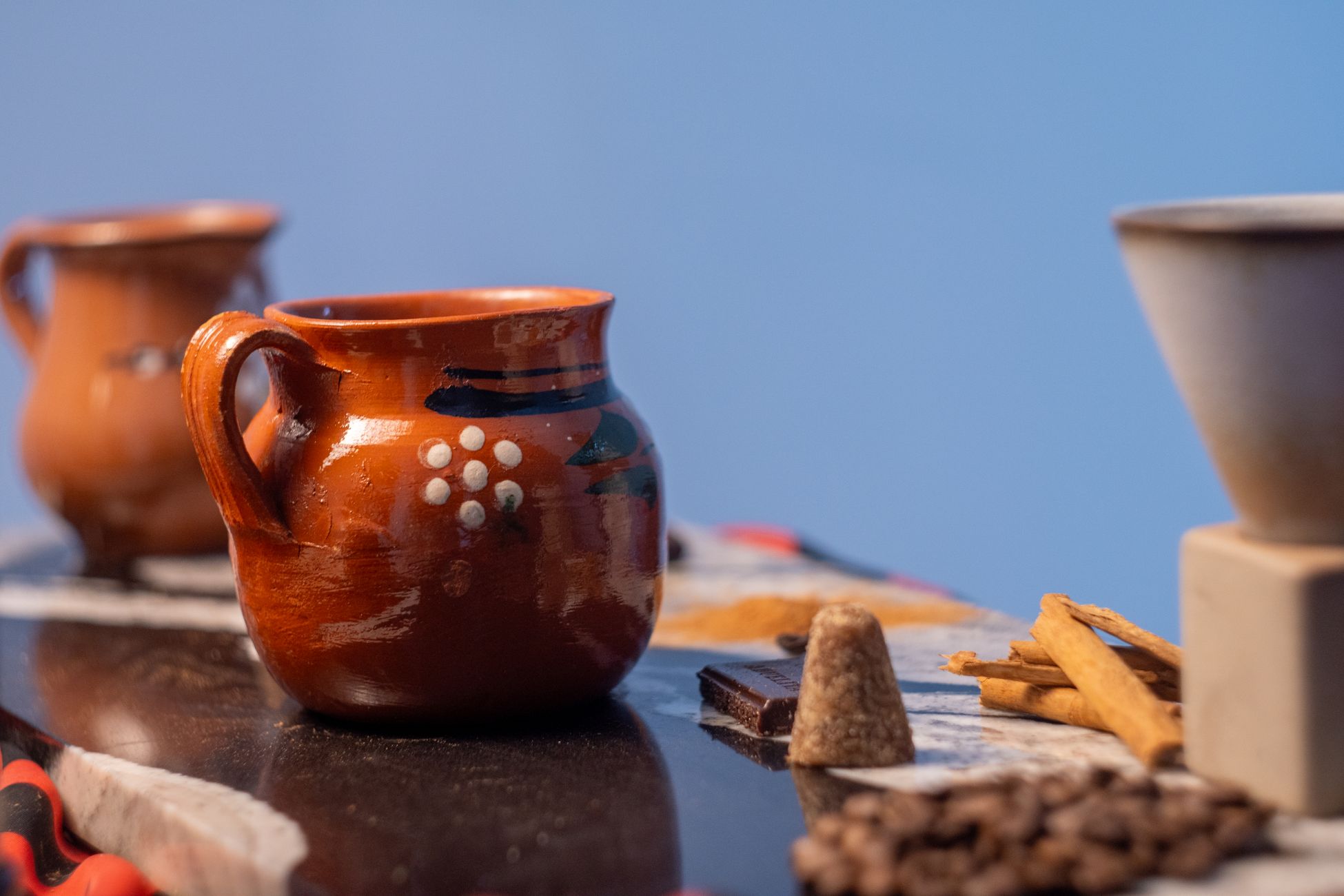
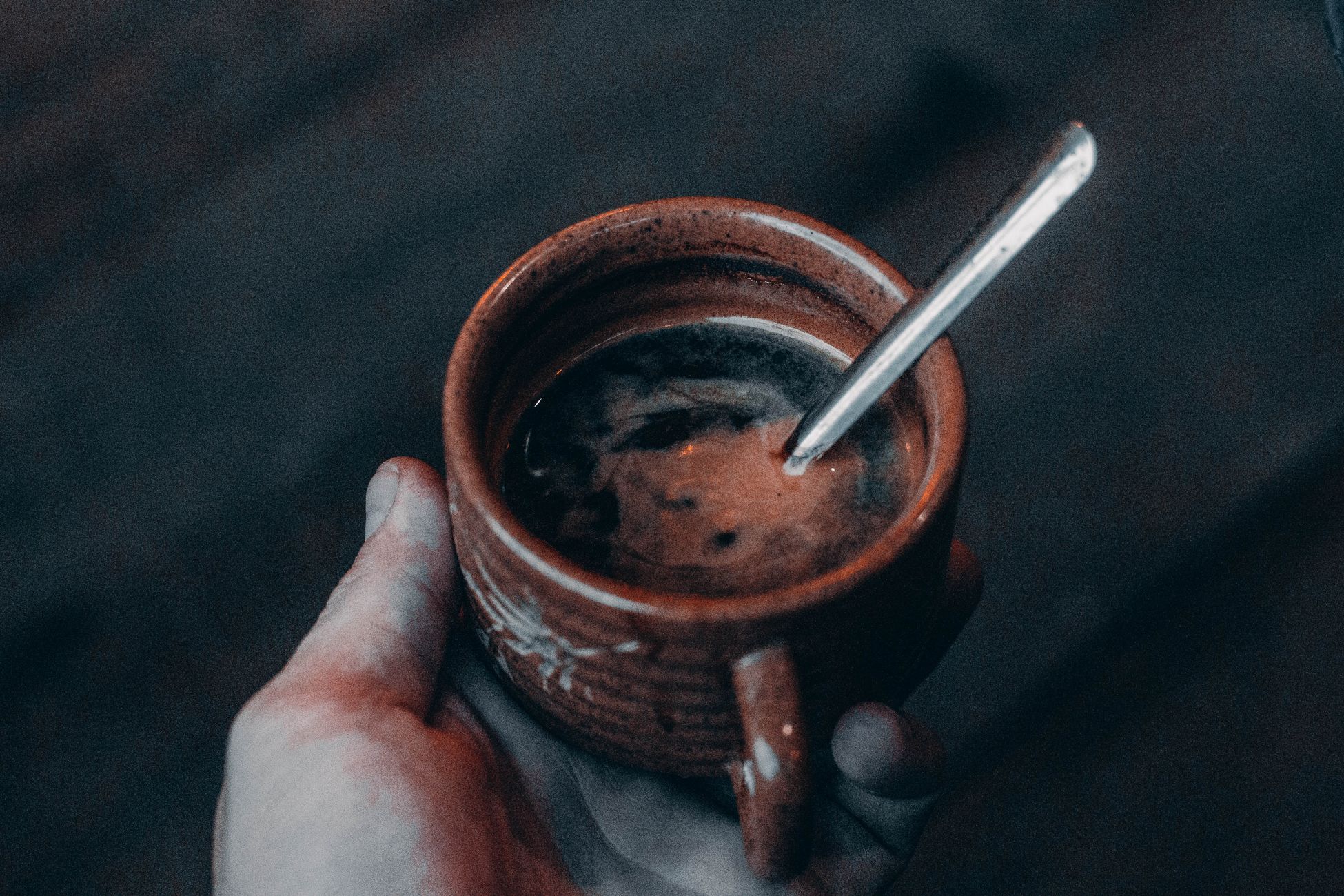
Walk into a market fonda in Mexico on a cool morning and there is a good chance the coffee comes from a big clay pot set over the stove. It is sweet, it smells of cinnamon, and it tastes deeper and rounder than most coffee you have had. This is café de olla, which translates simply as pot coffee, and it is one of the most comforting cups in the world.
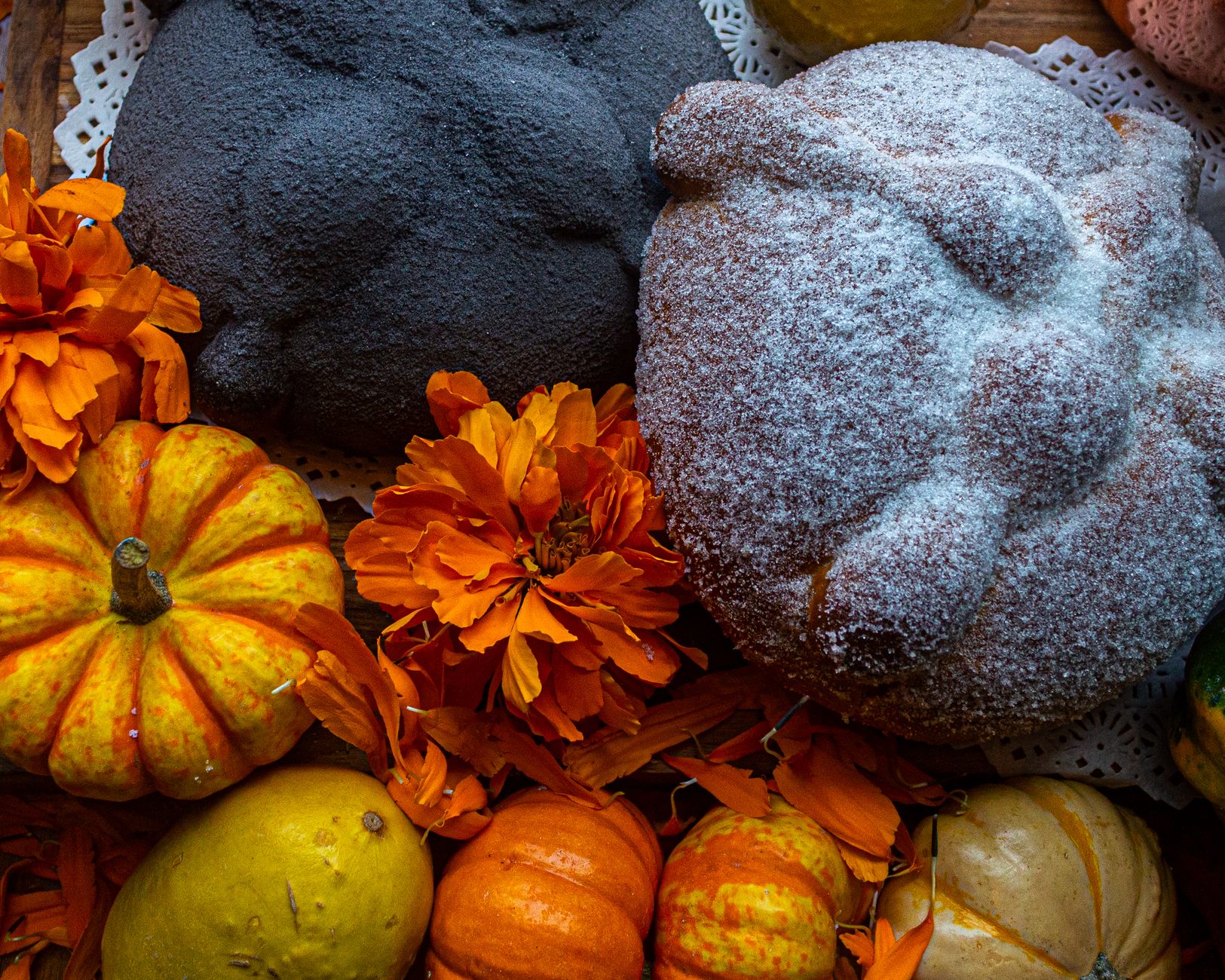
It also arrives right on time. Early November is Día de Muertos season in Mexico, and café de olla shows up on tables next to pan de muerto, the soft, orange-scented sweet bread baked for the holiday. If you have ever wanted a reason to try it, this is the week.
Find a coffee that pairs beautifully with spice
What Goes Into The Pot
Café de olla has a short ingredient list, and each item earns its place.
The coffee is usually a medium to dark roast, ground coarse. The spice is cinnamon, specifically the soft, papery canela that Mexican cooks prefer. The sweetener is piloncillo, an unrefined cane sugar pressed into cones. Many families add a strip of orange peel, a clove or two, or a piece of star anise. Some add none of those and swear by the simplest version.
What you will not find is milk. Café de olla is served black, with its sweetness built in during brewing rather than stirred in afterward.
Piloncillo Is Not Just Brown Sugar
Piloncillo is made by boiling down sugarcane juice and pouring it into cone-shaped molds, where it hardens. Because the molasses is never separated out, it tastes richer than refined sugar. You get caramel, a hint of smoke, something close to dark rum.
That flavor matters in café de olla. It fills in around the coffee and the cinnamon, rounding off sharp edges and giving the cup a long, warm finish. White sugar makes the coffee sweet. Piloncillo makes it taste complete.
If you cannot find piloncillo, dark brown sugar with a small spoonful of molasses gets you close. You can also look for panela, which is the same idea made in other parts of Latin America.
Why Mexican Cinnamon Tastes Different
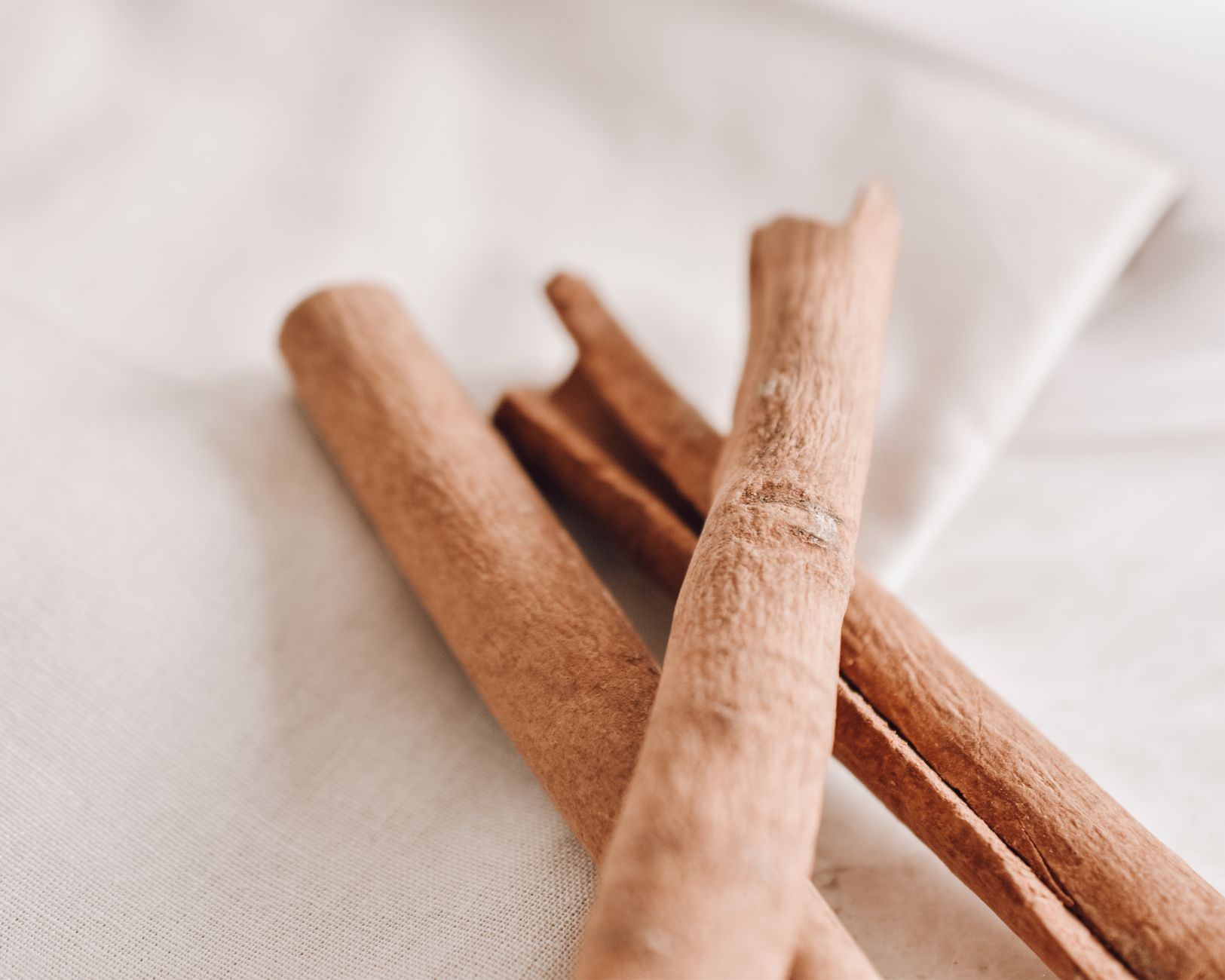
Most cinnamon sold in North American supermarkets is cassia. It is hard, thick, and intensely spicy, the flavor of cinnamon gum and red-hot candies. The canela used in Mexico is Ceylon cinnamon, a different plant altogether. Its sticks are made of thin, fragile layers that crumble in your fingers, and its flavor is softer, sweeter, and more floral.
In café de olla, that gentleness is the point. Ceylon cinnamon perfumes the coffee without burning through it. If you only have cassia, use about half as much, or the spice will dominate and the cup will taste more like candy than coffee.
The Clay Pot Is Part Of The Recipe
An olla de barro is a rounded earthenware pot, often unglazed on the outside and glazed inside. It looks rustic, and that is part of its charm, but it also changes how the coffee brews.
Clay heats slowly and holds that heat evenly. Instead of a sharp boil, the water warms gently and stays warm after the flame goes off, which is exactly what you want while the coffee steeps. Unglazed clay is also slightly porous, and many people describe a faint earthy, mineral note that develops in a well-used pot. It is subtle, but it is the part of the flavor you cannot copy in a stainless steel saucepan.
There is also tradition. Clay pots have been central to Mexican cooking for centuries, and brewing coffee in one connects the cup to that kitchen history in a way no gadget can.
One Important Thing To Check
Some traditional glazed pottery has been made with lead-based glazes, and lead can leach into hot or acidic food and drink. If you buy an olla, look for one clearly labeled lead free, which in Mexico often appears as sin plomo. Reputable sellers make this easy to confirm. If you cannot confirm it, use the pot for decoration and brew in a saucepan instead.
New clay pots also need a little care before their first use. Soak the pot in water for several hours, let it dry, and heat it gradually the first few times. Clay cracks with sudden temperature changes, so keep the heat low to medium and never pour cold water into a hot pot. On an electric or glass stovetop, a heat diffuser helps.
How To Make It At Home
This makes about four cups.
Pour one liter of water into your pot. Add about seventy grams of piloncillo, roughly half of a small cone, and one or two sticks of Ceylon cinnamon. Add a strip of orange peel if you like. Bring it to a gentle simmer and let it go for five to ten minutes, stirring now and then, until the piloncillo dissolves and the water smells like cinnamon.
Turn off the heat. Stir in about sixty grams of coarsely ground coffee. Cover the pot and let it steep for five minutes. Then strain it through a fine mesh sieve or a cloth filter into cups.
The single most important rule is not to boil the coffee. The spiced water can simmer, but once the grounds go in, the heat comes off. Boiling coffee pulls out harsh, bitter compounds that no amount of piloncillo can hide.
Choosing The Right Coffee
Café de olla is forgiving, but it is not indifferent. Coffee with chocolate, cocoa, caramel, and toasted nut notes fits the spice perfectly. Many Mexican coffees, from Chiapas, Oaxaca, and Veracruz, have exactly that profile, which is part of why the drink took hold where it did.
Very bright, fruity light roasts can clash with cinnamon and piloncillo. The citrus and berry notes that make them lovely on their own can taste sour next to the sugar. A medium or medium-dark roast is the safe bet.
Grind coarse, about what you would use in a French press. Fine grounds make the cup muddy and harder to strain, and they extract too quickly in hot water.
Where The Drink Comes From
Café de olla is often linked to the Mexican Revolution in the 1910s. The story goes that the soldaderas, the women who traveled with revolutionary troops and kept them fed, brewed coffee in clay pots with cinnamon and piloncillo to keep fighters warm and going. However it began, the drink is now part of everyday Mexican life, served at markets, family breakfasts, and holiday gatherings alike.
It is a drink built around what was on hand. Coffee grown nearby, sugar from local cane, spice traded through the country for centuries, and a pot made from local clay. Nothing about it is fancy, and that is why it has lasted.
Serving It Well
Café de olla is traditionally served in small clay mugs called jarritos, which keep it warm and continue the earthy theme. Serve it hot, and serve it with something sweet and bready. Pan de muerto in November, conchas the rest of the year, or simply buttered toast.
It is also a wonderful drink for a crowd. Make a big pot, keep it warm on the lowest heat, and let people help themselves. Just strain it first, so the grounds do not keep extracting while it sits and turn the last cups bitter.
Pick up a fresh bag for your next pot
All images shown in this blog are sourced from pexels.com.