

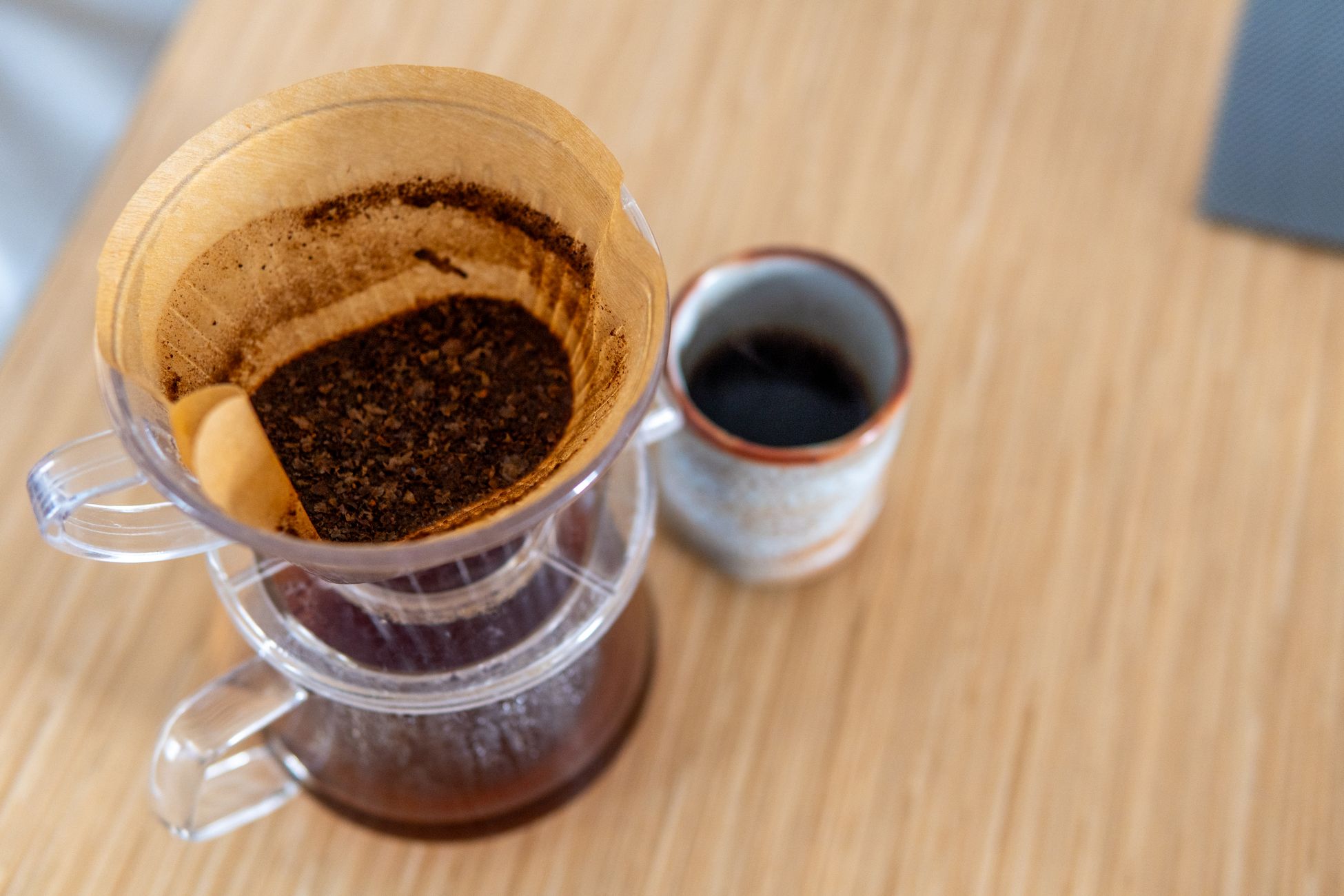
There is a technique that competition brewers, serious cafes, and every commercial batch brewer in the country use routinely, and that most home brewers have been quietly taught to think of as cheating.
It is this: brew your coffee stronger than you want to drink it, then add hot water to the finished cup.
The instinct is to call that watering down, and to assume you have made a worse cup on purpose. What actually happens is more interesting. Adding water after the brew lets you control two things separately that are otherwise locked together, and once you can control them separately you can fix problems that no grind adjustment will touch.
Brew something worth dialing in.
Two Different Things Called Strength
Every brew has two numbers behind it, and most brewing advice collapses them into one.
Extraction is how much of the coffee's soluble material you pulled out of the grounds. It is a percentage of the dry coffee's mass, usually landing somewhere between eighteen and twenty two percent in a well made cup. Extraction is governed by grind size, water temperature, contact time, and agitation. Extraction determines whether the coffee tastes sour and hollow, sweet and balanced, or bitter and drying.
Concentration is how much dissolved coffee ends up per unit of water in your cup. It is what your tongue reads as strong or weak. Concentration is governed almost entirely by your ratio, meaning how much water you used relative to how much coffee.
In a normal pour over, these two are chained together. Change your ratio to make the cup stronger and you have also changed how much water is passing through the bed, which changes your extraction. Brew a smaller volume and the bed sits shallower, drains differently, and extracts differently. You cannot move one without disturbing the other.
Bypass brewing breaks the chain. You brew at whatever ratio gives you the extraction you want, then use clean water to set the concentration afterward. Two dials instead of one.
Where the Name Comes From
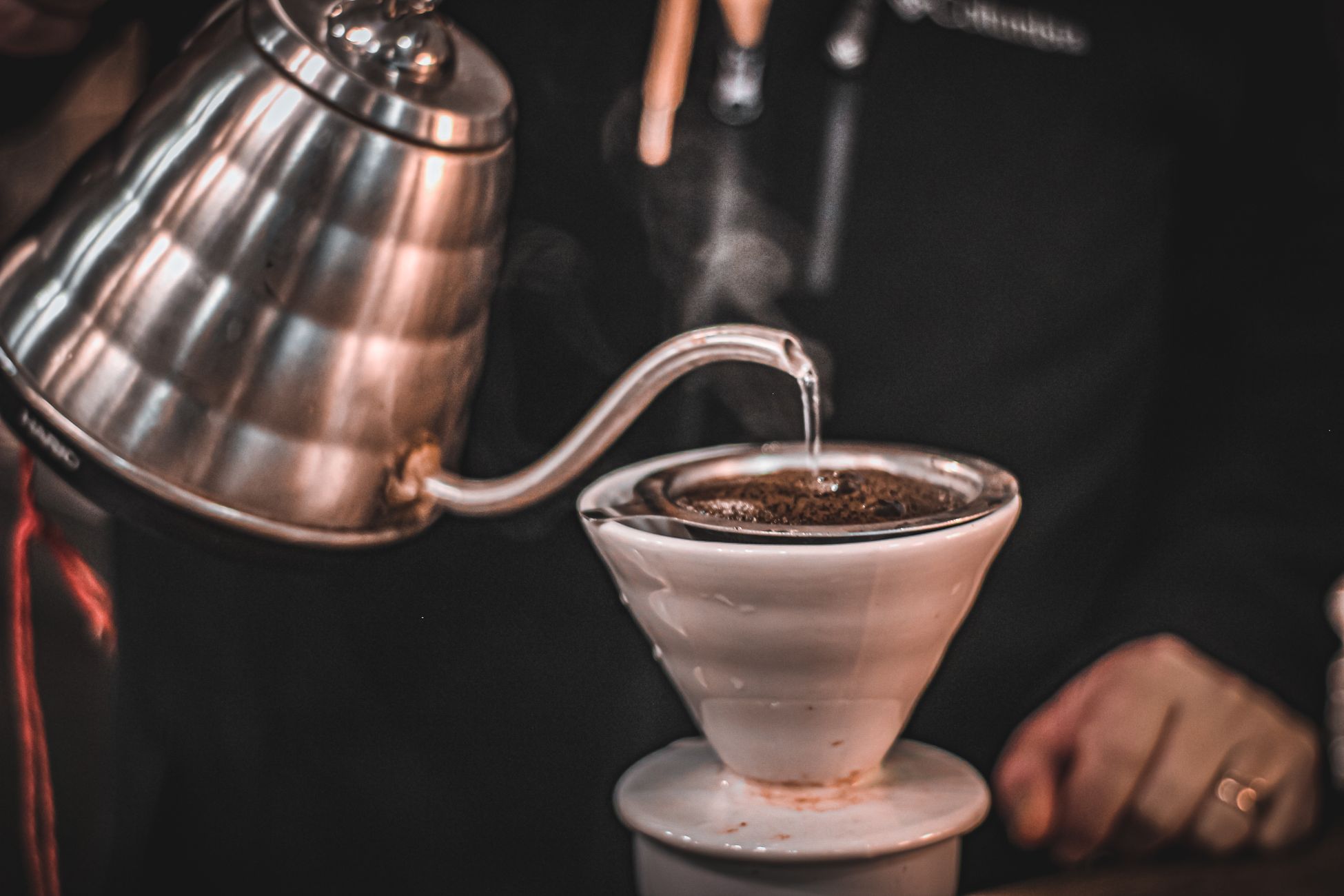
The term comes from commercial brewing equipment. Many batch brewers include a bypass valve that routes a portion of the water directly into the carafe without ever sending it through the coffee bed.
The reason is practical. A large batch brewer pushing all of its water through the grounds would over extract, because the bed is deep and the contact time is long. So the machine brews a concentrate with part of the water and dilutes it with the rest, and the coffee in the carafe is the blend of the two. If you have ever had good drip coffee from a cafe's airpot, you have had bypass coffee.
The same logic scaled down is what competitors do on stage and what a lot of cafes do on the bar. Nothing about it is a shortcut. It is a way of putting the extraction and the concentration under separate control.
The Problem It Solves Best: Small Batches
Here is the situation where bypass brewing is not just useful but close to necessary.
You want one cup. Say fifteen grams of coffee and two hundred fifty grams of water. That is a reasonable ratio, but in most dripper geometries fifteen grams makes a very shallow bed. Water finds paths through it quickly, some of the coffee gets rinsed rather than extracted, and the whole thing drains before you wanted it to. Small pour overs are harder to make well than large ones, which is the opposite of what most people assume.
Now do it the other way. Brew twenty two grams of coffee with two hundred forty grams of water, a ratio near one to eleven. The bed is deeper, the flow is slower, the extraction is much more even and much easier to control. You will end up with roughly two hundred grams of very concentrated coffee. Add eighty grams of hot water and you have a normal strength cup that was extracted under far better conditions than the direct version.
Same amount of drinking, better brew, and you used a bit more coffee to get there. That is the trade, and for a lot of people it is an easy one.
What Bypass Brewing Cannot Fix
This is important, because people reach for dilution as a general purpose remedy and it only works in one direction.
If your coffee is over extracted, meaning bitter and drying because you pulled out the harsh compounds at the end of the extraction, adding water does not remove them. It just spreads them across more liquid. You get a weak cup that is still bitter, still astringent, and now also thin. The information is already in the brew and water will not take it back out.
If your coffee is under extracted, sour and hollow, dilution makes it worse in the obvious way. You have less of not enough.
Bypass water only helps when your extraction is good and your concentration is higher than you want it. That is the entire use case. It is a volume control, not a repair tool. Fix extraction with grind, temperature, and time, then set concentration with water.
Get beans that reward brewing carefully.

Where You Have Already Been Doing This
Once you see the pattern, it turns up everywhere.
An americano is bypass brewing. A properly pulled espresso, extracted at the right ratio and stopped at the right moment, then diluted with hot water to drinking strength. Nobody calls that watering down, and nobody suggests that pushing four ounces of water through the puck instead would be an improvement. It would not be. It would be a long, astringent shot.
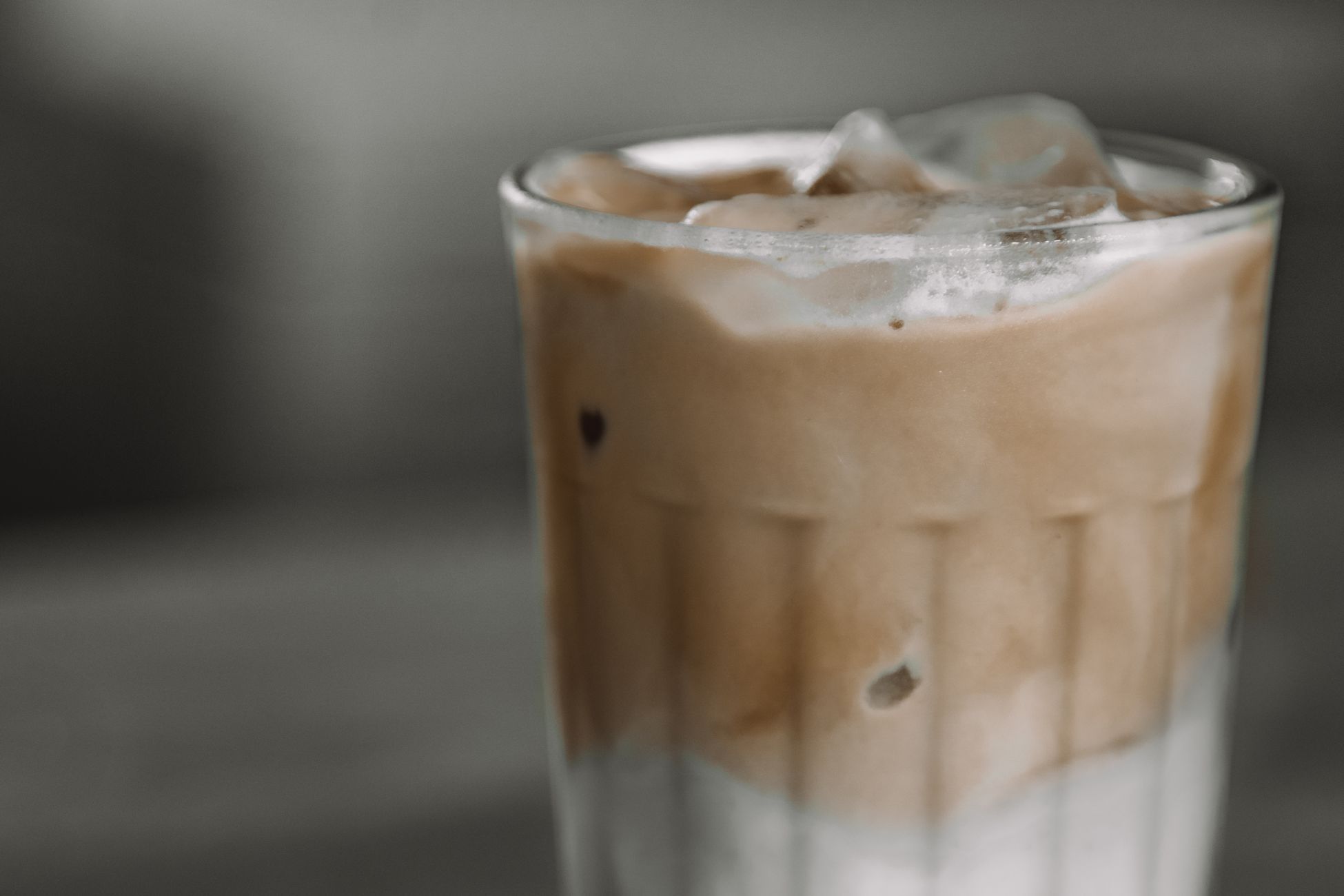
Iced coffee done well is bypass brewing with a different diluent. Brew hot and concentrated, then pour it over a measured amount of ice, and the melting ice supplies the water. If you brew at normal strength and then add ice, you get diluted coffee with no compensation, which is why so much homemade iced coffee tastes thin and sad.
Cold brew concentrate is the same principle with a long timeline. You deliberately make something too strong to drink and dilute it later.
Moka pot coffee is often finished this way too, since a moka produces something too concentrated for a mug and most people top it up without thinking of it as a technique.
How to Actually Do It
The mechanics are straightforward and there are three things worth getting right.
Use hot water, not warm. Bypass water should be at roughly brewing temperature. Adding room temperature water to a fresh brew drops the drinking temperature immediately and flattens the aroma, since a lot of what you perceive as flavor arrives through your nose from the steam.
Add it to the server, not the mug. Pour the water into the carafe with the coffee and swirl, so the mixture is even. Coffee and water do not blend on their own as quickly as you would think, and a poorly mixed cup gives you a strong first half and a weak second half.
Write down your numbers. The whole benefit of this method is repeatability, and it evaporates if you eyeball the dilution. A reasonable starting point is to brew at one to eleven or one to twelve, then bypass up to a final ratio near one to sixteen. Adjust the final number to taste and keep the brew ratio fixed.
Why It Also Helps With Difficult Coffees
There is a subtler benefit worth mentioning.
Some coffees are intense. A heavily fermented natural, an anaerobic lot, a dense high grown coffee with aggressive acidity. Brewed at standard strength these can be overwhelming, and the usual fix is to under extract them slightly, which trades intensity for a sour, unfinished cup.
Bypass gives you a better option. Extract fully so the coffee is sweet and resolved, then dilute until the intensity is comfortable. You keep the balance and lose only the volume of flavor. That is almost always the better trade, because sweetness comes from complete extraction and no amount of dilution can create it.
The same logic runs in reverse for coffees that taste thin. If a coffee is well extracted and still feels light, dilution is obviously the wrong move, and you should be brewing at a tighter ratio instead.
The Short Version
Extraction and concentration are two different things. Grind, time, and temperature set the first. Ratio sets the second. Bypass brewing lets you handle them one at a time instead of negotiating both with a single number.
It is not a compromise and it is not a trick. It is how commercial brewers have worked for decades and how most competition coffee is served. If you have been avoiding it because adding water felt like giving up, you have been making your small brews harder than they needed to be.
All images shown in this blog are sourced from pexels.com.