

Ask most coffee drinkers to name an East African origin and you will hear Ethiopia first, Kenya second, and maybe Rwanda if they have spent time in specialty shops. Burundi almost never comes up. Yet this small, landlocked country sits right next door to Rwanda, grows coffee on the same kind of high volcanic hills, and produces cups that regularly stand toe to toe with its better known neighbor. If you have never tasted a Burundi, you have been missing one of the brightest, most elegant coffees on the continent.
This post walks through what Burundi coffee actually tastes like, how it is grown and processed, and why a country with this much quality has stayed so quiet on the shelf. By the end you will know what to look for and why a bag from Burundi deserves a spot in your rotation.
Explore our most popular coffees
Where Burundi Coffee Grows
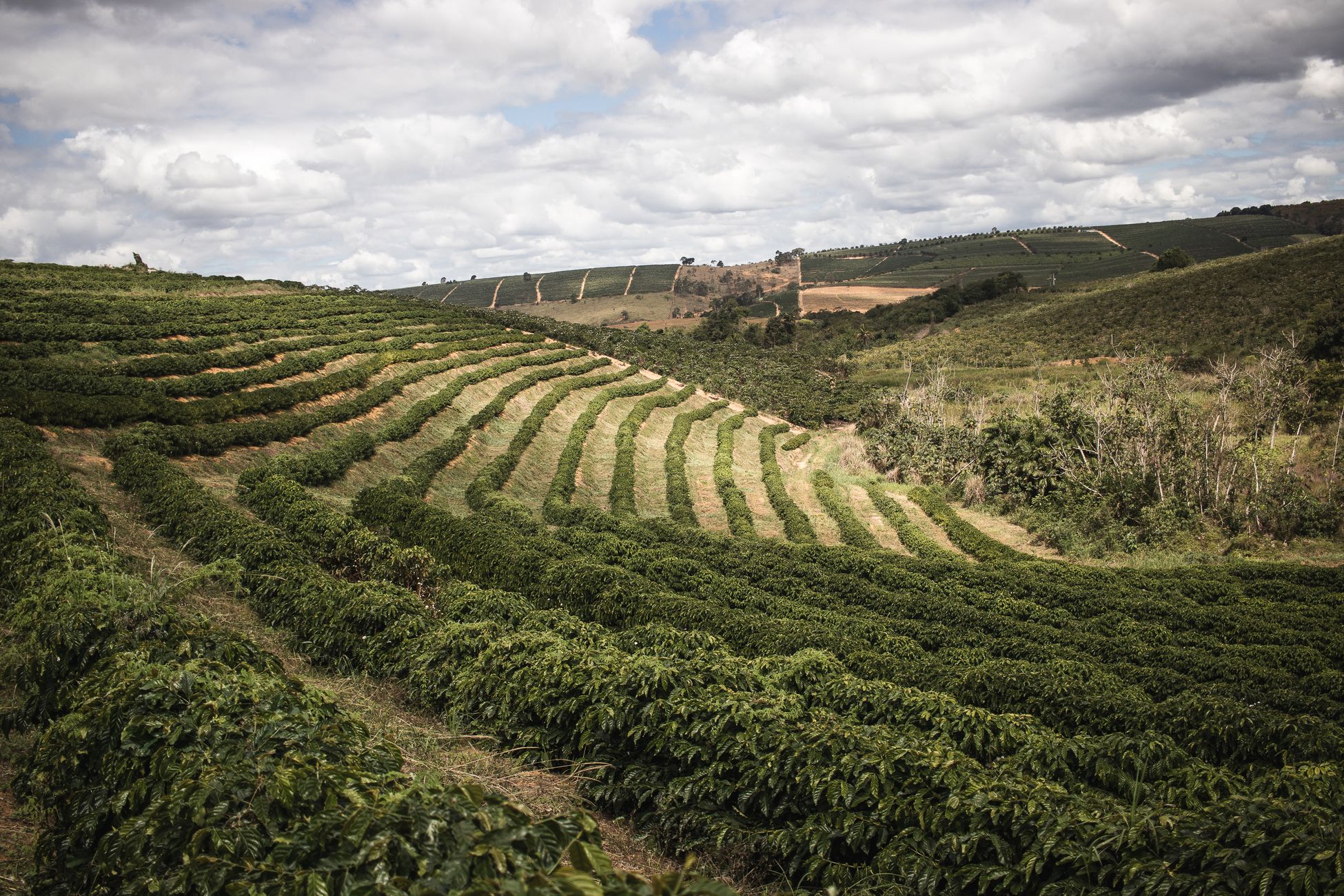
Burundi is one of the smallest countries in Africa, roughly the size of Maryland, and it is almost entirely made of hills. Coffee grows between about 1,700 and 2,000 meters above sea level, mostly in the northern provinces of Kayanza and Ngozi, with strong production in Muyinga and Kirundo as well. Those altitudes are high even by specialty standards, and the cool nights slow cherry ripening in a way that builds sugar and acidity in the bean.
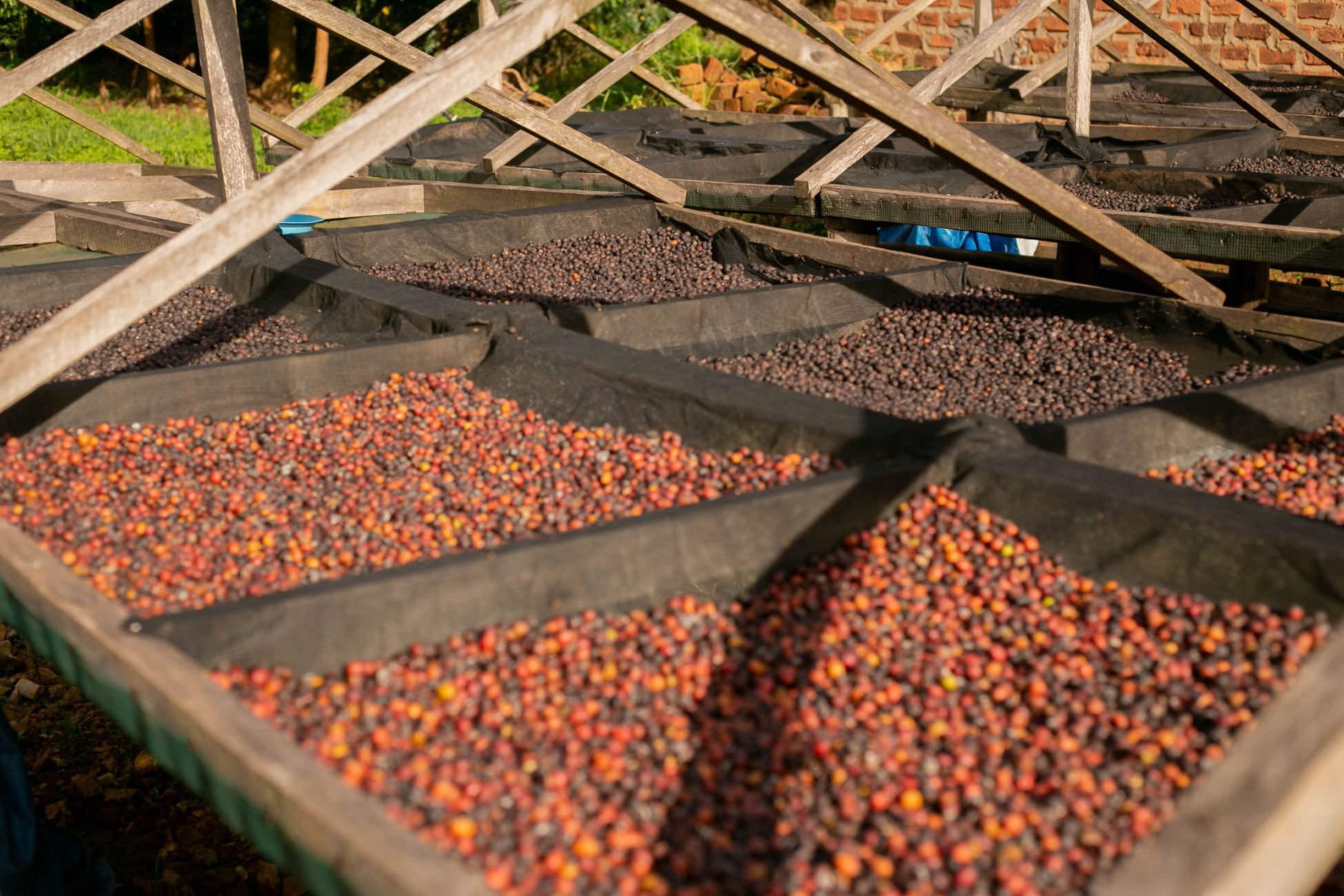
The farms are tiny. Most Burundian coffee comes from smallholders tending a few hundred trees on plots that are often less than a hectare. There are hundreds of thousands of these families, and almost none of them process their own coffee. Instead they carry ripe cherries to a nearby washing station, where the cherries from dozens or hundreds of farms are pooled, sorted, pulped, fermented, washed, and dried together. That washing station model is the single most important thing to understand about Burundi, because it means the station, not the farm, is usually the name on the bag.
The Bourbon Connection
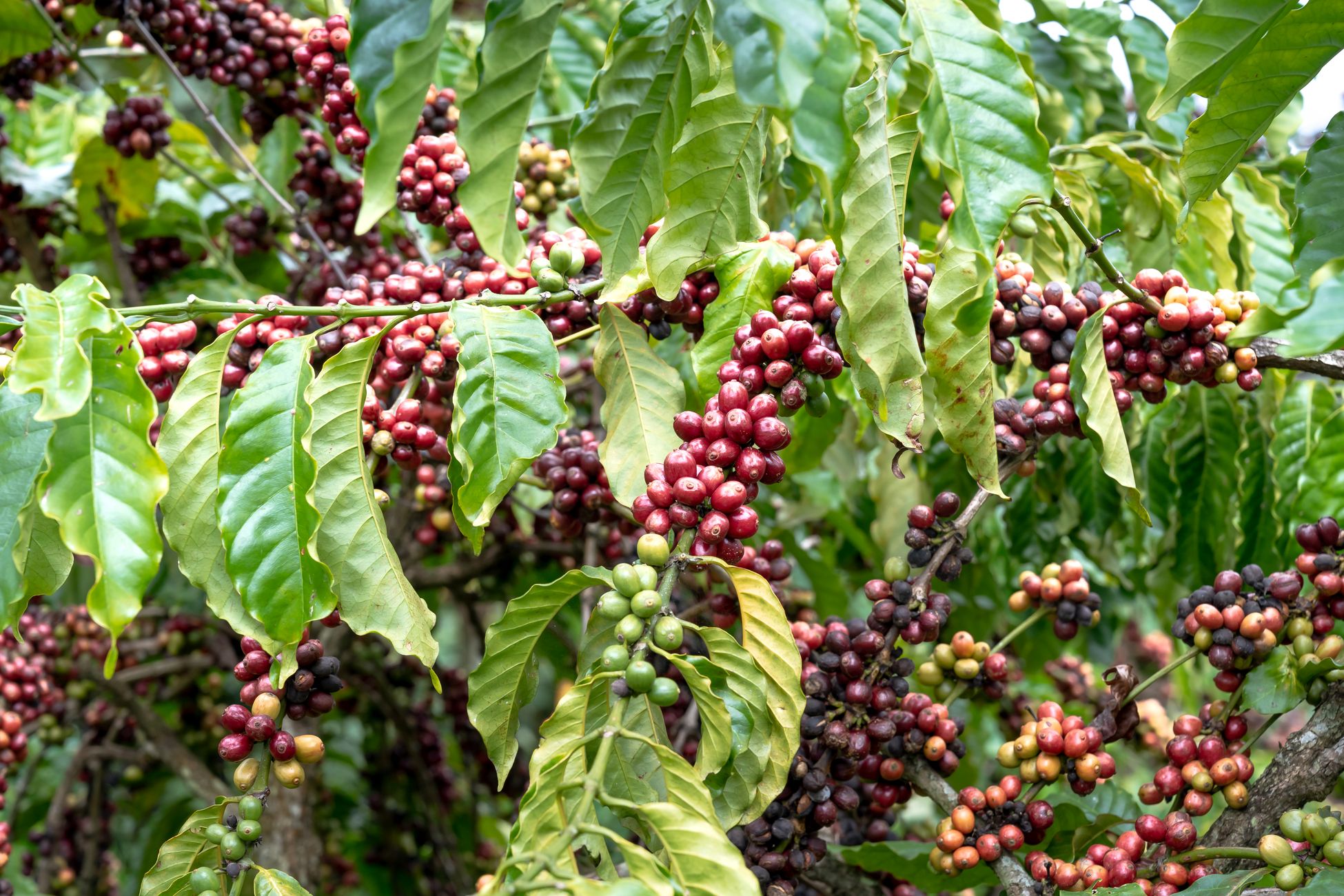
Nearly all of Burundi's coffee is the Bourbon varietal, a classic Arabica type known for sweetness and a round, full body. Bourbon is not a high yielding plant and it is susceptible to disease, which is part of why many origins have replaced it with hardier hybrids. Burundi kept it. The result is a cup that carries the Bourbon signature clearly: red fruit, caramel sweetness, and an acidity that sparkles instead of stabbing.
Because the varietal is so consistent across the country, the differences you taste between Burundi lots come mostly from the washing station and the altitude. A station that sorts rigorously, ferments carefully, and dries slowly on raised beds will produce a dramatically cleaner cup than one that cuts corners, even when the cherries came from the same hillside.
What It Tastes Like In The Cup
A good washed Burundi is bright without being sharp. The first thing most people notice is citrus, often orange or tangerine rather than lemon, backed by a juicy red fruit quality that recalls cranberry, red currant, or ripe cherry. Underneath that sits a sweetness that reads as brown sugar or honey, and many lots carry a floral lift that is easy to mistake for a good Ethiopian.
Where Burundi separates itself is texture. Kenyan coffees tend to be intense and savory. Ethiopian washed coffees are delicate and tea-like. Burundi lands in between, with more body than Ethiopia and softer acidity than Kenya. The finish is often described as black tea, long and slightly tannic in a pleasant way, with a clean fade that invites the next sip.
Roast level matters a great deal here. These coffees shine at light to medium roasts, where the fruit and florals stay intact. Push them dark and you trade all of that for a generic roasted sweetness that could have come from anywhere. The air roasting approach we use at Solude suits coffees like this because the beans float in hot air instead of tumbling against a scorching drum, so the delicate aromatics survive the roast rather than getting cooked off the surface.
See which bright, fruit-forward coffees are in the shop right now
Why Rwanda Gets The Attention
Rwanda and Burundi share a border, a climate, a varietal, and a washing station culture. So why does Rwanda show up on specialty menus everywhere while Burundi stays rare? The answer is mostly history and marketing, not quality.
Rwanda rebuilt its coffee sector aggressively in the early 2000s with significant international investment, a clear national strategy, and a wave of new washing stations built specifically to target the specialty market. Roasters and importers came, relationships formed, and the country's story became part of how specialty coffee talked about itself. Rwanda hosted a Cup of Excellence competition in 2008, the first in Africa, which put its coffee in front of buyers worldwide.
Burundi followed a similar path but later and with more interruptions. Its washing stations were state controlled until privatization began around 2008, which slowed the kind of direct relationships specialty buyers rely on. Political instability in 2015 disrupted exports and scared off some buyers for several seasons. Burundi did host its own Cup of Excellence starting in 2012, and the winning lots were stunning, but the country never got the sustained attention Rwanda enjoyed. On top of that, Burundi is landlocked and far from any port, so getting coffee out is slow and expensive, which pushes some importers toward easier origins.
The Potato Defect Problem
There is one more reason some roasters hesitate, and it is shared with Rwanda. Both countries deal with the potato defect, a taste fault caused by a bacterium that enters the cherry through insect damage. An affected bean smells and tastes exactly like a raw potato, and it is impossible to detect visually. One bad bean in a brew can ruin the entire cup.
The good news is that the defect is rare and getting rarer. Washing stations have improved their sorting, flotation, and insect control, and many exporters now cup every lot specifically to catch it. Most people who drink Burundi regularly go years without encountering it. But the reputation lingers, and for a cautious buyer choosing between two similar coffees, that lingering doubt can tip the decision toward another origin.
How To Get The Most Out Of A Burundi
If you pick up a bag, brew it in a way that lets the acidity and clarity come through. Pour over and other paper filtered methods are the obvious choice because the filter strips out the oils and fines that would muddy the brightness. A slightly higher water temperature, right around 94 to 96 degrees Celsius, helps pull out the sweetness that balances the citrus.
Try it black at least once. Milk softens exactly the qualities that make this origin special, and sugar covers the natural sweetness that is already there. If you do want it in a latte, a Burundi with a slightly darker roast and more body will hold its own better than a very light one.
Finally, give the bag a little rest. Washed East African coffees often taste their best five to ten days after the roast date, when the gases have settled and the fruit notes have opened up.

Why Burundi Deserves A Spot In Your Rotation
Burundi coffee is not a lesser version of Rwanda. It is a sibling with its own character: juicier, rounder, and often a bit more approachable. The country's farmers grow a difficult varietal at punishing altitudes and hand their cherries to stations that have steadily raised their standards over the past decade. What comes out is a cup that can hold its own against any washed coffee in the world.
The only thing it lacks is attention. That is slowly changing as more roasters discover what is coming out of Kayanza and Ngozi, but for now Burundi remains one of the best values in specialty coffee. When you see one, buy it, brew it carefully, and taste what the shadow has been hiding.
Browse our most popular coffees and find your next favorite
All images shown in this blog are sourced from pexels.com.