

Espresso and tonic water sounds like a dare. Bitter coffee, bitter quinine, bubbles, and a slice of citrus, served cold. The first reaction most people have is that it must taste like a mistake.
It does not. The espresso tonic has been on specialty menus across Scandinavia and increasingly everywhere else for over a decade, and it stays there because the combination works on principles that are easy to explain once you look at what each ingredient contributes.
Start with a coffee bright enough to build one.
What It Is
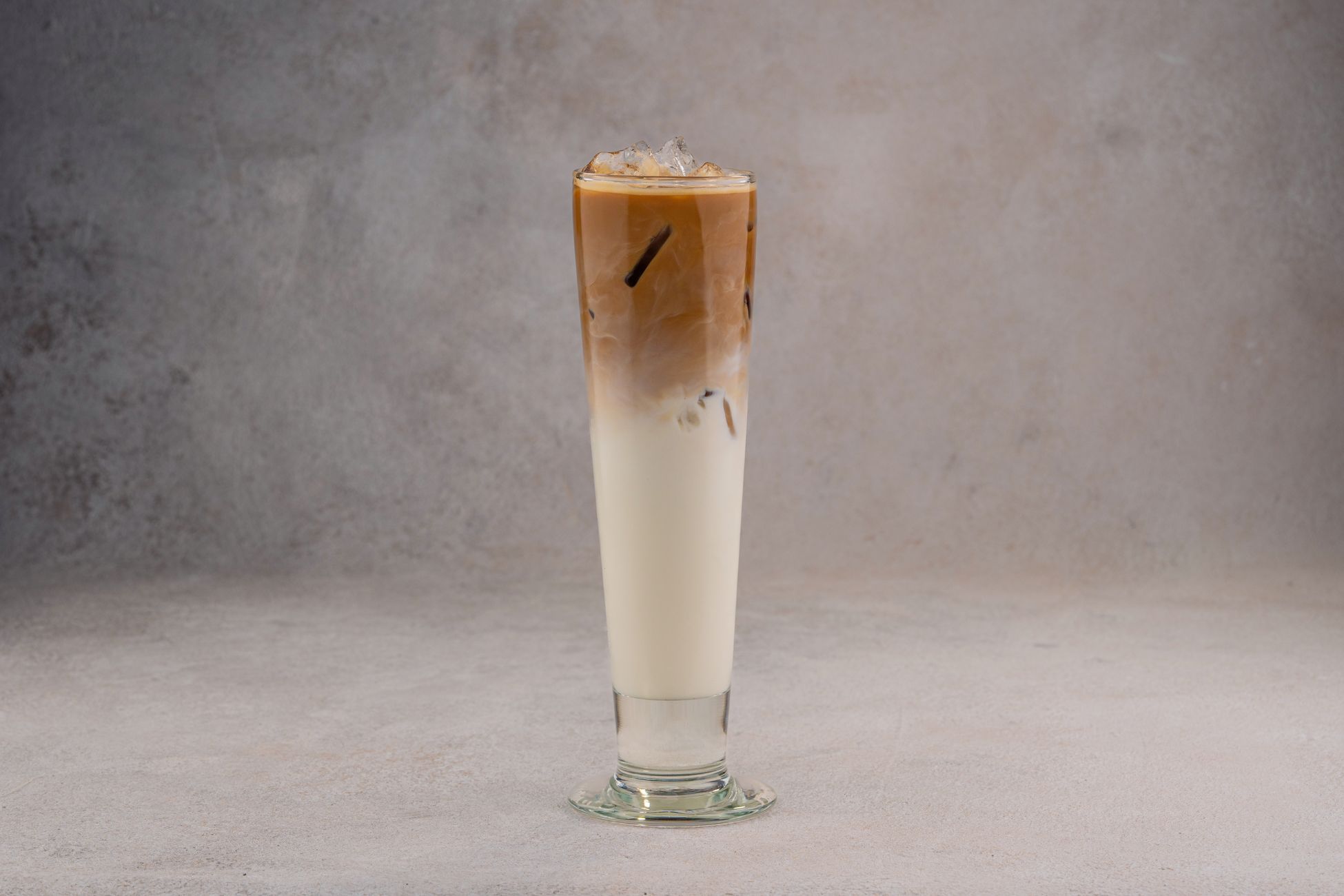
Ice, tonic water, espresso poured over the top. Usually with a citrus peel or a wheel of orange or grapefruit. Served in a tall glass, sometimes with the layers left visible, sometimes stirred.
That is the entire drink. There is no syrup, no milk, and no shaking. Which means every element is load bearing and there is nowhere for a bad espresso to hide.

Why Coffee and Citrus Are Not Actually Strangers
The pairing feels novel because we are used to coffee arriving hot and with milk. Chemically, it is one of the more obvious matches in the drink world.
Coffee contains a large family of organic acids, and the ones that dominate in a well grown, lightly roasted coffee are citric acid and malic acid. Citric acid is the primary acid in citrus fruit. Malic acid is the primary acid in apples. Those are not metaphors used by people describing coffee, they are the actual compounds present.
When a bag says a coffee tastes like lemon or grapefruit or orange, it is usually pointing at citric acid alongside a set of aromatic compounds, particularly terpenes like limonene, that also appear in citrus peel.
So adding citrus to a bright coffee is not introducing a foreign flavor. It is amplifying a flavor that was already there and giving it something to sit next to.
This also explains why the drink fails with the wrong beans. A dark roast has had most of its citric and malic acid destroyed and replaced with the roast derived bitterness of a longer development. Put that in tonic and you get bitter on bitter with nothing in between.
What the Tonic Is Doing
Tonic water brings three things and each one has a job.
Quinine provides bitterness, which sounds redundant next to coffee, but it is a different kind of bitterness. Quinine is clean and sharp and fades quickly. Coffee bitterness is heavier and lingers. The two do not stack into something twice as bitter, they occupy different parts of the experience, and the quinine actually makes the coffee's bitterness read as more structured.
Sugar provides balance. Most tonics carry a meaningful amount of sugar, which is what keeps the drink from being punishing. This is the ingredient people forget when they try to make a diet version and wonder why it is unpleasant.
Carbonation does the interesting work. Carbon dioxide dissolved in water forms carbonic acid, which activates pain receptors and adds its own bright acidic bite. It also physically lifts aromatics out of the liquid and into your nose. A carbonated drink smells more than a still one, and since most of tasting is smelling, the coffee's aromatics reach you more completely.
Buy a bright single origin worth putting on ice.
How to Build One That Works
Start with a tall glass filled generously with ice. More ice than feels necessary. A glass that is not properly cold dilutes fast and the drink goes flat and watery within two minutes.
Add tonic to about two thirds. Roughly 120 to 150 millilitres for a single shot. Pour it down the side of the glass rather than straight in, to keep the carbonation.
Let it settle for a moment.
Pull a double shot and pour it slowly over the top, ideally over the back of a spoon. Espresso is less dense than chilled tonic, so it floats and creates the layered look. That is cosmetic, but it also means the first sips are coffee forward and the drink evolves as you go.
Add a peel. Express it over the surface first by squeezing it skin side down, which releases the oils, then drop it in.
Do not stir it immediately unless you want it homogeneous from the start. Both approaches are valid and they taste different.

The Choices That Actually Matter
The coffee. Use something bright, washed, and lightly roasted. A washed Ethiopian or a Kenyan is close to ideal. A high grown washed Colombian works well. Naturals can work but the heavy fruit sometimes fights the tonic rather than joining it. A dark roast espresso blend is the one thing that will reliably ruin this drink.
The tonic. This matters more than people expect, because tonics differ enormously. Cheap tonic tends to be aggressively sweet with harsh quinine. A drier tonic with less sugar and cleaner bitterness gives you a better drink but demands a sweeter coffee to balance it. Try a few.
The citrus. Orange peel softens and rounds. Grapefruit sharpens and pushes the drink drier. Lemon is the most aggressive and works best with a coffee that already has strong citric acidity. Start with orange.
The ratio. A double shot to 150 millilitres of tonic is a good starting point. Less tonic makes it intense and coffee dominant, more makes it refreshing and light. There is no correct answer, only a preference to find.
Where the Drink Came From
The espresso tonic is usually traced to Koppi, a roastery in Helsingborg, Sweden, which put a version on its menu around 2007. The story that gets repeated is that it started as a staff drink and made its way onto the board because customers kept asking what the baristas were drinking.
It spread through the Nordic specialty scene first, which makes sense, since that region was already roasting lighter and further into the acidic, fruit forward style that the drink depends on. A menu full of washed Ethiopians is a menu where an espresso tonic is an obvious idea.
It took another decade to become common elsewhere, and it arrived alongside a broader shift toward cold coffee that was not simply hot coffee poured over ice. Nitro cold brew, Japanese iced pour over, and the espresso tonic all belong to the same reconsideration of what cold coffee is allowed to be.
The Variations Worth Knowing
Espresso and sparkling water, no quinine and no sugar, is the stripped down version. Much drier and much more demanding of the coffee, since there is no sugar covering anything.
Cold brew tonic swaps espresso for concentrate. Lower acidity, heavier body, sweeter, and easier to make in volume for a group. Less lively.
Some places add a small amount of citrus juice rather than just peel, which pushes the drink toward a soft drink and away from coffee. Fine, but a different thing.
And there is a version with a single dash of bitters, which most people do not need but which is genuinely good if you already keep bitters around.
Why It Belongs in the Rotation
Beyond being pleasant on a warm afternoon, the espresso tonic is a useful thing to make because it is honest. There is no milk to round off the edges and no sugar syrup to paper over a flat shot. What you taste is the coffee, held up against acid and bitterness and carbonation, with nowhere to hide.
Which makes it a small test. A coffee that tastes vivid and specific in a tonic is a coffee with real acidity and real character. A coffee that disappears into it, or that turns muddy and harsh, is telling you something about the roast level or the age of the bag.
Try it once with something bright and fresh. It is a two minute drink that will change what you think coffee can be served as.
Get the kind of coffee this drink is built for.
All images shown in this blog are sourced from pexels.com.