

You pick up a bag of coffee at the store, flip it over, and scan the back panel looking for some kind of freshness indicator. Maybe you find a "best by" date somewhere near the bottom, stamped in tiny font like it's trying to hide. But a roast date? Nowhere to be found. If you've ever wondered why that information seems so hard to come by, you're not alone, and the answer says a lot about how the coffee industry thinks about quality. At Solude Coffee, we believe transparency is part of the craft, and that starts with understanding what a roast date actually means for what ends up in your cup. Explore our freshly roasted coffees and taste the difference a date makes.
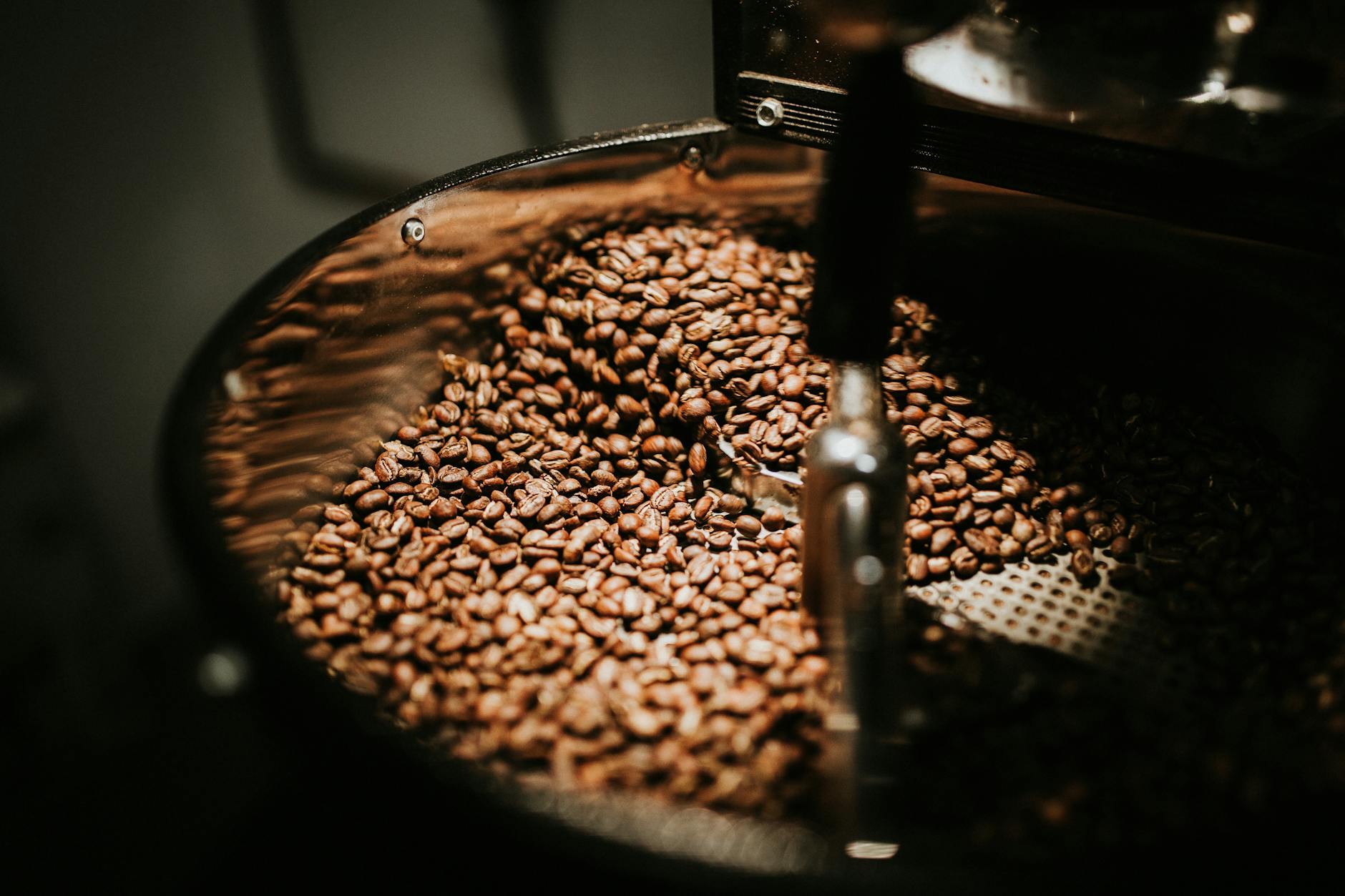
The roast date is one of the most honest pieces of information a coffee brand can share with you. It tells you exactly when those green beans were transformed by heat into the aromatic, complex coffee you're about to brew. From that moment forward, a clock starts ticking. Not in a scary way, but in a way that matters deeply to flavor, aroma, and your overall experience.
Let's break down what that date is actually communicating, why it's often missing from shelves, and how you can use it to become a smarter, more satisfied coffee drinker.
Why Freshness in Coffee Is Not the Same as Freshness in Bread
When most people think about food freshness, they imagine something simple: fresh means good, old means bad. With coffee, it's a little more nuanced than that. Freshness in coffee exists on a spectrum, and understanding where your bag falls on that spectrum changes everything about how you should brew it and what you should expect from the flavor.
Right after roasting, coffee beans go through a process called degassing. During roasting, carbon dioxide builds up inside the beans, and after they come out of the roaster, they release that CO2 gradually over several days. If you try to brew coffee that was roasted just hours ago, the escaping gas can actually interfere with extraction, leading to uneven flavor and a slightly sour or hollow taste. Most specialty roasters recommend waiting at least 24 to 48 hours after roasting before brewing, and for some darker roasts, even a bit longer.
But here's the flip side: once that initial degassing period passes, coffee is at its peak and stays there for a limited window. For whole bean coffee stored properly, that window is roughly 2 to 4 weeks after the roast date. Ground coffee has a much shorter shelf life because grinding dramatically increases the surface area exposed to oxygen, accelerating the staling process.

What Happens to Coffee After Its Peak
Coffee going stale is not a dramatic event. There's no obvious sign, no mold, no off smell that hits you immediately. Staling happens quietly, through a process called oxidation. The aromatic compounds that give specialty coffee its complexity, think notes of citrus, chocolate, stone fruit, or floral brightness, begin to break down when exposed to oxygen over time.
What you're left with is a cup that tastes flat, papery, or just generically "coffee-flavored" without any of the interesting character the roaster worked to preserve. The coffee is technically safe to drink, but it no longer represents the intention behind the craft. It's like reading a book with whole chapters missing.
This is exactly why the roast date matters so much. Without it, you have no way of knowing whether you're buying coffee that was roasted two weeks ago or six months ago. A "best by" date alone doesn't give you that context, because different brands set those windows differently, and many set them generously in favor of shelf life over quality.
So Why Don't Most Brands Include a Roast Date?
Here's where it gets interesting. The short answer is: it's complicated, and a lot of it comes down to business models.
Large commercial coffee brands roast in massive batches and distribute across national or global supply chains. From the moment coffee leaves a roaster to the moment it arrives on a grocery store shelf, weeks or even months can pass. If a brand printed a roast date on every bag, consumers would quickly realize that a lot of mainstream coffee is already quite old by the time they buy it. That's not exactly a great marketing story.
There's also the matter of inventory. Retailers want to sell products across long timeframes without having to pull bags from shelves because a roast date makes them look stale. A "best by" date that's 12 or 18 months out is much friendlier to retail logistics than a roast date that reveals the coffee was roasted many months ago.
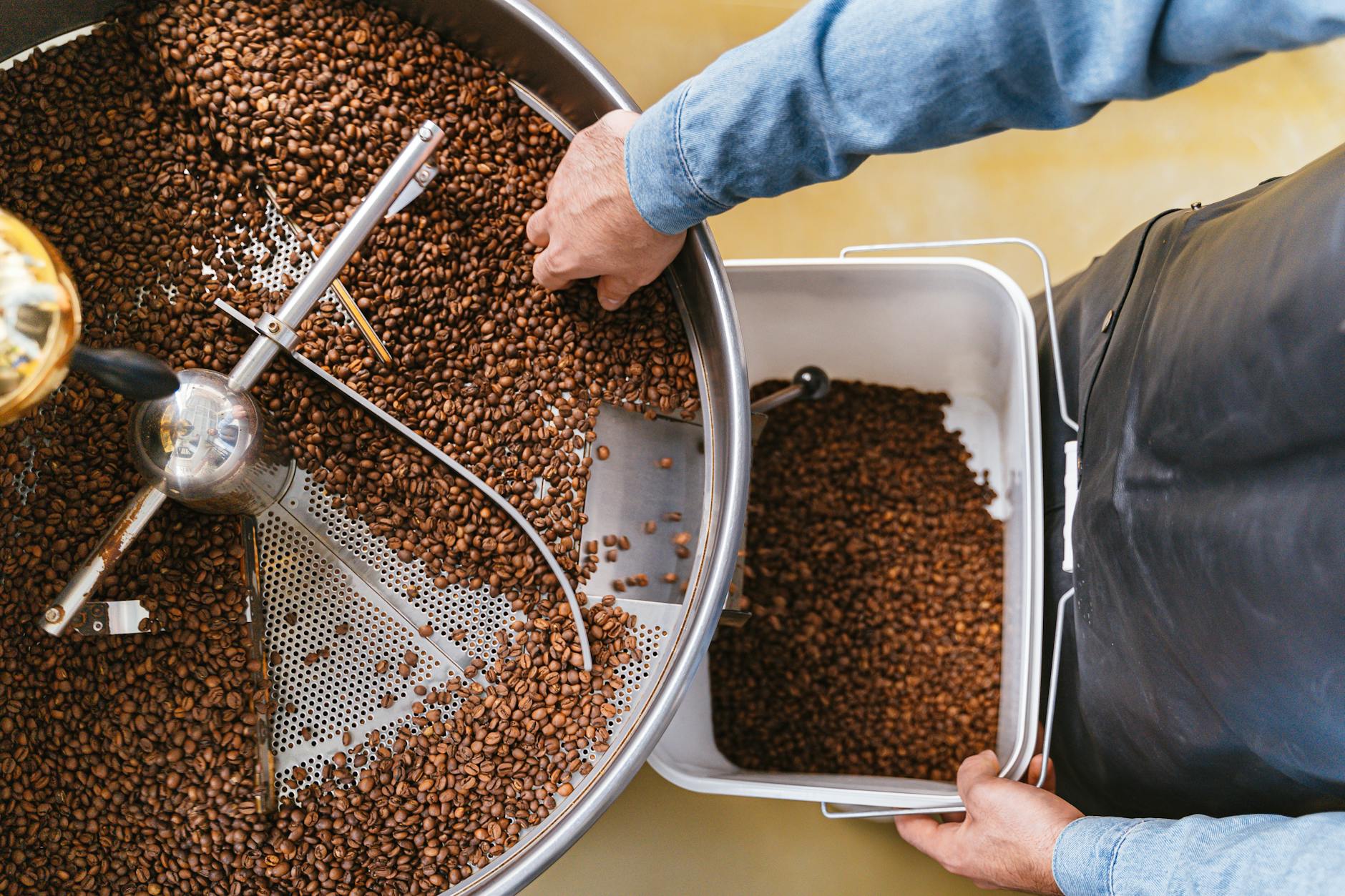
Specialty coffee roasters operate differently. Many of them, including the ones who take their craft seriously, roast in smaller batches and ship directly to customers. That model only works if the coffee is actually fresh, so printing the roast date becomes a point of pride rather than something to hide. It's a signal that says: we roast this coffee specifically for you, and we want you to know exactly when it happened. See what fresh really means when you shop our most popular roasts.
How to Use the Roast Date When You're Shopping
Now that you know what the roast date represents, here's how to put that knowledge to work.
If you're buying whole bean coffee, look for a roast date that falls within the last two to three weeks. That puts you comfortably inside the peak flavor window, with a little room left to enjoy the bag at its best. If you tend to brew slowly over several weeks, buying coffee roasted within the last week gives you the most runway.
If the only date on the bag is a "best by" or "expiration" date, do a little math if you can. Some brands set those windows at six months, some at a year or more from roast. If you can find out the roaster's policy, you can work backward to estimate freshness.
Avoid buying coffee that's been sitting in a clear display bin or in bags that aren't sealed with a one-way valve. Light and oxygen are coffee's two biggest enemies, and exposure to either one accelerates staling significantly. A proper specialty coffee bag should have a valve that lets CO2 escape without letting oxygen in, and it should be opaque or stored away from direct light.
Whole Bean vs. Pre-Ground: How Roast Date Applies to Both
The roast date conversation applies to both whole bean and pre-ground coffee, but the stakes are higher with pre-ground. As mentioned earlier, grinding exposes more surface area to oxygen, which means pre-ground coffee stales much faster, sometimes within days of being ground if it's not stored well.
If you buy pre-ground coffee, look for the roast date just as you would with whole bean, but be prepared to use it quickly. Ideally within one to two weeks of the roast date for the best experience. Airtight storage in a cool, dark place helps, but it can only slow the process, not stop it.
For the best results, grinding your beans fresh before each brew is still the gold standard. A simple burr grinder at home can make an enormous difference in flavor, and once you try it, going back to pre-ground feels like settling.

What a Roast Date Says About the Roaster
Beyond the practical information it provides, a roast date is also a window into the values of the brand you're buying from. Roasters who include it are telling you something important: they believe you deserve to know. They're not trying to obscure the age of their product or extend shelf life at the expense of your experience. They're inviting you into the process with honesty.
That kind of transparency tends to show up in other places too: detailed tasting notes that are actually accurate, sourcing information that tells you where the beans came from and sometimes who grew them, and brewing recommendations that treat you like an intelligent person who wants to make the best cup possible.
When you start paying attention to roast dates, you start paying attention to coffee in a whole new way. You become more curious about the journey from farm to cup, more intentional about how you store and brew, and ultimately more satisfied with what's in your mug each morning.
If you haven't already experienced what truly fresh coffee tastes like, there's no better moment than now. Find your next favorite roast and taste what freshness really means.
All images shown in this blog are sourced from pexels.com.