

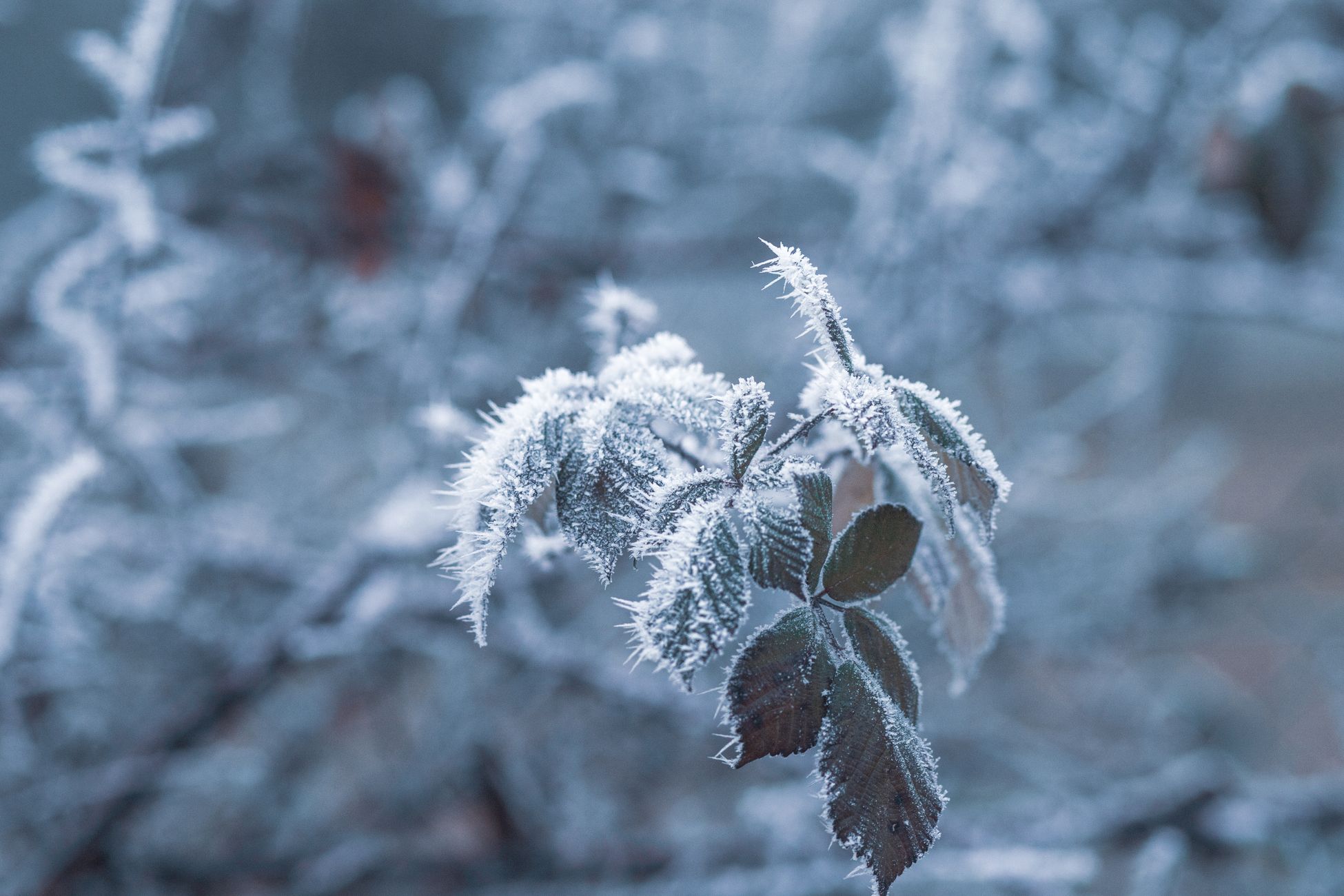
Most people never think about the weather in southern Brazil. But a single cold night there can change what you pay for coffee for years. Brazil grows more coffee than any other country by a wide margin, and when frost hits its coffee regions, the effects ripple through global markets, roasters, and cafes, and eventually land in your morning cup.
Here is why Brazil matters so much, what frost actually does to a coffee tree, and how a cold snap thousands of miles away ends up on your grocery bill.
Explore our most popular coffees
Why Brazil Matters So Much
Brazil produces roughly a third of the world's coffee, far more than any other country. It is the largest producer of Arabica and also a major producer of Robusta, which Brazilians usually call conilon. Its coffee goes into countless blends, from supermarket cans to espresso blends in cafes around the world.
Because Brazil is so large, its harvest sets the tone for the whole market. A good Brazilian crop tends to push coffee prices down. A poor one pushes them up, sometimes dramatically.
Why Frost Is Such A Threat
Coffee is a tropical plant. It grows best in mild temperatures and has almost no tolerance for freezing. When temperatures drop below freezing, ice can form inside the leaves and tender new growth, rupturing cells and killing the tissue.
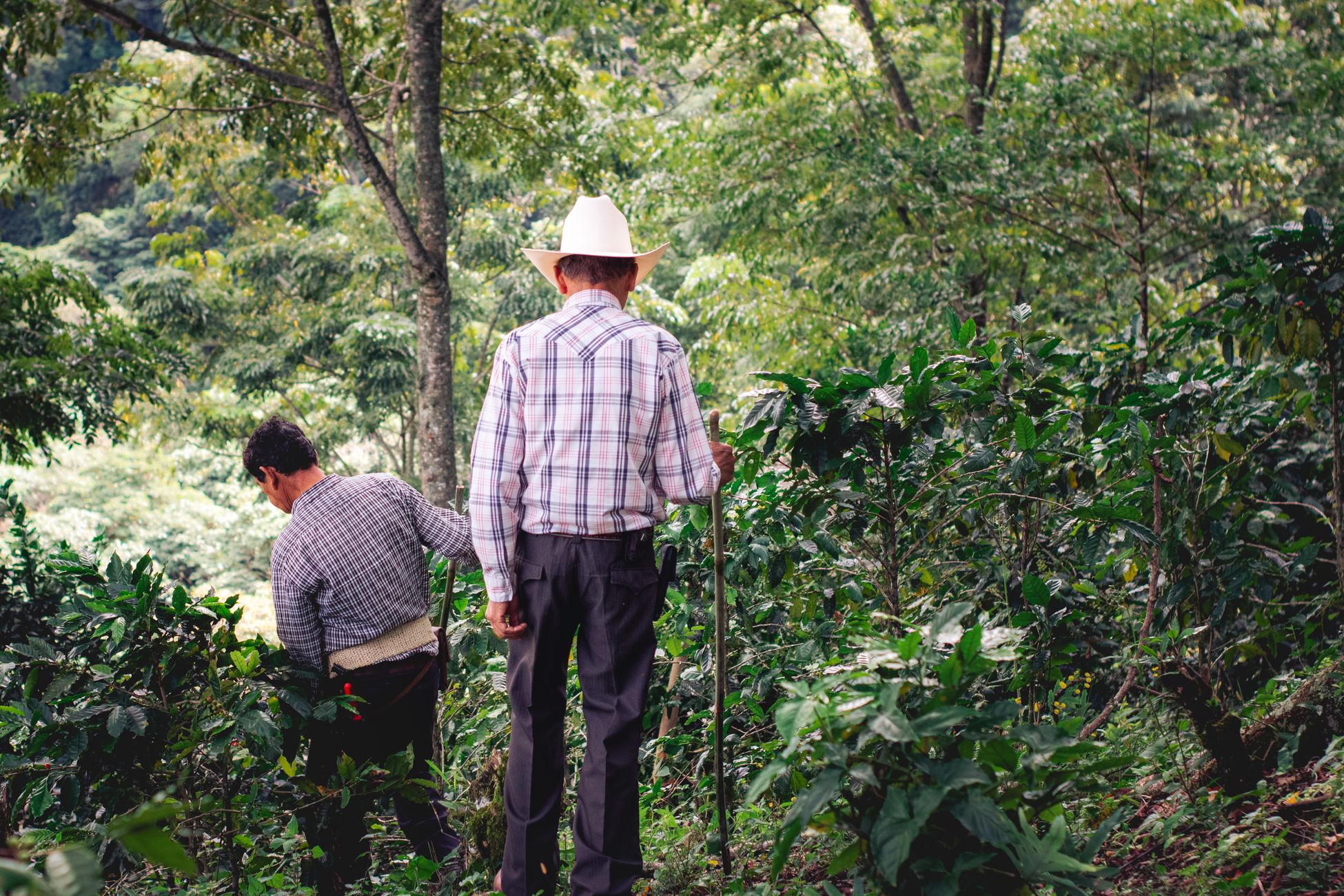
Much of Brazil's Arabica grows in the southern and southeastern states, especially Minas Gerais, São Paulo, and Paraná. These regions sit far enough from the equator that they have real winters. Brazil's winter falls between June and August, right in the middle of the harvest. Most years, winter is cool but mild. Every so often, a mass of cold air pushes up from the south and temperatures drop below freezing overnight.
A light frost may burn leaves and new shoots. A severe frost can kill branches or entire trees. Even when trees survive, frost damages the buds and young growth that would have carried next year's cherries.
Why The Damage Shows Up Next Year
This is the key detail. A frost in July does not mainly hurt the crop being picked that season, since much of it has already been harvested or is nearly ripe. The bigger damage is to the following year's crop.
Coffee trees produce fruit on new growth. When frost kills young branches and leaves, the tree has to spend the next season recovering instead of flowering and fruiting. A badly damaged tree may need to be pruned back hard, and it can take two or three years to return to full production. Trees killed outright must be replaced, and new trees take several years before they give a full harvest.
That delay is why markets react so quickly. Traders know that a severe frost means less coffee for at least a year or two, and they start pricing that shortage in immediately.
The Black Frost Of 1975
The most famous coffee frost struck in July 1975. Known in Brazil as the geada negra, or black frost, it hit the coffee regions of Paraná and São Paulo with temperatures so low that leaves turned black overnight. An enormous share of the trees in Paraná, then one of Brazil's most important coffee states, were damaged or killed.
The impact on prices was dramatic. Over the next two years, world coffee prices more than tripled as the market absorbed the loss. The frost also changed Brazilian coffee for good. Many farmers in Paraná gave up on coffee entirely, and production gradually moved north to Minas Gerais and other regions with less frost risk. Minas Gerais is now the heart of Brazilian coffee.
Find a coffee you can count on, season after season
The Frost Of 2021
In July 2021, Brazil had its worst frost in decades. Cold air swept across Minas Gerais and other growing regions, damaging a significant share of the coffee trees. Coming on top of a drought that had already stressed the plants, the frost sent Arabica prices to their highest level in years.
Many roasters raised prices over the following months. The effects lingered as damaged trees recovered slowly, and later droughts kept supplies tight. By 2024 and 2025, poor weather in Brazil and other producing countries had pushed Arabica prices to record highs.
How A Frost Reaches Your Cup
Coffee is traded globally as a commodity, with a benchmark price for Arabica set on the futures market in New York, usually called the C price. When frost hits Brazil, traders expect a shortage and the C price rises, sometimes within hours of the first reports.
That change does not hit grocery shelves right away. Roasters often buy green coffee months in advance and may hold contracts at older prices. But as they buy new coffee at higher prices, those costs eventually pass through to wholesale and retail prices. Supermarket coffee, which relies heavily on large volumes of Brazilian beans, tends to feel these swings most directly.
What It Means For Specialty Coffee
Specialty coffee feels it too, but differently. High quality coffees are often bought well above the C price, based on quality, relationships with producers, and the reputation of a specific farm or region. When the C price spikes, specialty prices do not always rise by the same amount, but they usually rise. Many specialty contracts are set as a premium above the C price, so the market price still acts as a floor.
Frost also affects specialty coffee through supply. When Brazil's crop falls, buyers who relied on Brazilian beans for their blends look elsewhere, which increases demand for coffee from other origins. That ripple can raise prices across many countries, not just Brazil.
Why Farmers Feel It Most
Price spikes might sound good for farmers, but a frost is usually a disaster for the people it hits. A farmer whose trees were damaged has less coffee to sell, even if prices are high. Recovery takes years and money. Meanwhile, farmers in regions the frost missed may benefit from higher prices, at least for a while.
Climate change is making all of this less predictable. Frost, drought, and unusual rainfall are becoming harder to forecast, and coffee growing areas are shifting as farmers look for higher, cooler, or more stable land.
What You Can Do As A Coffee Drinker
You cannot control the weather in Minas Gerais, but you can make your coffee budget go further when prices climb. Buy whole beans and grind them fresh, so none of what you pay for goes stale in the cupboard. Weigh your coffee instead of scooping it, which keeps you from using more than you need. Buy amounts you will finish in a few weeks, so nothing gets thrown out.
It also helps to buy from roasters who are open about where their coffee comes from. When a roaster can tell you the farm, the region, and the processing method, you know the price reflects the coffee itself and not just the swings of a commodity market.
Why It Matters To You
The next time the price of a bag of coffee changes, there is a good chance the weather somewhere played a part. Coffee is an agricultural product, grown by people who depend on rain, sun, and mild nights. A single cold night in Brazil can be felt in kitchens around the world.
At Solude, we think knowing where your coffee comes from makes every cup more meaningful. We air roast our coffees in small batches to bring out the character each farm and region worked so hard to produce.
All images shown in this blog are sourced from pexels.com.