

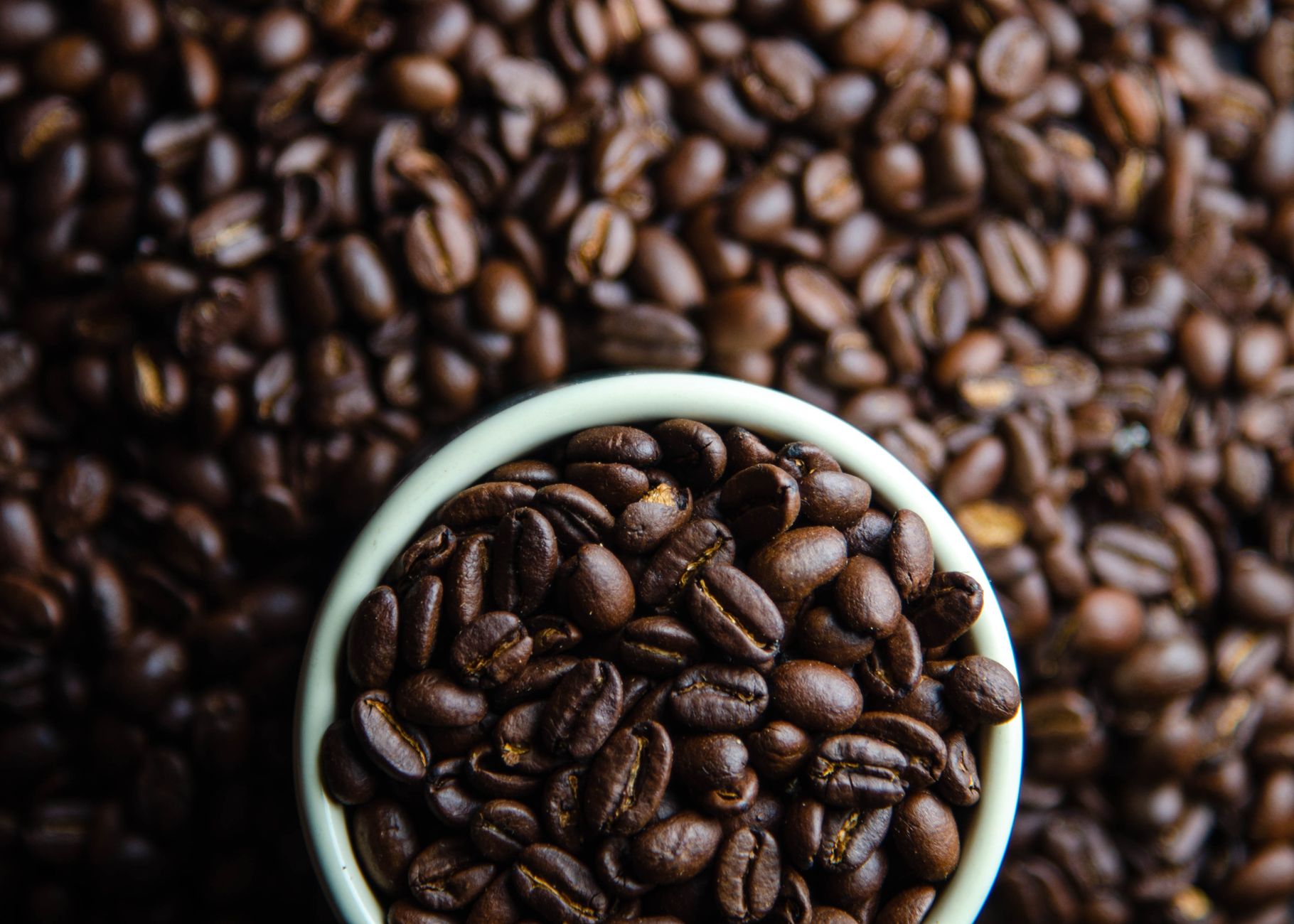
Smoky is one of the few coffee descriptors that sounds appealing and usually is not. People see it on a bag and think of barbecue, of smoked whiskey, of campfire, all things that are genuinely good. Then they buy the coffee and find it harsh and ashy in a way that does not resemble any of those.
The industry term for what is happening is dry distillation, and it describes a specific set of compounds that form when organic material is heated past the point where it is cooking and into the point where it is decomposing. On a professional cupping form, dry distillation notes are almost always logged as a defect rather than a flavor attribute.
There is a narrow band where these notes contribute something useful, and a much wider band where they mean a roast went wrong. Knowing the difference stops you from buying coffee that was sold to you as intense when it was simply overcooked.
If you have been drinking smoky coffee and assuming that is what coffee tastes like, browse our most popular roasts and taste what a coffee developed rather than burnt actually gives you.
What Dry Distillation Actually Means
Dry distillation, also called destructive distillation or pyrolysis, is what happens when you heat an organic material in the absence of enough oxygen for it to simply burn. Instead of combusting cleanly, the material breaks apart into smaller volatile compounds that boil off, leaving carbon behind.
This is how charcoal is made. It is how wood tar and creosote are produced. And in a coffee roaster, it is what begins happening to the bean's structural material once the temperature climbs past the range where sugars are caramelizing and into the range where cellulose and lignin start decomposing.
The compounds that come off are a recognizable family. Phenols, guaiacols, and syringols, which carry smoky and medicinal notes. Furans, which contribute burnt sugar and acrid qualities. Pyridines, which are harsh and somewhat unpleasant on their own. Various polycyclic compounds that read as tar.
Some of these appear in trace amounts in any roast and contribute to the general sense of roastiness that makes coffee taste like coffee. That is the narrow useful band. Past a certain concentration, they dominate, and what you taste is not the coffee anymore. It is the destruction of the coffee.
Where It Sits On The Roast Timeline
Roasting moves through distinct chemical phases and they overlap at the edges.
The drying phase removes moisture. Nothing browns, nothing tastes like much yet.
The Maillard phase is where amino acids and reducing sugars react to build hundreds of aromatic compounds and the brown color. This is where most of the complexity in a good coffee comes from.
Caramelization overlaps and continues past it, breaking down sugars into compounds that carry sweetness, body, and the nutty and chocolate notes people look for.
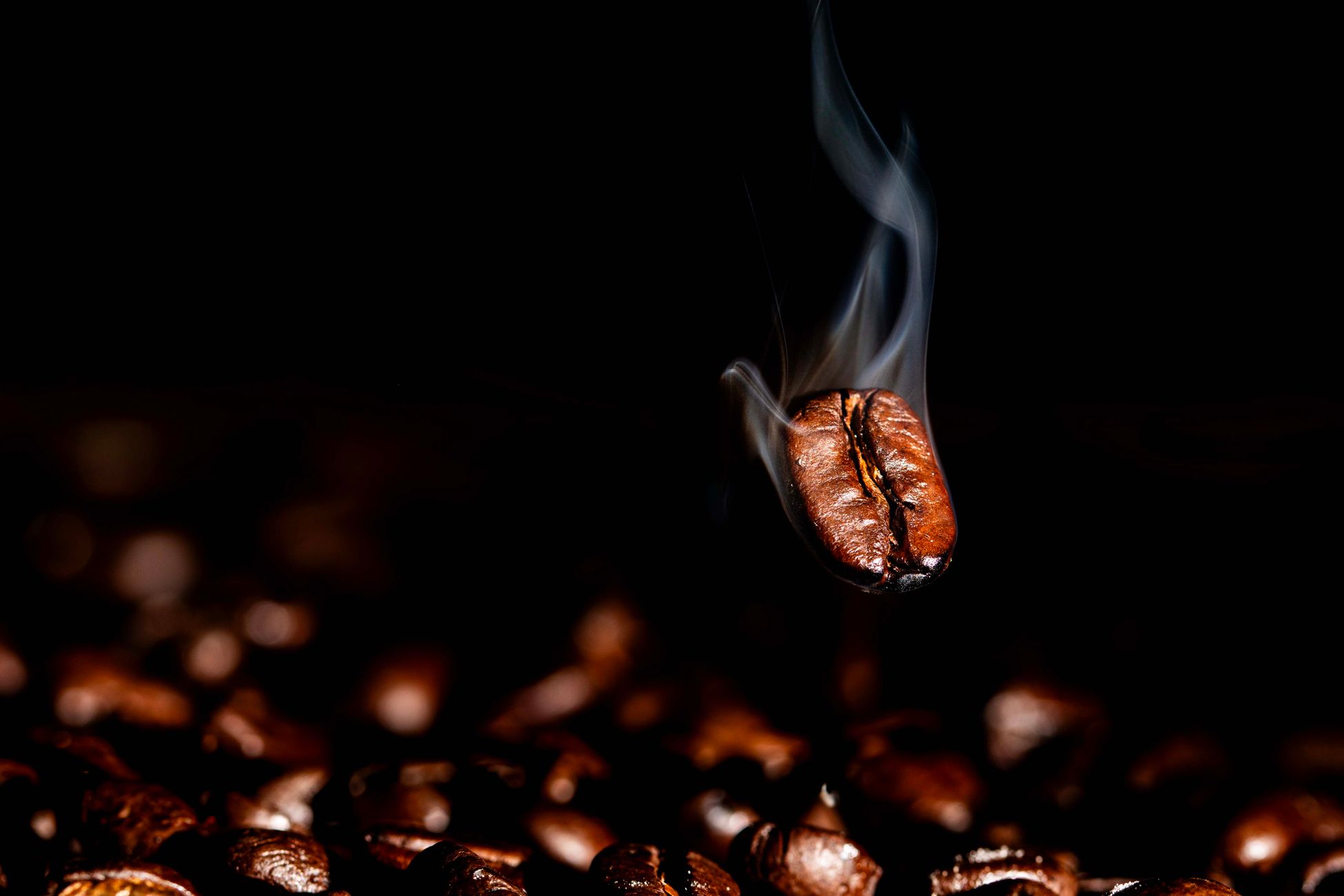
Then, if heating continues, carbonization begins. The sugars that were caramelizing have been consumed. The structural components of the bean start decomposing. This is dry distillation territory, and every second spent here trades developed flavor for burnt flavor.
The transition is not a hard line. Some dry distillation compounds start forming before caramelization is finished, which is why a coffee can have both real sweetness and a faint smoke note. But past second crack, the balance tips fast, and past a certain point there is nothing left but char.
Why Some Roasters Go There Anyway
Dark roasting to the point of noticeable dry distillation is a legitimate stylistic choice in some traditions, and it is worth acknowledging that before treating it as pure failure.
A very dark roast produces a consistent product. Origin character is erased, which means the roaster can substitute green coffee freely without customers noticing. For a large operation buying commodity lots that vary batch to batch, that consistency is commercially valuable.
It also produces a flavor that cuts through milk and sugar. A latte made with a light roast can taste washed out. A latte made with a dark roast delivers a recognizable coffee flavor through eight ounces of dairy. Some very successful coffee businesses were built on exactly this.
And there are drinkers who genuinely prefer it, having grown up on it. Taste preference is not a thing to argue with.
What is worth pushing back on is the framing. Dark roast is sometimes sold as bold, or strong, or as the choice for people who are serious about coffee. It is not stronger in caffeine, it is not more intense in the sense of having more going on, and it is usually a choice that removes information rather than adding it.
The Defect Version, Which Is Different
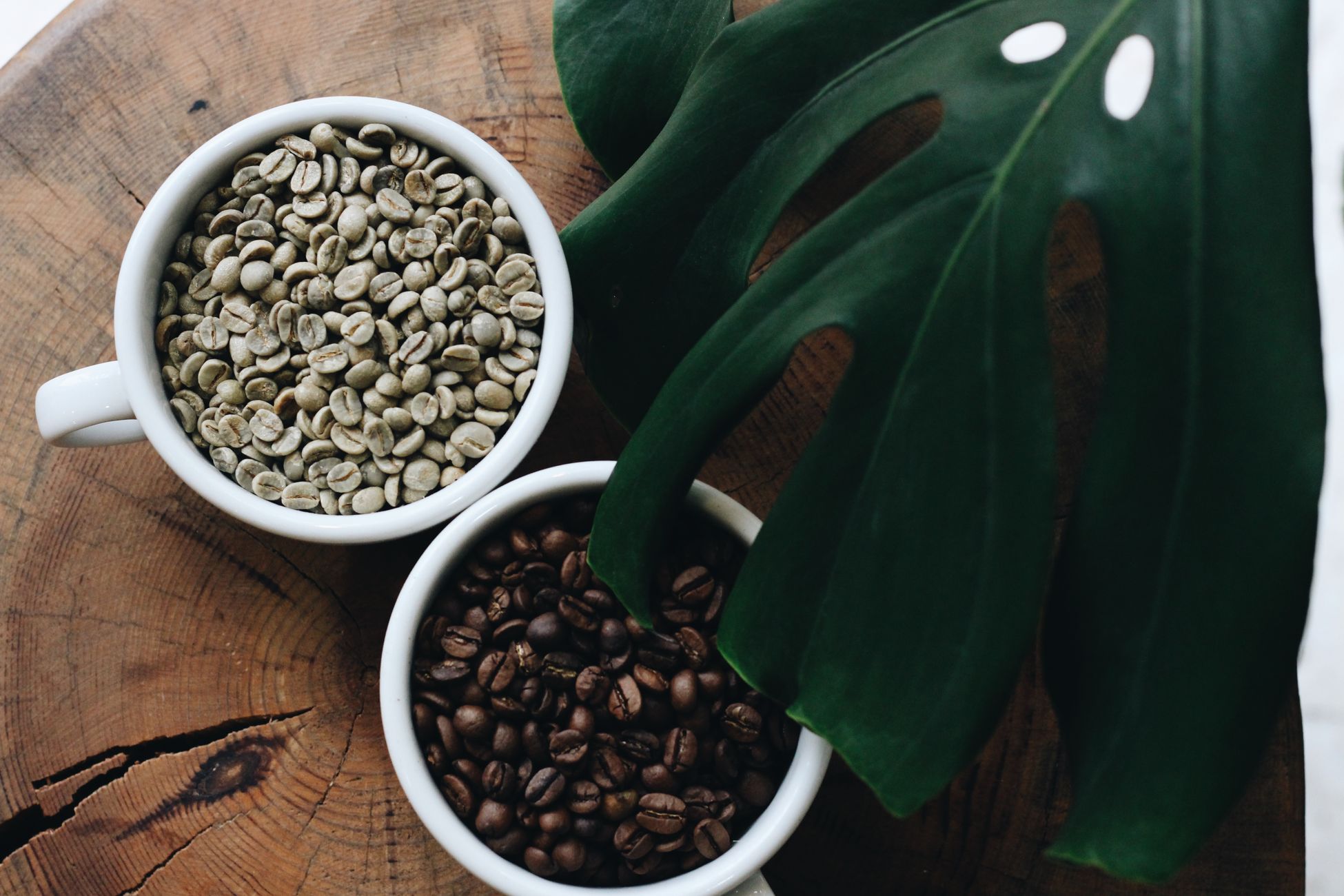
Deliberate dark roasting is one thing. Dry distillation notes showing up in a coffee that was not meant to be dark is a straightforward defect, and it has specific causes.
Scorching happens when a bean makes contact with a roaster surface that is much hotter than the bean. The contact point carbonizes locally while the rest of the bean is still developing normally. You get a coffee that reads as medium by color and carries an ashy note from the burnt facets. In a drum roaster this comes from a charge temperature that was too high, or from a batch too small to keep the beans moving away from the wall.
Tipping is the same mechanism at the ends of the bean, where the tips are thinner and heat faster. Small dark burn marks at the bean tips are visible if you look, and they contribute a sharp burnt quality out of proportion to how little material is actually affected.
Facing is a related defect where a flat charred face develops on one side.
All three come from conduction, meaning direct contact with hot metal, and all three are much less common in air roasting because the beans are suspended in a stream of hot air with no significant contact surface. Heat arrives by convection from all directions at once, so there is no localized hot spot to carbonize a patch of bean while the interior is still coming along. For a roaster trying to reach full development in a dense bean without introducing burnt notes, that removes the most common way it goes wrong.
The other defect cause is simply overshooting. A roaster who loses track, or whose machine has thermal lag they did not account for, can push past the target and into carbonization in seconds. Second crack comes fast and the window between developed and burnt is narrow.
Start with a roast that stopped at the right moment and the difference is obvious in the first sip.
How To Tell Real Smoke From Char
Not all smoky impressions are dry distillation, and telling them apart is a useful skill.
Some coffees genuinely have smoky notes from processing or origin. Certain dry processed coffees develop a faint smokiness from the drying environment. Coffees dried near wood fires, which happens in some producing regions, can pick up actual smoke. Some Sumatran and Indonesian coffees carry a cedar or tobacco quality that gets described as smoky and comes from the wet hulling process rather than the roast.
These read differently. Process derived smoke tends to be integrated with the rest of the cup, sitting alongside sweetness and body, and it has a specific character, cedar or tobacco or woodsmoke.
Dry distillation char sits on top of everything. It arrives first, it dominates the finish, and it comes with a dry ashy sensation on the palate afterward. It also flattens whatever was underneath, so the cup has less dimension rather than more.
The clearest test is temperature. Let the cup cool. Real complexity, including process derived smoke, becomes more distinguishable as coffee cools and your palate can pick up more detail. Char gets worse. A coffee that was tolerable hot and is genuinely unpleasant at room temperature was carrying carbonized material you could not fully perceive while it was too hot to taste.
What It Does To Brewing
Coffee with significant dry distillation compounds behaves differently in the brewer, and adjusting for it helps a little.
These compounds are highly soluble and extract early and readily. That means a dark roast over extracts faster than a light one at the same settings, and the bitter compounds arrive sooner.
Practically, grind coarser than you would for a lighter coffee, use water below boiling, around 195, and shorten contact time. Milk genuinely helps, because the fats and proteins bind some of the harsh compounds and soften the perception.
None of this recovers flavor that was destroyed in the roaster. It reduces how much of the char you extract, which makes a compromised coffee more tolerable, but there is no technique that brings back the caramelized sugars that were consumed.
What To Do With The Information
The useful takeaway is diagnostic. If a coffee tastes smoky or ashy, ask whether that was intended.
Check the roast color. If the beans are very dark and oily, the smoke is a stylistic choice and you now know whether you like that style.
If the beans look medium and the cup tastes ashy, something went wrong. Look for tipping at the bean ends or flat scorched faces. That is roast damage, and it means the roaster's process has a problem, not that the coffee was supposed to taste that way.
Either way, it is information about a roaster rather than about coffee in general. A lot of people who think they dislike coffee have only ever had it dry distilled.
All images shown in this blog are sourced from pexels.com.