


You can describe a coffee's flavor to someone and get most of the way there. Say it tastes like plum and brown sugar and they will nod along, because those are reference points everyone shares. But try describing how a coffee feels in your mouth and the words run out fast. Thin. Heavy. Silky. Syrupy. Round. These are the terms we borrow from other foods because coffee never developed its own vocabulary for the thing that might matter most to whether you enjoy the cup.
That feeling has a physical cause, and most of it comes down to fat. Coffee beans contain oils, and those oils carry a huge amount of what you experience as texture. A cup with more of them coats your tongue and lingers. A cup with fewer feels clean and quick, almost like tea. Neither one is better. But knowing which lever controls it means you stop guessing why one brew feels luxurious and the next feels like it evaporated before you swallowed.
Most people never adjust for this because they do not realize it is adjustable. They buy a coffee, brew it the one way they know, and decide the coffee is either good or not. If you want to stop leaving texture to chance, start with beans roasted to preserve their character and work from there. Explore our most popular roasts and pay attention to how the same bag feels through different brewers.
What Is Actually In A Coffee Bean Besides Flavor
A green coffee bean is roughly ten to fifteen percent lipids by weight. That is a significant fraction, and it varies by species and by growing conditions. Arabica carries more lipid content than robusta, which is one of several reasons arabica cups tend to feel rounder and less harsh. Within arabica, beans grown at higher altitudes and harvested from denser cherries generally hold more.
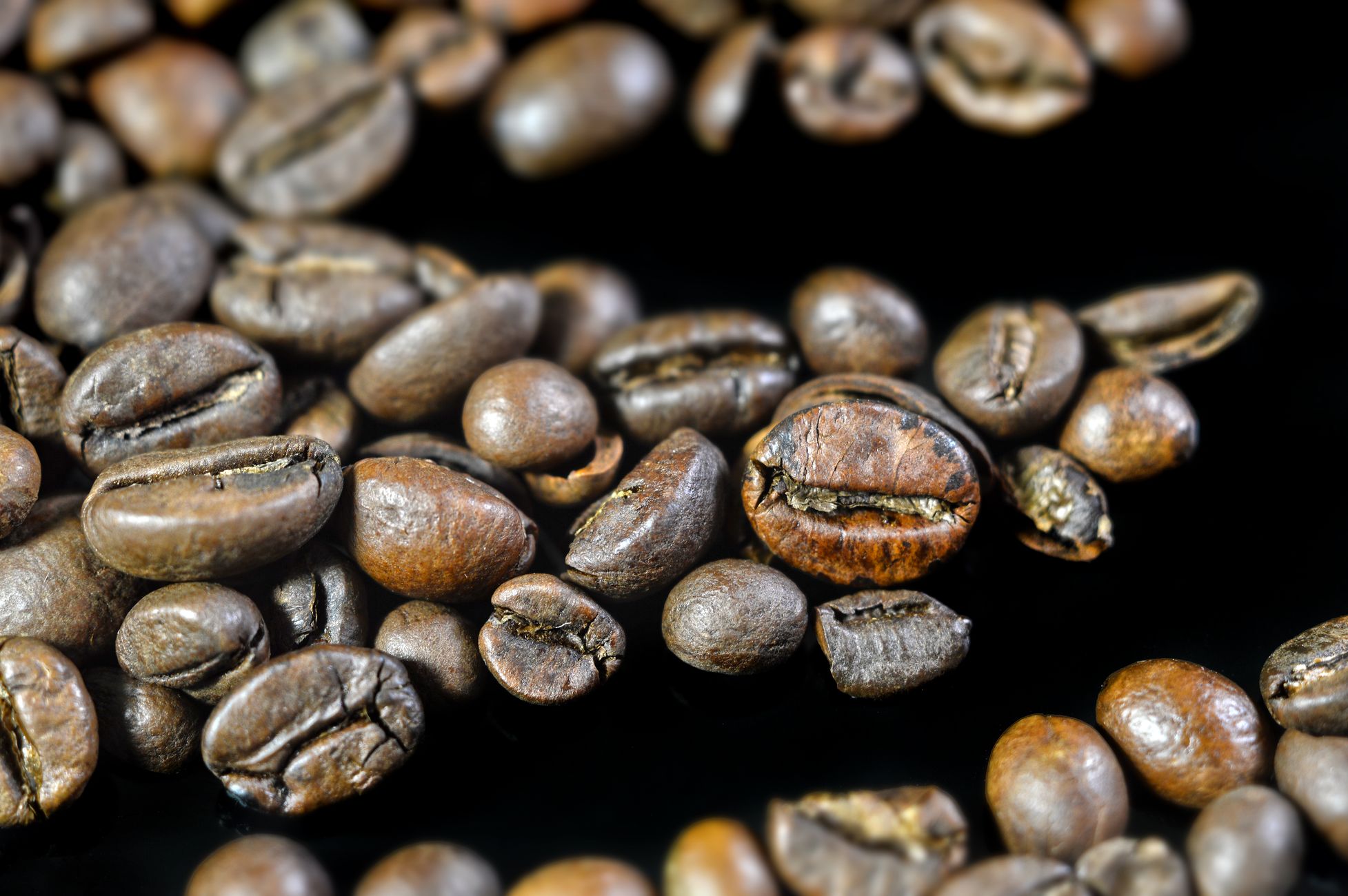
These lipids live mostly inside the cell structure of the bean, not on the surface. Roasting changes that. As the bean heats and internal pressure builds, the cellular walls rupture and oils migrate outward. In a light roast they mostly stay put. In a darker roast they push all the way to the surface, which is why a French roast looks glossy and a light roast looks matte and dry.
That visible sheen confuses people. They see oil on a dark roast and assume it will brew a heavier cup. Sometimes it does. But the oil on the outside of a dark roast has been exposed to air since the moment it surfaced, and oxidized oil tastes rancid, not rich. The lipids doing good work for you are the ones still protected inside the bean when you grind it.
Why Fat Changes How Your Mouth Reads A Liquid
Your tongue does not have a receptor for texture the way it has receptors for sweet or sour. What you perceive as body is a combination of viscosity, particle load, and how long a coating stays on the surfaces of your mouth after you swallow. Lipids contribute to all three.
Fat molecules do not dissolve in water. They suspend in it, forming an emulsion, and that emulsion scatters light and slows the liquid down at a microscopic level. When you drink a coffee with a high lipid load, some of that fat deposits on your tongue and the roof of your mouth. It stays there for a moment after the liquid is gone. That lingering film is a large part of what people call finish.
This is also why fat carries flavor so well. Many aromatic compounds in coffee are fat soluble rather than water soluble. They bind to the lipids and get released slowly as the coating breaks down. A coffee with the oils removed does not just feel lighter. It delivers its aromatics in a shorter, sharper burst and then stops. You get clarity instead of persistence.
What A Paper Filter Actually Removes
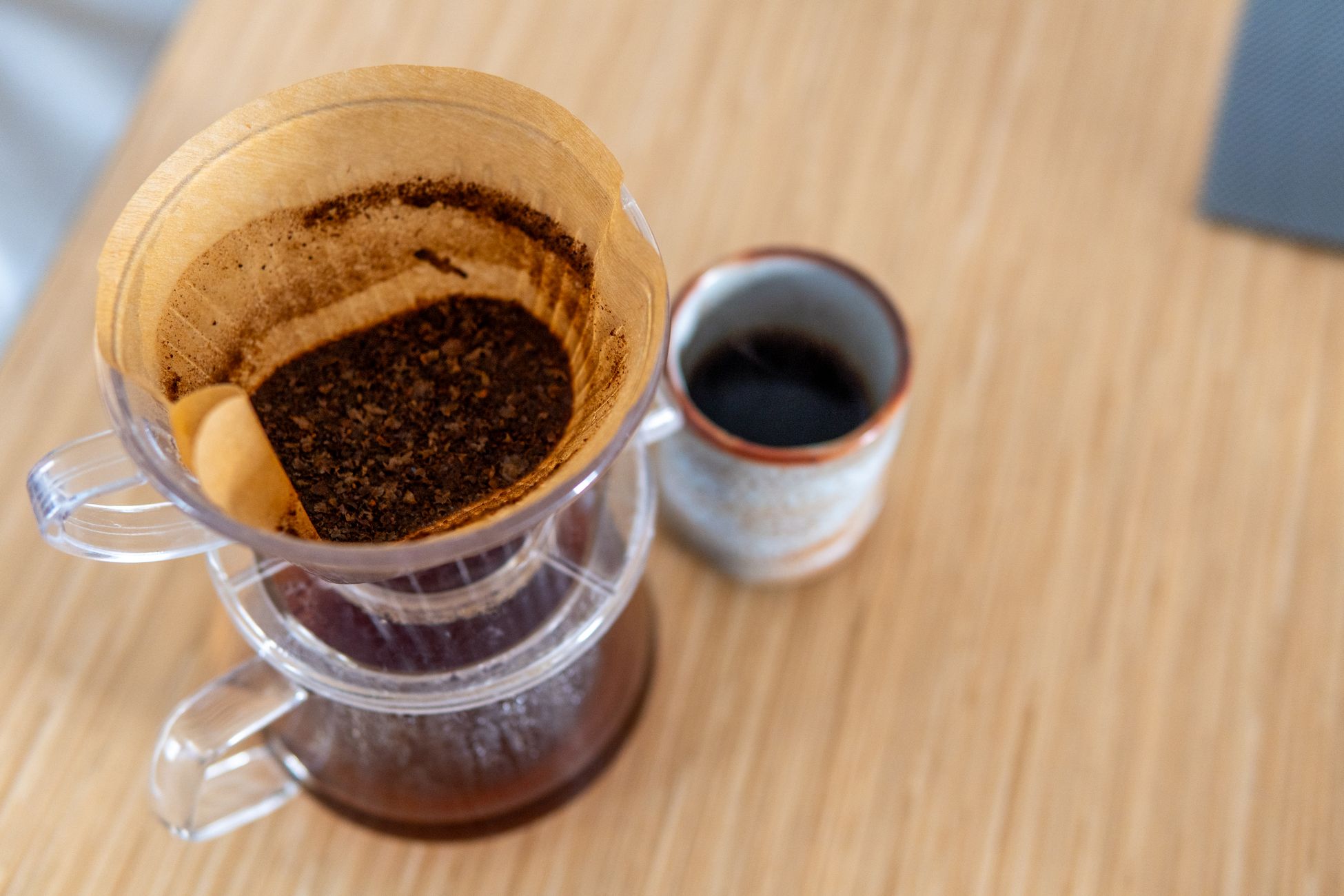
Paper is the single biggest variable here, and it is the one most home brewers control without realizing what they are trading.
A standard paper filter for pour over or drip has pores small enough to catch the majority of suspended lipids along with nearly all the fine coffee particles. The liquid that comes through is remarkably clean. Under a microscope there is very little floating in it. In the cup that reads as transparency, brightness, and a crisp finish that ends cleanly instead of trailing off.
You lose something for that. A paper filtered cup will almost never feel heavy. You can push the ratio, grind finer, and extract harder, and it will taste stronger, but the texture stays light. Strength and body are separate properties, and paper caps one of them regardless of what you do to the other.
This is not a flaw. For a delicate washed Ethiopian where the appeal is floral aroma and tea like clarity, paper is the correct choice. The filter gets out of the way of exactly what makes that coffee interesting. Choosing paper is choosing a priority, not settling for less.
What Metal Lets Through Instead
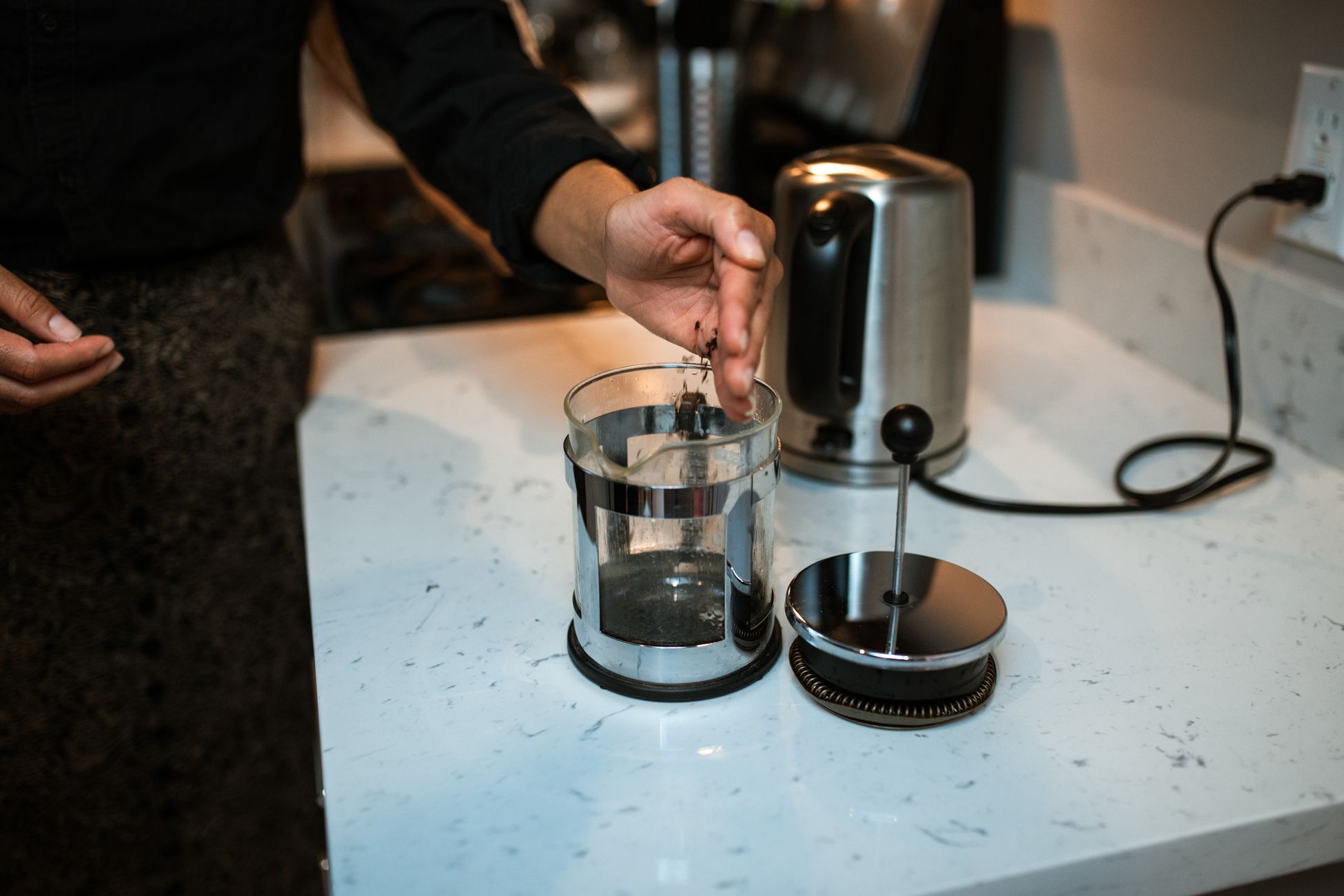
A metal filter, whether it is the mesh screen in a French press or an etched disc in a pour over cone, has openings many times larger than paper pores. Lipids pass right through. So do fine particles, the ones the industry calls fines, which are microscopic fragments produced by any grinder no matter how good it is.
Both of those change the cup. The oils bring the coating and the persistence. The fines add turbidity, and suspended solids contribute their own perception of weight. A French press cup is cloudy if you hold it to the light, and that cloudiness is doing real work on how it feels.
The tradeoff runs the other direction. Those same fines keep extracting after you pour, which is why a French press left sitting turns bitter faster than a drip pot. And the oils, while they carry flavor beautifully, also carry the compounds responsible for a slightly muddled quality. You gain weight and lose definition. A coffee with a lot of distinct, separate flavor notes can blur into something more unified.
Where Cloth Sits Between The Two
Cloth filters, once standard and now mostly a specialty item, land in an interesting middle. A tightly woven cotton or flannel filter catches most of the fines but lets a meaningful portion of the lipids through. You get a cup with the clarity of paper and noticeably more body than paper allows.
This is why some cafes went back to cloth for specific coffees. It is a genuinely different result, not a nostalgia play. The catch is maintenance. Cloth holds onto oils between uses, those oils go rancid, and a poorly maintained cloth filter will make every coffee taste stale. They need rinsing in hot water after every use and storage in the refrigerator or freezer if you are not brewing daily. Most people will not keep that up, which is the real reason paper won.
Why Espresso Is A Different Case Entirely
Espresso deserves its own discussion because the mechanism is not the same. An espresso shot has high body, but it is not simply because the metal basket passes oils, though it does.
Under nine bars of pressure, coffee oils do not just pass through. They emulsify. The pressure forces them into suspension as droplets small enough to stay dispersed rather than separating out. That emulsion is a large part of what crema is, and it is what makes a shot feel thick in a way no filter coffee ever does at the same concentration.
This is why an espresso pulled through a paper filter, which some people do experimentally, changes character completely. It gets cleaner and tastes more like a very concentrated pour over. The recognizable espresso texture is a pressure effect on lipids, not a filtration effect.
Find a roast that suits how you brew and the texture question mostly solves itself.
How Roast Level Interacts With All Of This
Roast level and filtration are not independent. They stack.
A light roast has its oils mostly locked inside the bean structure. Even with a metal filter, less lipid content makes it into the water during a normal brew, because the cellular walls have not been broken down as thoroughly. This is part of why light roasts can feel thin in a French press when people expect the press to fix that. The press will pass whatever oils the brew liberates, but the roast did not liberate many.
A medium roast has opened the structure enough that oils extract readily but has not yet pushed them to the surface where they oxidize. For body, this is usually the sweet spot, and air roasting helps here because the even heat application means the whole batch reaches that structural point together instead of some beans arriving early and scorching while others lag.
A very dark roast has plenty of surface oil but the cellular structure is so degraded that much of what you extract is carbonized material rather than intact lipid. The cup can feel heavy in a flat, one dimensional way that reads more as sludge than as body. Heavy and rich are not the same thing.
What To Actually Do With This
If you want more body from a coffee you already like, the fastest change is the filter, not the beans. Try the same coffee in a French press or with a metal disc in your dripper before you conclude the coffee is thin.
If you want more clarity from a coffee that tastes muddy, go the other way. Paper filter it. A coffee that seemed heavy and indistinct can reveal separate flavor notes you could not pick out through the oils.
If you use paper and want a little more weight without abandoning it, skip the rinse on a bleached filter occasionally and pour slightly higher, or try bypassing a small amount of your brew water so the coffee you do extract is more concentrated. These are small adjustments but they move in the right direction.
And if a coffee you love feels different than it did last month with no change in your method, check the roast date. Lipids oxidize. A bag that is two months past roast will have lost some of its textural quality even if it still smells fine, and no filter choice recovers that.
Texture is not an afterthought to flavor. For a lot of drinkers it is the thing they actually respond to, even when they describe it in flavor terms. Once you know it is mostly fat and mostly under your control, you stop accepting whatever the cup gives you.
All images shown in this blog are sourced from pexels.com.