

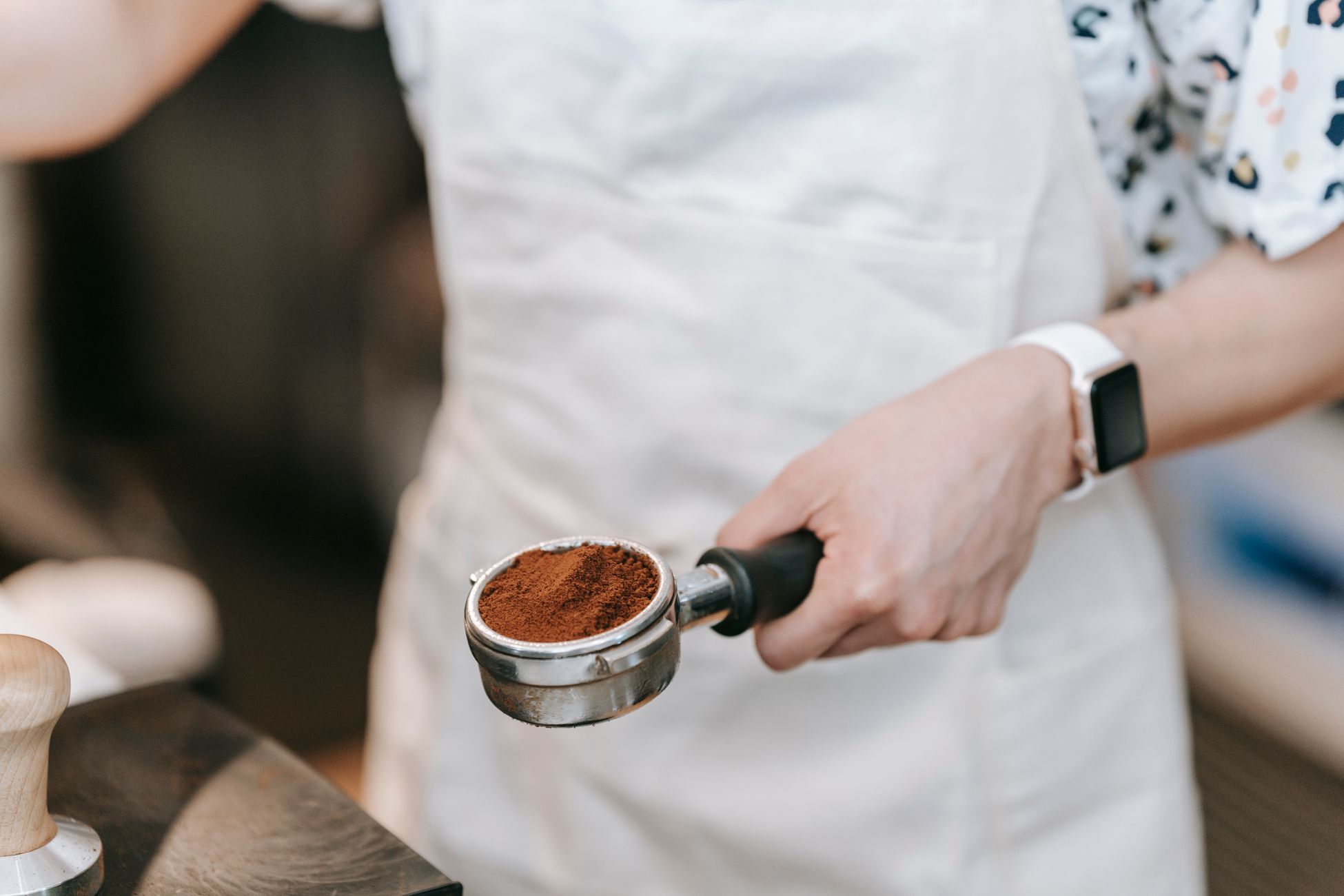
Every espresso machine ships with a portafilter that has one or two spouts underneath. The spouts gather the coffee flowing out of the basket and direct it neatly into your cup. They are tidy, familiar, and they hide almost everything that matters about how your shot is actually extracting. A bottomless portafilter, sometimes called a naked portafilter, removes the spouts entirely and leaves the bottom of the basket exposed. Suddenly you can see the whole story.
For home baristas who are serious about improving, this one inexpensive swap teaches more than any other piece of gear. It does not make the coffee taste better on its own. What it does is show you, in real time, exactly where your preparation is going wrong so you can fix it.
Explore our most popular coffees
What A Spouted Portafilter Does To The Picture
When espresso flows out of a basket, it does not emerge as a single stream. It seeps through hundreds of tiny holes across the entire bottom surface. Each of those holes represents a slightly different path the water took through the puck. In a perfect shot, the coffee emerges evenly across the whole basket, gathers into a single point at the center, and pours as one cohesive stream.
A spouted portafilter collects all of that output in a small chamber under the basket and blends it before it reaches the spouts. If the left side of the puck extracted beautifully and the right side had a channel pouring out pale, watery coffee, the spouts mix the two and hand you one stream that looks fine. You taste the problem, but you cannot see where it came from. The spouts also hold a small amount of coffee in that chamber, which can be slightly cooler and carries over a little residue from the last shot.
What You See With The Bottom Removed
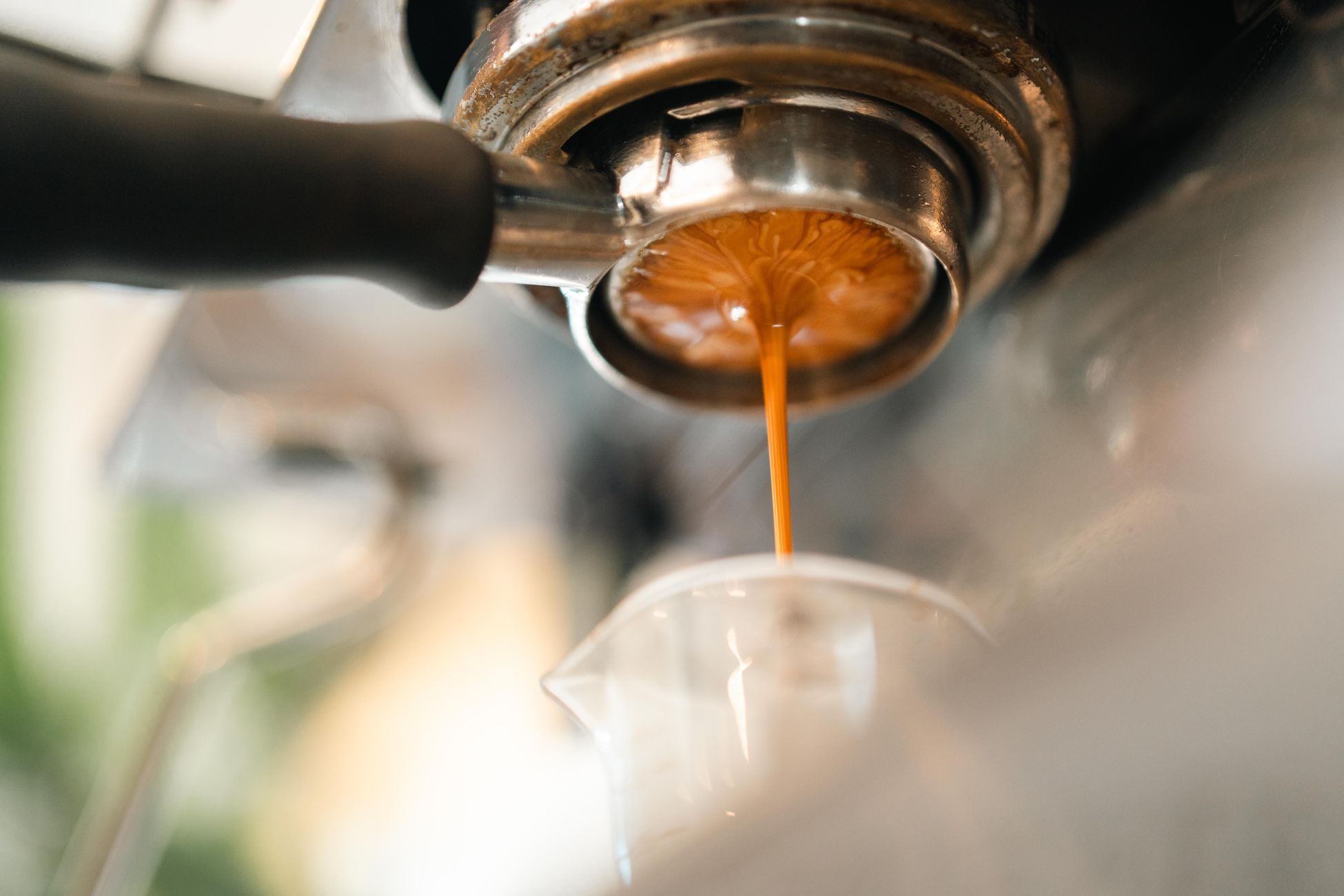
The first time you pull a shot with a bottomless portafilter, watch the basket instead of the cup. Within a few seconds of the pump starting, dark beads of coffee should appear across the entire bottom, roughly at the same time. Those beads grow, merge, and gradually draw toward the center into a single thick stream, often with a tiger striped pattern of darker and lighter coffee swirling together. As the shot progresses the stream lightens in color, thins slightly, and eventually turns blonde, which is your cue to stop.
That is what good extraction looks like. Now here is what the bottomless portafilter reveals when something is off.
Channeling appears as a jet or spray from one spot on the basket while the rest stays dry or barely drips. Water found a path of least resistance through the puck, raced through it, and over extracted that narrow channel while under extracting everything else. It usually looks like a thin stream shooting out at an angle, and it often sprays coffee across your machine. The shot will taste both sour and bitter at once.
Uneven starts show up when one side of the basket beads up several seconds before the other. That means the puck is denser on one side, usually because the grounds were distributed unevenly before tamping or the tamp itself was tilted.
Dead spots are patches of the basket that never produce any coffee. The grounds there were packed too tightly or clumped, and water simply went around them. Everything that was in that patch is wasted.
Donut extraction is when the coffee flows from the outer ring of the basket but the center lags behind, or the reverse. It points to how the grounds were distributed, and it often responds to a change in how you stir or tap the basket before tamping.
Find a coffee worth dialing in from our collection
Why Prep Is The Real Lesson
Every one of those faults traces back to what happened before the water touched the coffee. Dose, distribution, and tamp. A spouted portafilter lets you get away with sloppy prep because you never see the consequences directly. A bottomless portafilter punishes it instantly and visibly, which is exactly why it is such a good teacher.
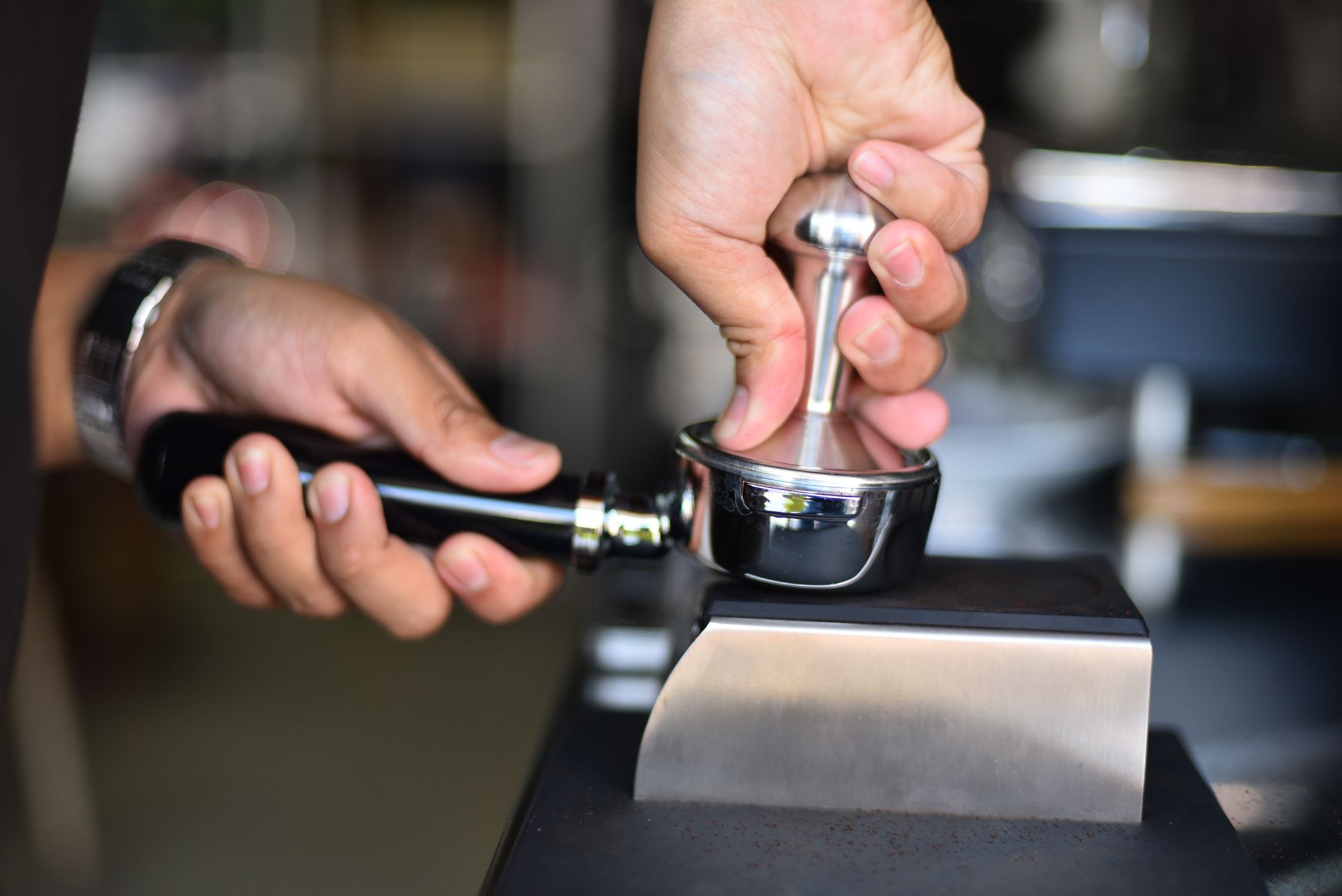
Once you can see the problem, the fixes are straightforward. If your shots spray, your grounds are clumping or your tamp is uneven. Break up clumps with a distribution tool or a needle, and tamp with your elbow directly over the basket so the pressure is level. If one side starts early, check that your grinder is not dumping grounds into one corner of the basket, and settle the bed with a few gentle taps before tamping. If you get a donut, change how you move the grounds around the basket before tamping.
Within a week or two of pulling shots this way, most people find their prep becomes consistent almost automatically. The visual feedback is immediate and impossible to ignore, so your hands learn the right habits faster than they ever would from tasting alone.
What It Does Not Do
It is worth being clear about what a bottomless portafilter is not. It is not a flavor upgrade. If your prep is already excellent, a shot pulled bottomless and a shot pulled through spouts will taste essentially the same. Some people argue that skipping the spouts preserves a little more crema and keeps the coffee a touch hotter, and there is some truth to that, but the difference is small.
It is also not a fix for problems upstream of the portafilter. Stale beans, a grinder that produces inconsistent particle sizes, or a machine with unstable temperature will all produce mediocre shots no matter what the bottom of the basket looks like. The bottomless portafilter shows you how water moved through the puck. It cannot tell you whether the coffee was good to begin with.
And it is messier. Until your prep is solid, expect coffee on the drip tray, the counter, and occasionally your shirt. That mess is information, but it is still mess.
Choosing One And Getting Started
Bottomless portafilters are available for nearly every machine, from entry level home units to commercial equipment. Make sure you buy one that matches your machine's group head size, since 58 millimeter is common but far from universal. Many come with a basket included, and pairing your bottomless portafilter with a quality basket that has precisely punched holes makes the visual feedback even clearer.
When you first switch, pull a few shots with the coffee you already know well. Watch the basket, not the cup. Note where the coffee appears first, whether anything sprays, and how the stream forms. Then adjust one variable at a time. You will likely be surprised at how much was happening under the spouts that you never knew about.
Freshly roasted beans matter here too. Coffee that is too fresh releases a lot of gas during extraction and can cause erratic flow that looks like channeling even when your prep is fine. Coffee that is too old flows too easily and loses its crema. Beans rested about a week to ten days from the roast date give you the clearest picture.
Seeing Is Learning
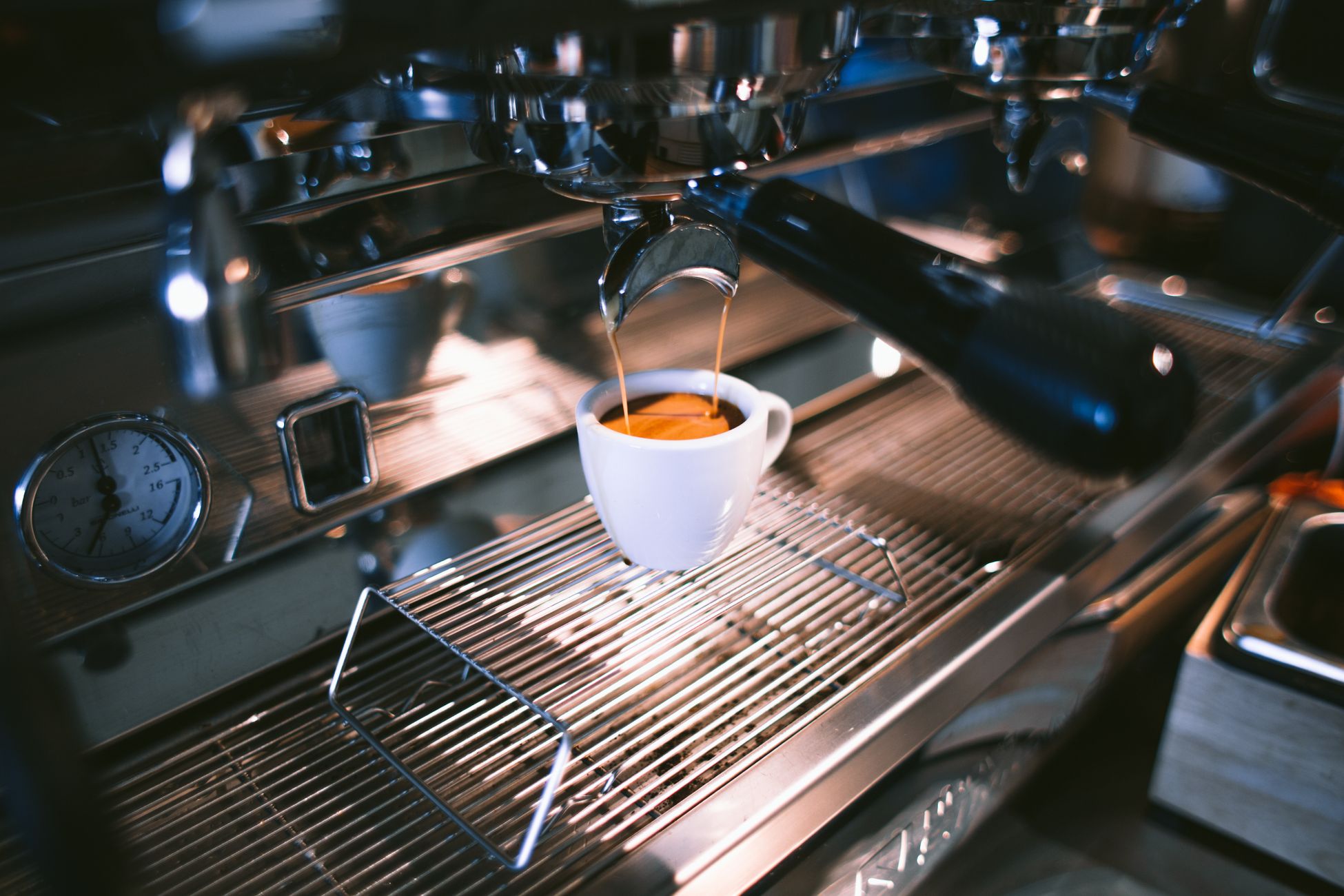
The spouts on a standard portafilter were designed for convenience, not education. They make espresso neat and direct it into two cups at once, which is exactly what a busy café needs. At home, where the goal is to get better, they hide the one thing you most need to see.
A bottomless portafilter turns every shot into a diagnostic. It shows you channeling, uneven distribution, and dead spots the moment they happen, and it keeps showing you until you fix them. For the price of a few bags of coffee, it is the most effective espresso lesson you can buy.
Browse our most popular coffees and find your next favorite
All images shown in this blog are sourced from pexels.com.