

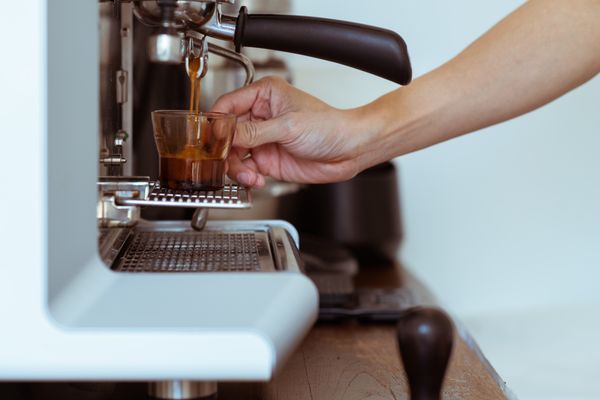
You bought the machine. You bought the beans, the good ones, the bag with the roast date printed on it. You watched the videos. And still, the shot you pull at home tastes like a shadow of the one you get at your favorite cafe. Thin. A little sour, or a little bitter, sometimes both. Nothing like the syrupy, layered thing you were promised.
Here is the part nobody tells you clearly. A flat espresso is almost never the machine's fault, and it is almost never the beans. It is what happens between the two, in the fifteen seconds you spend preparing the coffee before you ever hit the button. Espresso is the least forgiving way to brew coffee, and it punishes small mistakes that filter methods quietly absorb. The good news is that the fixes are cheap, mostly free, and repeatable once you know what you are actually looking at.
If your beans are the problem and you suspect they might be, start with coffee that is genuinely fresh and roasted for clarity. Browse our most popular roasts and pull from a bag with a recent roast date before you blame the equipment.
Flat Usually Means Under Extracted
When people say their espresso tastes flat, they almost always mean the same thing without knowing the vocabulary for it. The shot is sour, weak, and watery, and it disappears off the tongue instead of lingering. That is the signature of under extraction. Water passed through the coffee and did not pull out enough of it.
Espresso is a concentration game. You are forcing hot water through a dense puck of grounds under pressure, and the goal is to dissolve a specific band of compounds. Pull too little and you get the bright, sharp acids that come out first, with none of the sugars and heavier compounds that arrive later to round the shot out. The result reads as sour and hollow. Pull too much and you tip into bitterness and astringency instead.
Flat is the sour, hollow end of that spectrum. So the whole problem becomes a single question. Why is the water rushing through without grabbing enough coffee on the way? There are only a few answers, and they are all things you control.
Grind Size Is the Dial That Matters Most
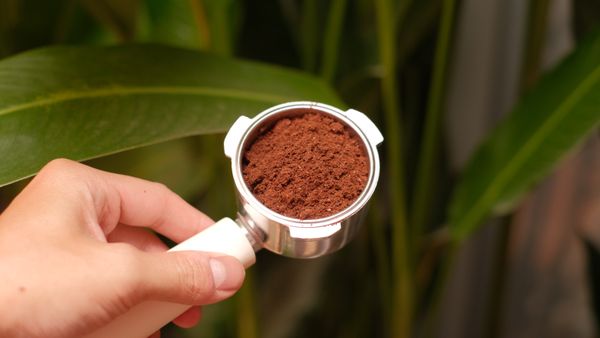
If you change one thing, change this. Grind size determines how much resistance the puck gives the water, and that resistance determines how long the water stays in contact with the coffee. Too coarse, and the water finds channels and open space to race through. It exits fast, barely dressed in coffee, and the shot gushes out pale and quick.
For espresso you want a fine grind, much finer than you would use for a pour over or a drip machine. When the grind is right, a double shot of roughly eighteen grams should take somewhere in the range of twenty five to thirty five seconds to pour, and it should come out looking like warm honey, not like water tinted brown.
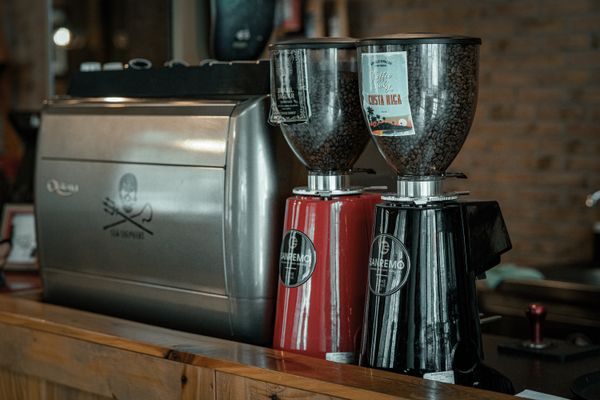
Here is the trap that catches most people at home. A cheap blade grinder, or worse, pre ground coffee from a bag, cannot produce the fine, even grind espresso needs. Blade grinders chop coffee into a mix of dust and boulders, and the water simply routes around the big pieces. If you are serious about espresso, a decent burr grinder is a better purchase than a better machine. It is the single biggest jump in cup quality most home setups are missing.
Your Dose and Your Basket Have to Agree
The other quiet killer is dose, the amount of coffee you put in the basket. Every portafilter basket is built for a range, usually printed nowhere and learned by feel. Put in too little coffee and the puck sits low. When you lock the group head down and water hits it, there is empty headroom above the grounds. Water pools, finds the path of least resistance, and blasts through in a channel instead of soaking evenly.
The result is the same flat, fast, sour shot. The fix is to weigh your coffee. A kitchen scale that reads to a tenth of a gram costs less than a bag of good beans and takes the guessing out of it entirely. Find the basket size, most home doubles want around eighteen grams, and hit that number every time. Consistency in equals consistency out. You cannot fix a variable you are not measuring.
Distribution and Tamping Decide Where the Water Goes
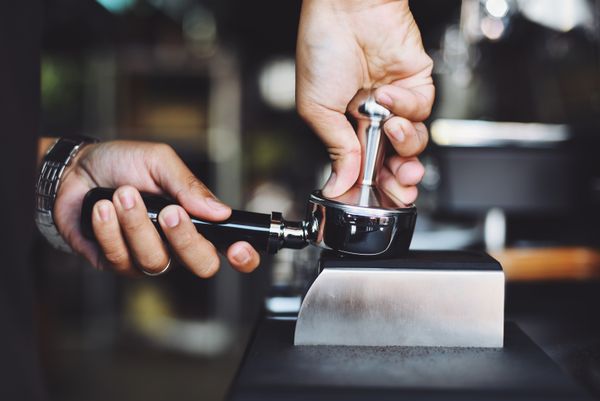
Once the right amount of the right grind is in the basket, the water still has to pass through it evenly. If the grounds are piled to one side, or full of clumps, or tamped at an angle, the water will find the soft spot and pour through there. That is called channeling, and it produces a shot that is simultaneously over extracted where the water rushed and under extracted everywhere else. The cup tastes muddled and flat because no part of the coffee gave you a clean extraction.
Before you tamp, level the bed. Give the portafilter a gentle tap or run a finger across the top to break clumps and even things out. Then tamp straight down with steady pressure. You do not need to lean your body weight into it. The old advice about thirty pounds of force matters far less than the tamp being level. A flat, even puck beats a hard, crooked one every time.
See the roasts our customers reach for first and give a fresh bag the setup it deserves.
Fresh Beans Behave Differently, and That Is Good
Coffee releases carbon dioxide for weeks after roasting, a process called degassing. Very fresh espresso beans, within a few days of the roast date, can gush gas during the shot and make extraction erratic. That is why many people rest espresso beans a little longer than filter beans, often waiting seven to fourteen days after roast before pulling their best shots.
On the other end, stale beans go flat in a literal sense. Once the coffee has given off most of its gas and its oils have started to oxidize, the shot loses crema, loses aroma, and loses the sweetness that made it worth pulling. If your bag has been open on the counter for a month, that alone can explain a flat cup. Buy fresh, buy in amounts you will finish in a few weeks, and store the beans somewhere cool and dark in a sealed container. Not the fridge, where they pick up moisture and odors.
Water Temperature and Machine Warm Up
Espresso wants water near 200 degrees Fahrenheit at the puck. Many home machines, especially smaller single boiler units, need a real warm up before they hold that temperature. If you flip the machine on and pull a shot two minutes later, the group head and portafilter are still cold, and cold metal steals heat from your water. A cool extraction pulls the acids and skips the sugars, which lands you right back at flat and sour.
Give the machine a genuine fifteen to twenty minutes to come up to temperature. Lock the empty portafilter into the group head while it heats so the metal itself gets hot. Run a blank shot of water through right before you brew to flush the line and stabilize the temperature. These are small habits, and together they are often the difference between a shot that tastes like the cafe and one that does not.
A Simple Order to Fix It
Change one variable at a time or you will never learn what did what. Start with the grinder, because grind size is the biggest lever. Dial finer until your shot slows down to that twenty five to thirty five second window and starts pouring like honey. Weigh your dose so it stops moving on you. Level and tamp evenly. Make sure your beans are fresh and rested, and make sure the machine is truly hot before you pull.
Do those things and the flat shot turns into something else entirely. The sourness fills in with sweetness. The body thickens. The flavor lingers instead of vanishing. None of it required a more expensive machine. It required treating espresso like the precise, unforgiving little brew method it is, and giving each step the attention it quietly demands.
The cafe shot was never magic. It was a trained person hitting the same variables you now know how to hit. Start with good coffee, control the grind and the dose, keep everything hot and even, and your kitchen can pour a shot that stands up next to any counter in town.
Start with a fresh bag and taste the difference
All images shown in this blog are sourced from pexels.com.