

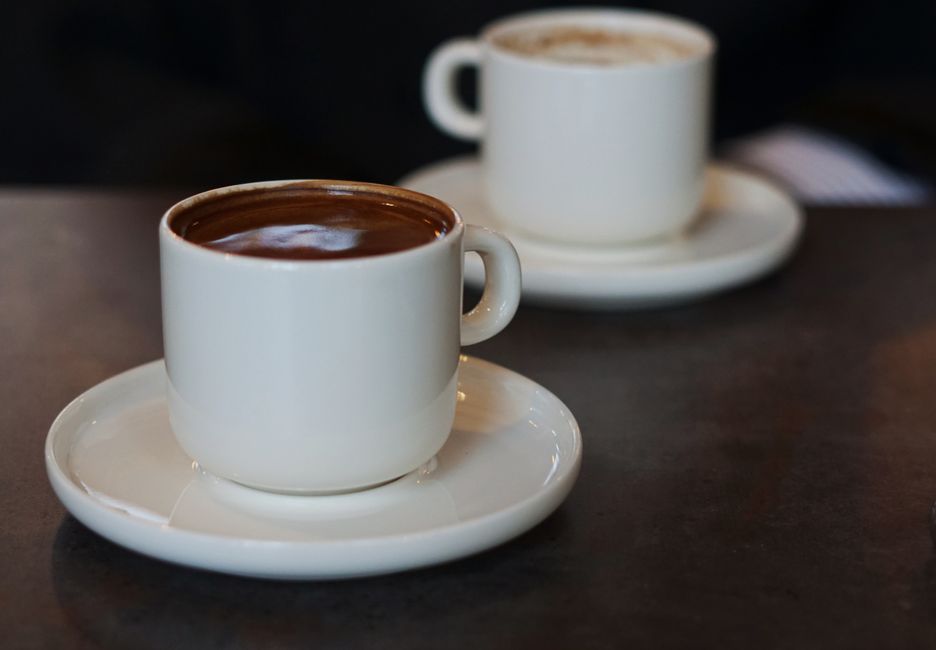
Most people taste coffee one bag at a time. You finish one, open the next, and try to remember whether the old one was brighter or sweeter. A week has passed. Your memory has blurred. And the honest answer is that you have no idea.
The fix is simple and a little bit fun. Brew two coffees at the same time and taste them next to each other. Differences that hide when you drink one cup alone suddenly become obvious when you have something to compare against. You do not need a lab, a cupping table, or a vocabulary of fancy tasting notes. You need two cups, a little consistency, and some attention.
Pick two coffees from our most popular collection to start comparing
Why Comparison Beats Memory
Your sense of taste works best when it has a reference point. On its own, a cup of coffee is just coffee. Next to another cup, it becomes the brighter one, the heavier one, the sweeter one, or the one with the longer finish.
This is how professional tasters work. They almost never judge a coffee in isolation. They taste a row of samples and let each one sharpen their impression of the others. You can do the same thing at your kitchen counter with two mugs.
It also removes a lot of guesswork. When you drink one coffee and think it tastes a little sour, you cannot tell if it is the bean, the roast, your grind, or your water. When two coffees are brewed exactly the same way and only one tastes sour, the bean is the variable.
Keep Everything Else The Same
The whole point is to make the coffee the only difference. That means locking down every other part of the brew.
Use the same dose of coffee for both. Weigh it if you can. Grind both at the same setting, and brush out the grinder between them so the first coffee does not sneak into the second. Use the same water, at the same temperature, and the same ratio. If you are making pour-over, use two identical drippers and the same filters. If you only have one brewer, a French press or even two mugs with grounds steeped directly in them will work fine.
Brew them as close together in time as you can. Coffee changes as it cools, so a cup made ten minutes earlier will taste different for reasons that have nothing to do with the beans.
The simplest setup for beginners is steeping. Put the same amount of ground coffee in two identical mugs, pour the same amount of hot water over each, wait about four minutes, and gently skim off the grounds that float to the top. Let the rest settle, then taste with a spoon. It is basically a home version of what roasters call cupping, and it is hard to mess up.
Choose Coffees That Are Actually Different
Your first comparison should be easy. Pick two coffees that you expect to taste different, like a washed Ethiopian and a Brazilian, or a light roast and a medium roast. Big contrasts train your palate fastest because the differences jump out right away.
Once that feels comfortable, narrow the gap. Try two coffees from the same country but different regions. Try the same coffee processed two different ways. Try two Colombians from different farms. The closer the coffees are, the more focus it takes, and the more your palate improves.
You can also compare the same coffee in two different situations. Brew a bag on the day you open it and again two weeks later. Brew the same beans at two grind sizes. The method is the same: change one thing and taste what it does.
Explore coffees with real character in our most popular collection
Taste In A Simple Order
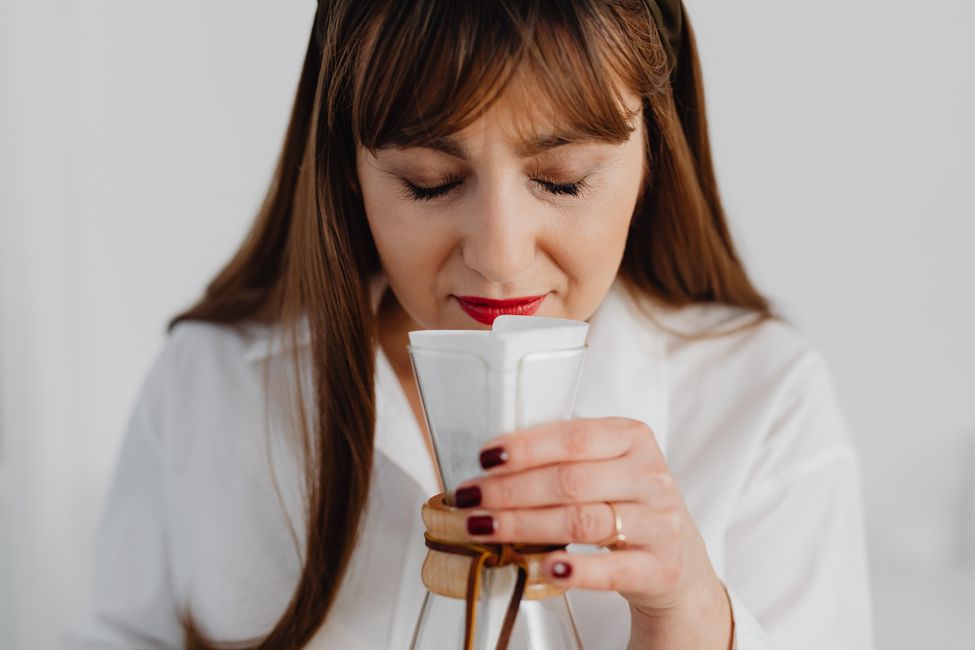
Smell first. Before you sip, put your nose close to each cup and breathe in. Notice which smells sweeter, which smells fruitier, and which smells roastier. Aroma gives you a preview of what is coming.
Then take a sip of the first cup and let it spread across your whole tongue. Try slurping a little, pulling some air in with the coffee. It feels silly, but it sprays the coffee across your palate and pushes aroma up into your nose, where most of the flavor actually happens. Then taste the second cup the same way.
Go back and forth several times. The second and third rounds are often where the real differences show up, because your palate has had time to settle in.
Four Things To Pay Attention To
You do not need a flavor wheel to describe what you taste. Start with four simple questions and answer each one by comparing the two cups.
Which one is sweeter? Sweetness in coffee can feel like caramel, brown sugar, honey, or ripe fruit. One cup will almost always come across as sweeter than the other.
Which one is brighter? Acidity is the lively, juicy quality that makes your mouth water, the same thing you notice in a crisp apple or an orange. Bright does not mean sour. It means lively.
Which one feels heavier? Body is about texture. One coffee might feel thin and tea-like, while the other feels round and creamy, almost like whole milk compared to skim.
Which one lasts longer? The finish is what stays in your mouth after you swallow. A great coffee leaves a pleasant, lingering sweetness. A weaker one fades fast or leaves something dry and bitter.
If you can answer those four questions, you already know more about these two coffees than most people ever will.
Let Them Cool
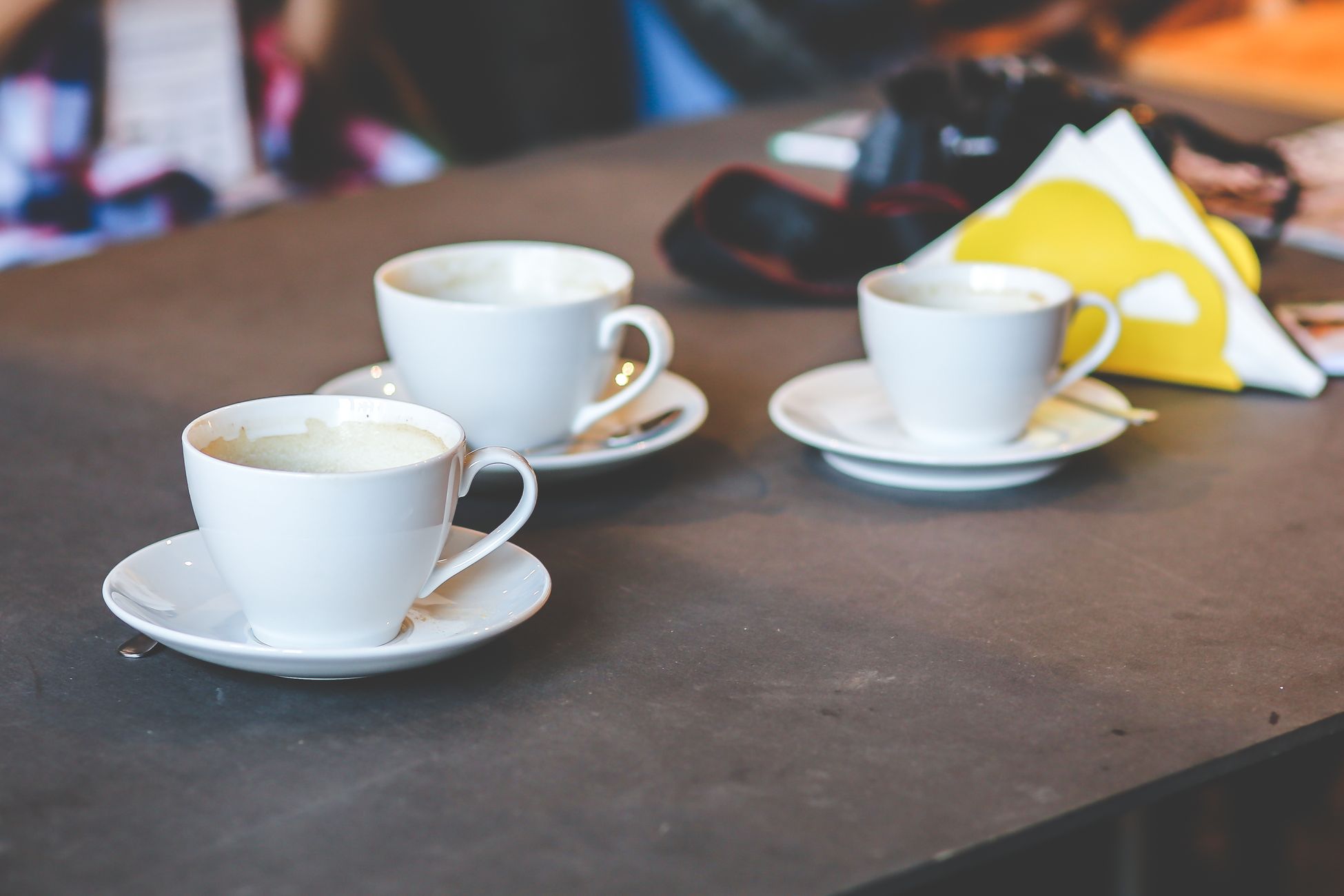
Do not stop tasting once the cups are drinkable. Coffee reveals different things at different temperatures. When it is hot, roast flavors and bitterness tend to dominate. As it cools toward warm, sweetness and fruit come forward. At room temperature, flaws become easier to spot, and great coffees often taste even better.
Keep tasting both cups as they cool over fifteen or twenty minutes. You might find that the coffee you preferred at first starts to fade, while the other one opens up and becomes the clear favorite. That shift is valuable information.
Write Down One Sentence
You do not need detailed notes. One sentence for each coffee is enough. Something like, "The Ethiopian tasted like lemon tea and was lighter, the Brazilian tasted like chocolate and felt heavier." That single line will help you remember what you liked and why.
Over time, those sentences add up. You start to notice patterns. Maybe you always lean toward the heavier, sweeter cup. Maybe you keep choosing the brighter one. That is the start of knowing your own taste, which makes every future coffee purchase easier.
Try It Blind Once
When you feel comfortable, ask someone to pour the two coffees into identical mugs without telling you which is which. Tasting blind removes all the expectations you bring from the bag, the price, or the origin. It is humbling and often surprising. Plenty of people discover that the coffee they assumed they would love is not the one they actually prefer.

A Better Way To Drink Coffee You Already Own
Side by side tasting is not about becoming a professional. It is about getting more out of coffee you already buy. Two cups, the same recipe, and a few minutes of attention will teach you more than a year of drinking one bag at a time.
Start your next comparison with our most popular coffees
All images shown in this blog are sourced from pexels.com.